Our wonderful holiday is almost over so we made the most of it by going to the beach after breakfast….
During breakfast we were agreeably surprised to see the person we have presumed to be the breakfast floor manager actually smile at a guest and we saw him take coffee cups to tables and pour coffee…..for once he wasn’t scowling and barking orders at staff….perhaps it was because the lovely Executive chef was on the floor doing the rounds or perhaps it was because he realised he stood out like a soar thumb and was trying to fit in with the wonderful ethos of the rest of the staff at this hotel….with this one exception every member of staff has been helpful, obliging, friendly, smiling and always goes the extra mile to make certain the attention to detail is perfect.
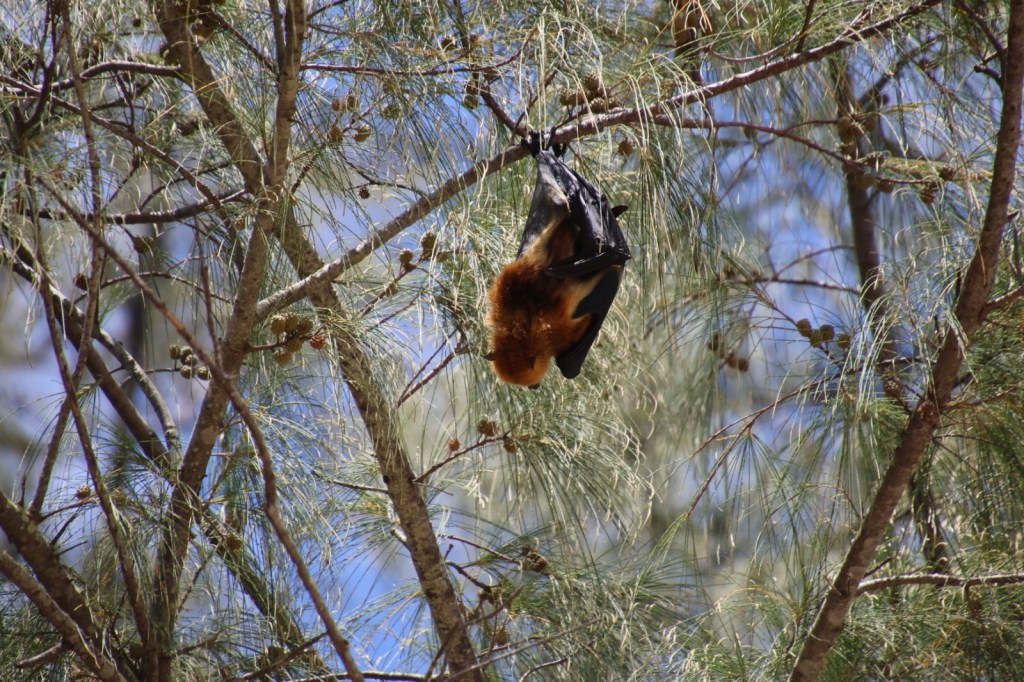
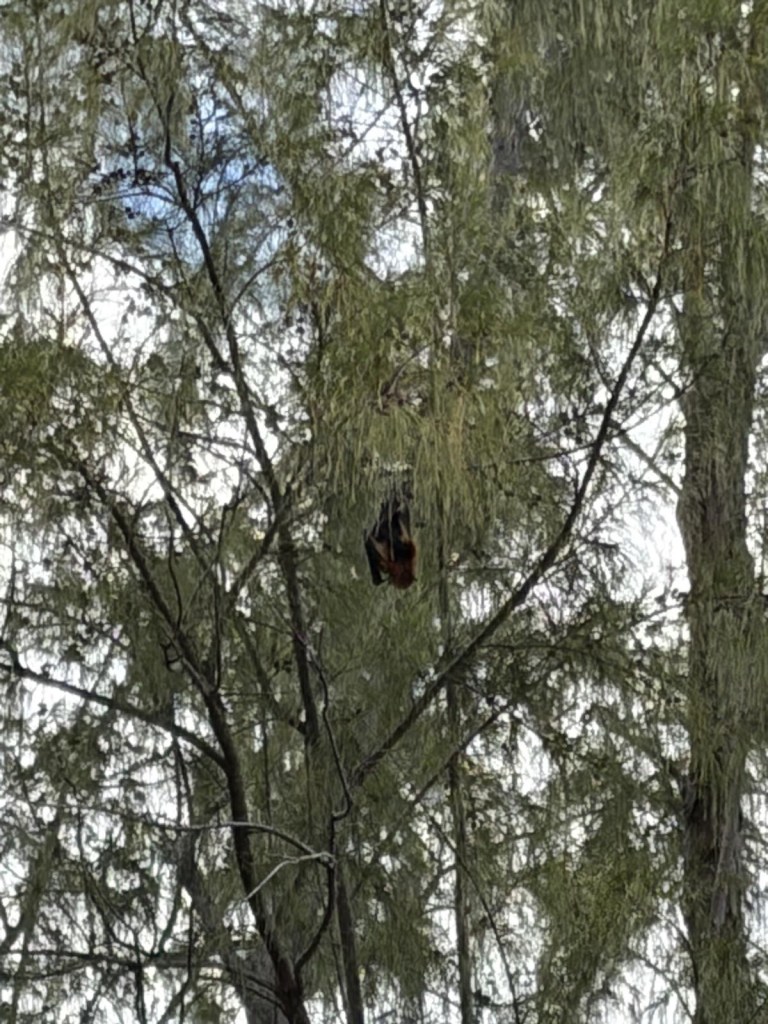
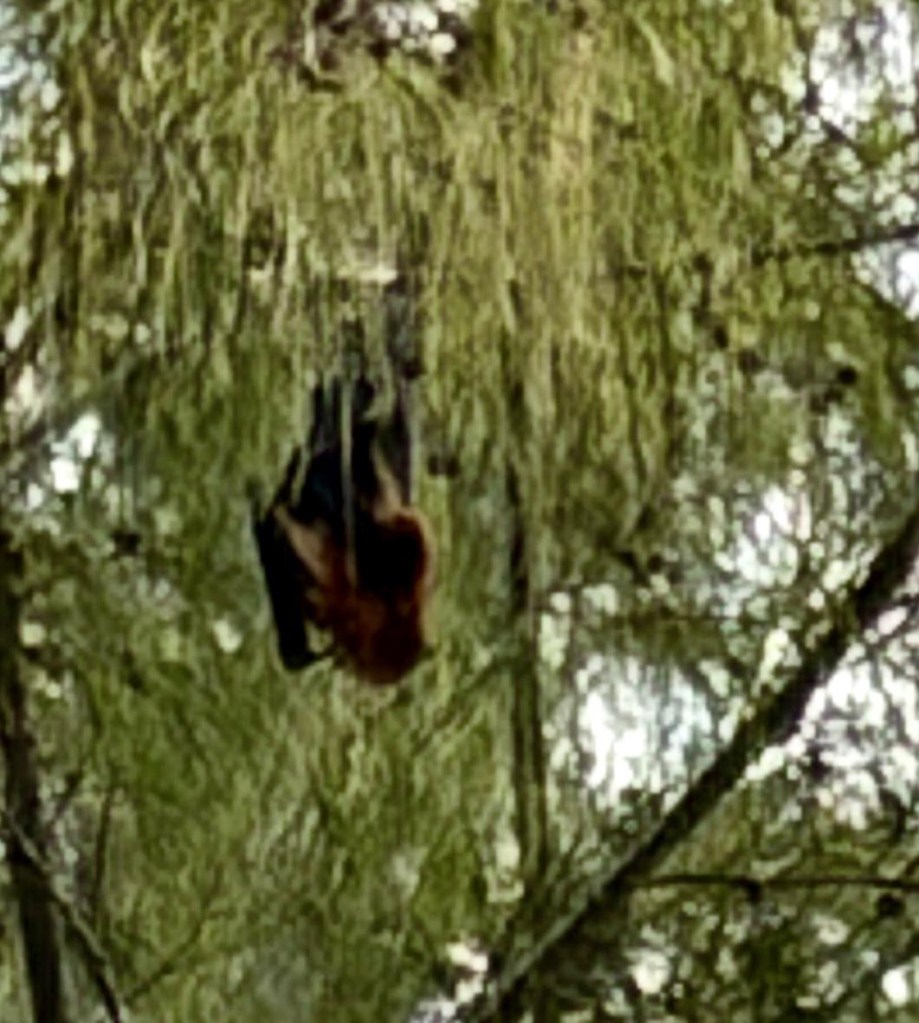
The beach seemed fuller than usual, perhaps because it’s a weekend. We found a couple of loungers near the fruit bat tree…..
We went for a swim straight away….it was once again as still as a sheet of glass, warm enough for bath water and extremely pleasant…
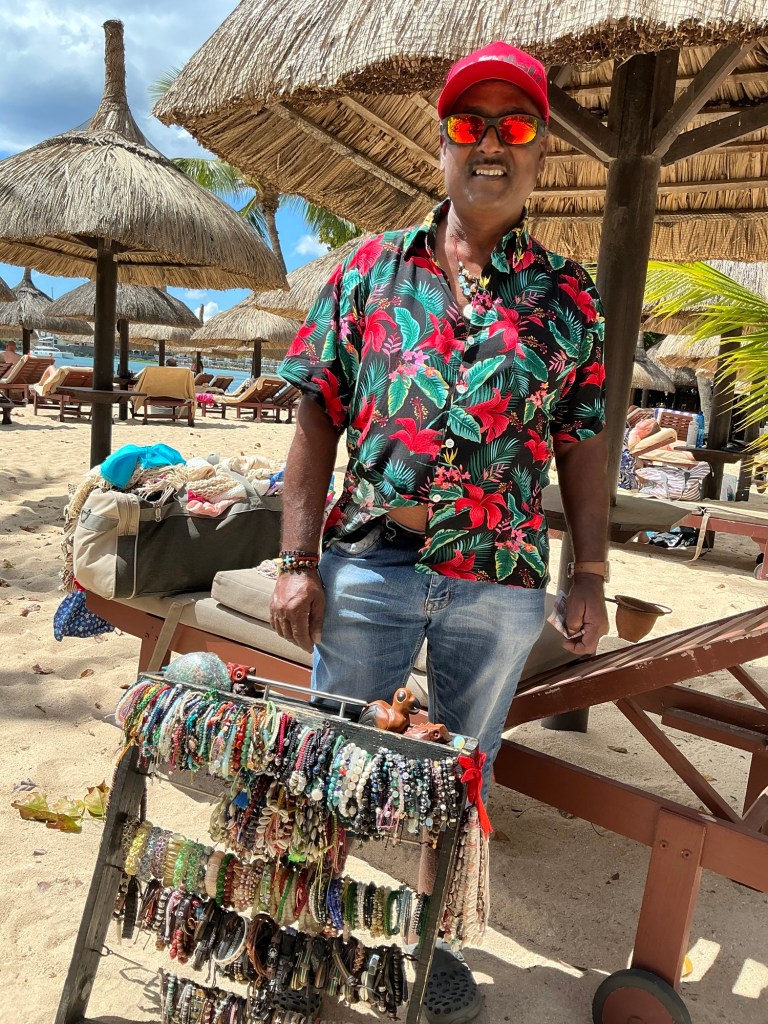
On getting out I spied the “Looky-Looky” man who had promised to make me 2 more elasticated shell ankle bracelets, the day before…alas he had failed to provide….
We lounged on the sun-beds for a couple of hours. Eventually I stirred myself into writing the day before blog. I spied another “Looky-Looky” man and realised he was the original man I had brought ankle bracelets from….so I gave him a shout and nearly scared John to death-he was snoozing….Yes!!! My man had 2 more anklelets and I also brought a necklace from him…the deal was struck ….
Another dip in the sea saw us late into the afternoon.
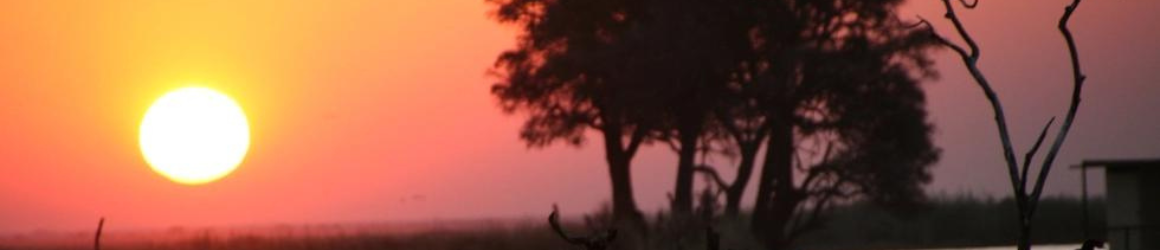
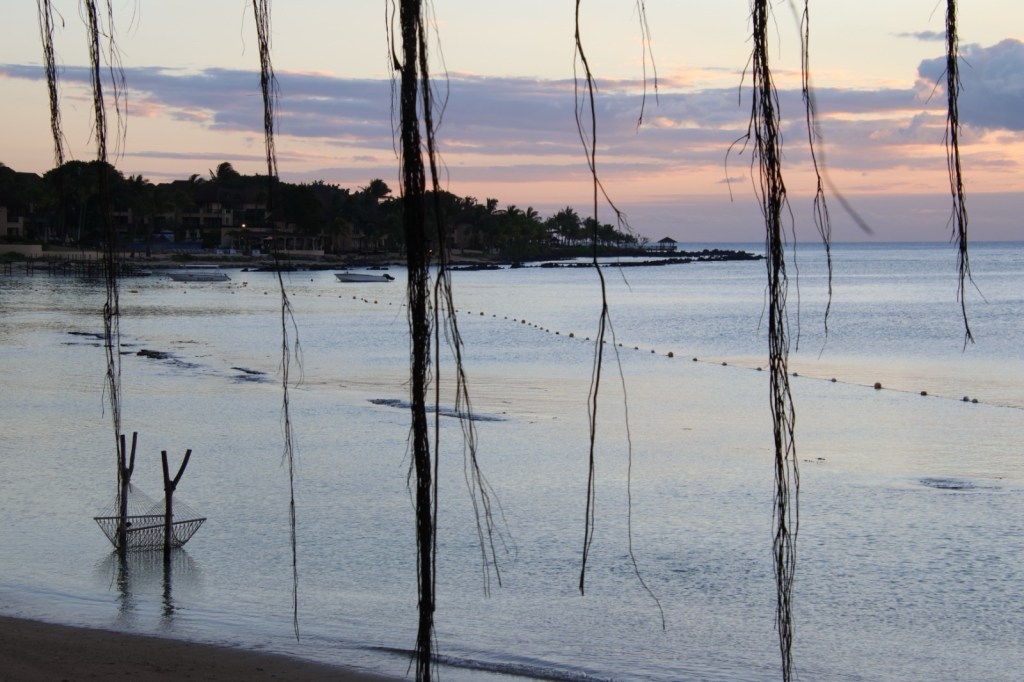
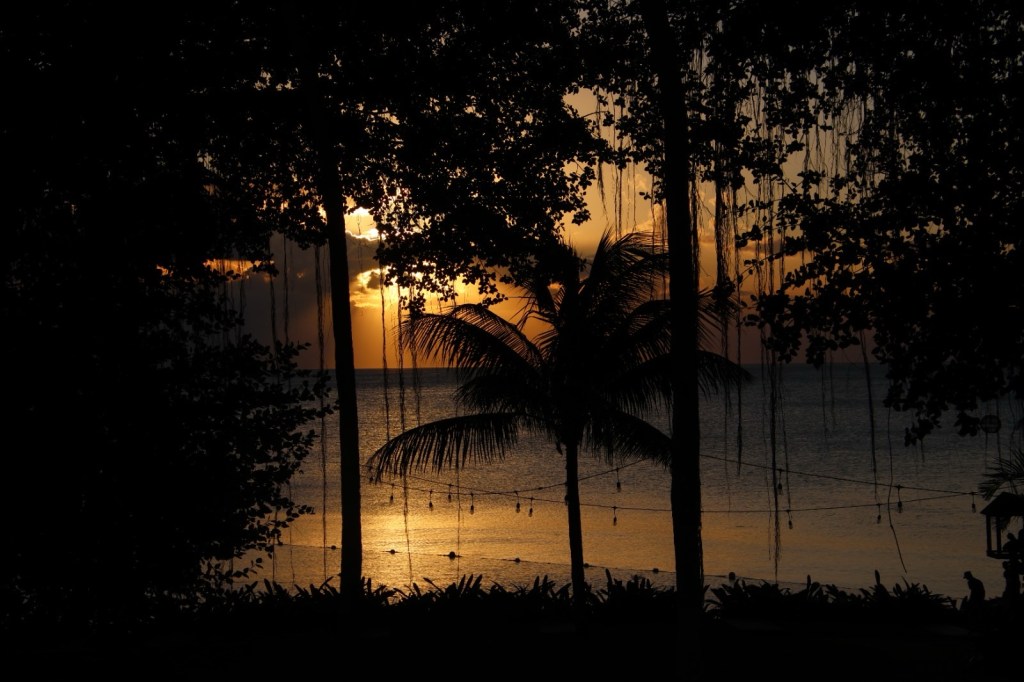
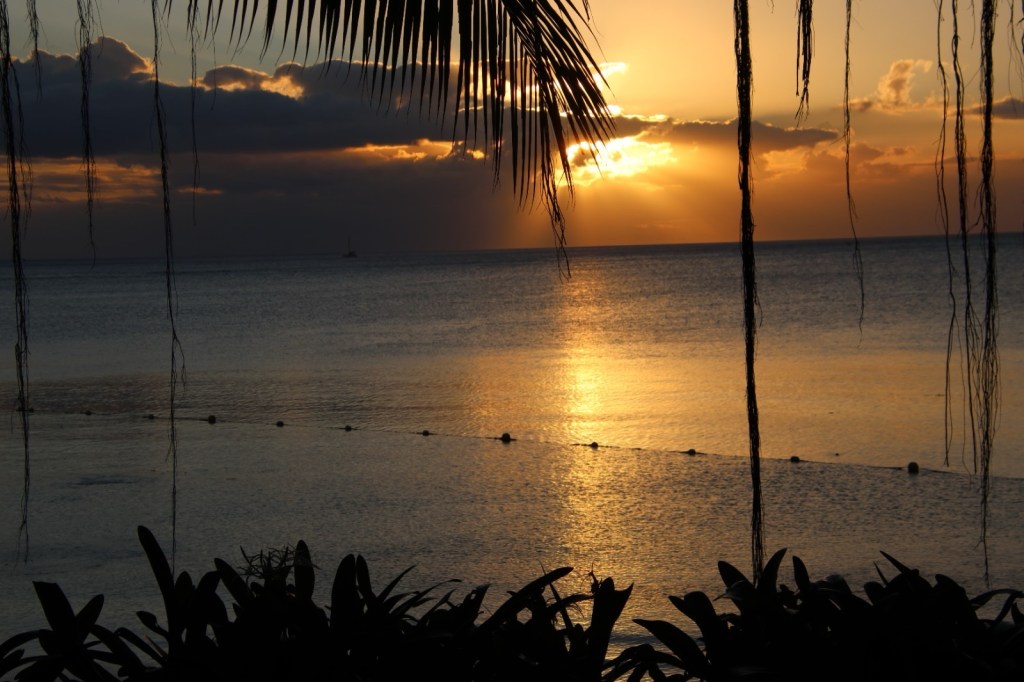
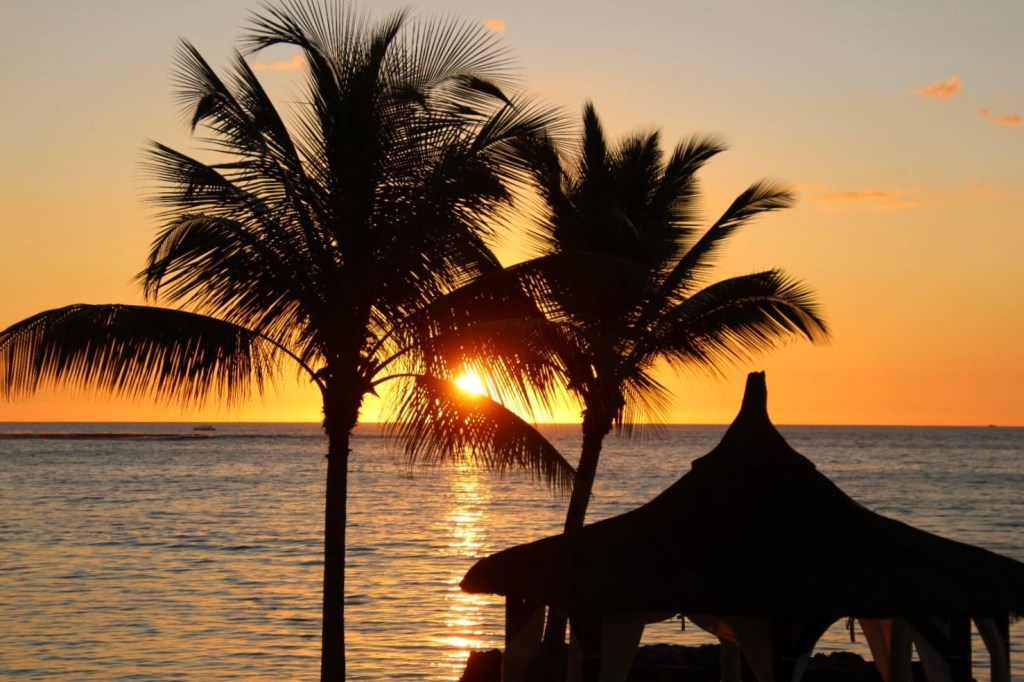
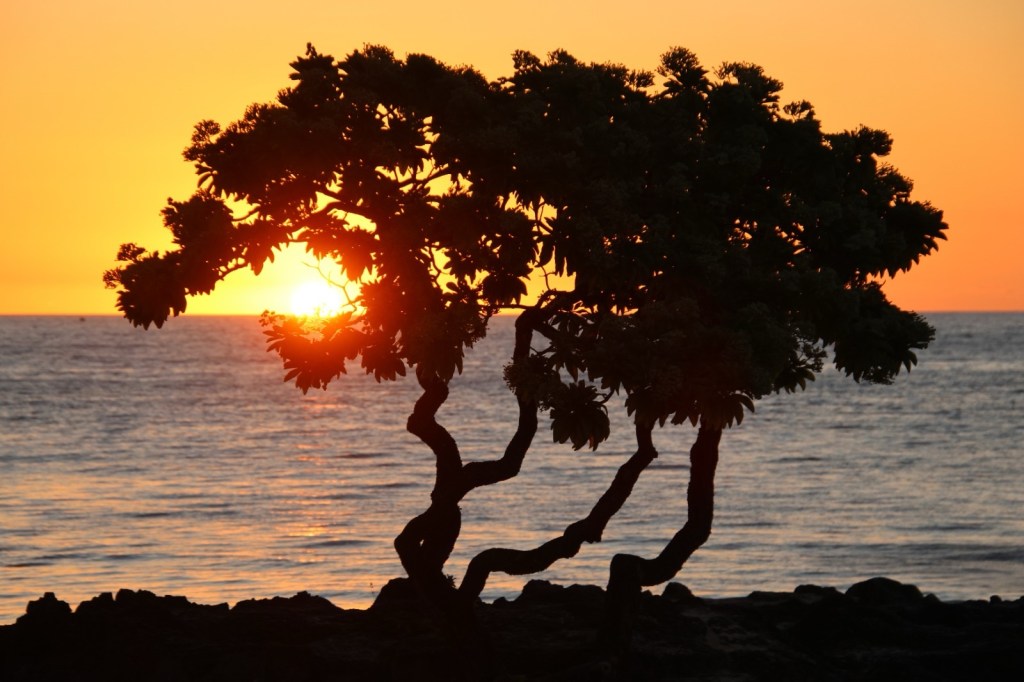
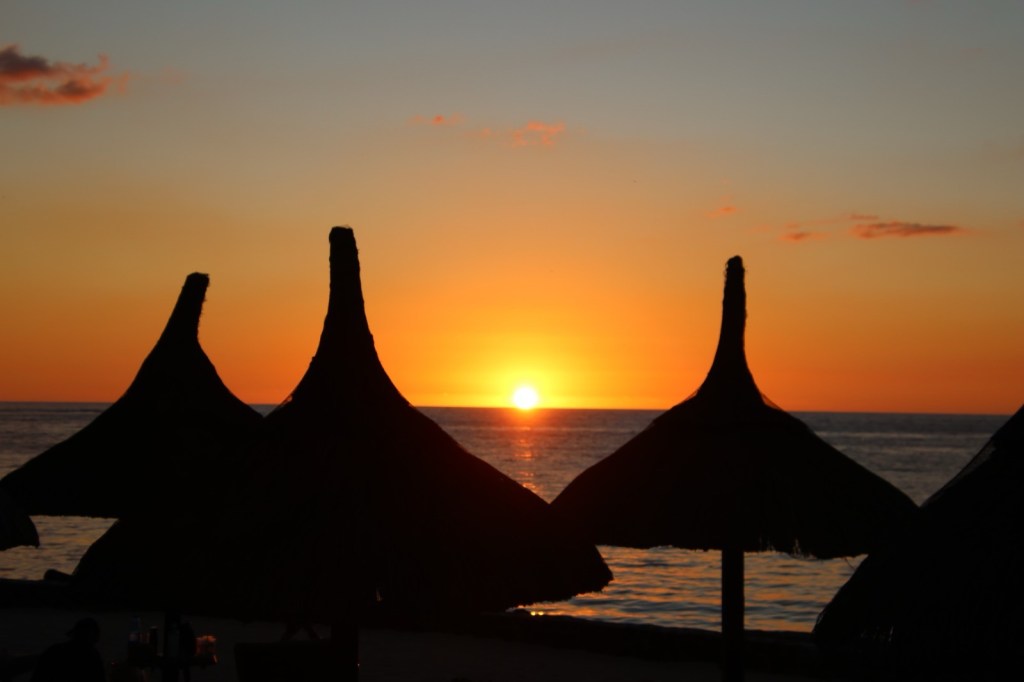
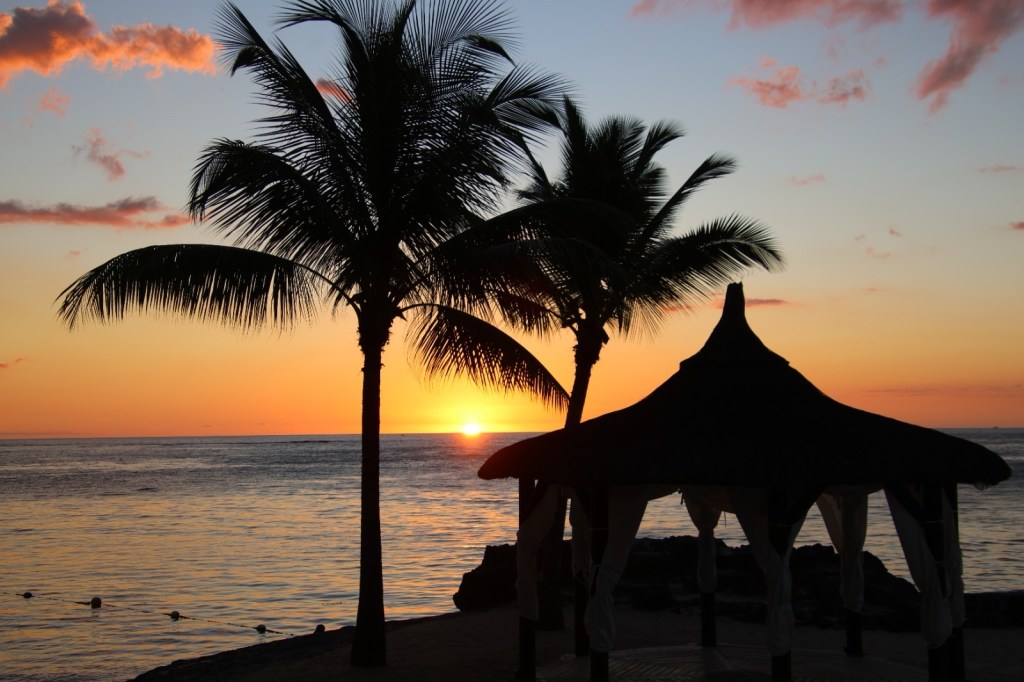
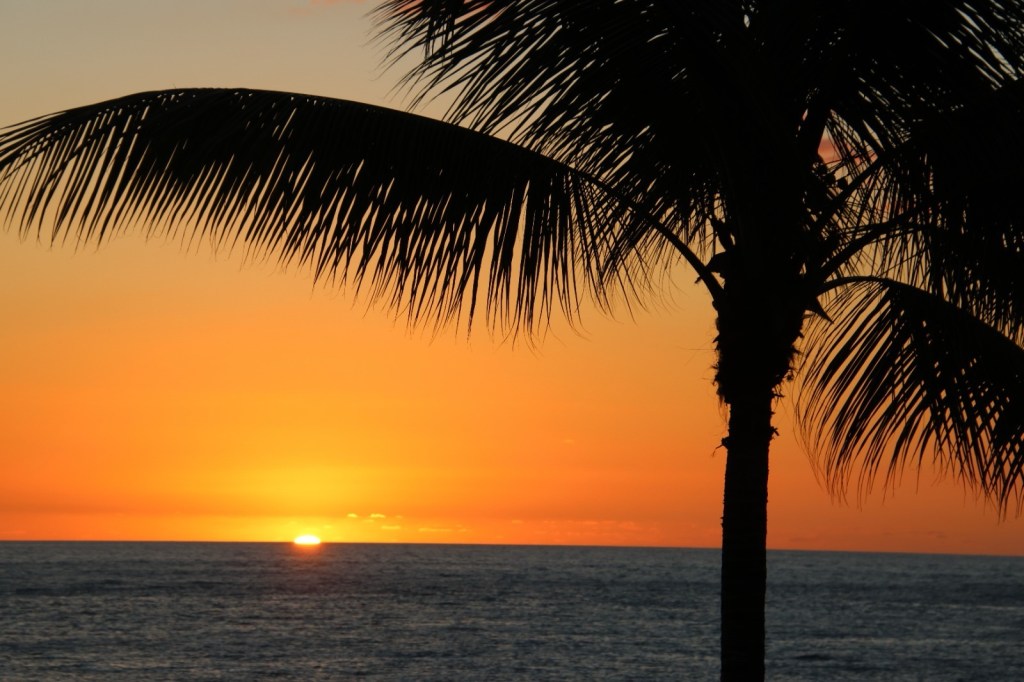
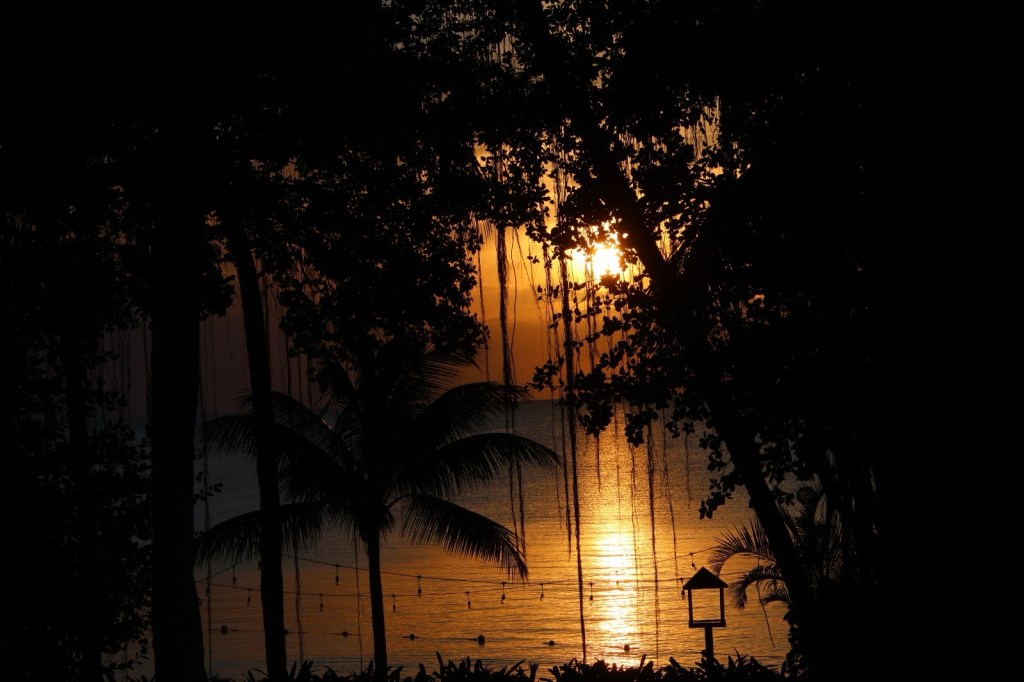
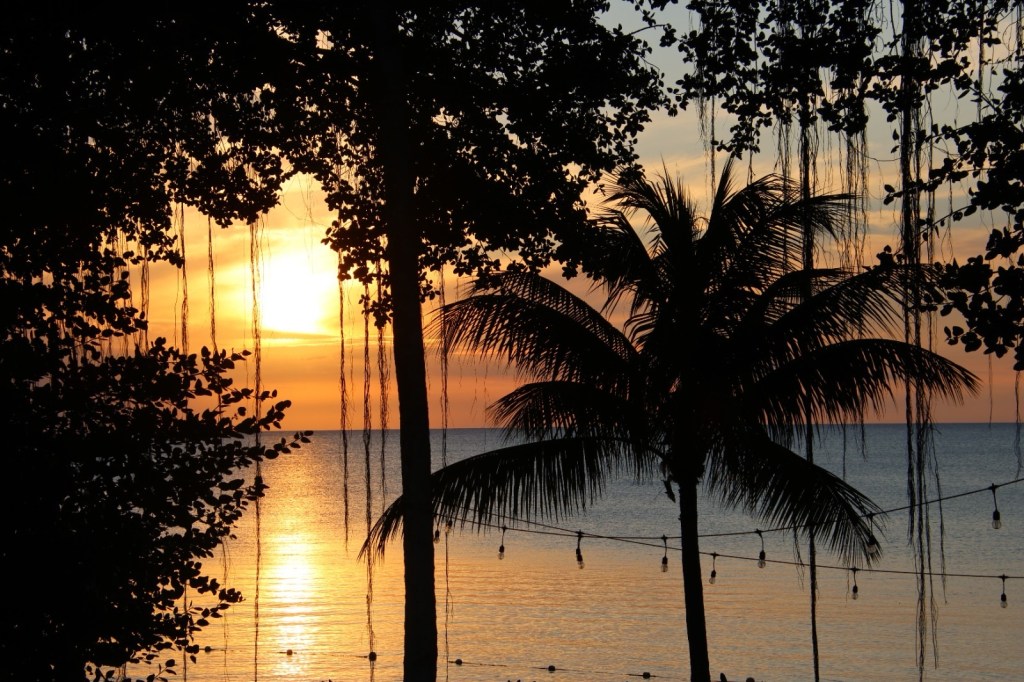
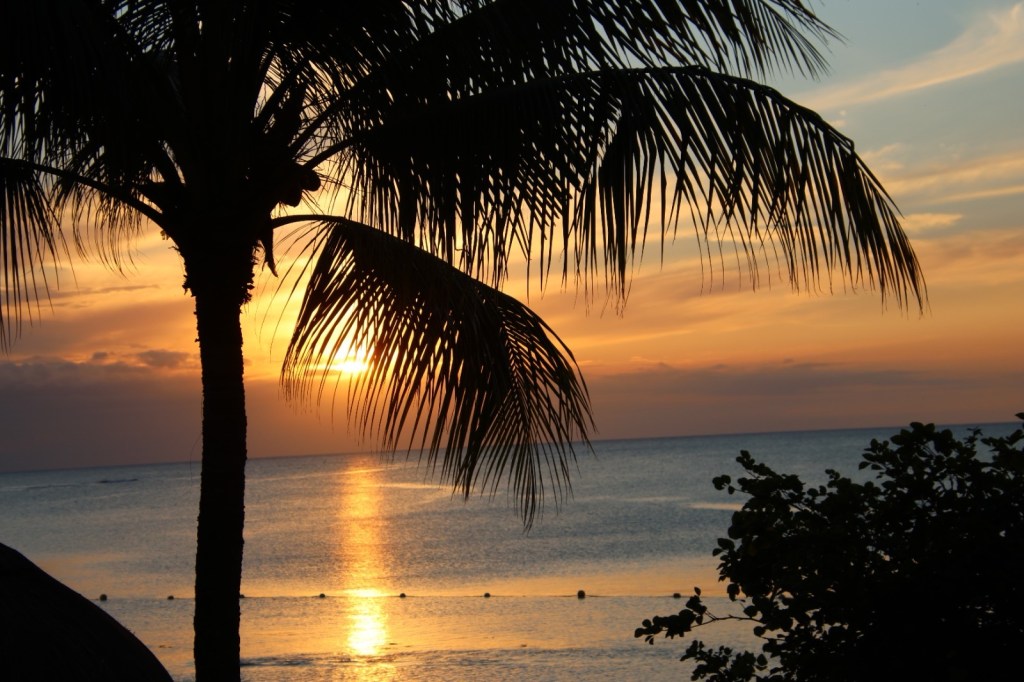
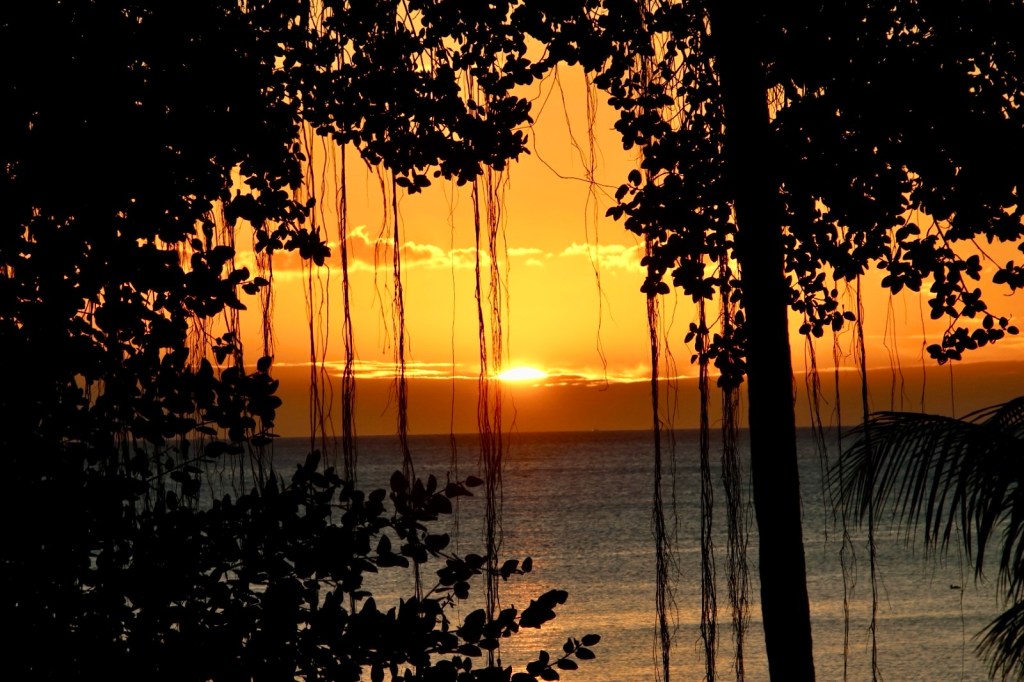
We wandered back up to our room, packed a suitcase and had a rest. We both walked out and took some sunset shots…..as the sun disappeared behind some cloud….
On our way out for supper we stopped to ask if we could pay for late departure from our room, but alas our room was booked the next day so we would need to be out by 12.00, midday.
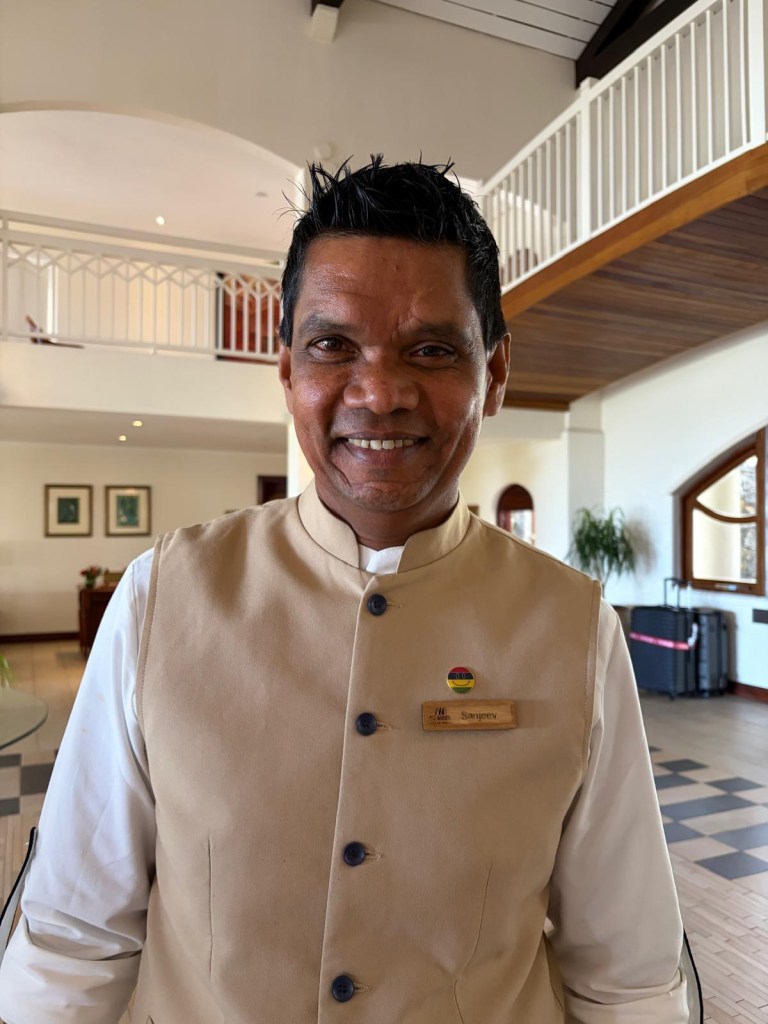
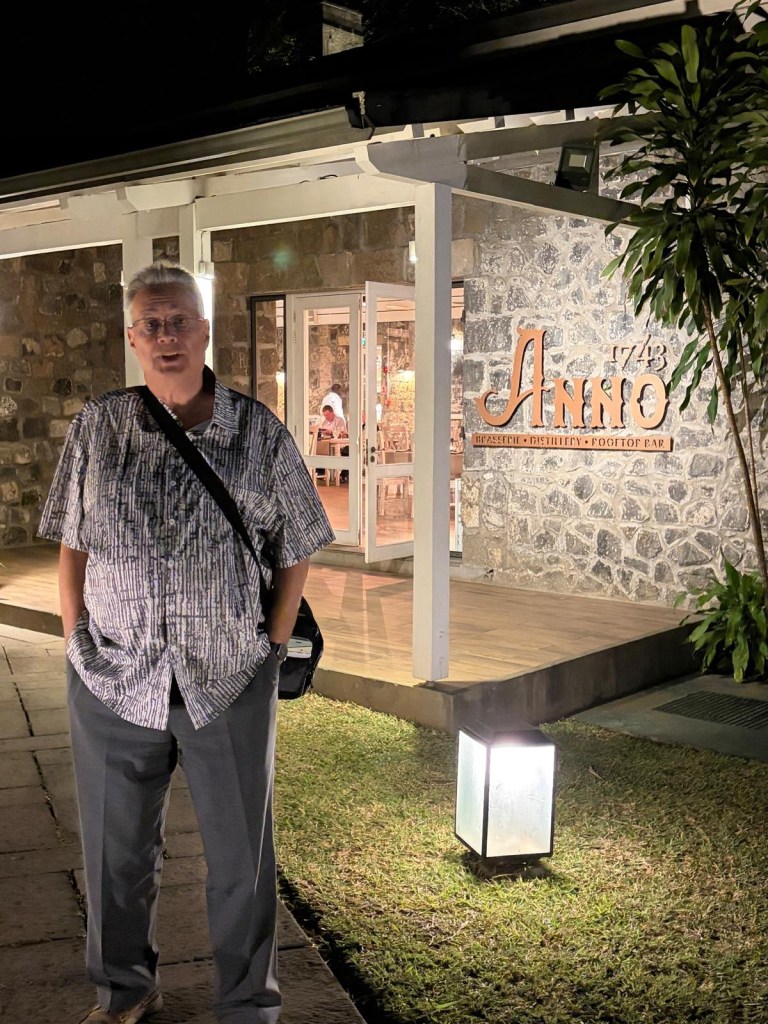
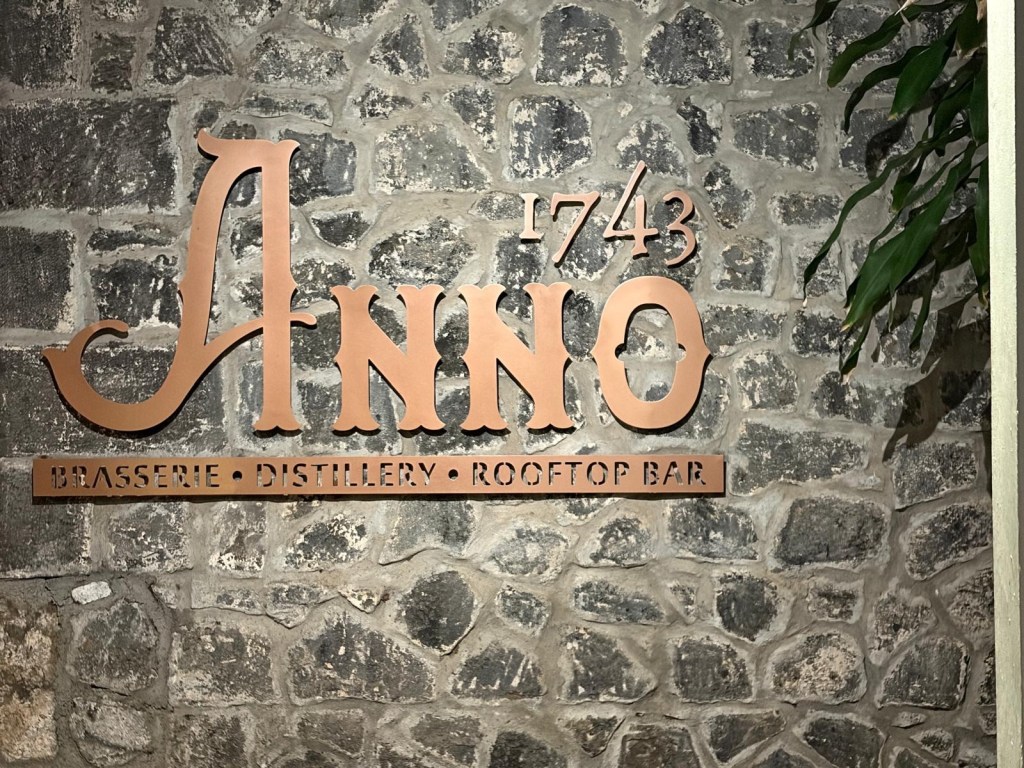
Our lovely friendly buggy driver, Sanjeev, appeared from no where and drove us to Anno 1743 & Distillery
Sanjeev, the buggy driver.
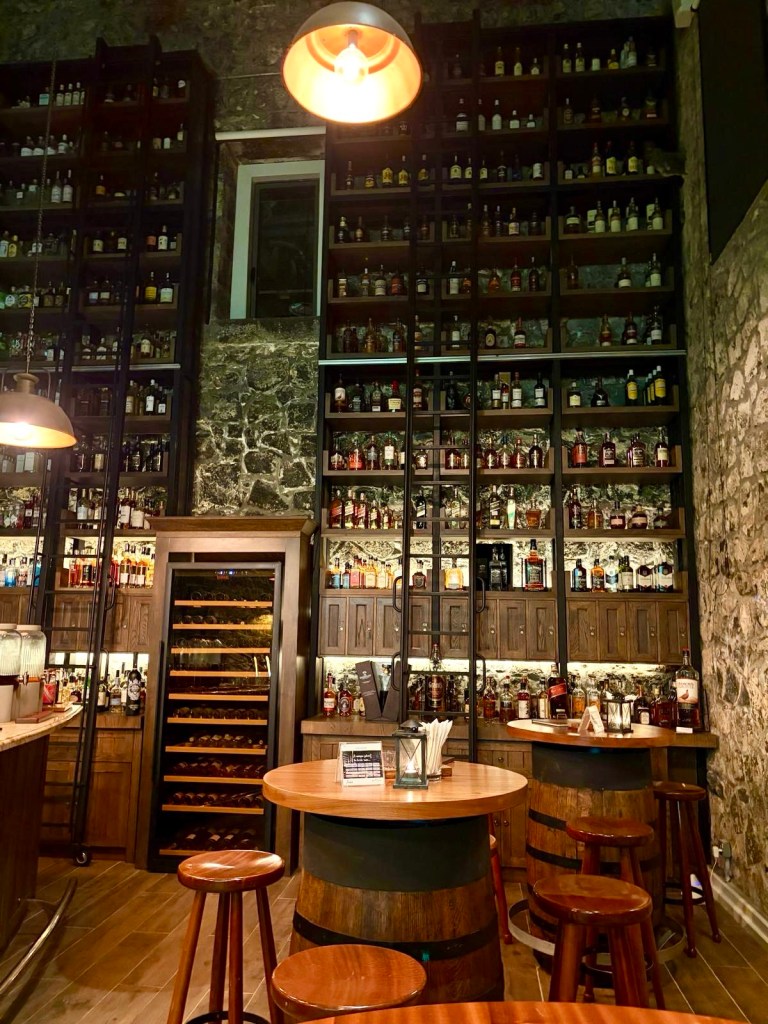
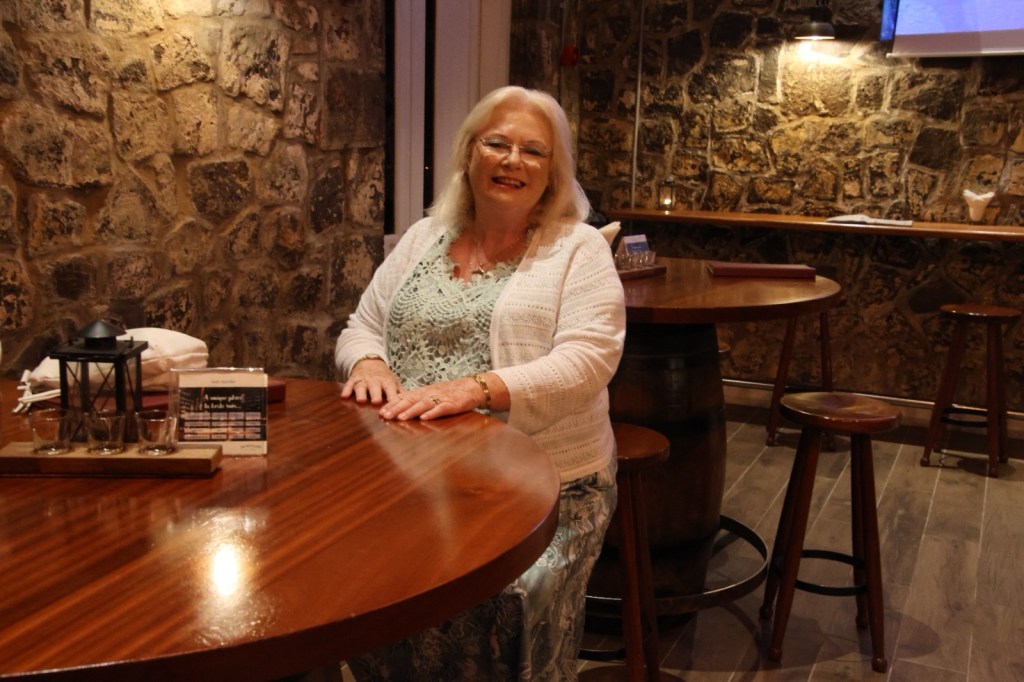
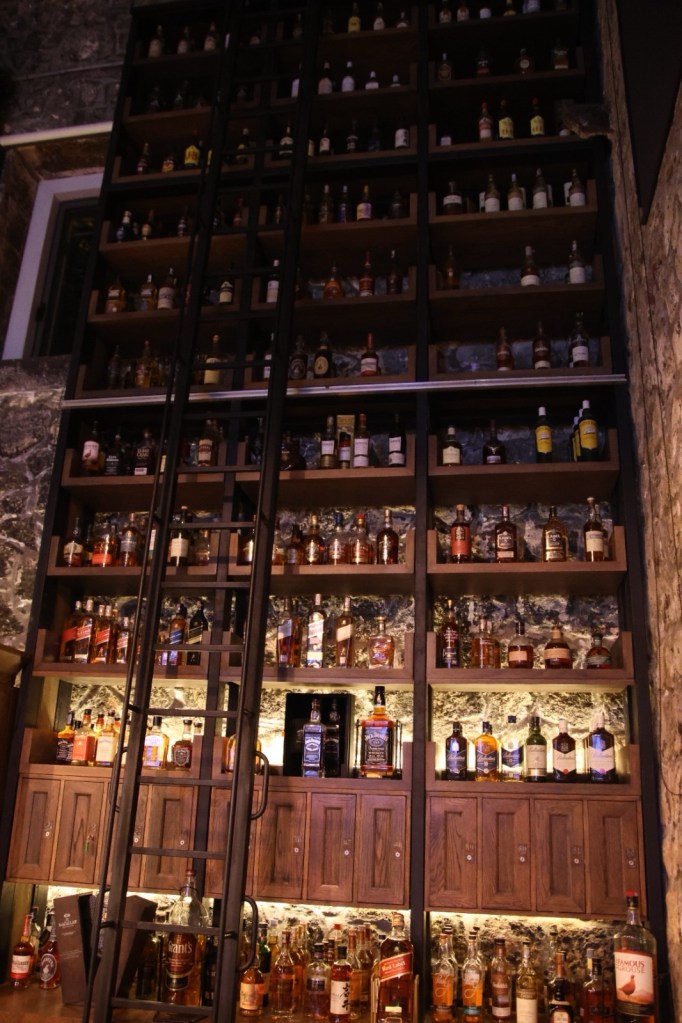
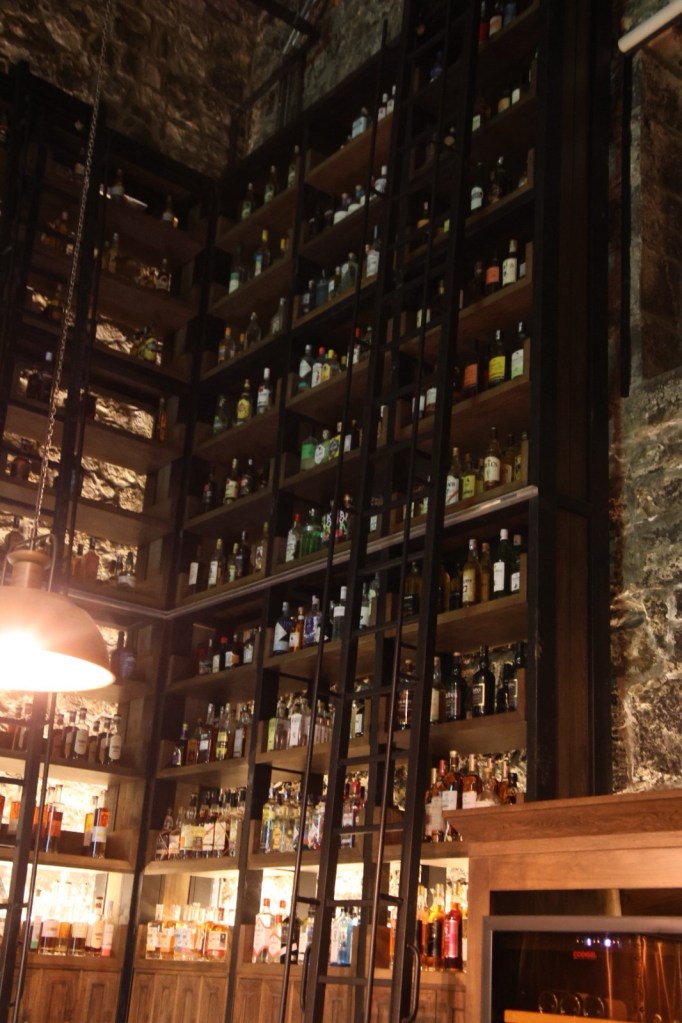
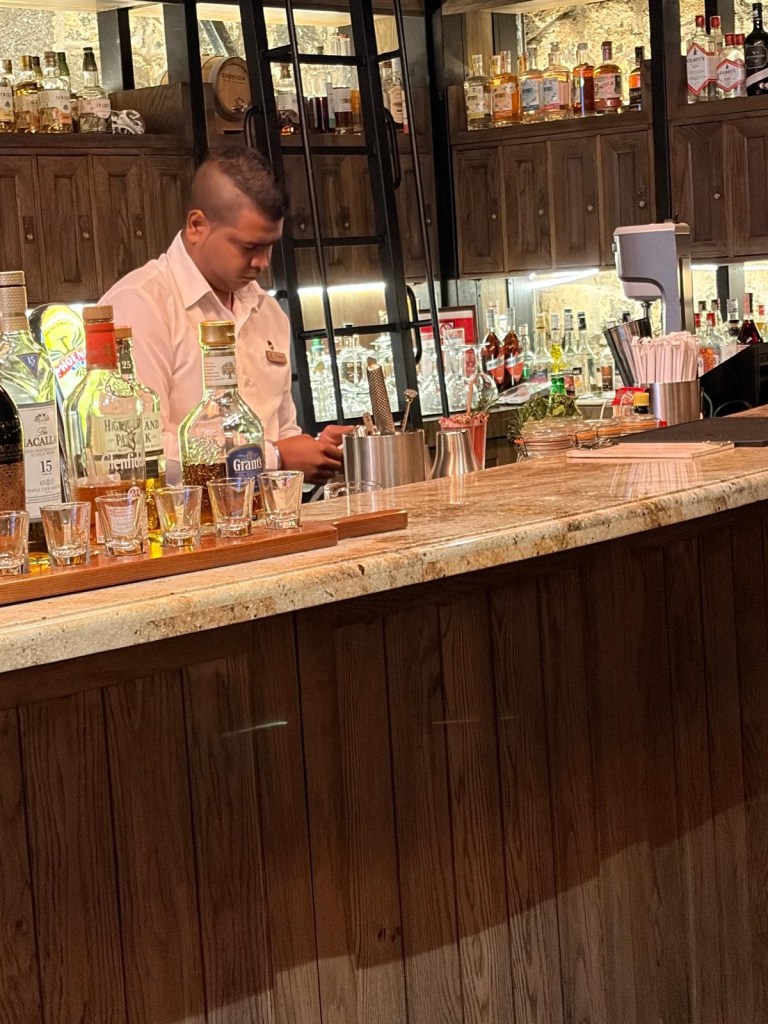
We had gone early so we could have a drink in the atmospheric Distillery.
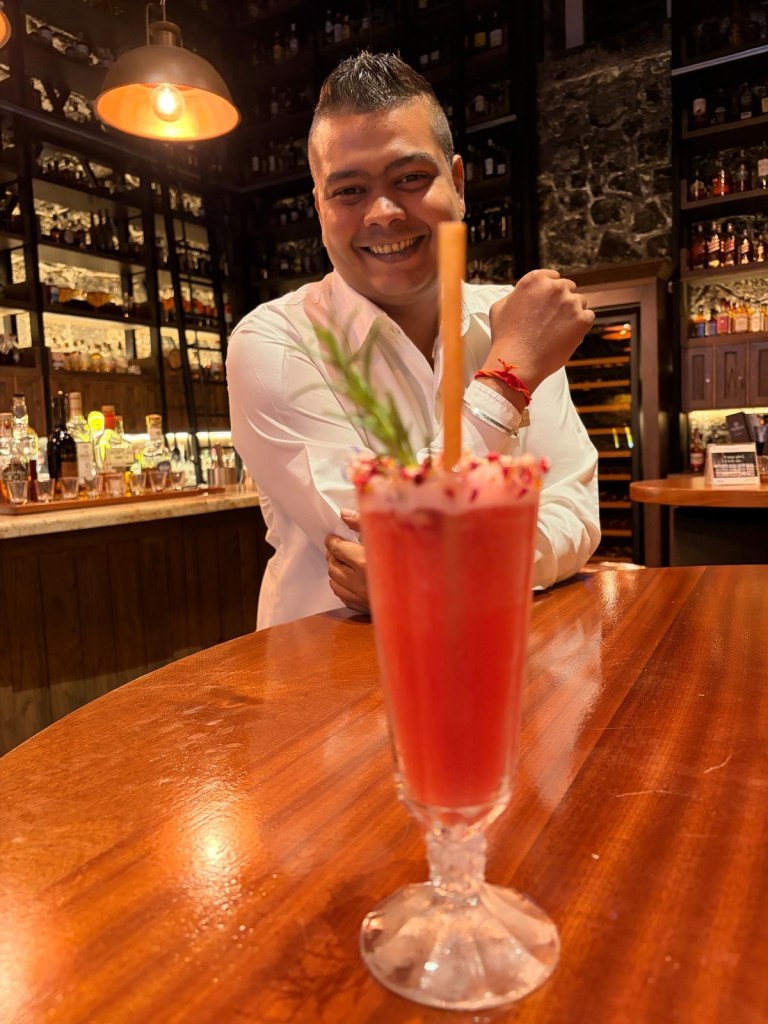
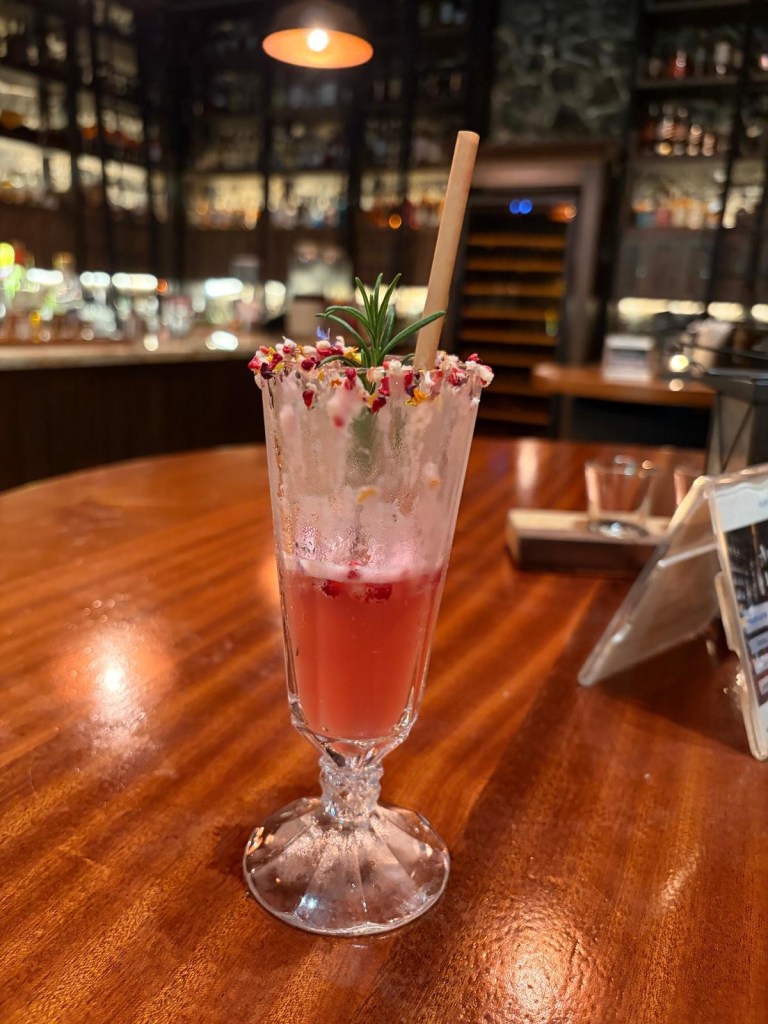
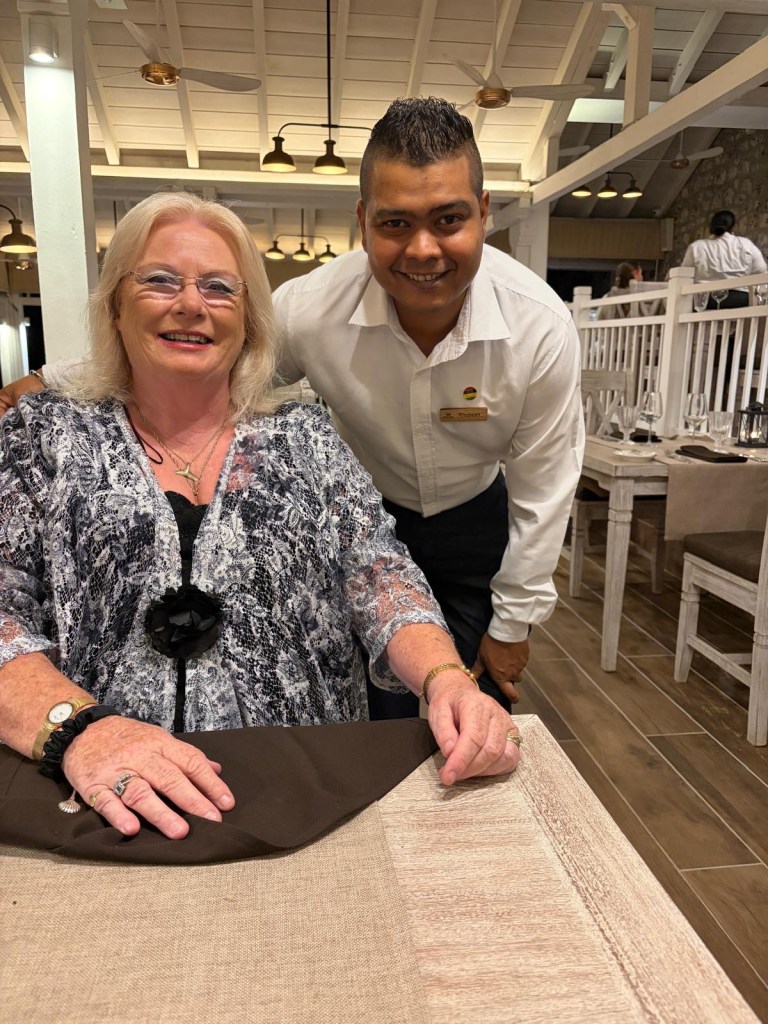
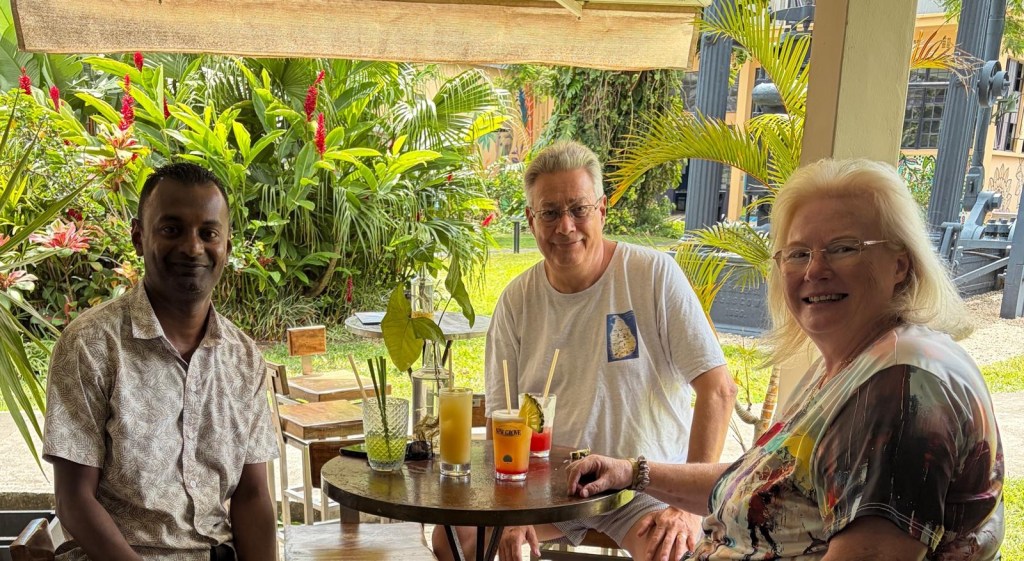
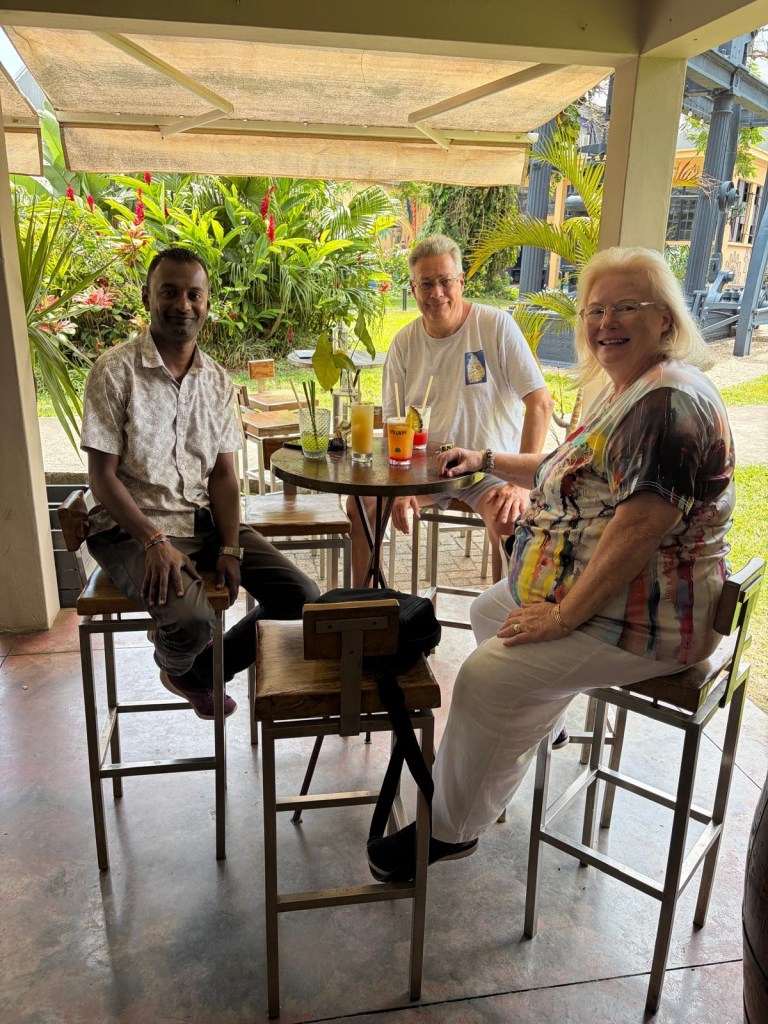
Rhubesh, the manager, was there to greet us and escort us to the Distillery. He then went to a great deal of trouble to make us the most delightful mocktail…..
The flute tops were ringed with finely chopped flowers and pomegranate seeds, a sprig of thyme added fragrance and flavour to the lychee juice with grenadine and sprite……absolutely beautiful tastes which made your mouth explode with flavours…..
Needless to say it didn’t stay in the glass long.
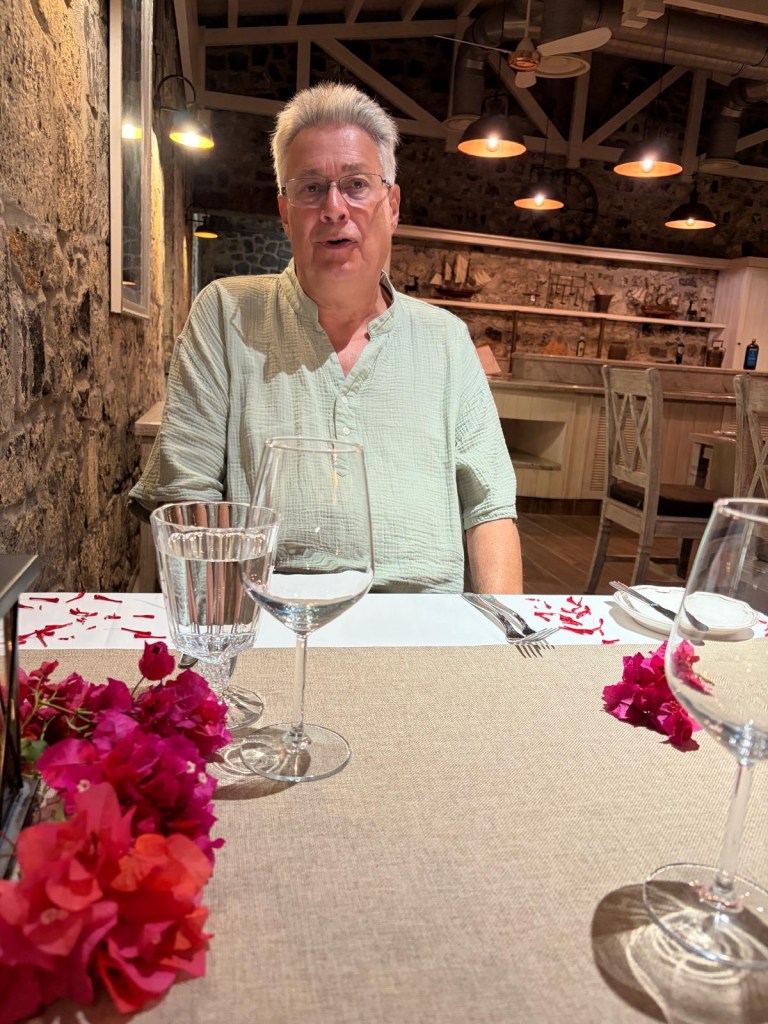
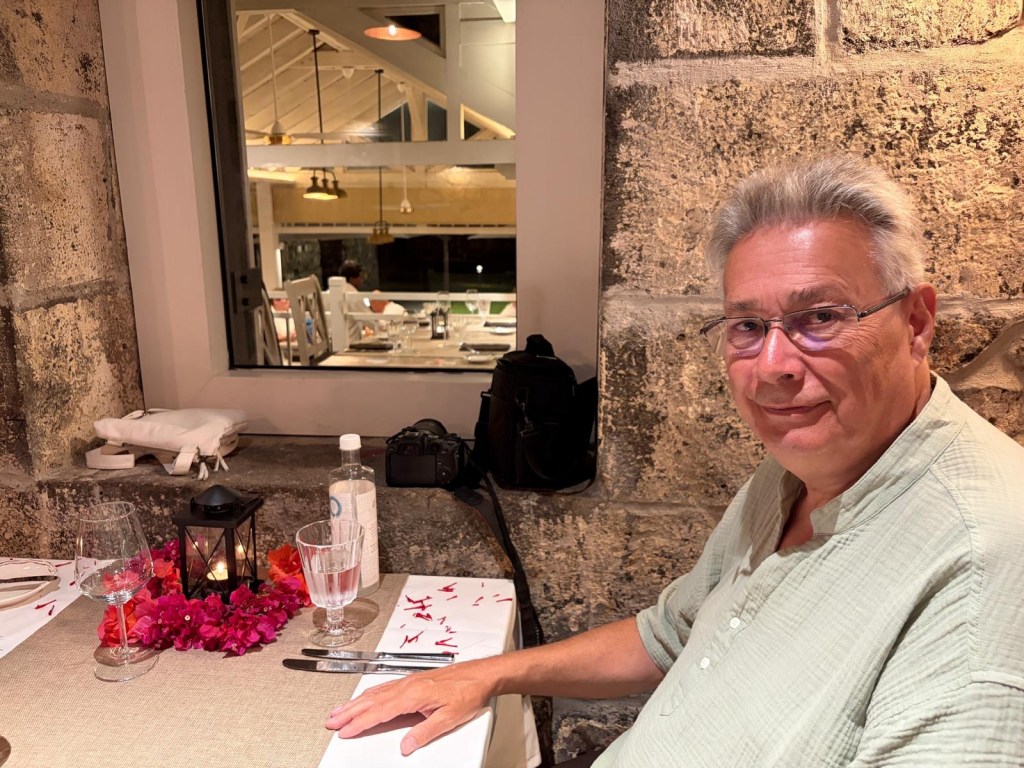
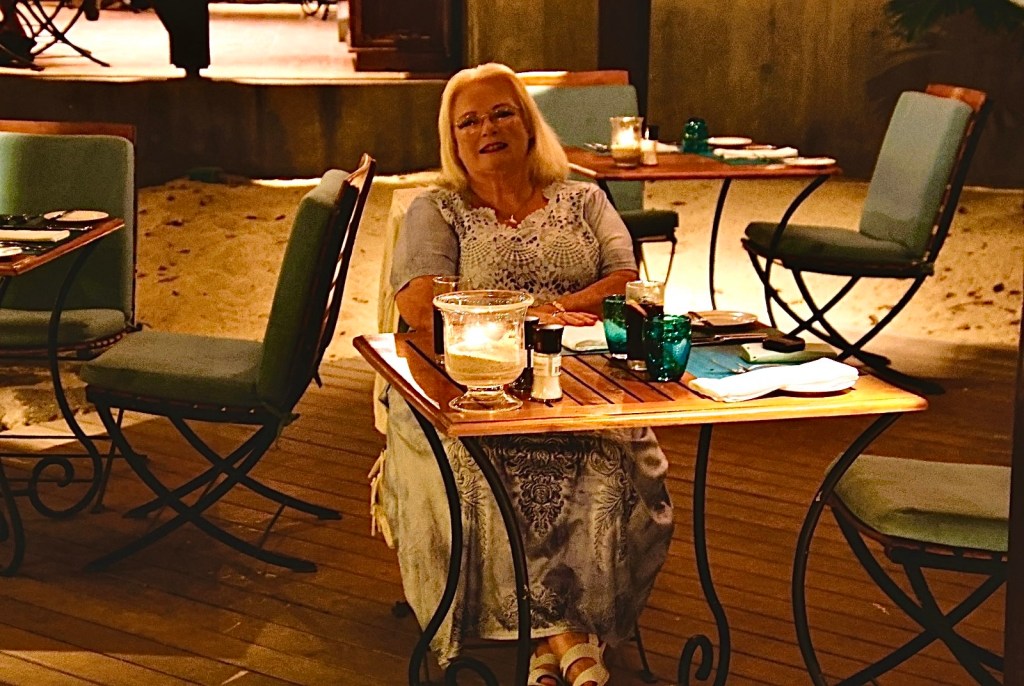
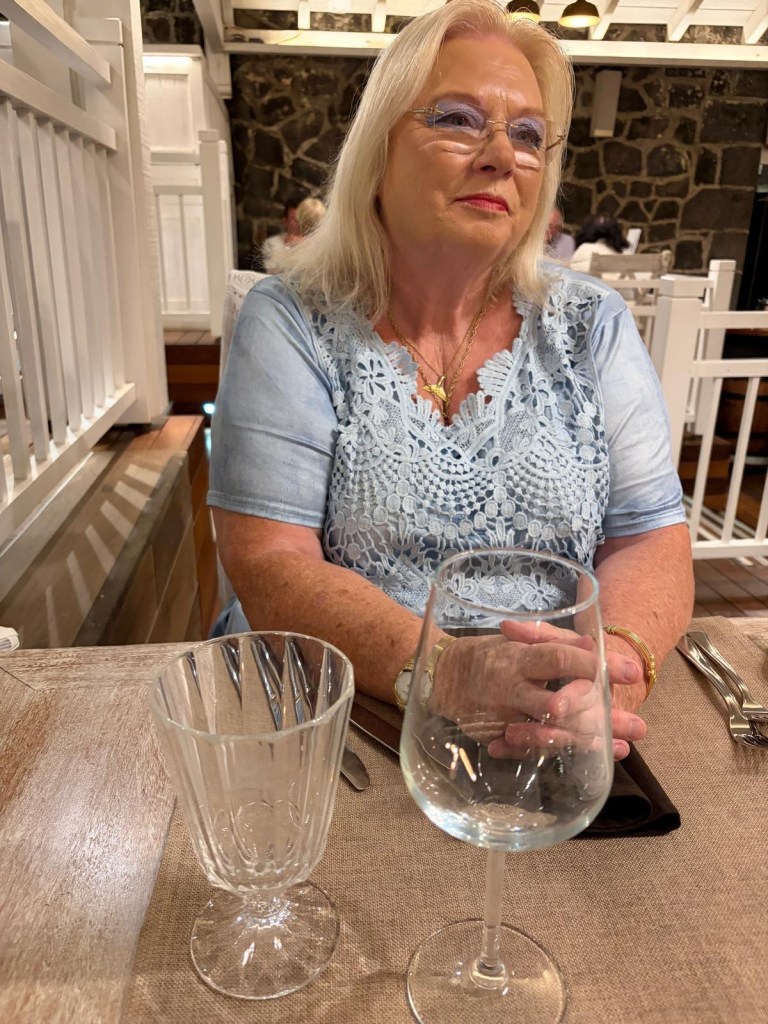
After savouring our mocktails Rhubesh took us to a beautifully dressed table ….
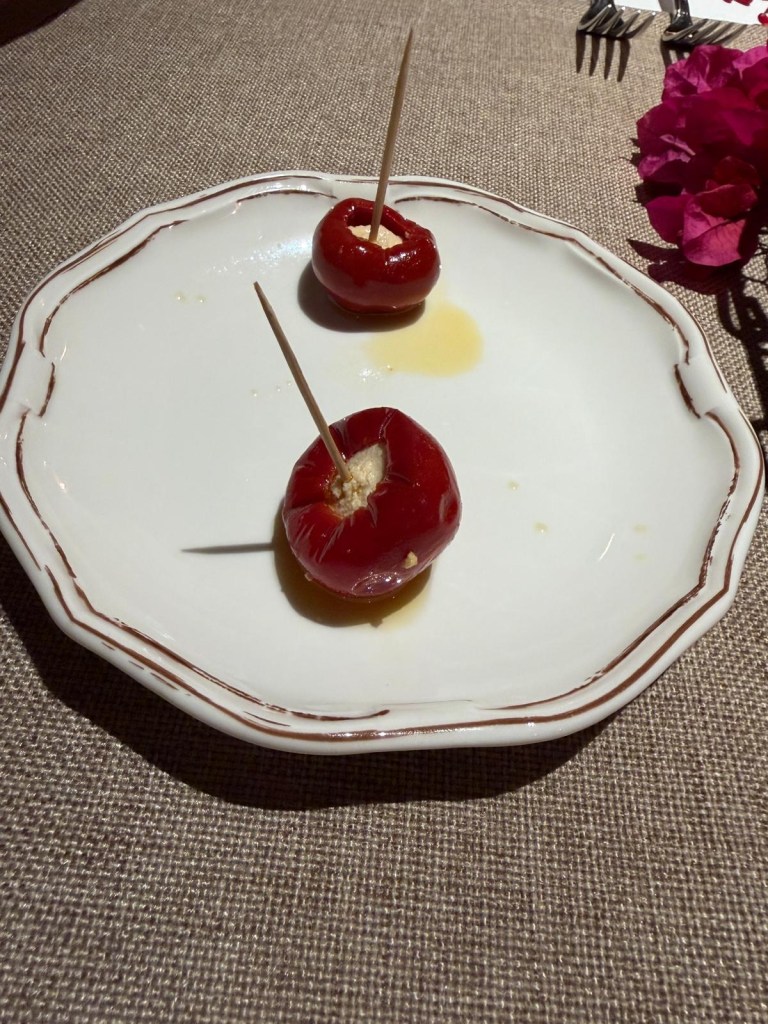
We both had the stuffed pepper amuse-bouche.
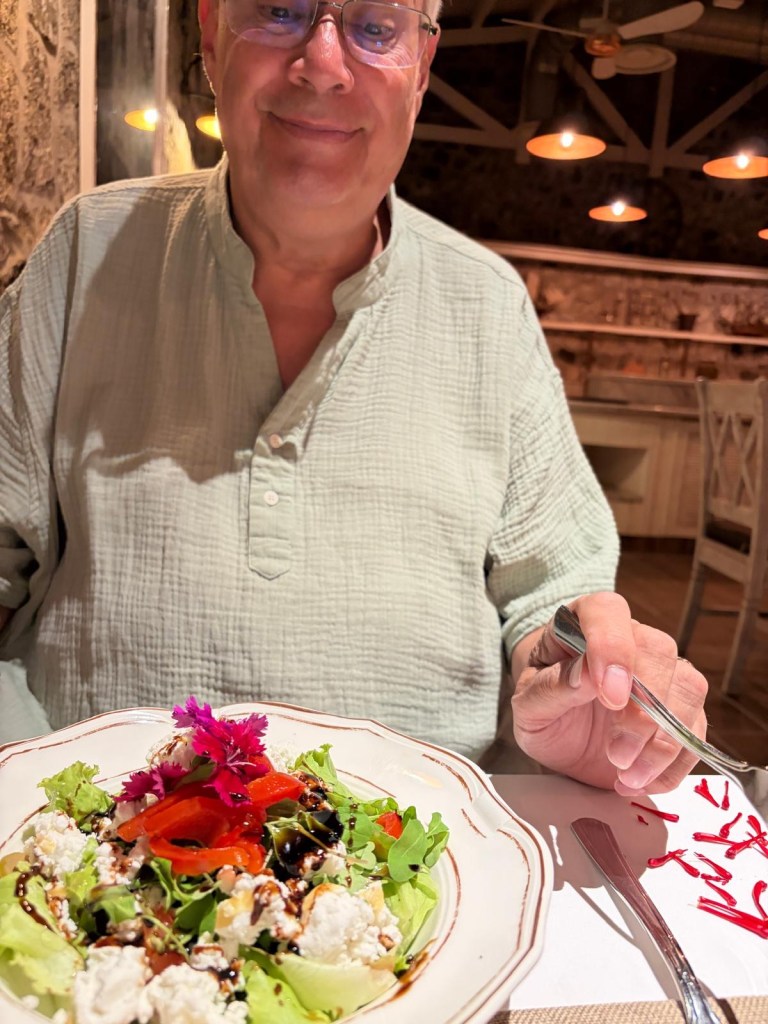
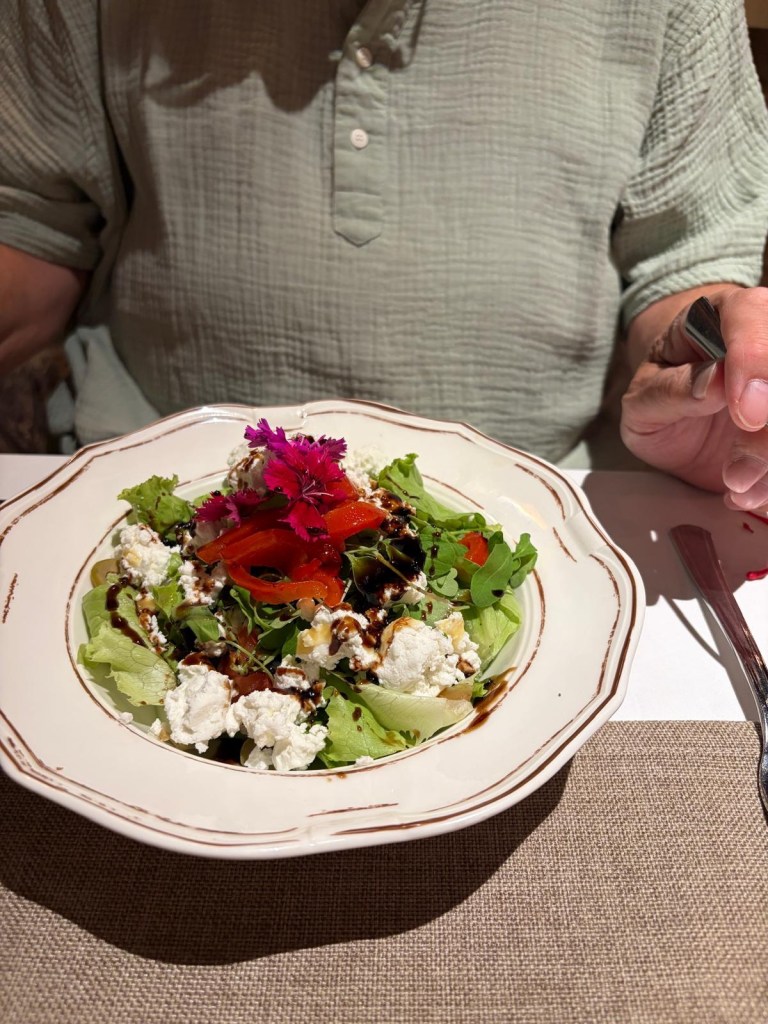
John selected a goats cheese salad to start with..
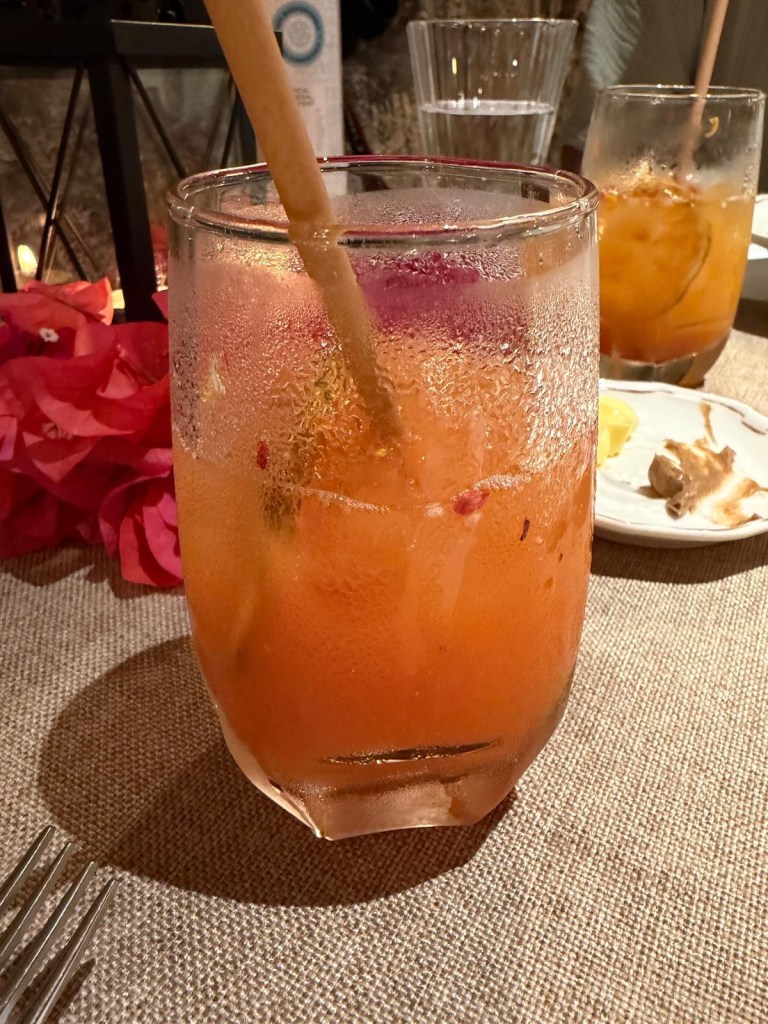
…and we both had Smile mocktails
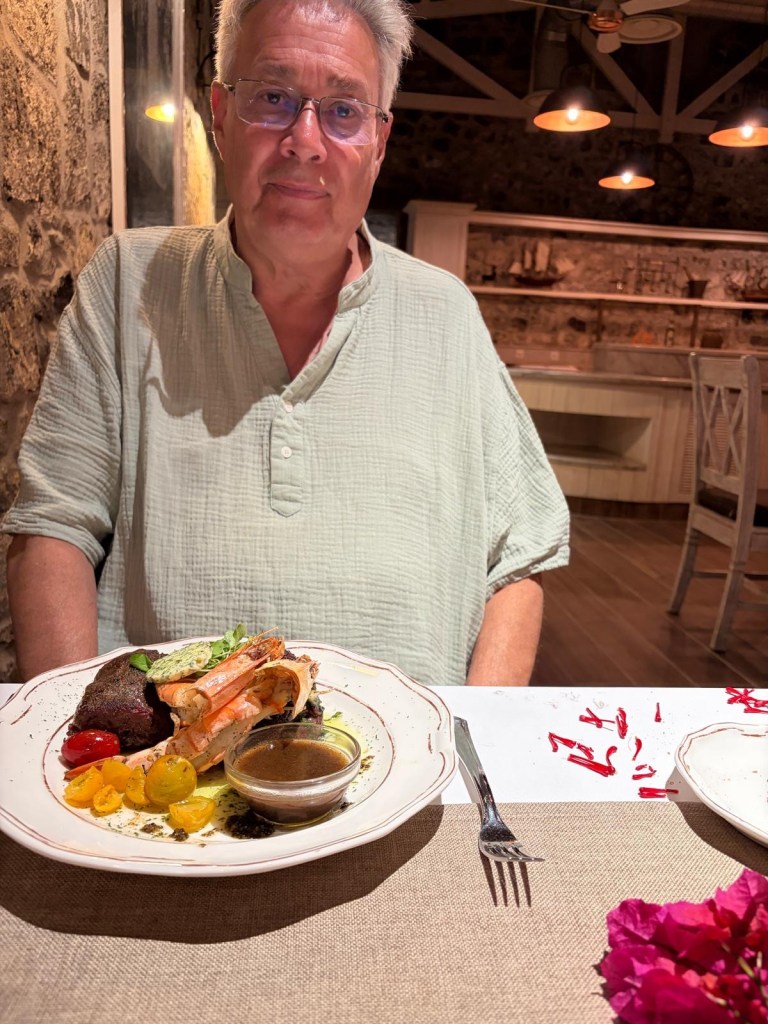
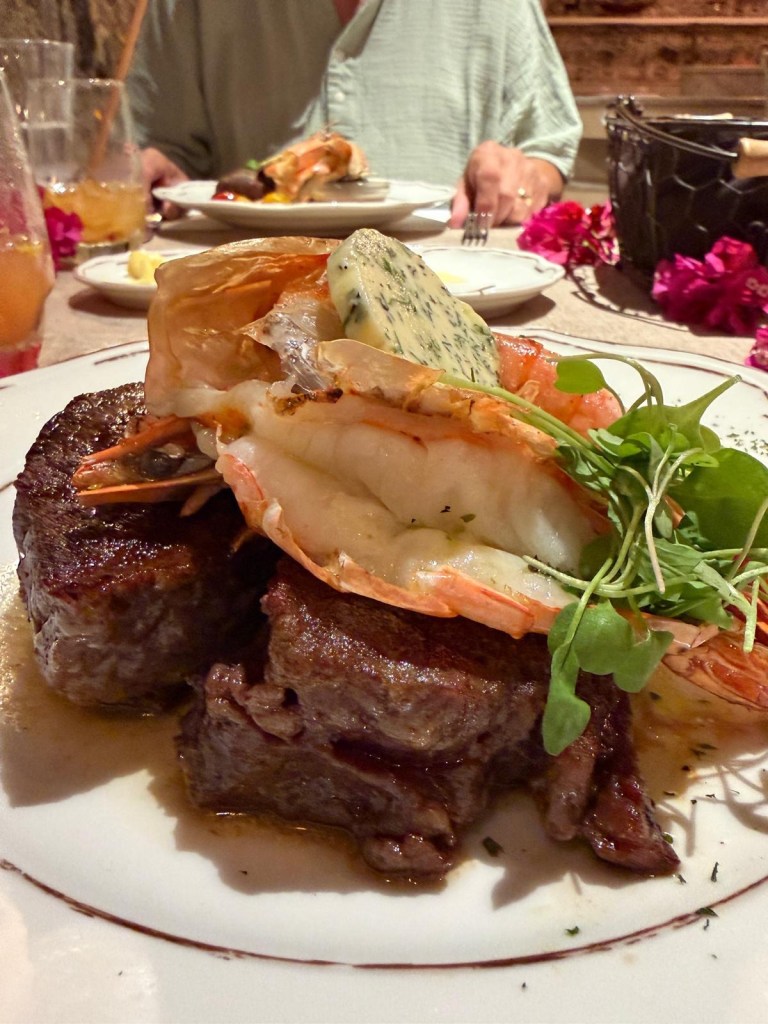
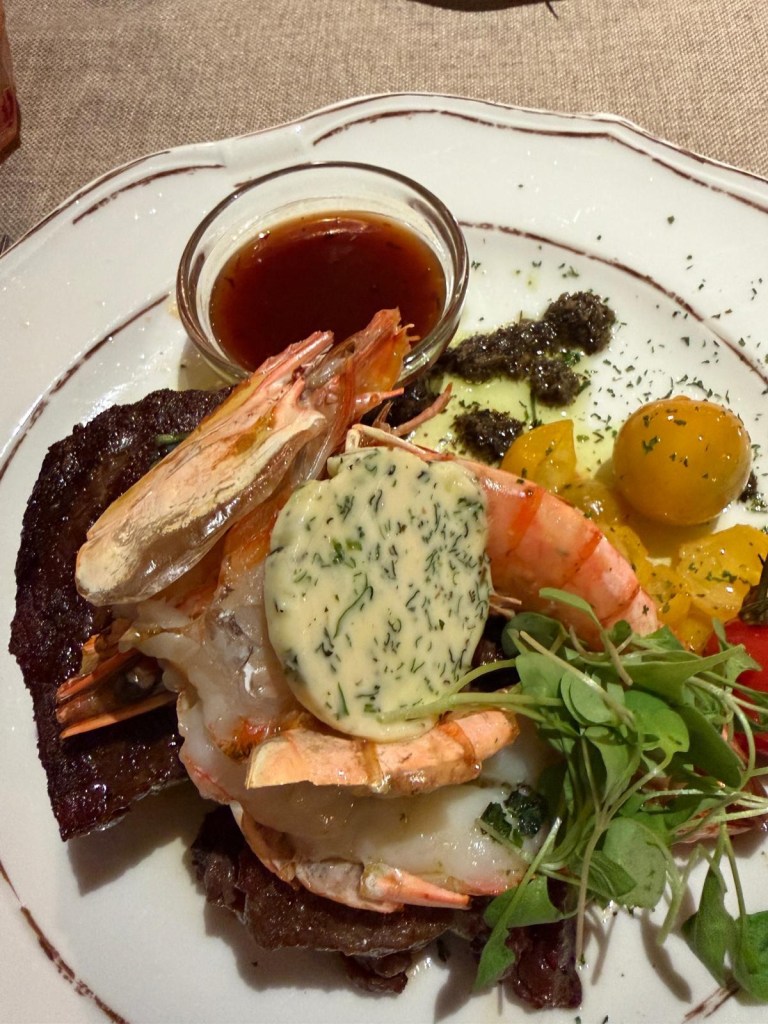
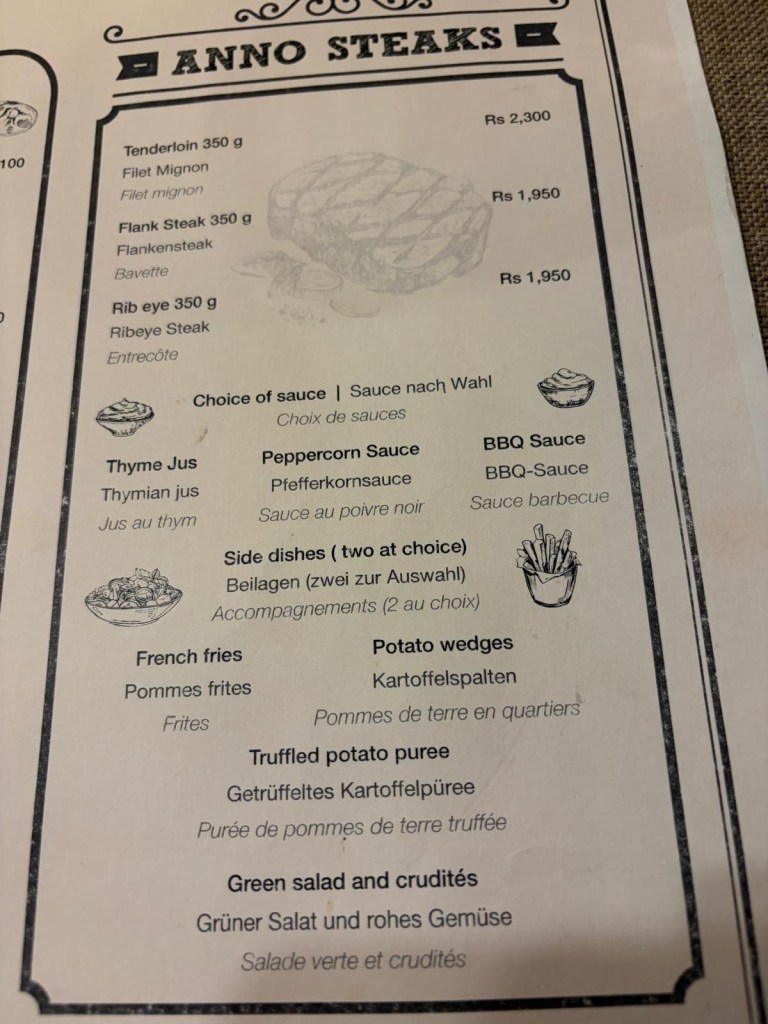
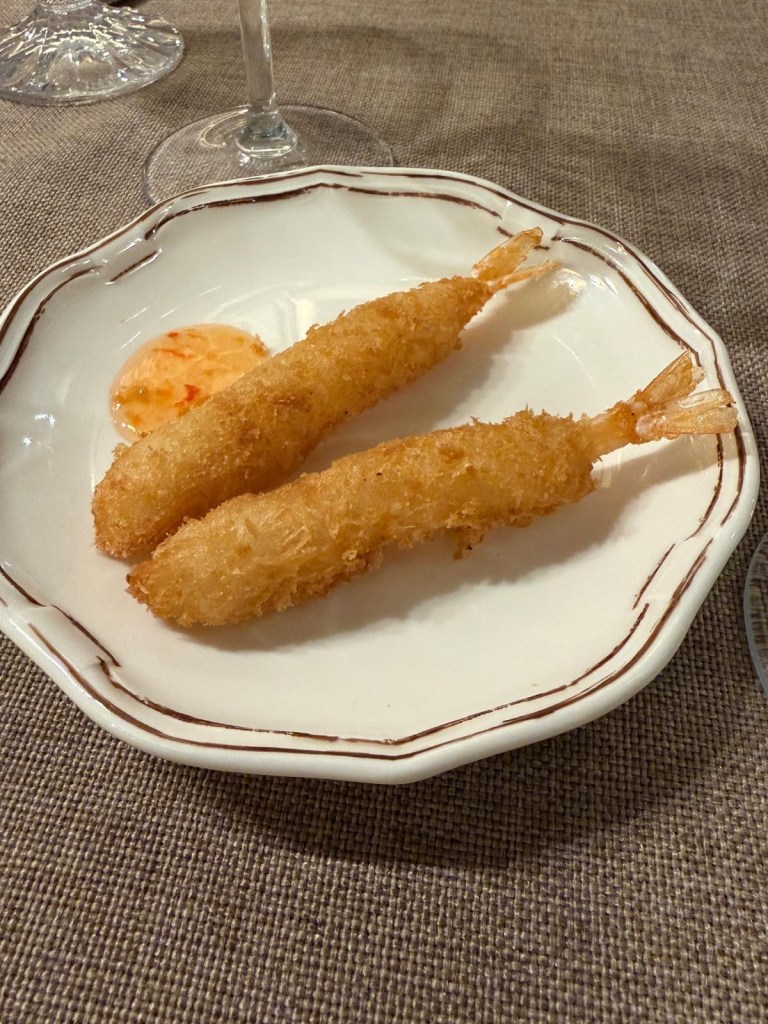
We had fillet steak for our main course and Rhubesh spoilt us, or perhaps it was Marday, the chef, because we had 2 king prawns on top of the steak….
It was absolutely delicious, I was embarrassed that I could only manage one piece of the fillet…it was again ginormous…Marday came to check it had been ok and I explained it was perfection on a plate but in England fillet steak is a treat and we are not used to 2 large pieces of fillet….he laughed and we learnt he had visited England and stayed with his cousin at Clapham Junction….
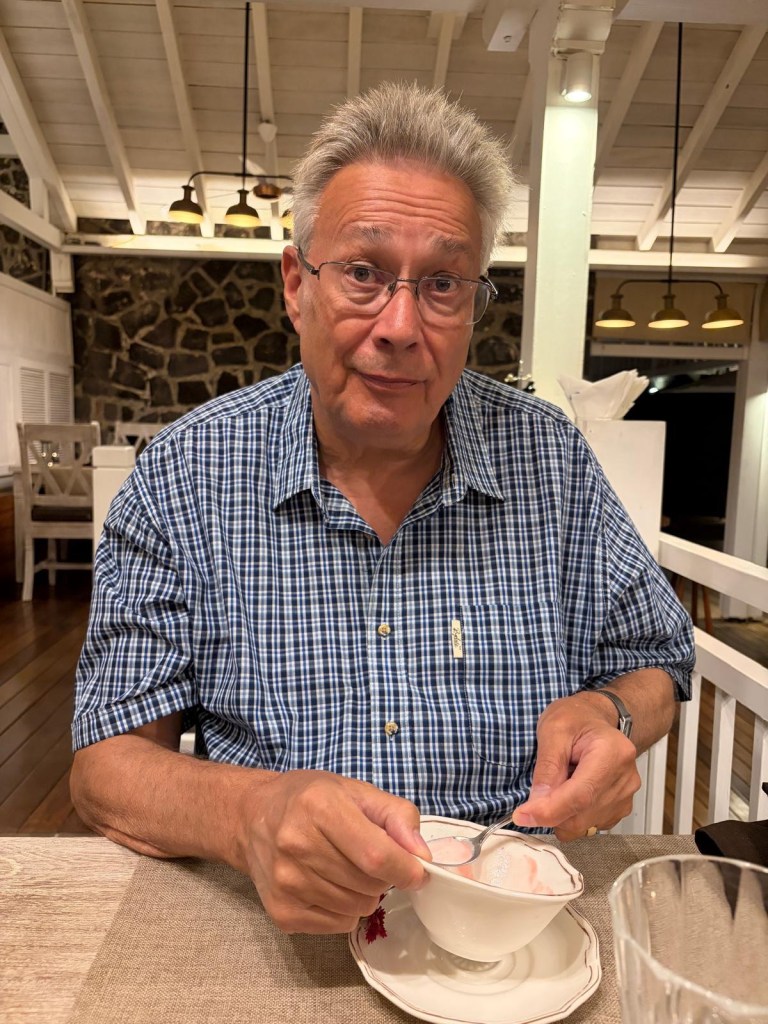
We ordered a dessert of ice cream…. The restaurant was fairly busy and both Rhubesh and Marday worked the floor, making certain everyone was happy with their meal, service, drinks etc…..
We paid our bill which was less than £25 more than our allowance and we bid Rhubesh a very fond farewell…..what a wonderful person he is…he made us feel like royalty. We wish him much success and happiness in the hospitality business he is so passionate about. He certainly enhanced our holiday, making it a very joyful experience.
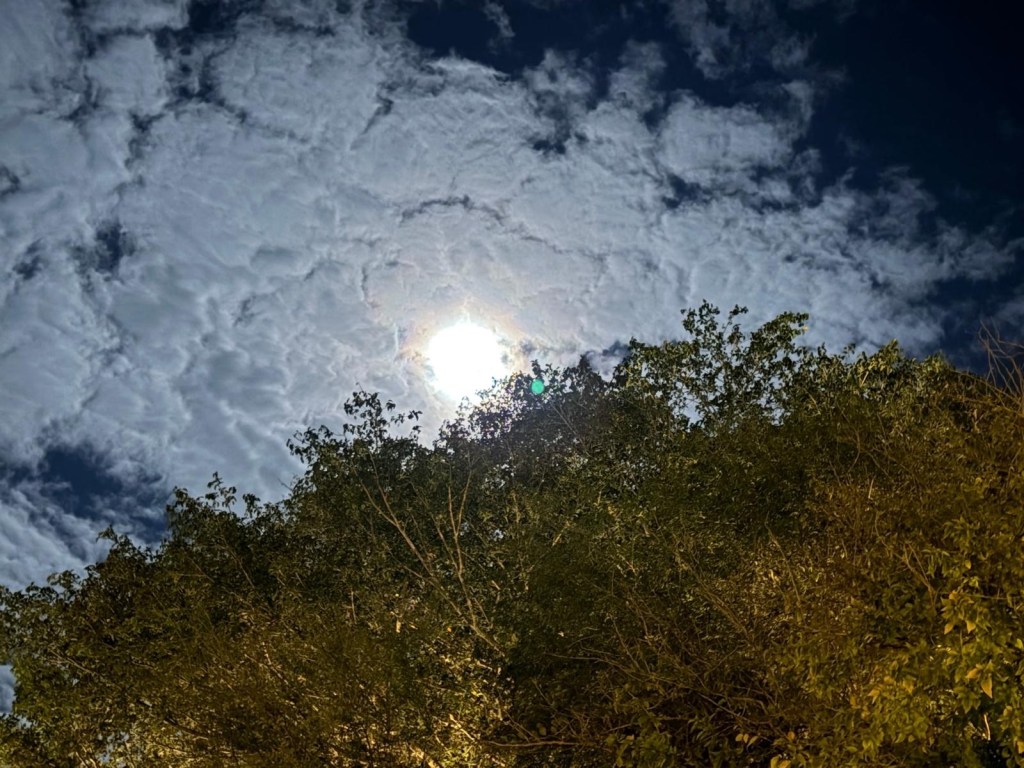
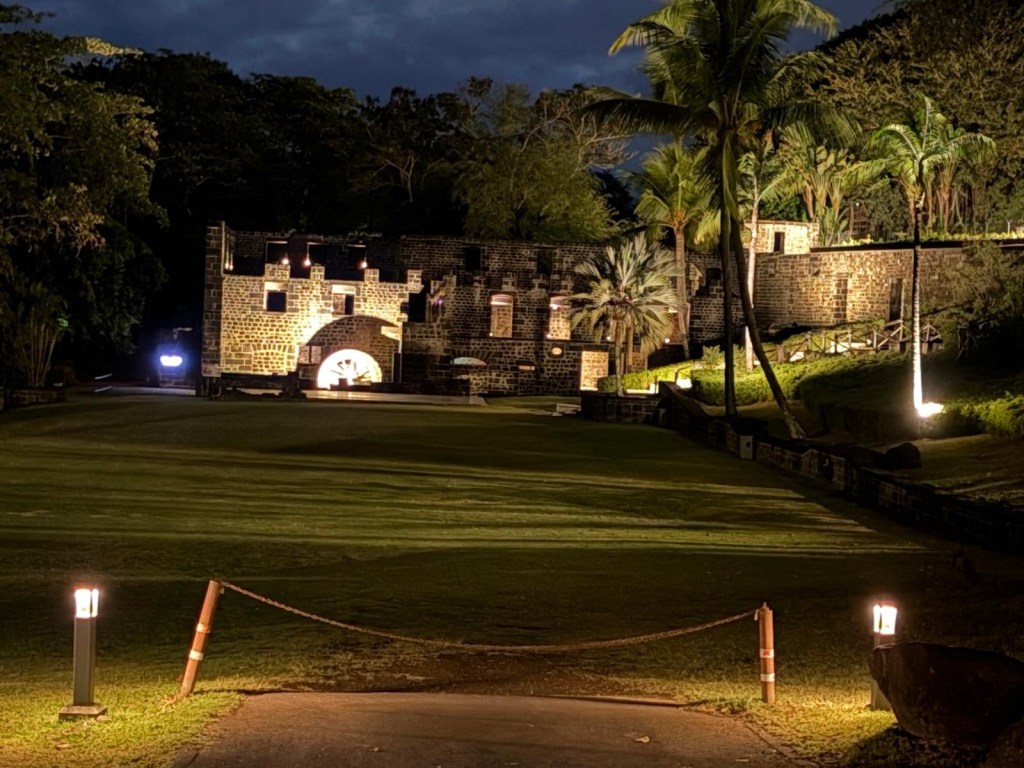
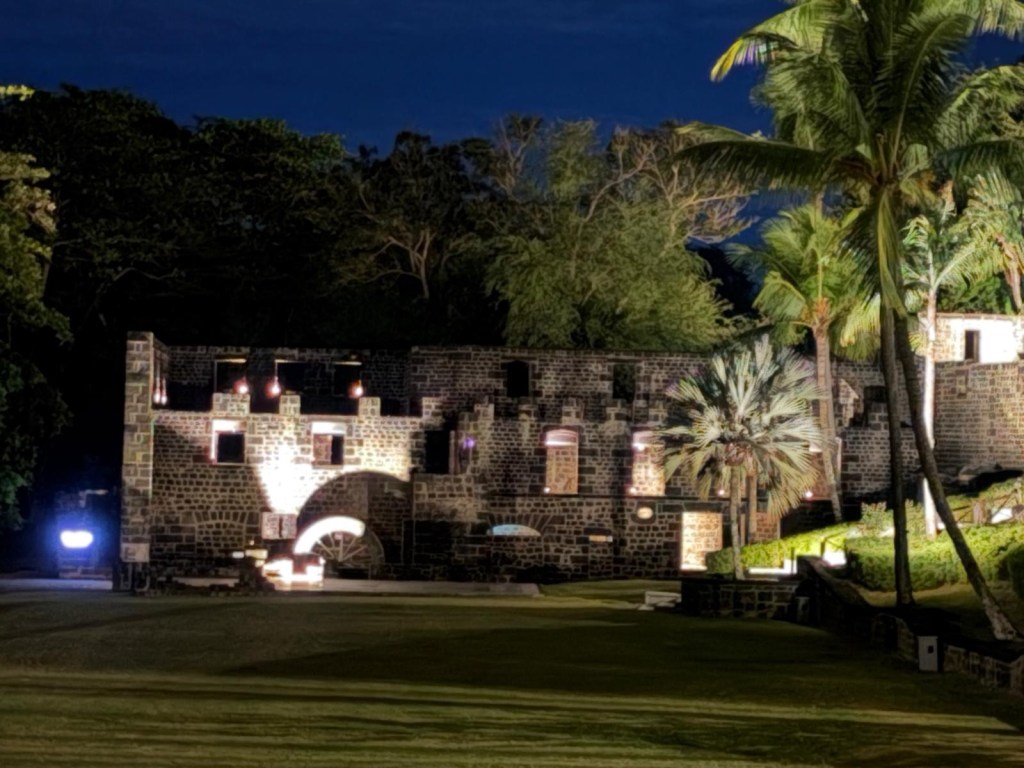
We waited outside for our buggy ride, the moon was bright and the old mill once again looked very atmospheric ..
A great end to our holiday…..tomorrow homeward bound,,
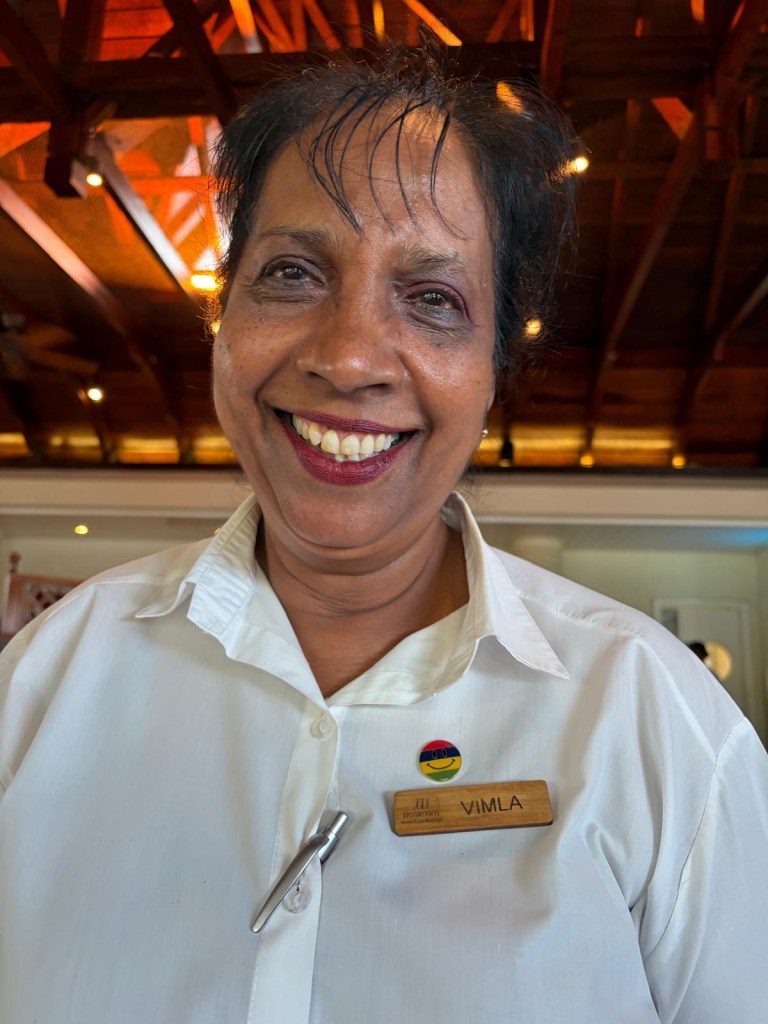
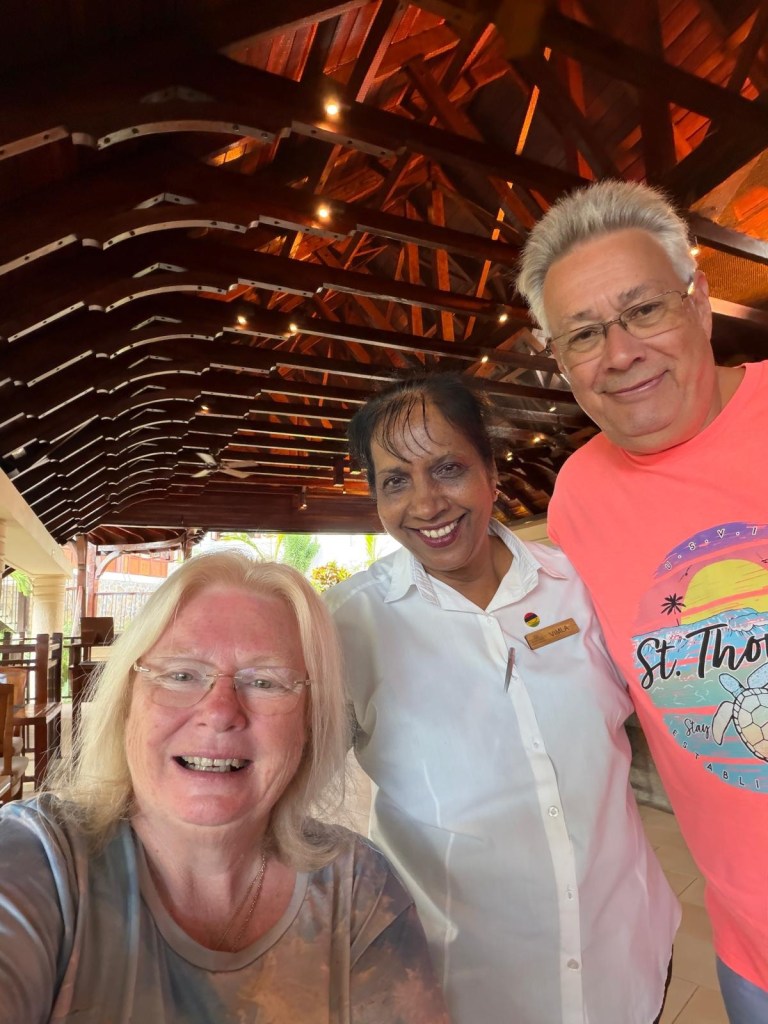
As usual we started the day with breakfast …our lovely lady, Vimla, was smiling as always..
….what an asset to the resort she is…it’s no wonder she has been here since its opening in 1990. The hotel is part of The Maritim Group which extends to hotels in 7 countries, including Albania, China, Egypt, Italy, Malta, Bulgaria and here in Mauritius….so we may have to give it ago in another country nearer to home or better still just come back here😀 The Maritim also has a travel agent so they can book your flight and accommodation together. It was built and is owned by The German Company The Maritim Group which has been in business since 1969.
Anyway I digress…Vimla sorted us out a nice table on the top level, so I didn’t have to climb down steps with a full plate.
After our usual breakfast we returned to our room to play a few hands of cards…I am afraid to say the lead I’ve had all holiday is greatly diminishing and I fear John may win the holiday challenge !!!
Quitting whilst I was still slightly in the lead we headed to the beach. Passing by Le Maree we thanked the Manager once again for the lovely meal. We get the feeling that it is extremely rare that the food falls below its usually exquisite standard…the Exective Chef had once again stopped me at breakfast and apologised and I had said there was no need they had gone far beyond our wildest expectations to make the matter right.
Finding a couple of loungers, we settled down for the day…catching sight of a fruit bat in a nearby tree…
We had a lovely swim, the water was a little more turbulent than the usual mill pond calm…and there were actually a few tiny waves and a little bit of seaweed…but still idealistic…
Some 4 hours or so later we made our way back to our room, snacked on cashew nuts and had a rest…after all swimming in the sea, people watching and snoozing on a lounger can be exhausting !!!
John went out to take some sunset shots….
We got ready to go to Anno for supper arriving in reception we waited only a couple of minutes for the buggy to come and collect us and whisk us off to the the restaurant…..it was a young Lewis Hamilton driving so we hung on for dear life !!
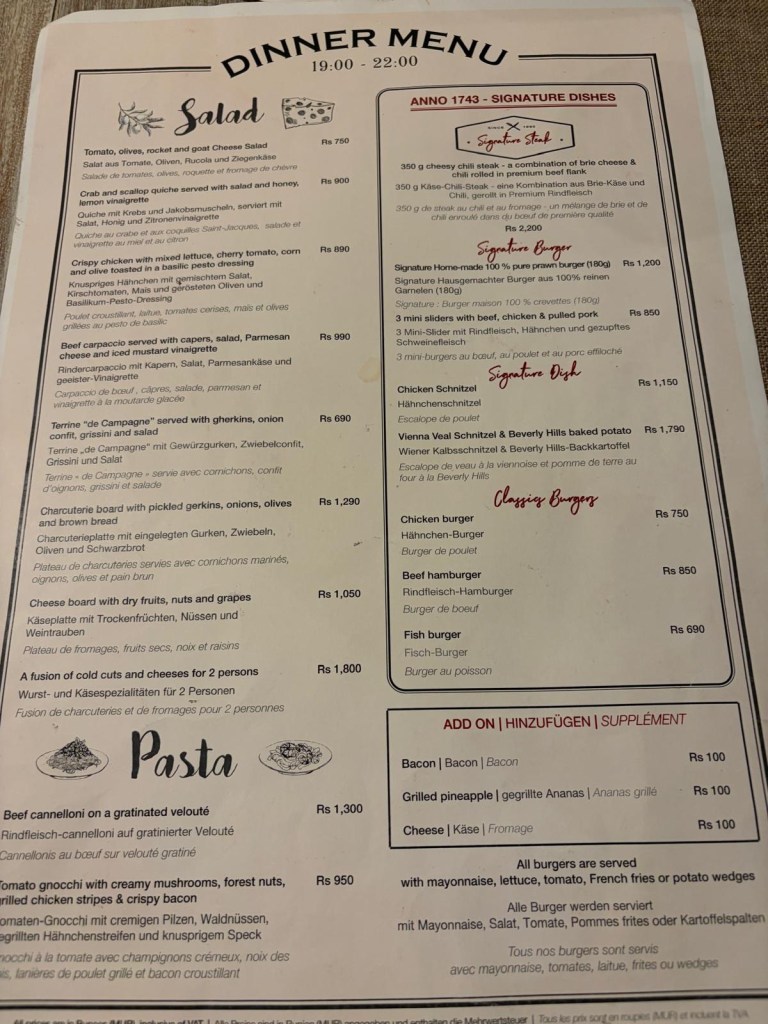
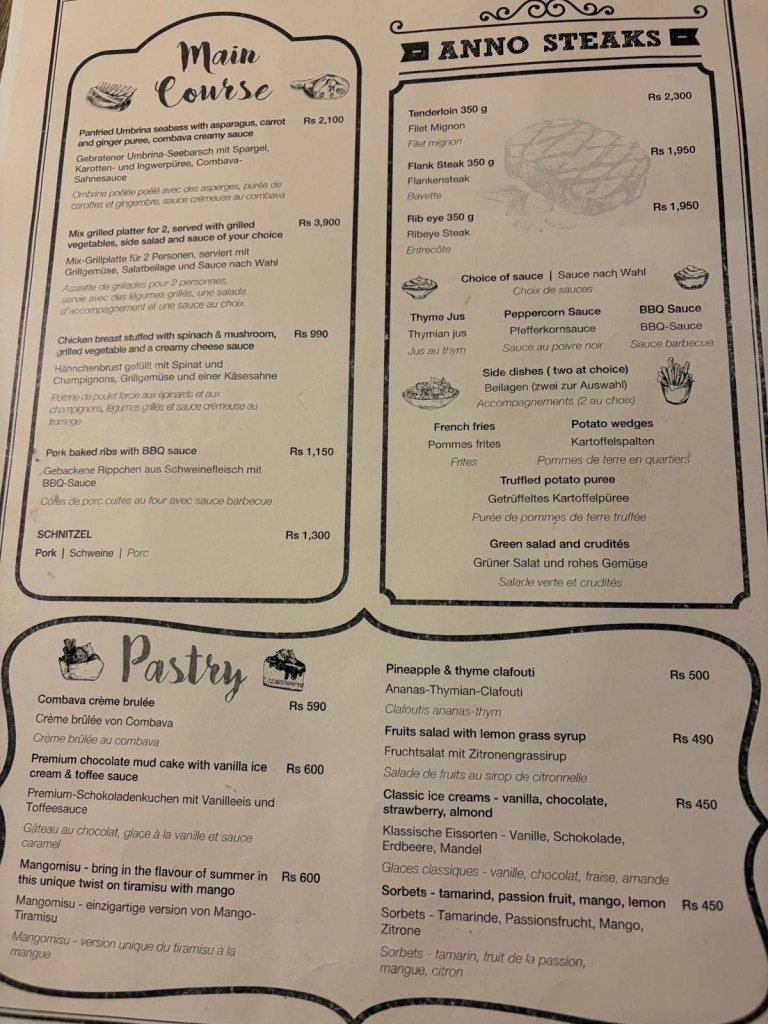
We were greeted by Rhubesh at the door of Anno. Selecting to sit outside again we perused the menu…
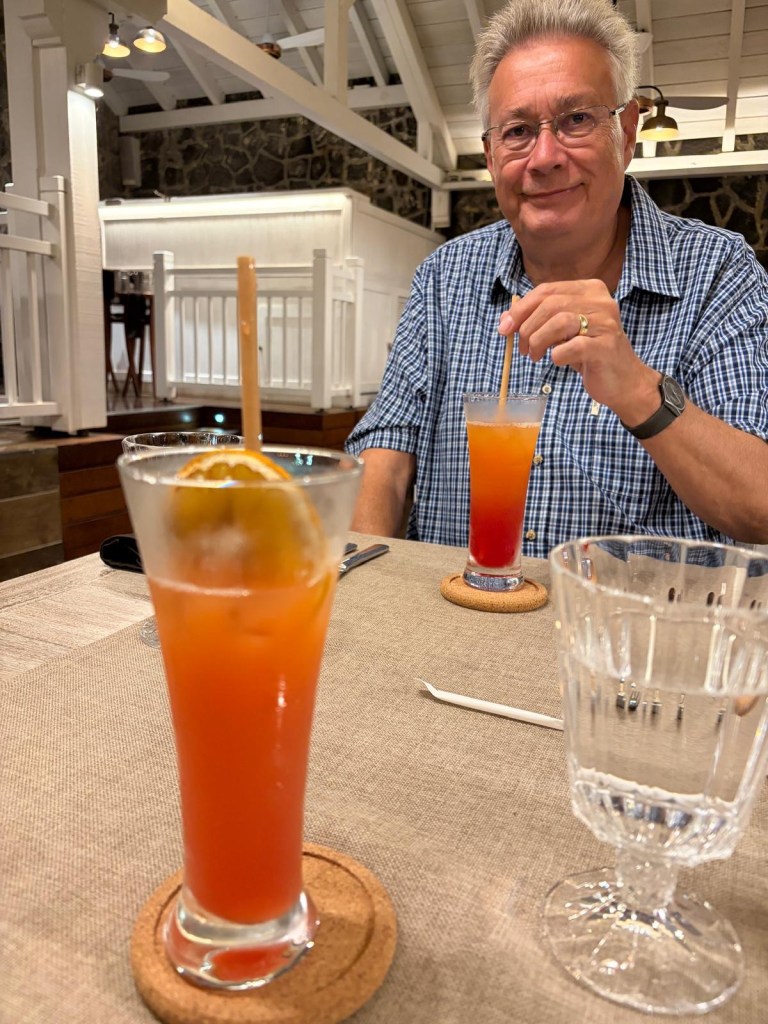
We decided to try a couple of fruit mocktails to start with…we went for “Smilies” …and they did make us smile
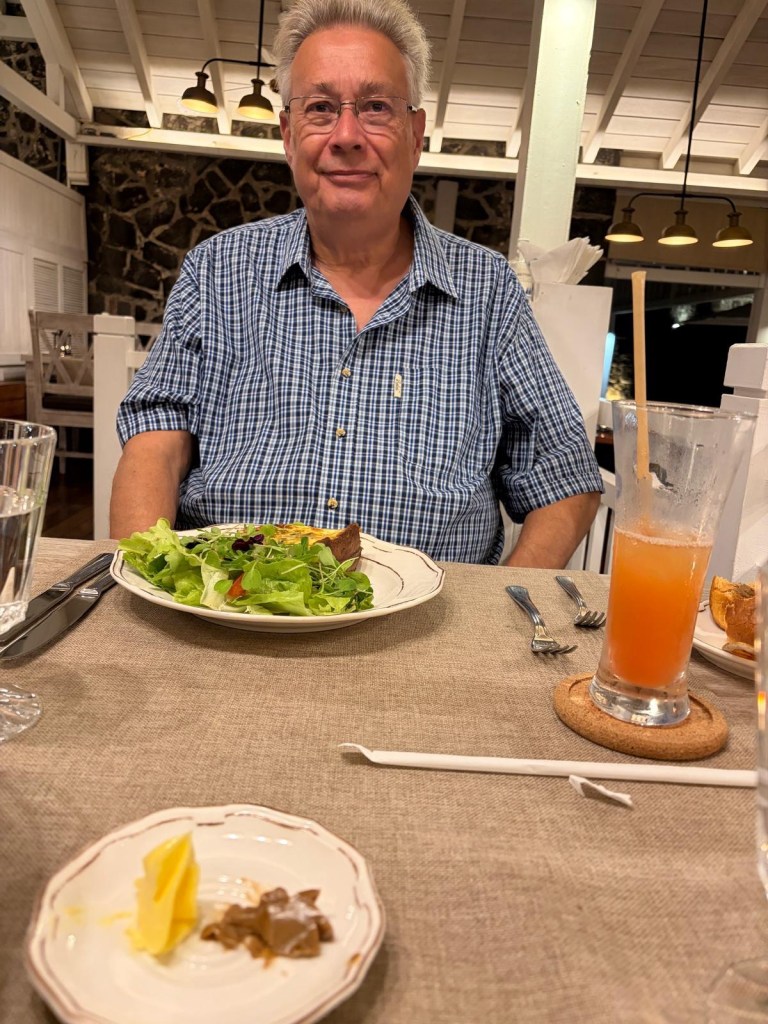
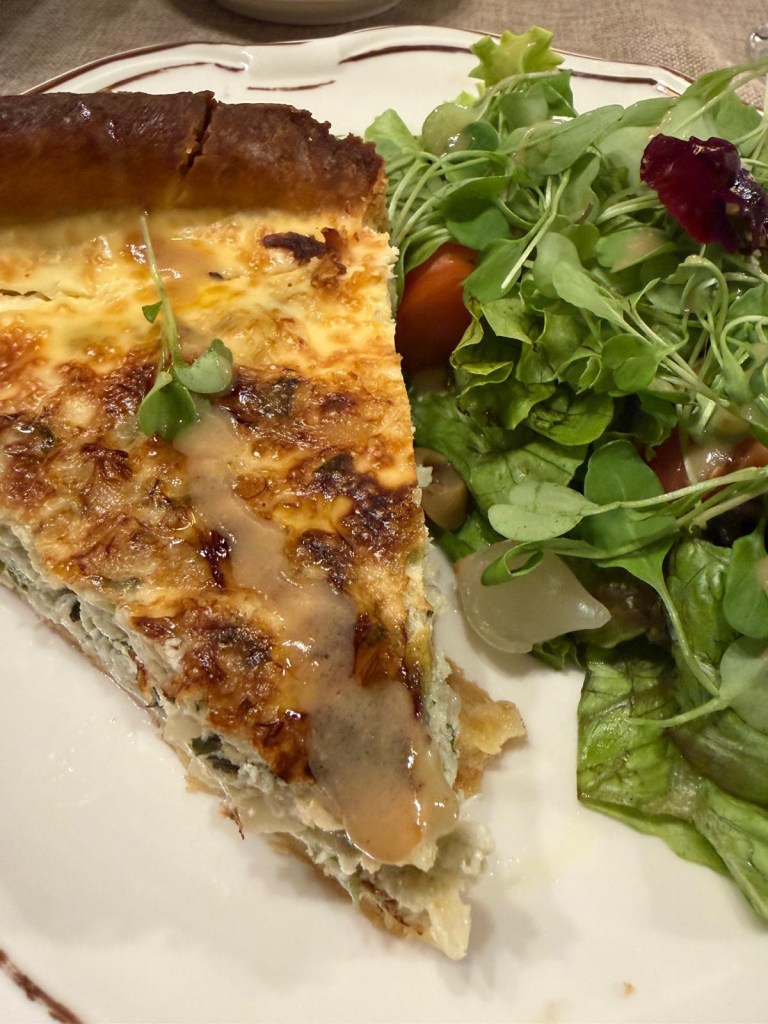
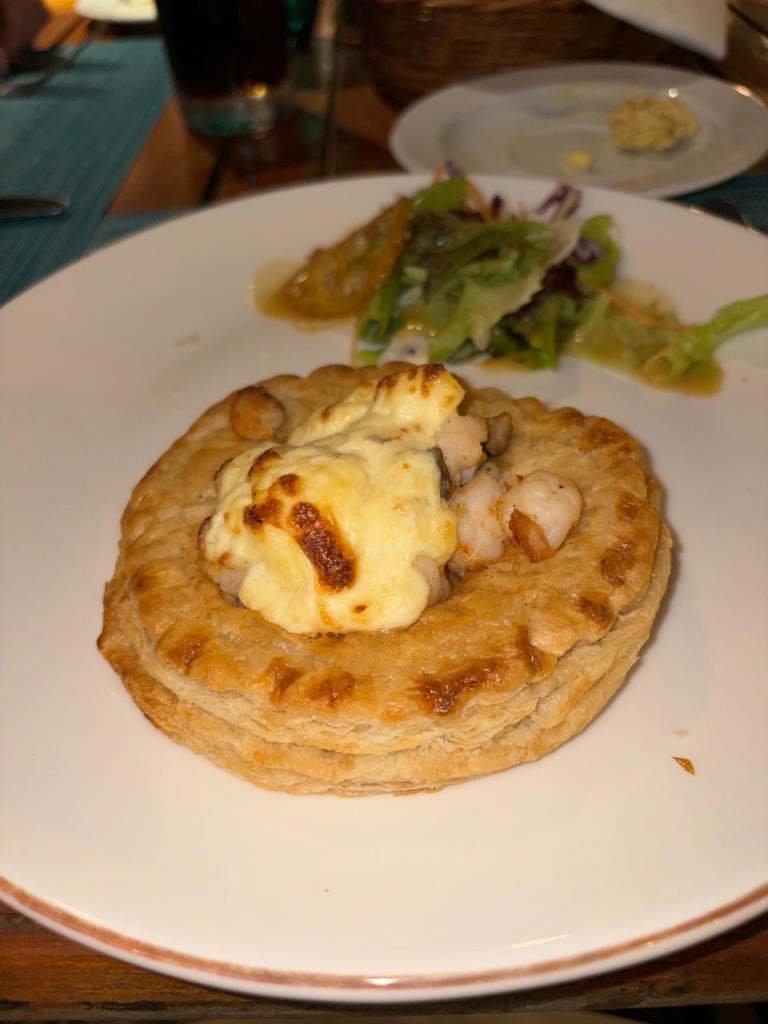
We both chose crab and scallop quiche with salad to start…
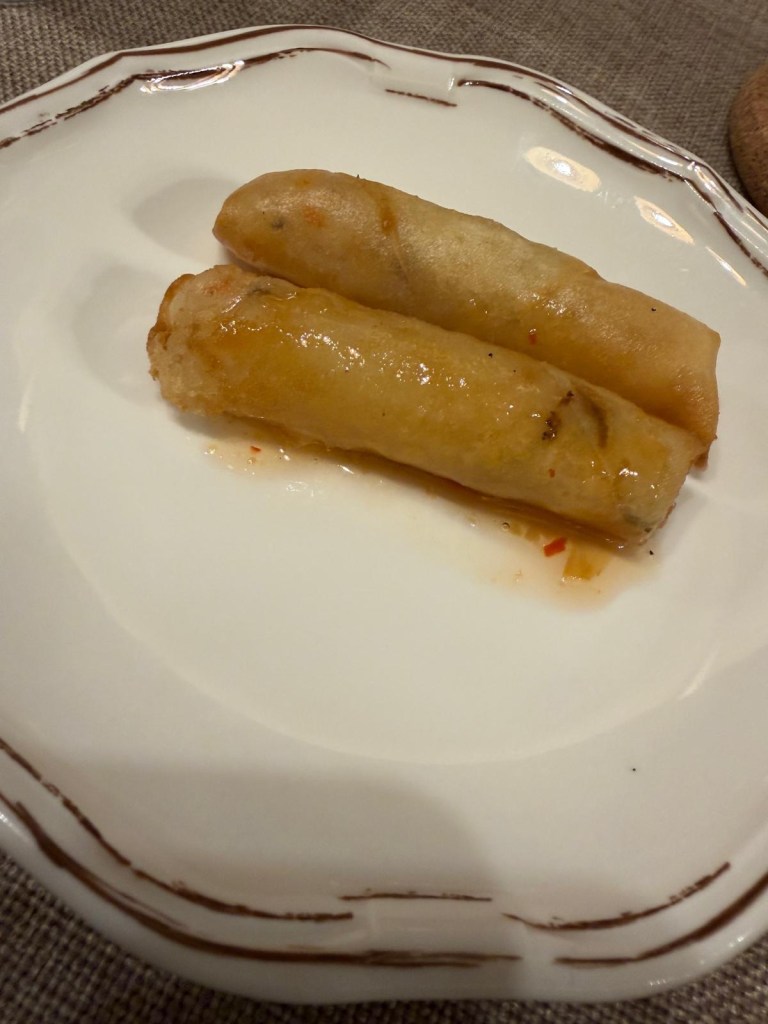
The Amuse-bouche was a vegetable spring roll
Then came the quiche, it was a full meal in its self …
Very yummy stuffed full of crab and scallops….but so big I couldn’t finish it…John made a gallant effort and cleared his plate…
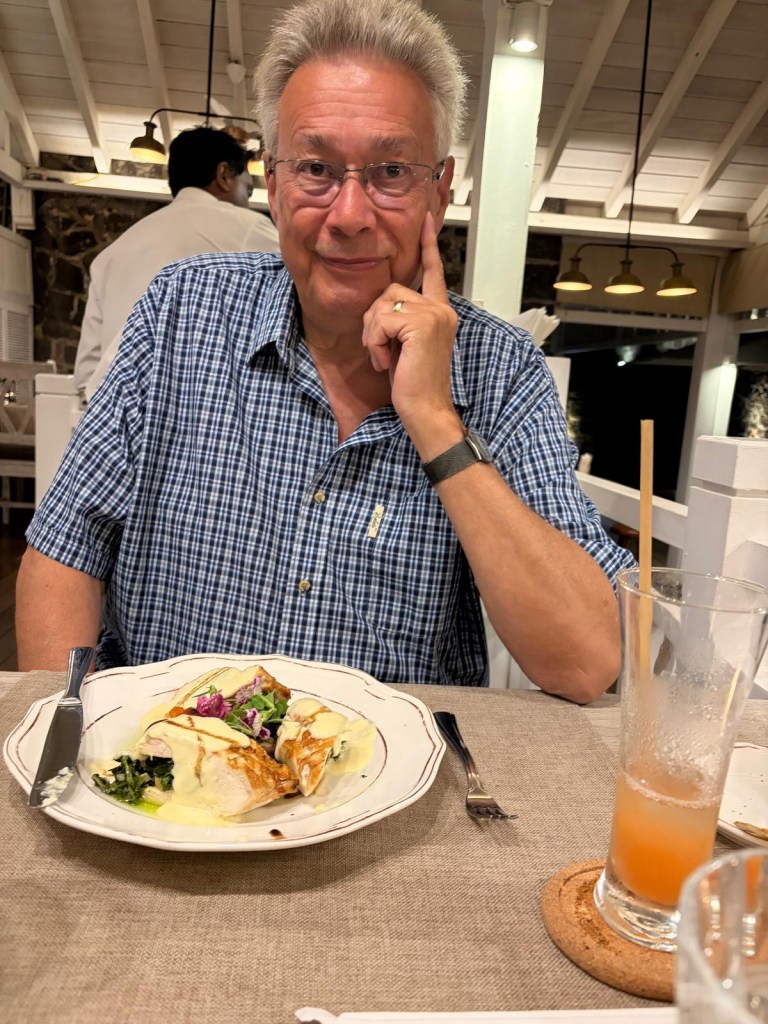
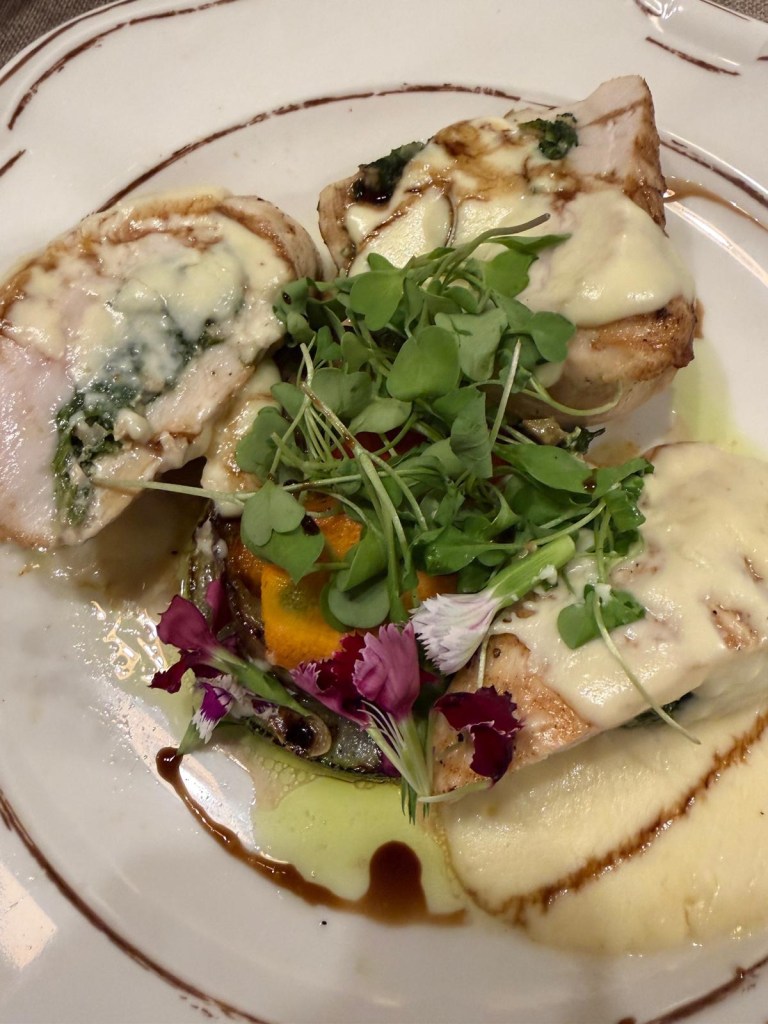
Our main courses were chicken breast stuffed with spinach in a cheesy sauce with a roasted cutlet of aubergine and courgette, plus salad….Wow I sware if that breast came from one chicken it must have been the size of an ostrich!! It was deliciously moist and flavoursome cooked to perfection….only trouble was I couldn’t get anywhere near finishing it and John tried his hardest but stopped in fear of bursting !!! A Mitchelin starred restaurant in the UK would be proud of the food Marday, the chef produces ….it is fine dining at its best…
Very yummy indeed …we rounded off with some ice cream…as usual I forgot to photograph it until John had nearly finished his…
Rhubesh came by and we had a chat about his superb restaurant. The waiters are all so well trained the food is brought to the table hot and in a timely manner …what a splendid duo he and Marday make …they are the heart of Anno…Thank you once again for a wonderful evening.
A buggy was called for us and we waited a few minutes for it to arrive and take us back to our room…
What a lovely day we had had…..good relaxation, excellent food…life is very good to us…we feel very blessed to lead the life we do…..
We both slept well, something to do with bellies full of exquisite beef fillet!! Yes we like the good life ! So we rose early had breakfast …the breakfast floor manager out by the tables seemed to be telling his most diligent member of staff off….she is a lovely lady….so we called him over and said how wonderful she was and how she made everyone so happy with her smile and her attention to detail…and that we hoped he valued her…he said she had been there for 35 years and they had had a celebration in her honour to commemorate her long service… we said he was very lucky to have such a diligent member of staff…she beamed and thanked us for the compliment. We didn’t add that as yet we hadn’t seen him lift a plate or serve a customer infact we had only seen him bark orders at people….we hope our comment inspired him to lead by example…he is in fact the only member of staff we have come across in the whole complex who acts like dealing with a guest is beneath him….I guess he stands out because everyone else is so very nice, kind and helpful.
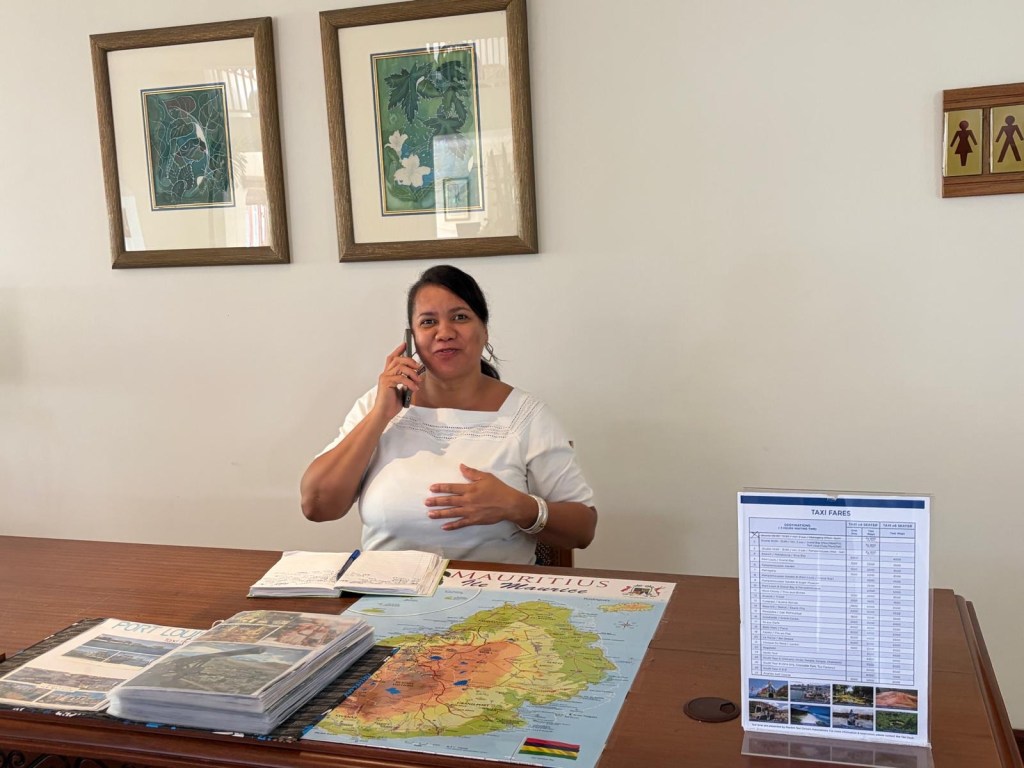
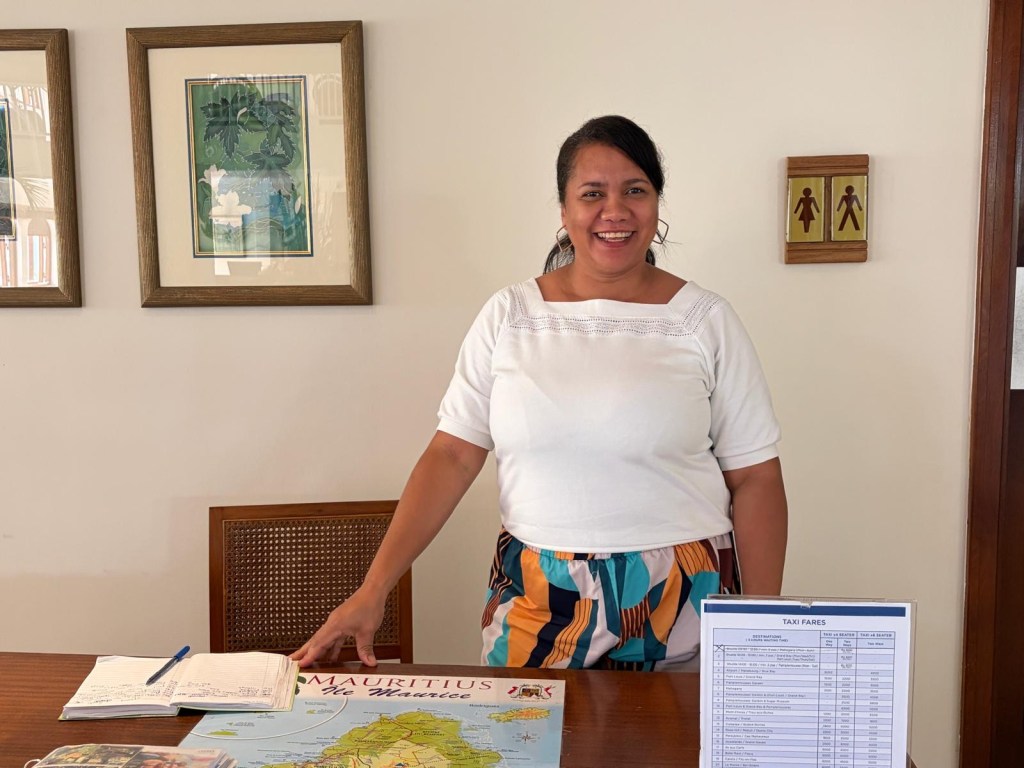
So after breakfast we waddled because that’s what you do after a 3 course breakfast, up to reception…. We waited a few minutes to speak with Melanie – the lovely lady who arranges taxis.
We asked her to kindly call the Pamplemousse Botanical Gardens and book a buggy for us ( you have to book it on the morning of the day you want to go). She booked it for 11am and then phoned Sachin to ask him to pick us up at 10.30. – We had already WhatsApp Sachin the evening before to ask him if he had 3 hours availability some time over the Thursday or Friday. He had replied that he was free between 10am and 4 pm…. So we knew he would agree…he is the lovely taxi driver who took us to Mon Choisy for the Hindu Festival the previous week….he works for Maritim Taxis where as Irfaan works for Hello Islands and the two companies don’t cross mix/share drivers – that is why we hadn’t had Sachin for our excursions or Irfaan for our taxi rides..
Sachin was as always prompt and happy…..off we went to the gardens..we asked him to come with us but he was hesitant and finally said it would cost us money…we said no problem it was our treat because we wanted to enjoy the experience with him….so he agreed.
The tickets into the gardens are MUR 300 for tourists – around £5 each and MUR 25 for locals -about 40pence!!!! The buggy was MUR300- £5 per person. Tickets bought we were soon on our buggy- Raja introduced himself to us …what a cheery, knowledgable character he was…full of fun…his first question was “ Did we know Mauritius had won the football World cup?” We looked slightly bemused by this so he continued to tell us that Mauritius had been under British Rule in 1966 when they won the World cup so that means Mauritius also won it……Mauritius only gained its independence 1968….. we howled with laughter and that set the scene for the next hour….
Raja had 20 years of experience in the gardens and his knowledge was second to none as were his very many numerous anecdotes …. Off we went..Raja gave us a running commentary of everything we saw….. The gardens were started in 1770 by Pierre Poivre ( Peter Pepper) a French botanist, naturalist and horticulturalist who was the Governor at the time.
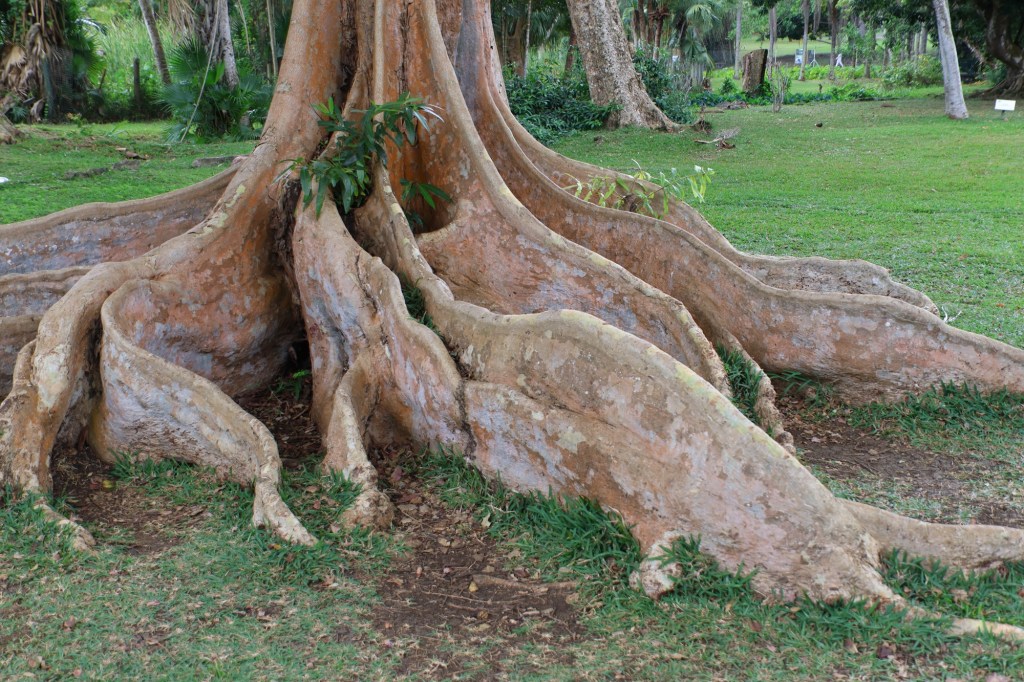
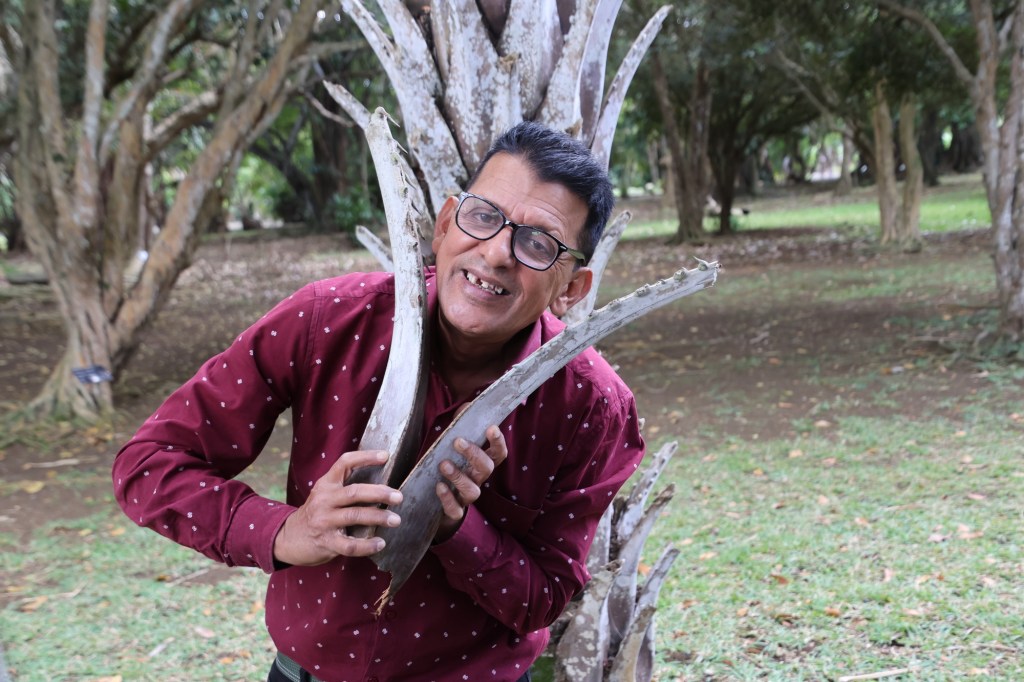
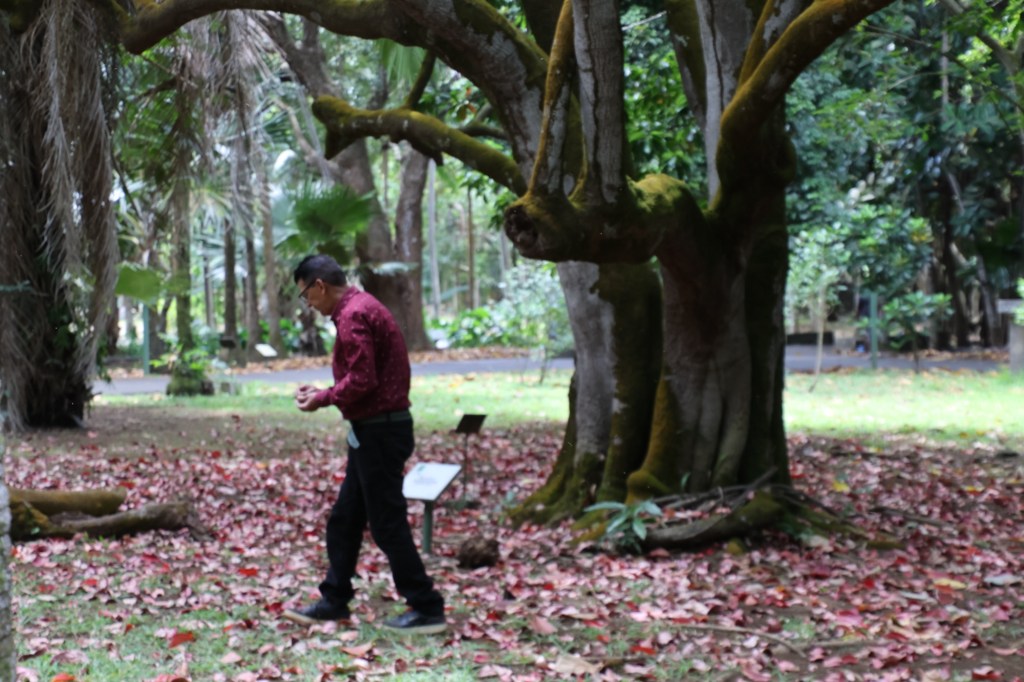
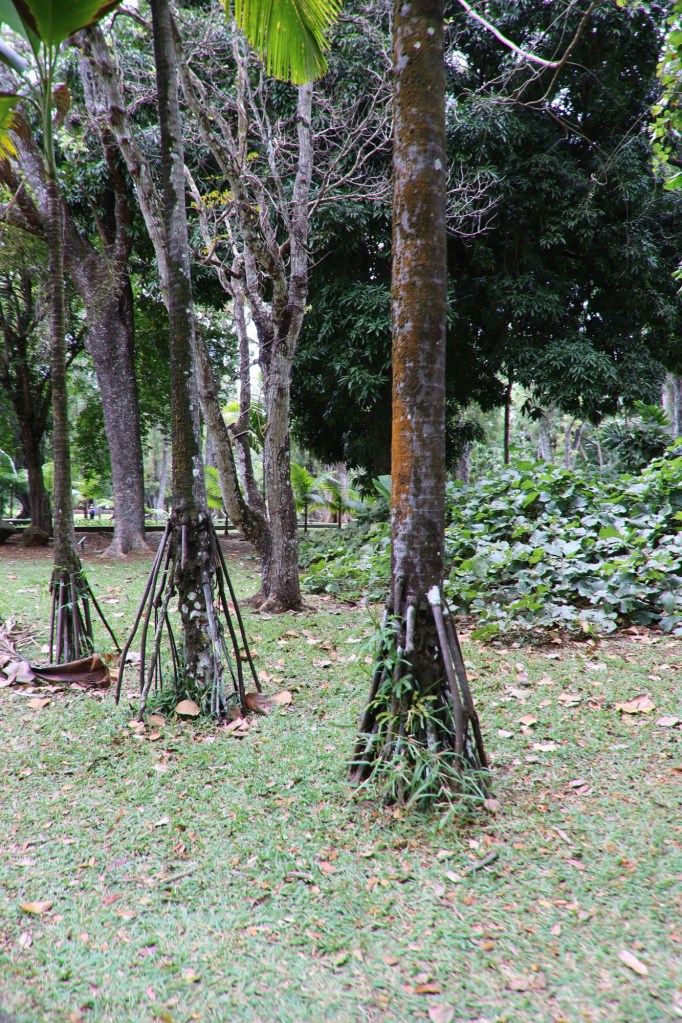
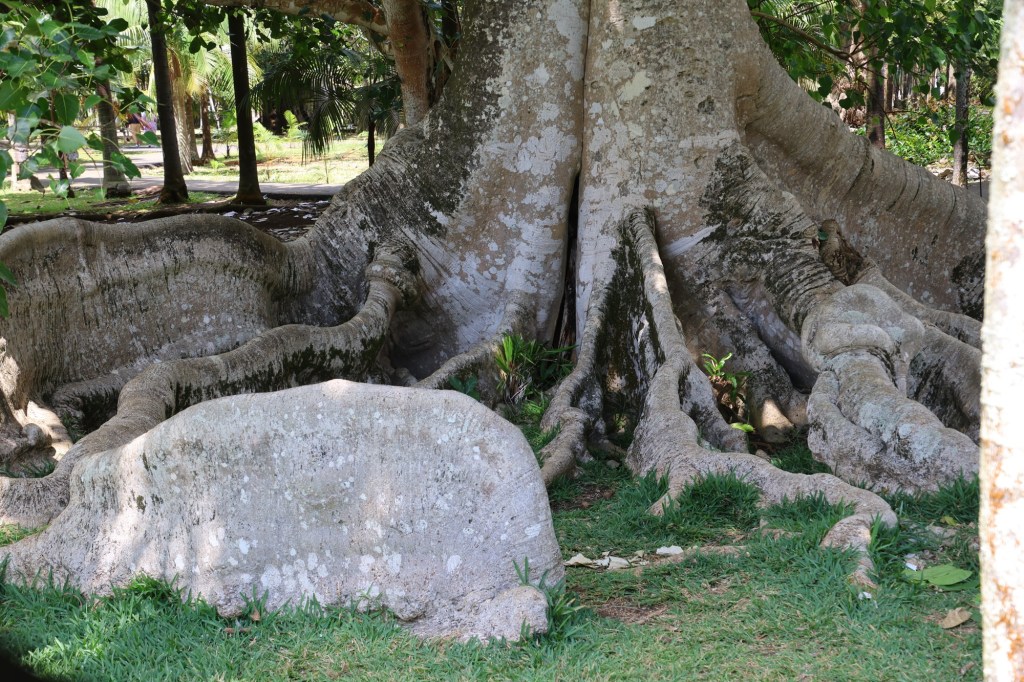
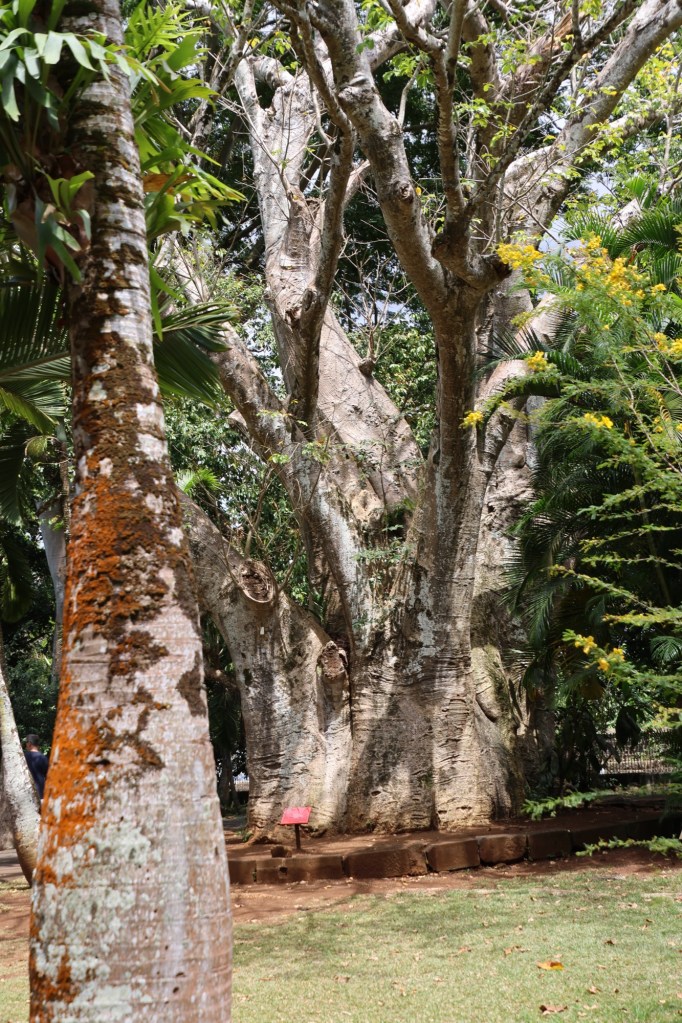
Raja talked to us about all the plants and trees giving us its proper botanical name and his ‘pet’ name for everything….like the furniture tree because its roots stood out like a sofa!
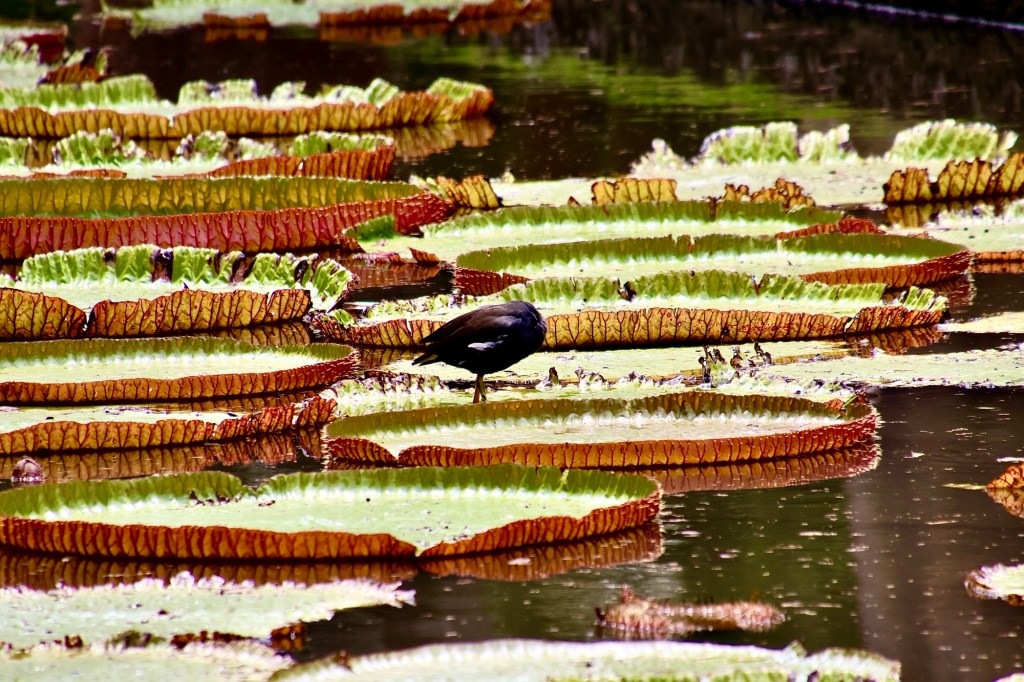
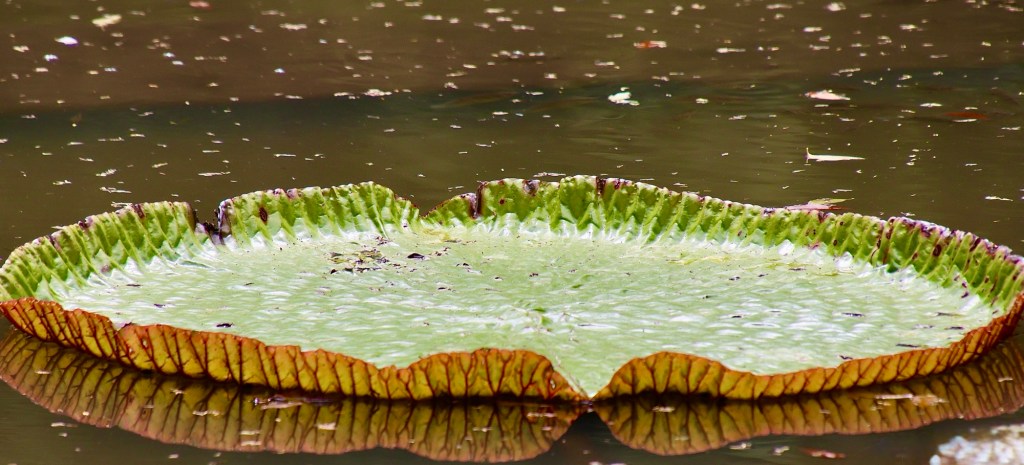
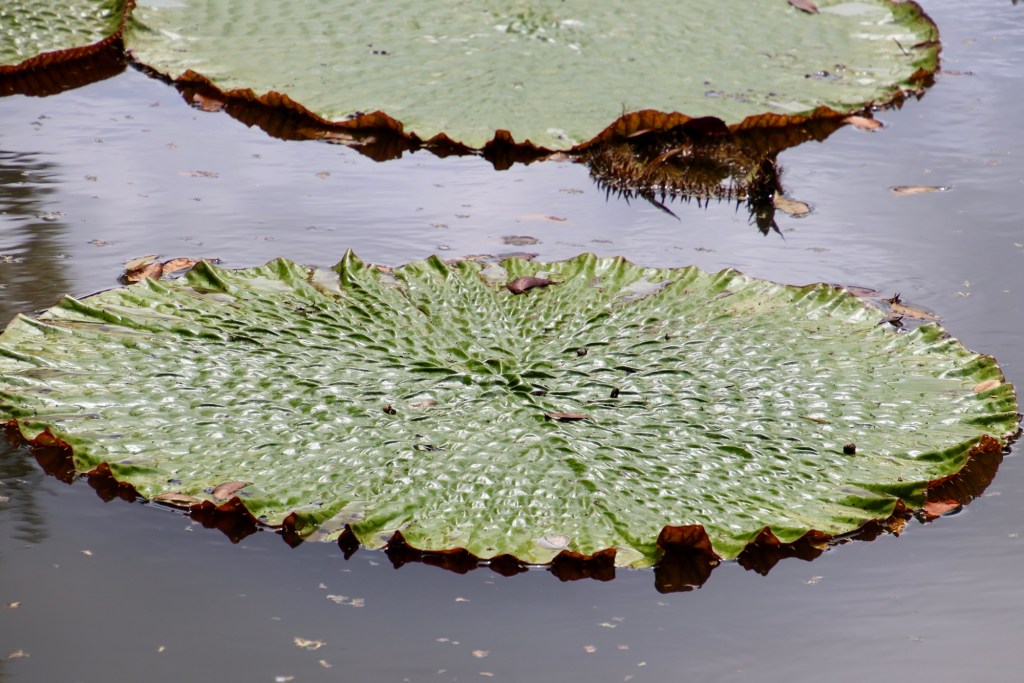
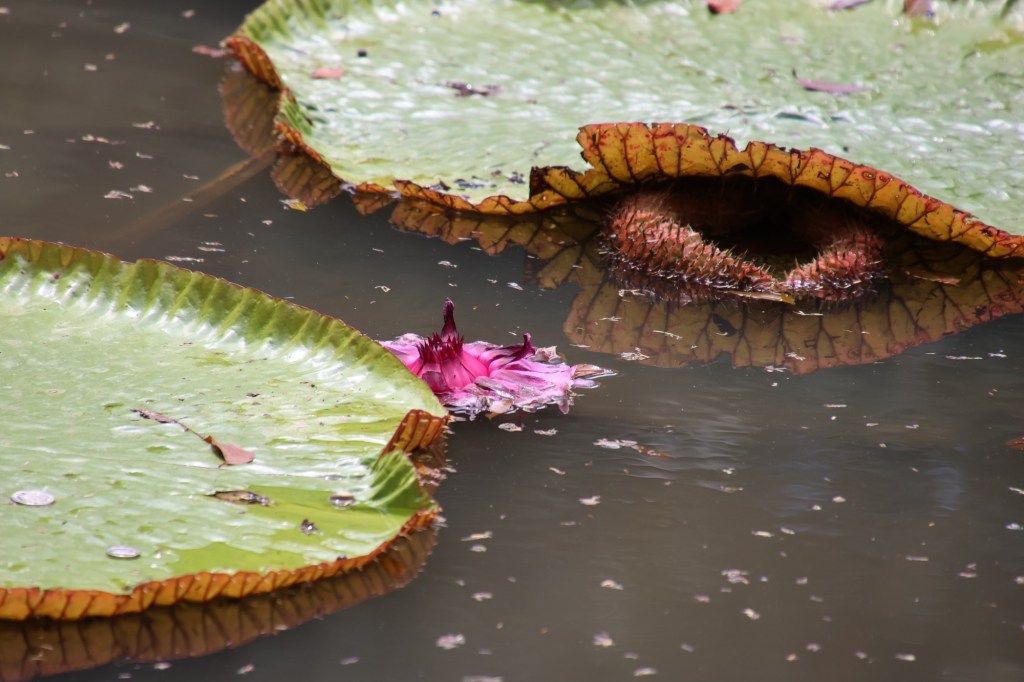
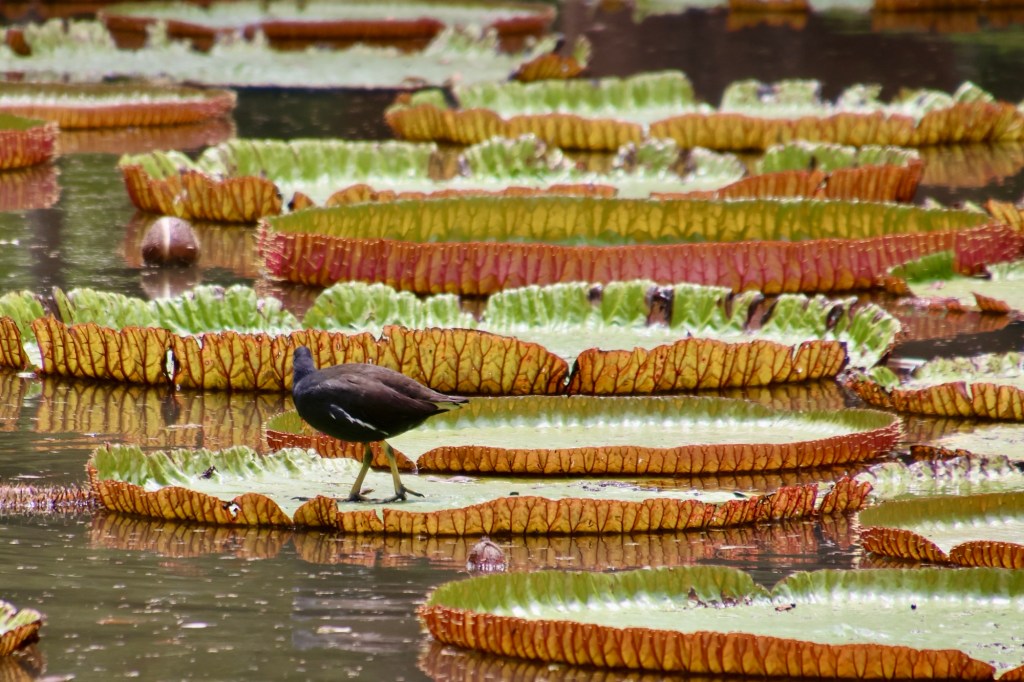
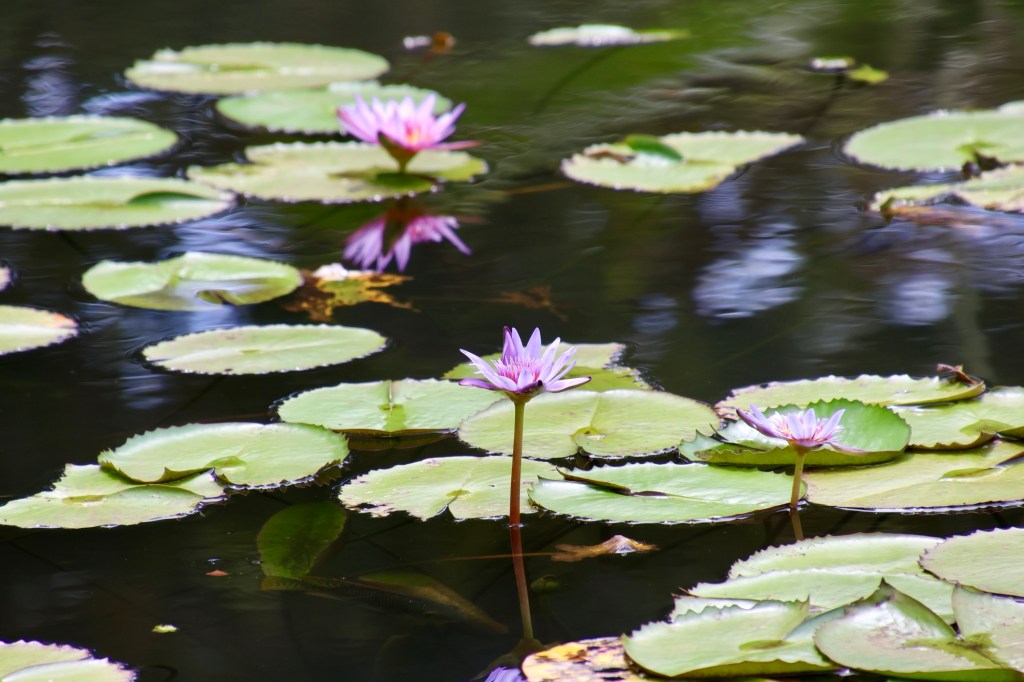
We stopped at the giant water lily lake…… it really is magnificent
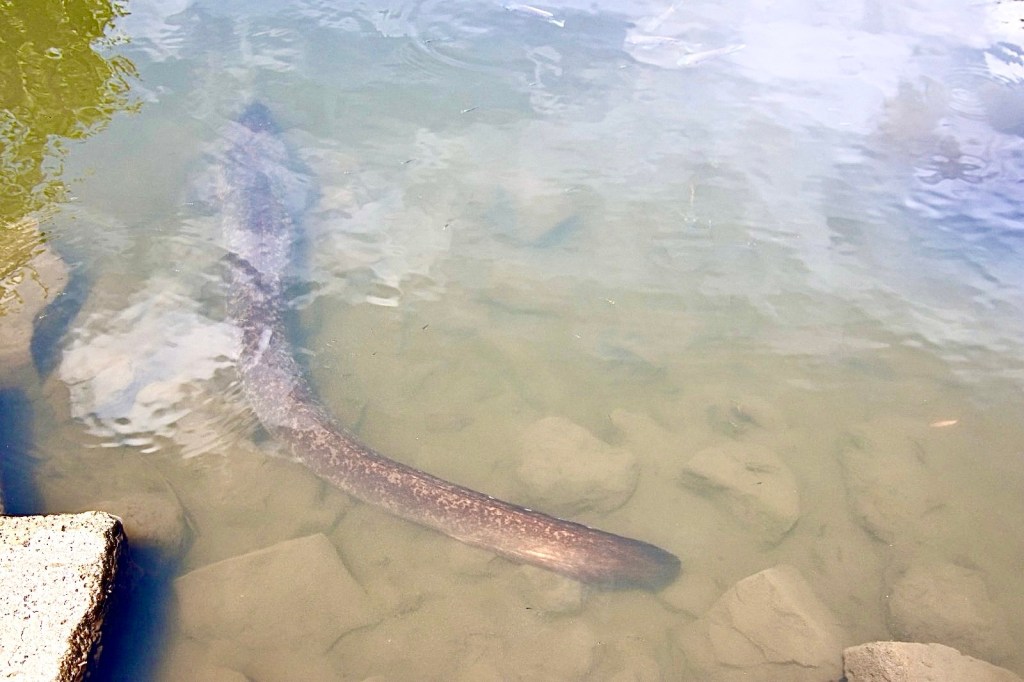
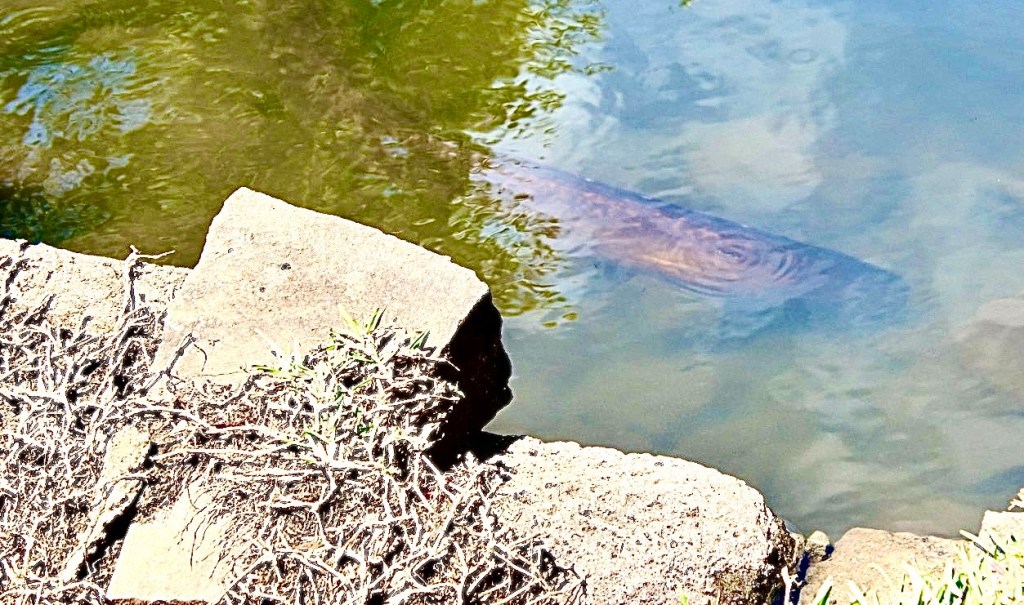
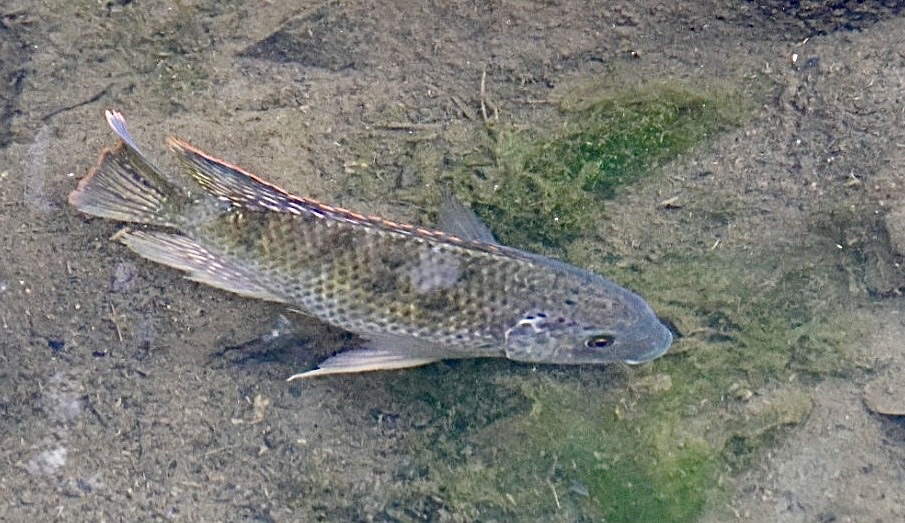
Sachin also pointed out an eel in the lake and numerous fish but they didn’t photograph very well ….
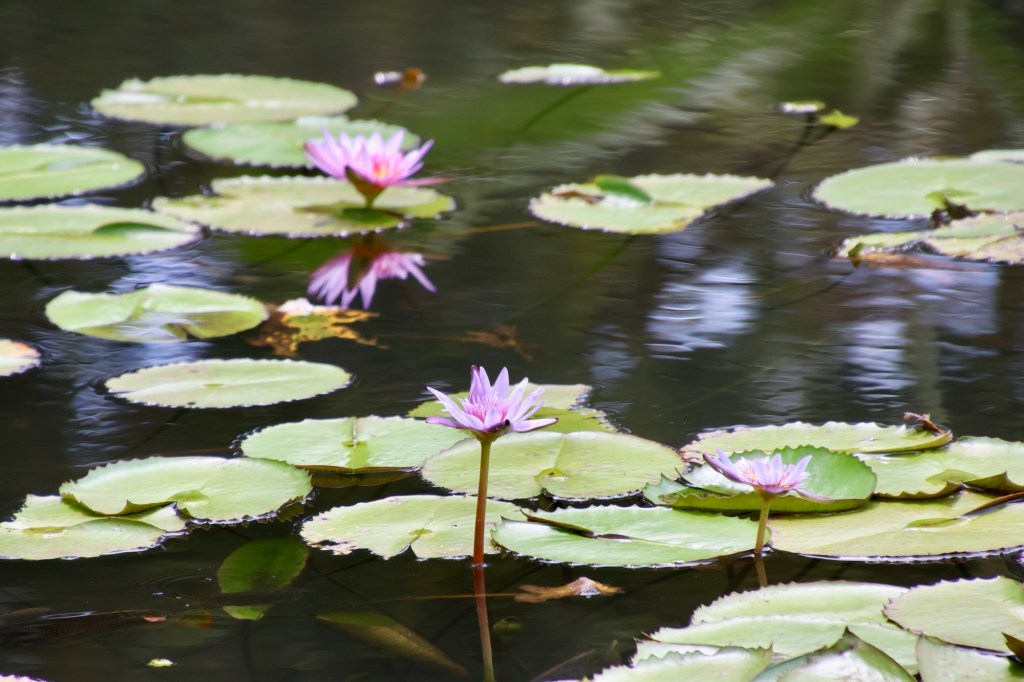
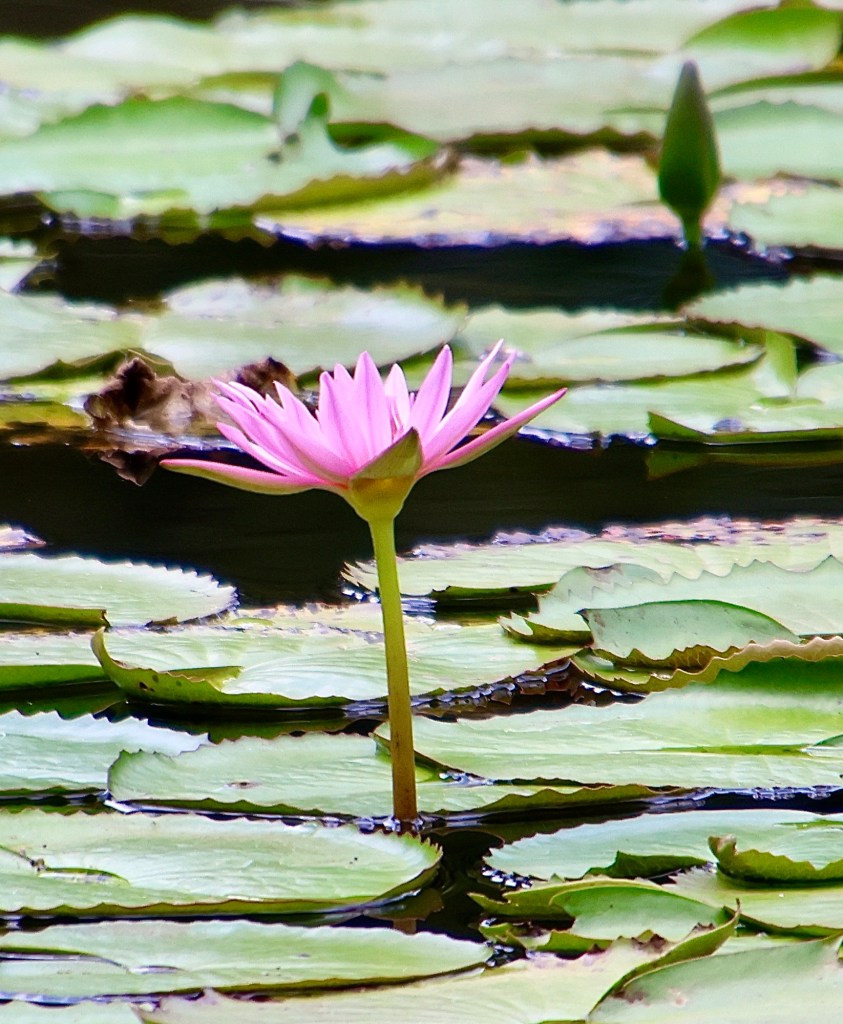
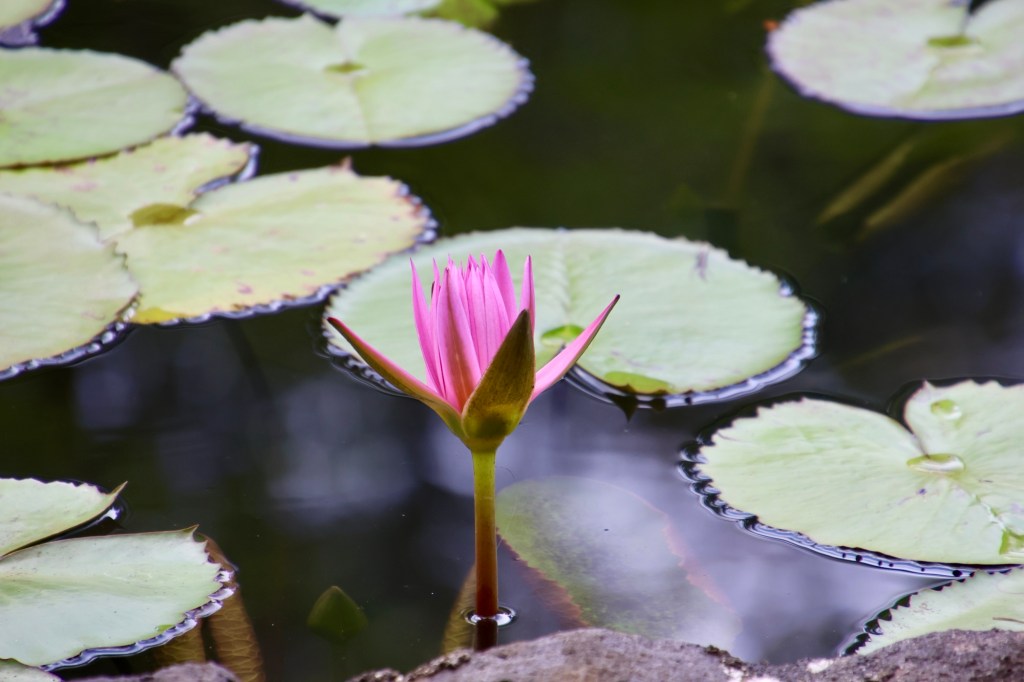
We moved from here to the Monet water lily lake with its vibrant coloured lilies….
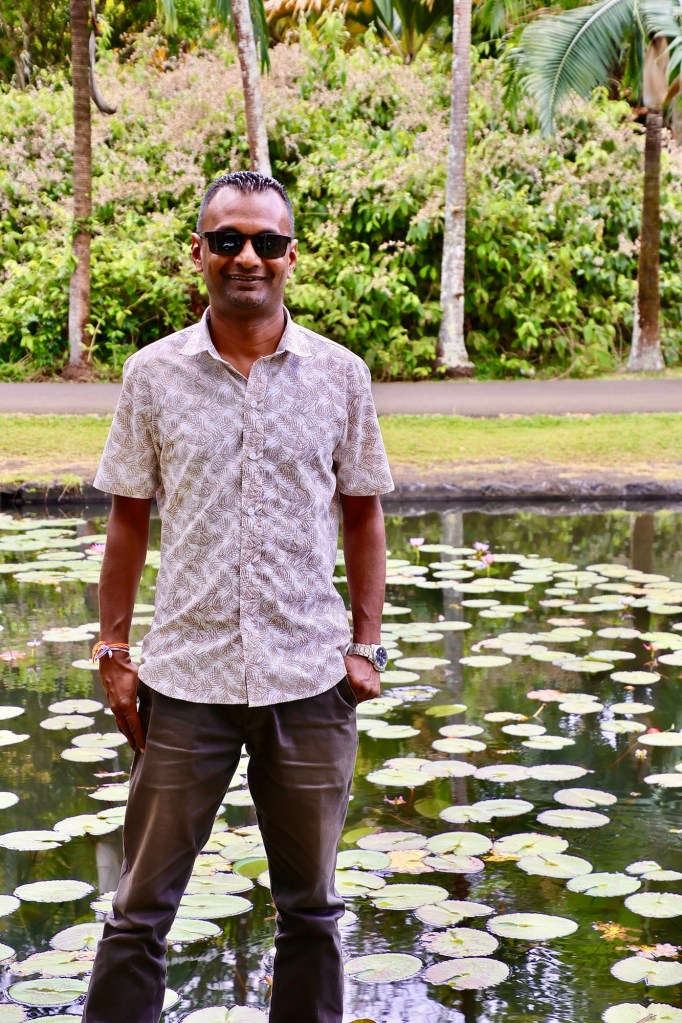
Sachin
We continued around the gardens with Raja giving us both the botanical information as well as causing great hilarity..“ The crocodile plant”…
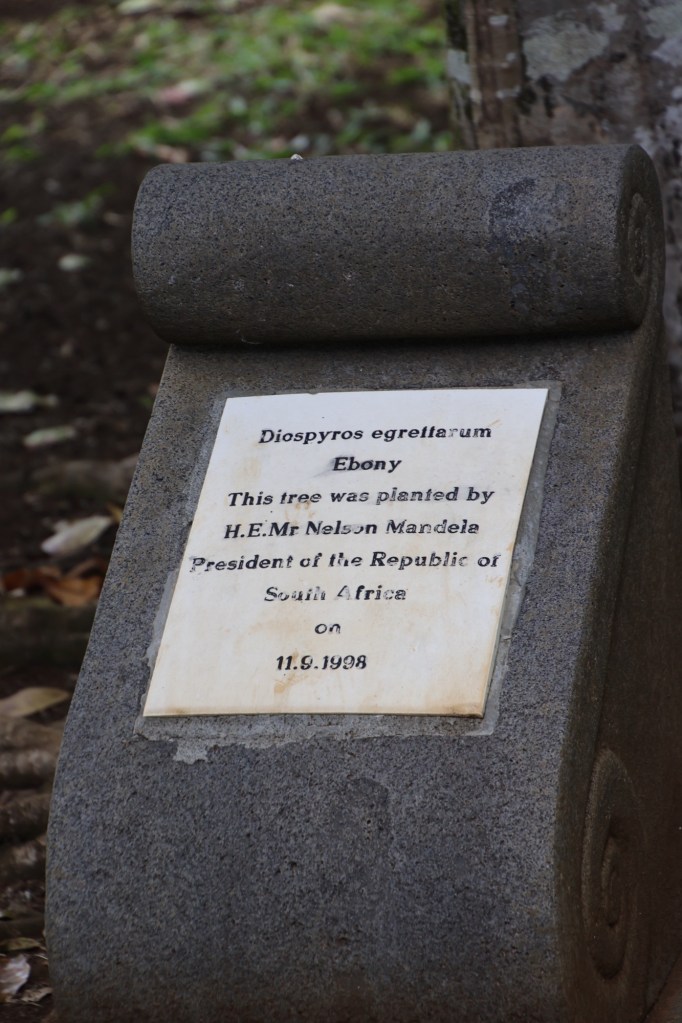
There is an area where visiting diplomats have each planted a tree..such as Nelson Mandela, Princess Margaret, Gandhi, President Macron etc… and a uniformed plaque sat beside the tree they had planted….
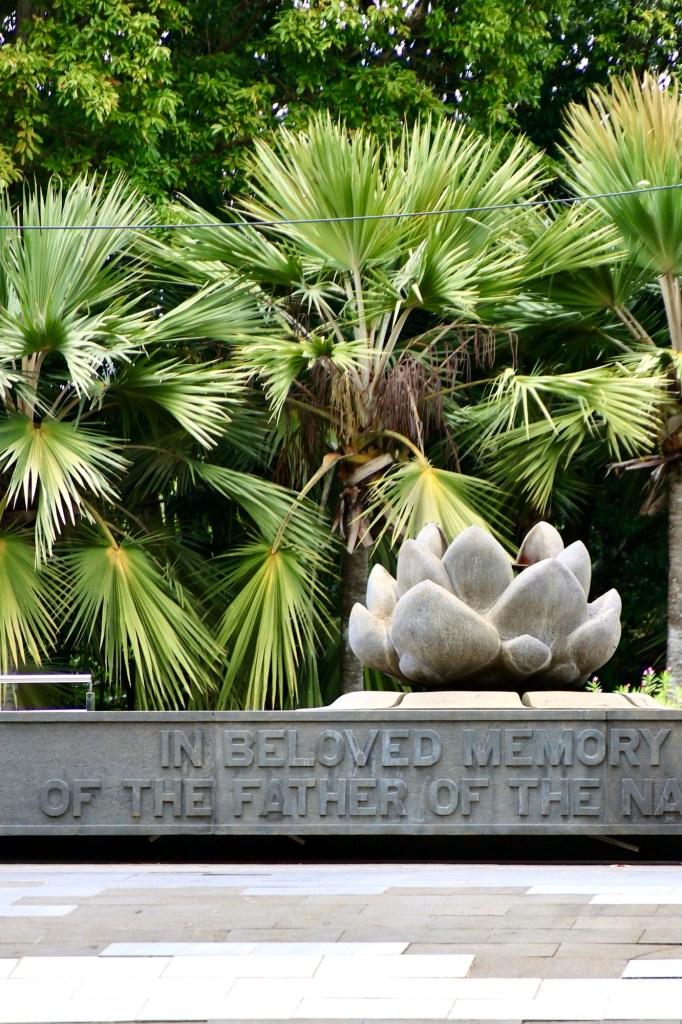
Around this area is also a memorial to the first prime minister, Sir Seewoosagur Ramgoolam, it is a beautiful memorial of a Lotus flower .
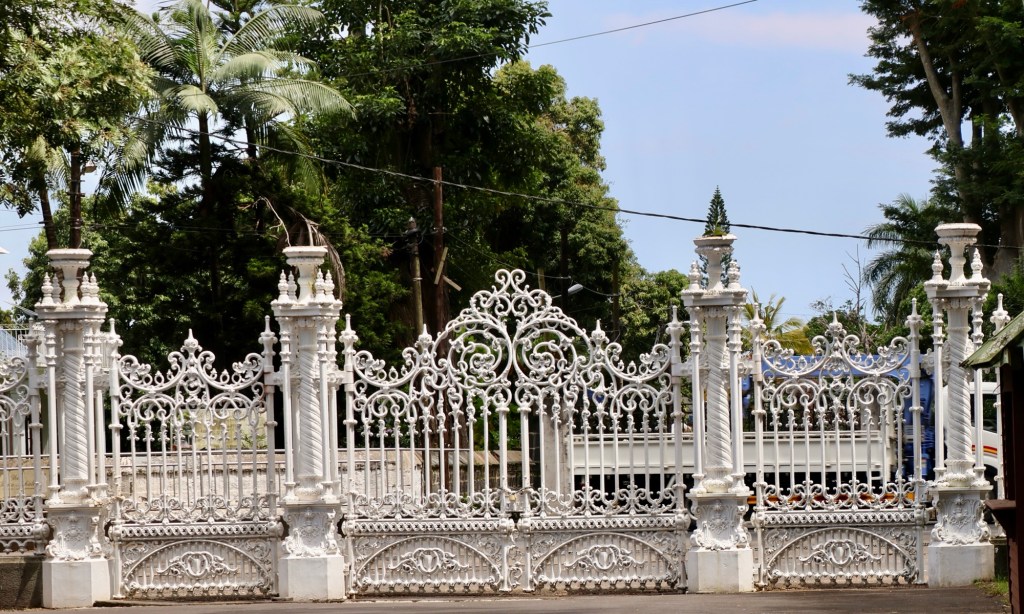
We past gates which were the original entrance to the gardens. Raja said they were a miniature version of the gates at Buckingham Palace, we think he is probably correct …
Raja hopped on and off the buggy getting leaves for us to smell and guess the plant …we had cinnamon, 5 spice, eucalyptus etc etc.
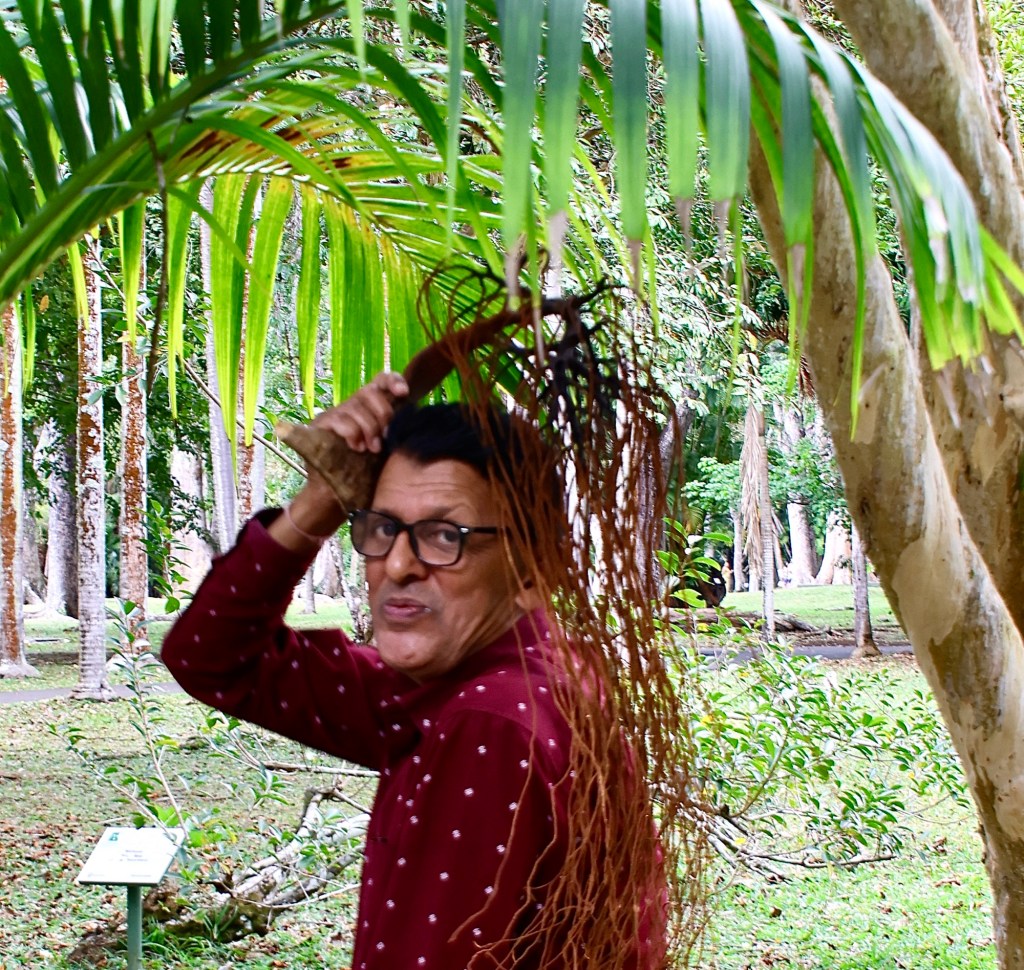
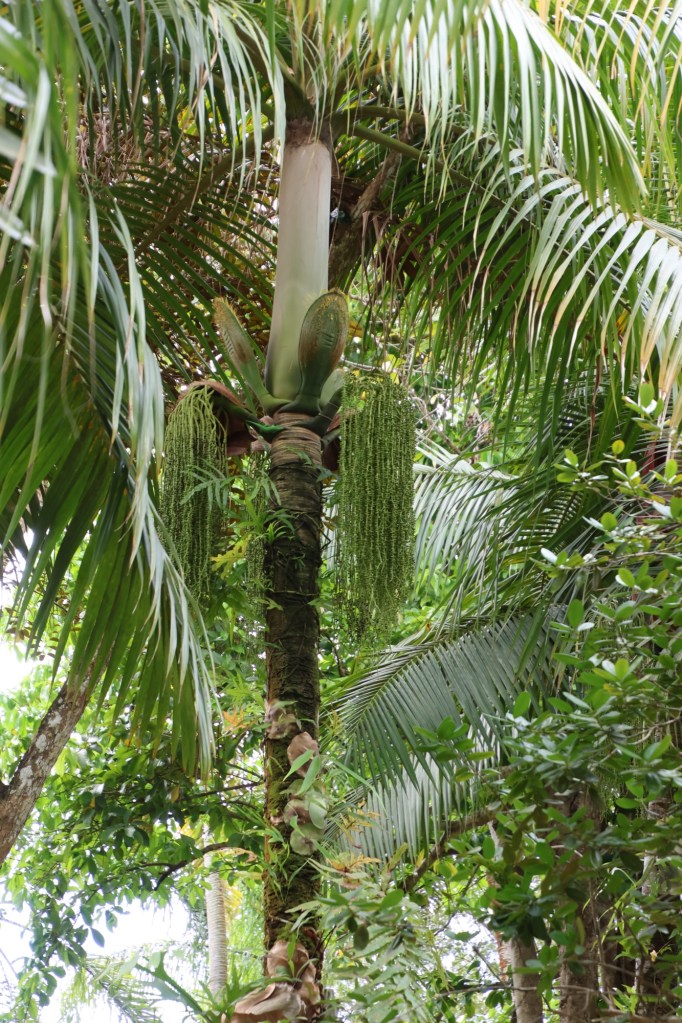
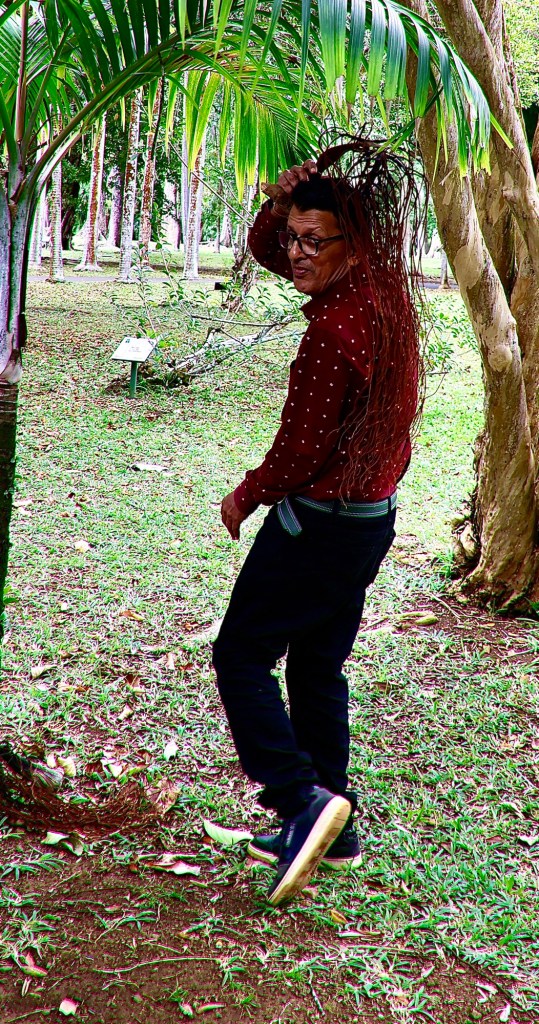
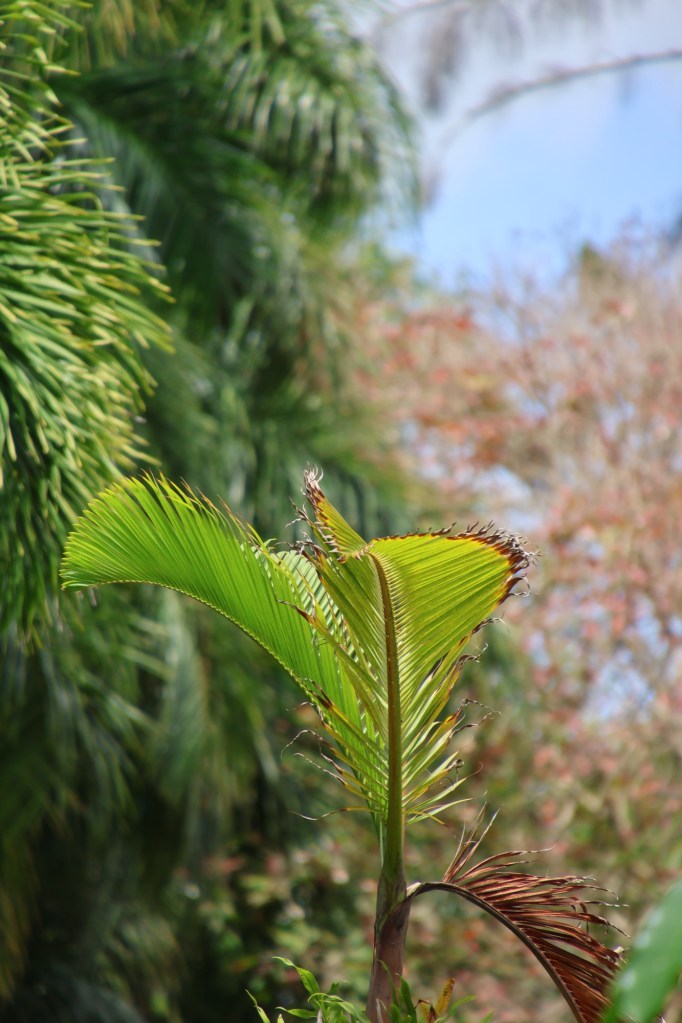
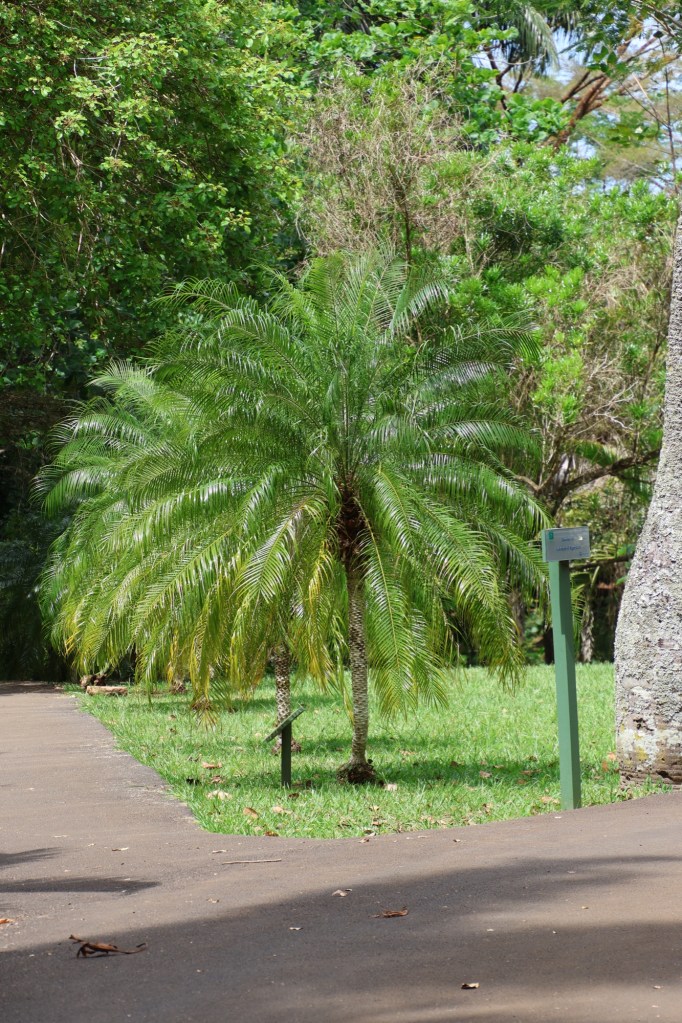
He told us all about the different palm trees and which one he called the Jamaican Rastafarian tree…because it had dreadlocks!!!
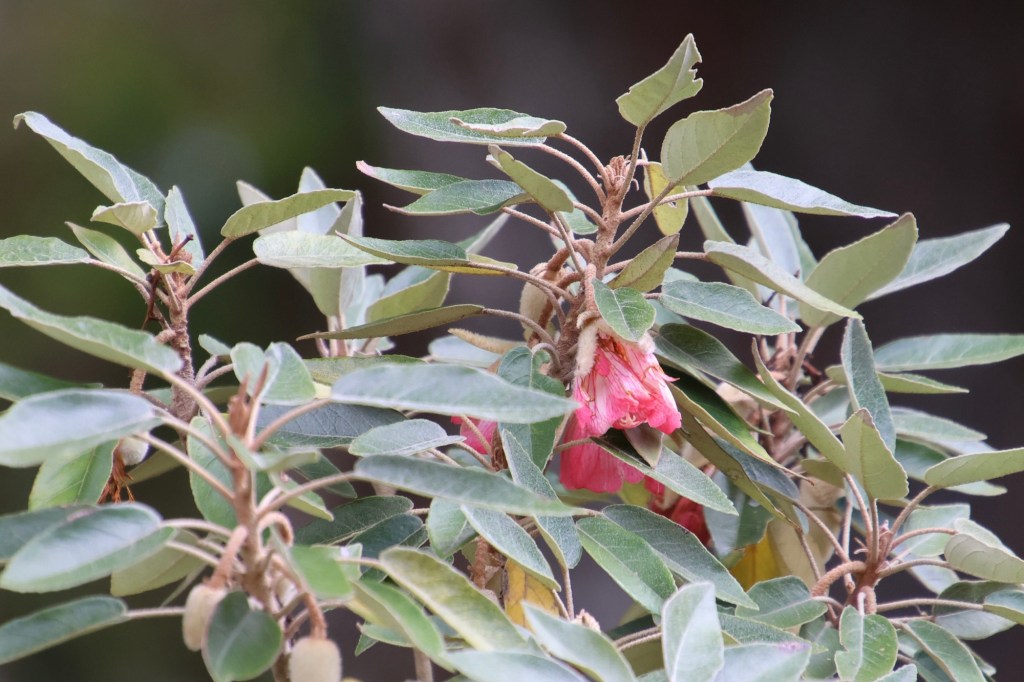
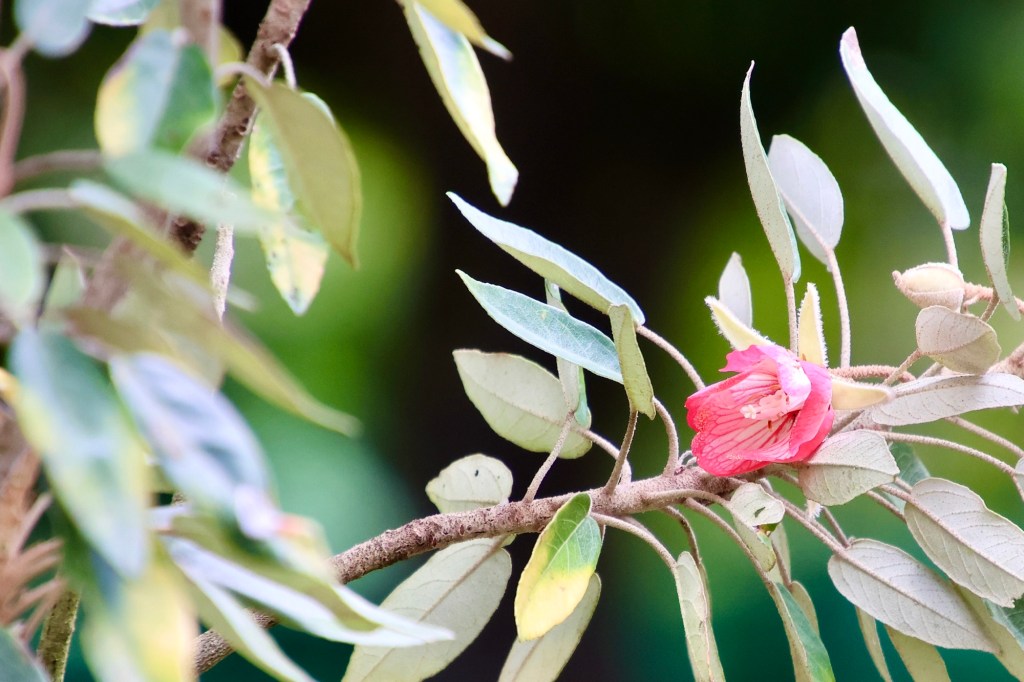
We didn’t know that the Trochetia Boutoniana or the French Boucle D’Oreille was the national flower of Mauritius.
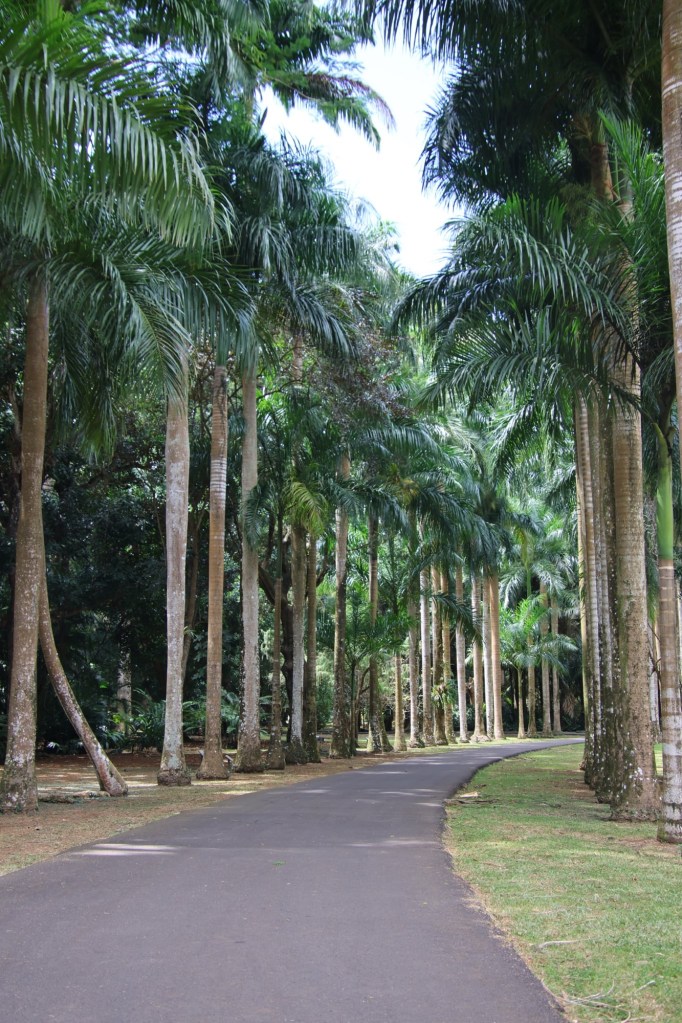
We continued along beautifully manicured avenues, often called Broadway,
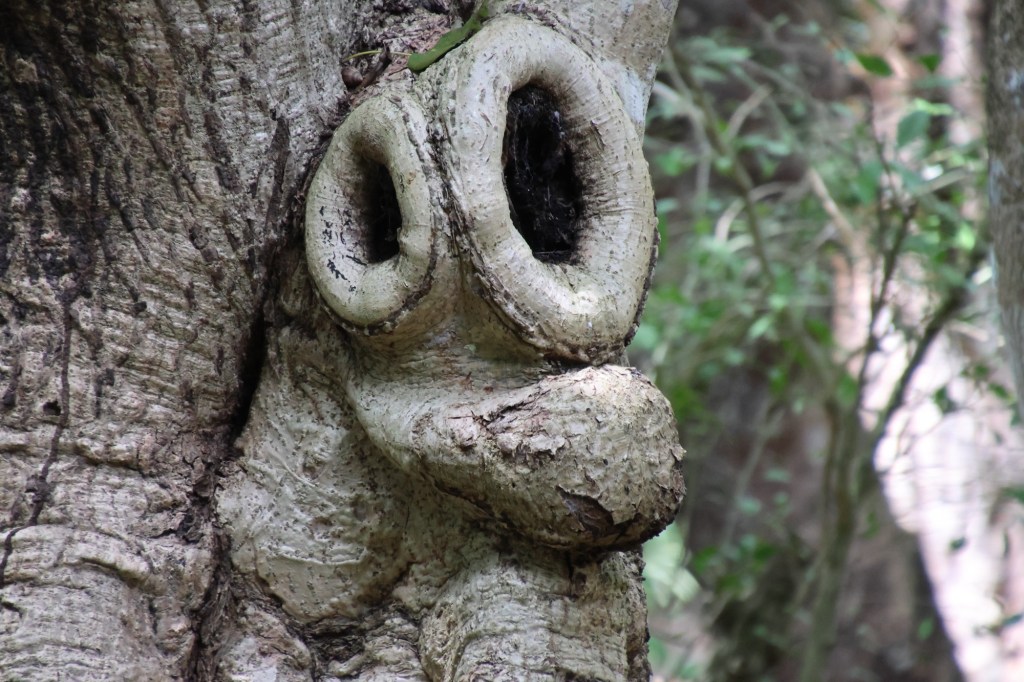
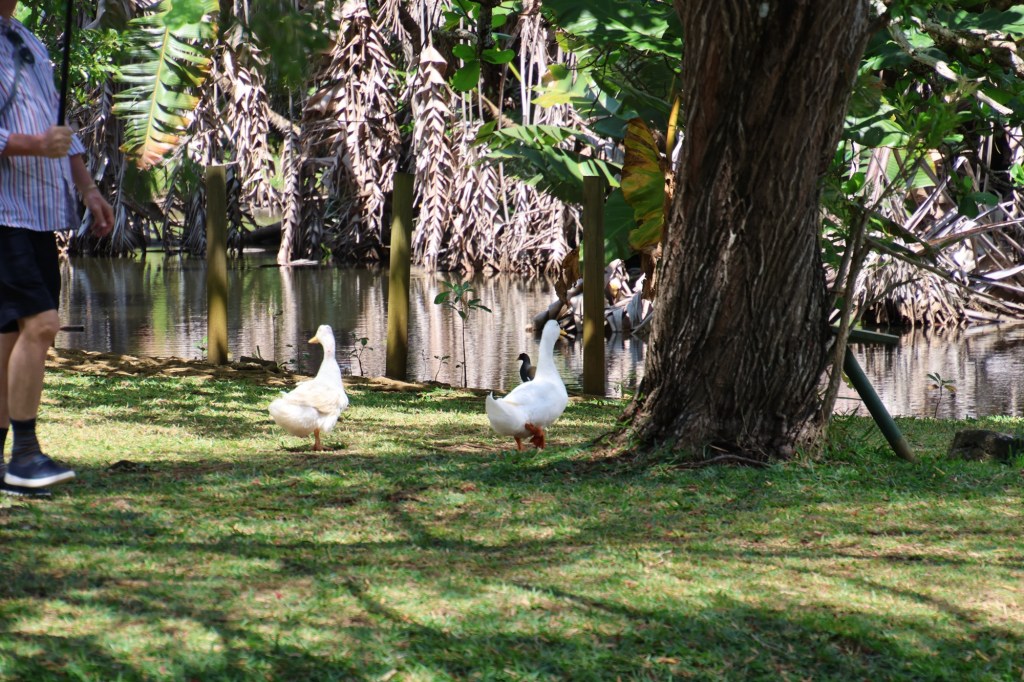
We passed the ‘Donald Duck tree …..
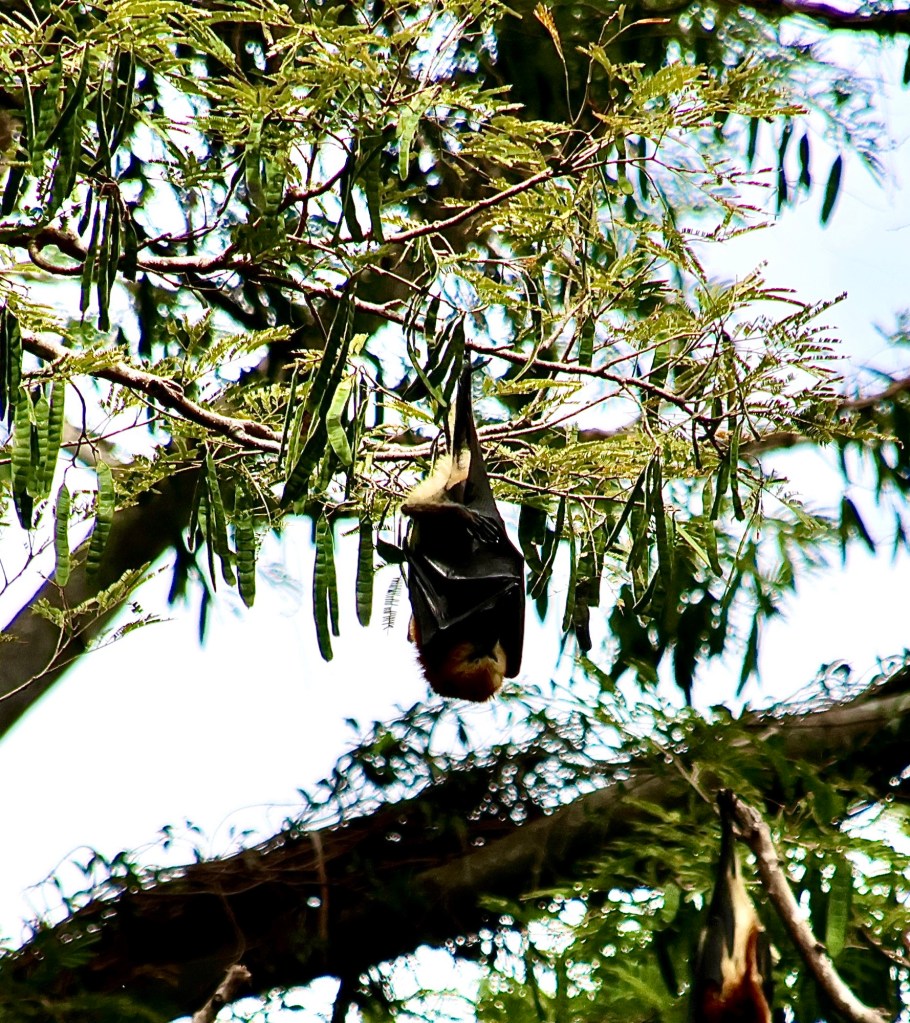
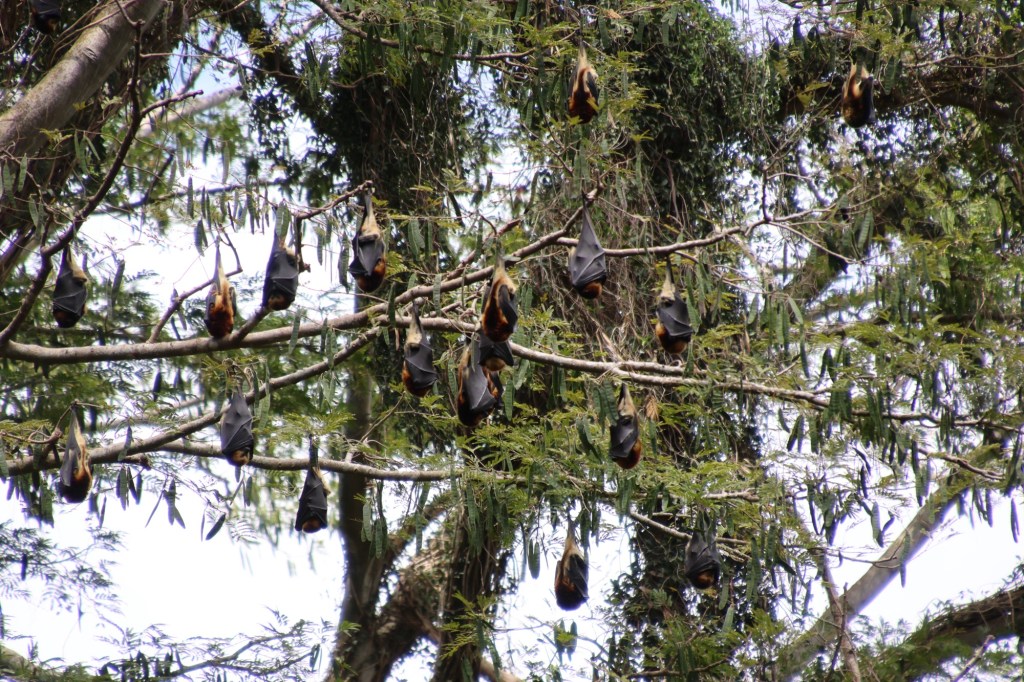
We carried on past a tree which had numerous fruit bats hanging from it..
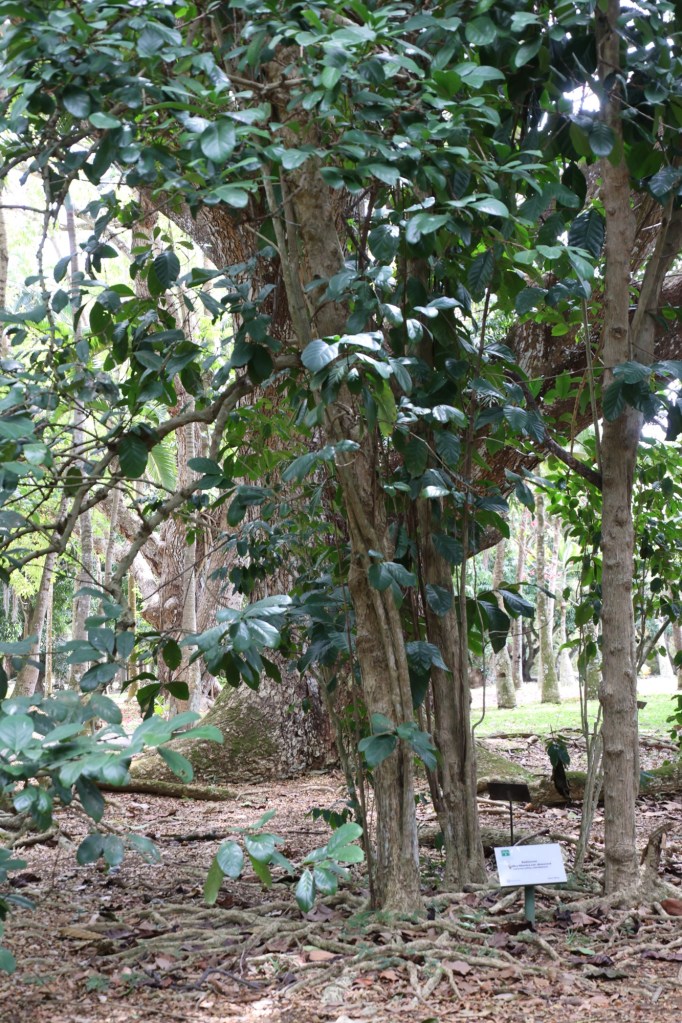
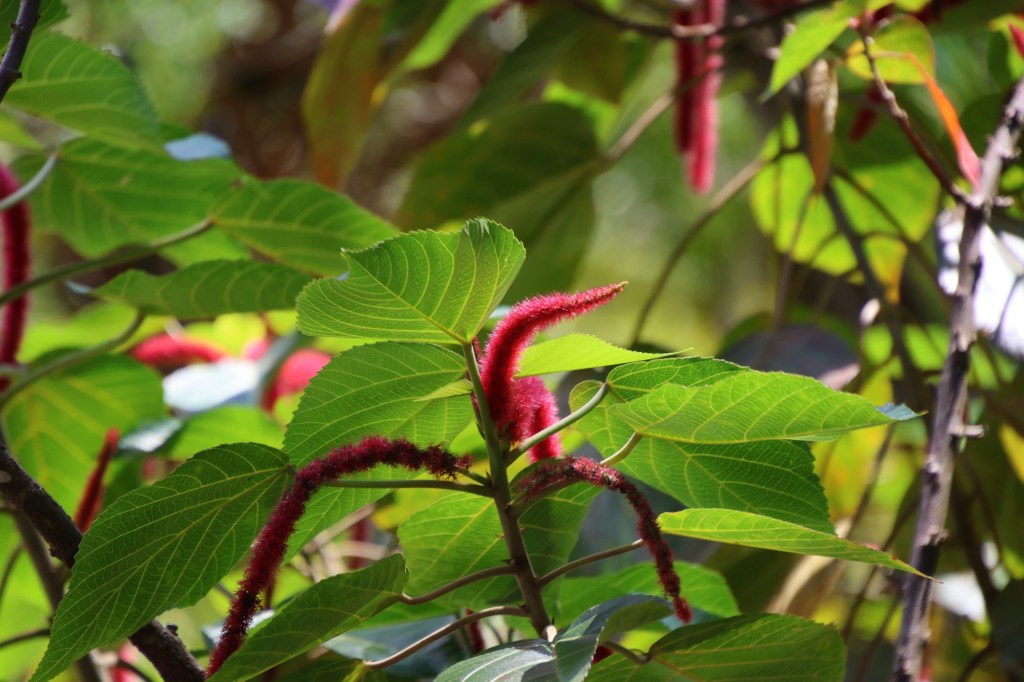
So many beautiful plants and trees ..
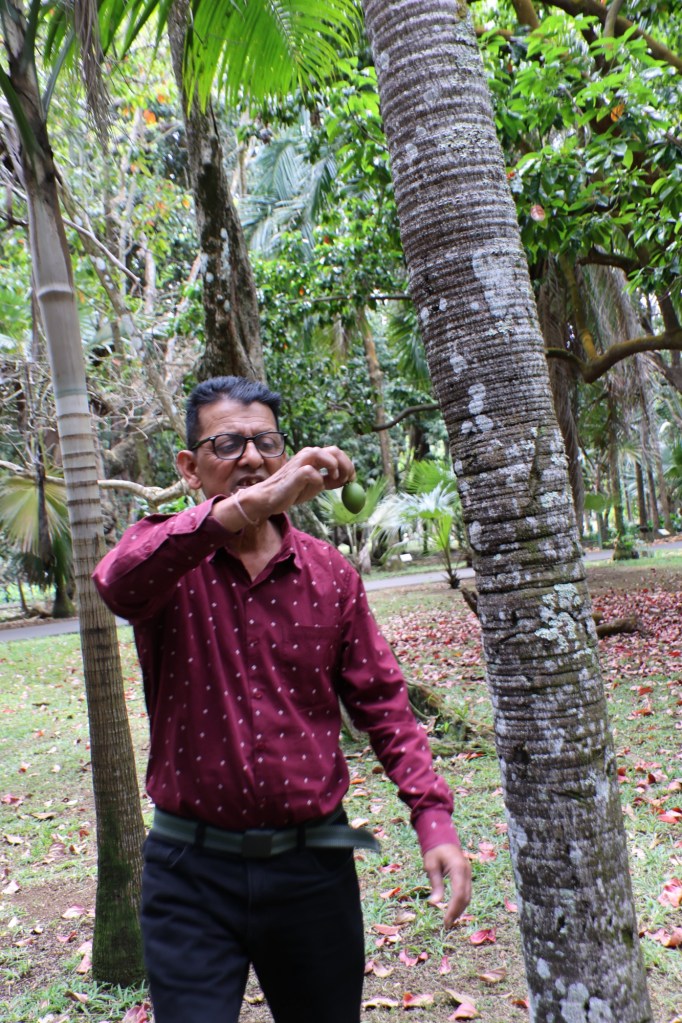
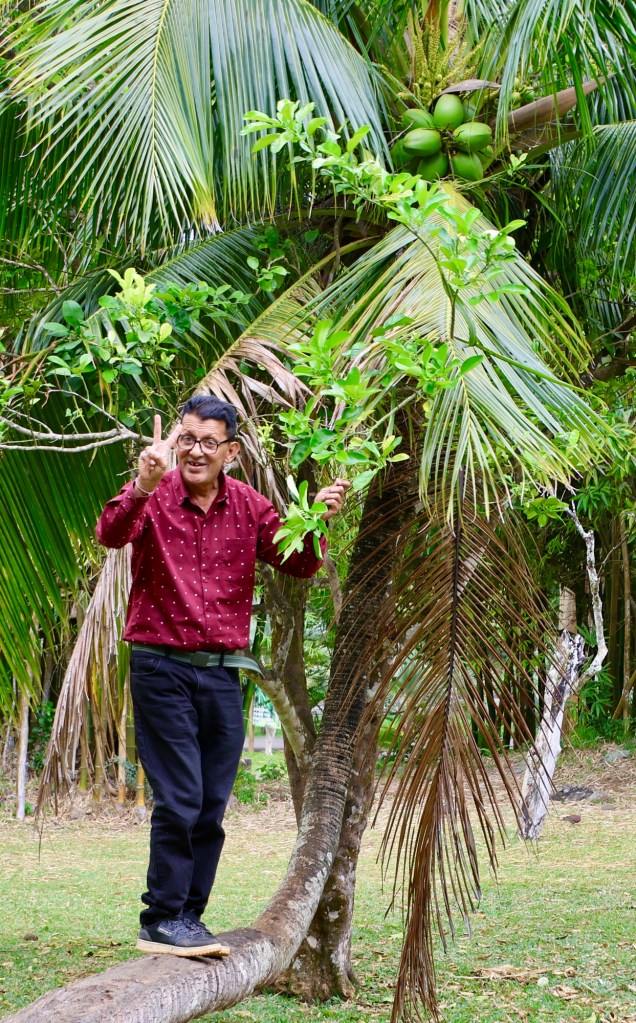
On we went until Raja asked if we’d ever climbed a coconut tree…of course not was the response and he said he’d show us how it was done…
The tree had been blown horizontal by the winds but, as seen, had eventually grown upwards and produced coconuts!!!
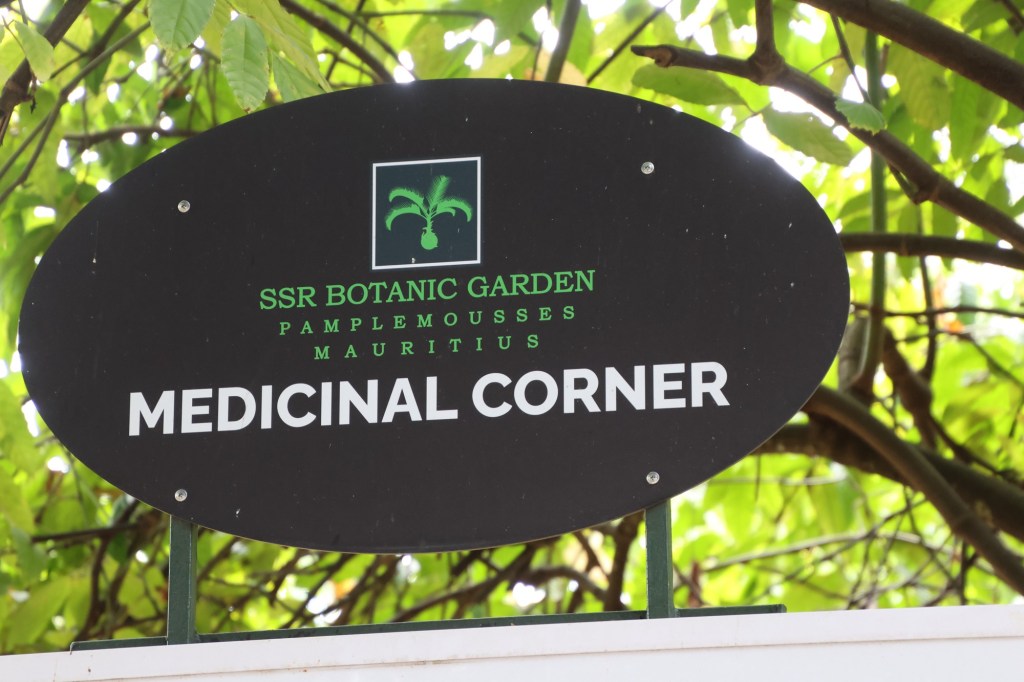
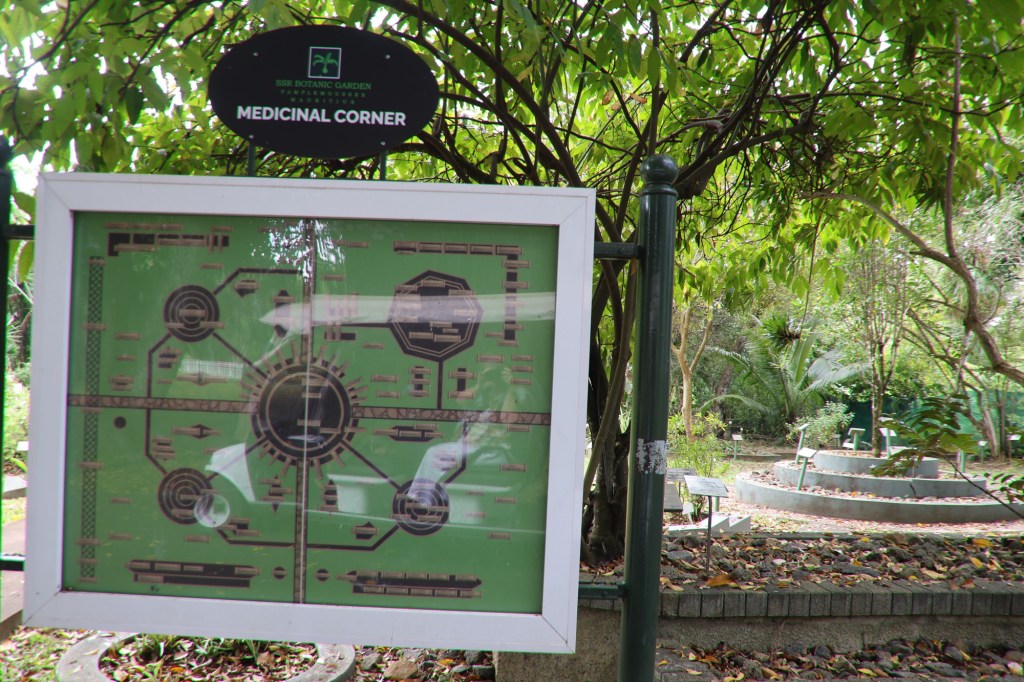
There was also a medicine garden and a spice garden
Finally our hour was up and Raja dropped the three of us at the animal corner where we could wander around on our own.
We said goodbye to Raja and thanked him profusely for such an informative, entertaining tour.
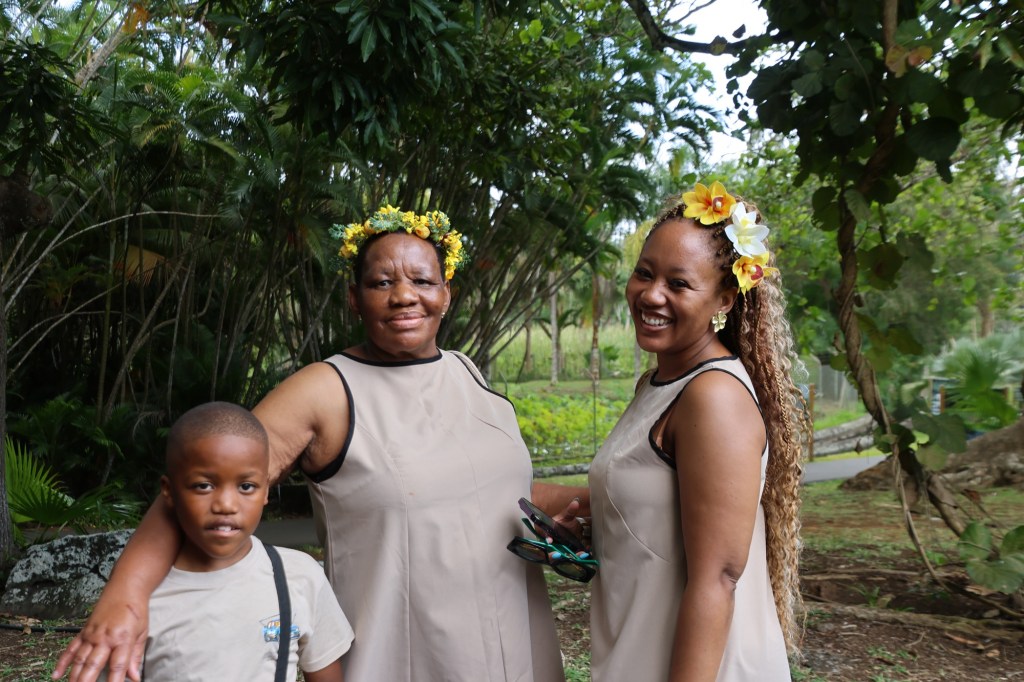
Some of the ladies dressed up for visits to the garden and we asked this family of 3 generations if we could take their picture….beautiful..
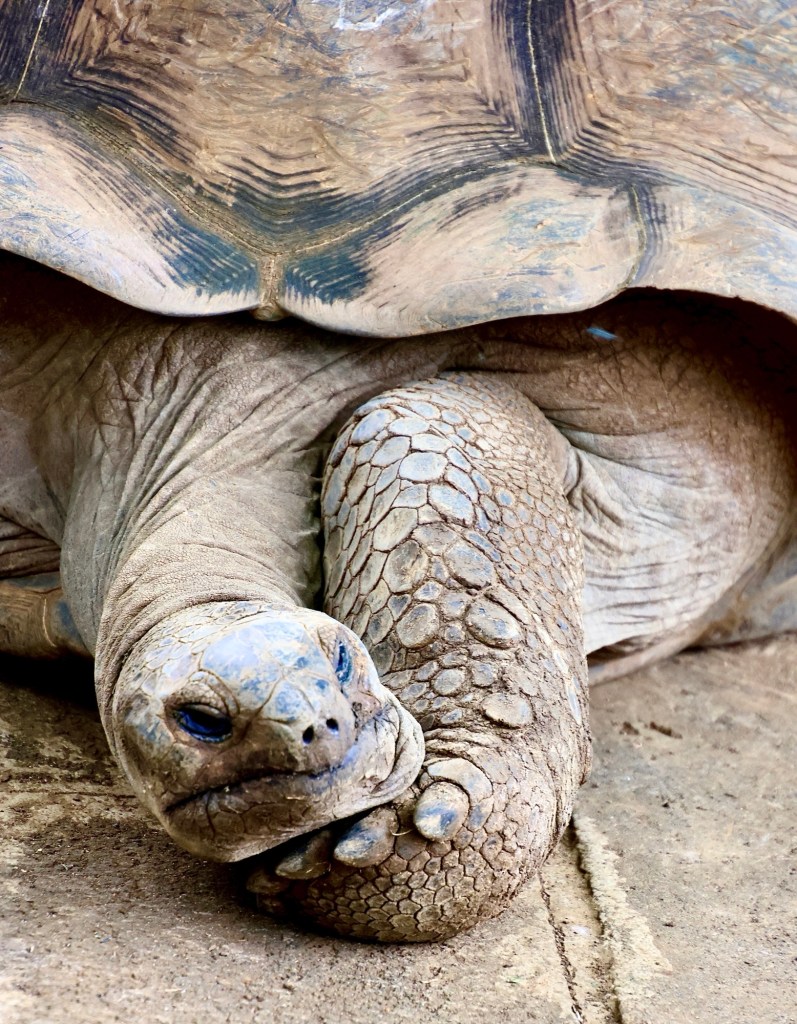
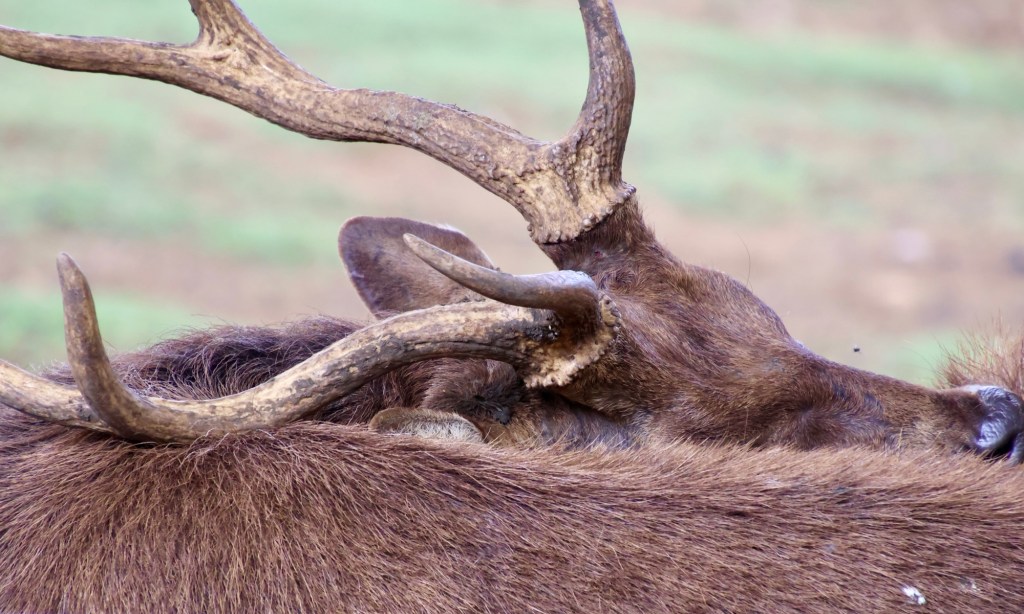
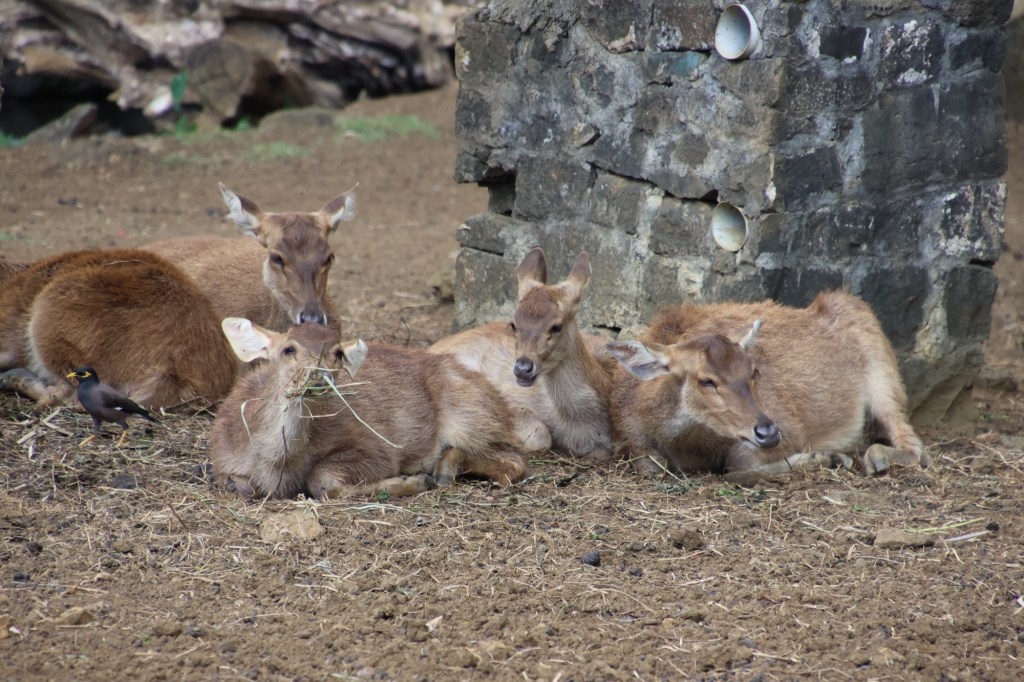
In the animal corner we saw both giant tortoises and Javan Deer .
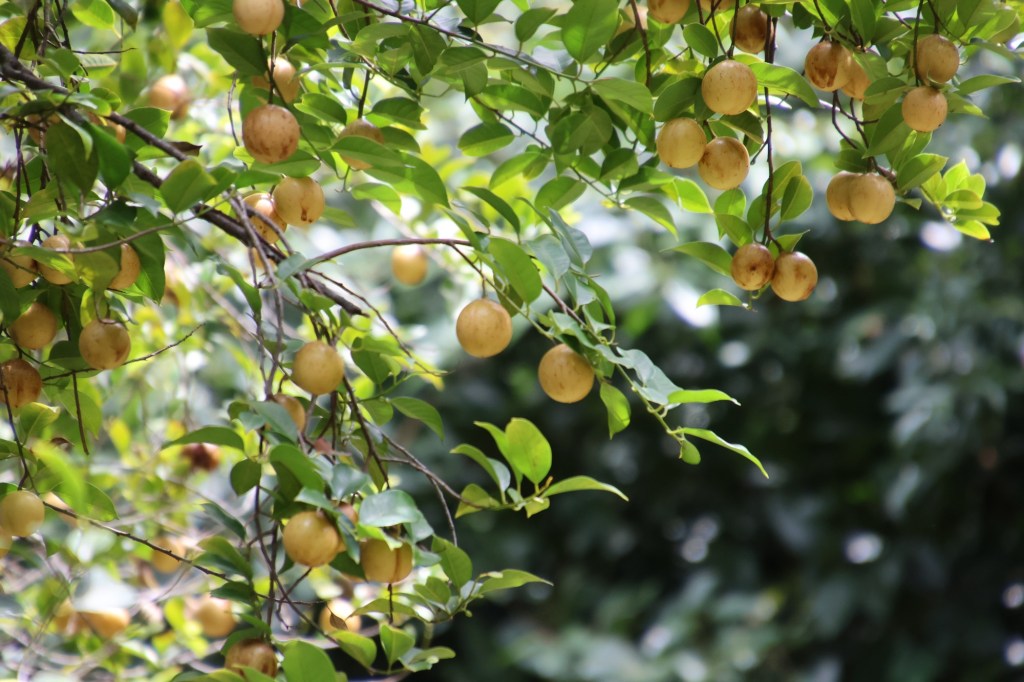
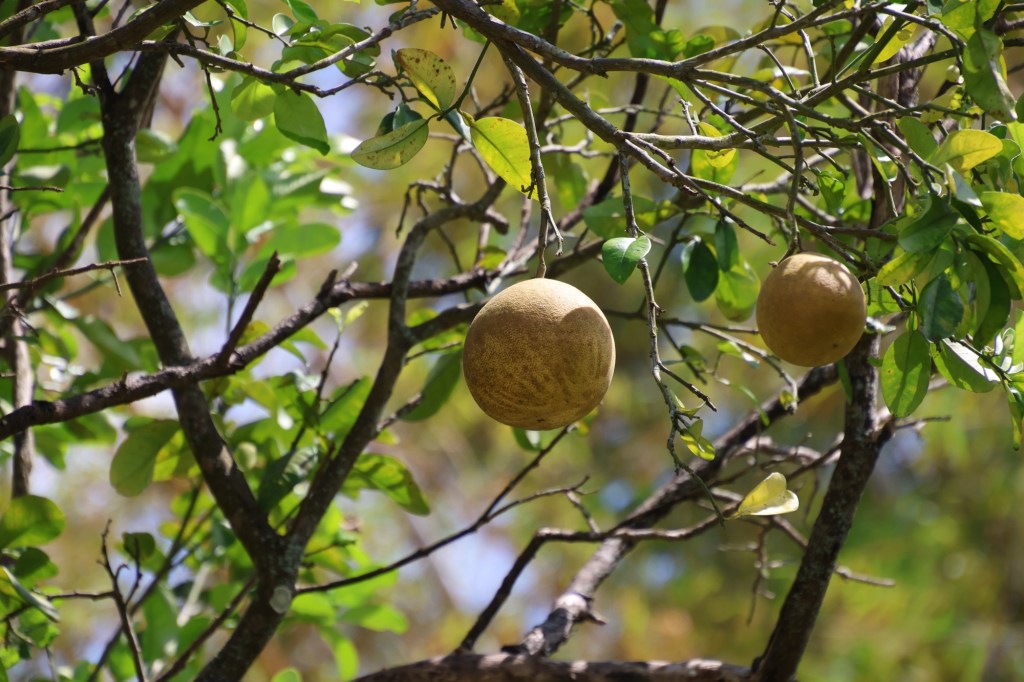
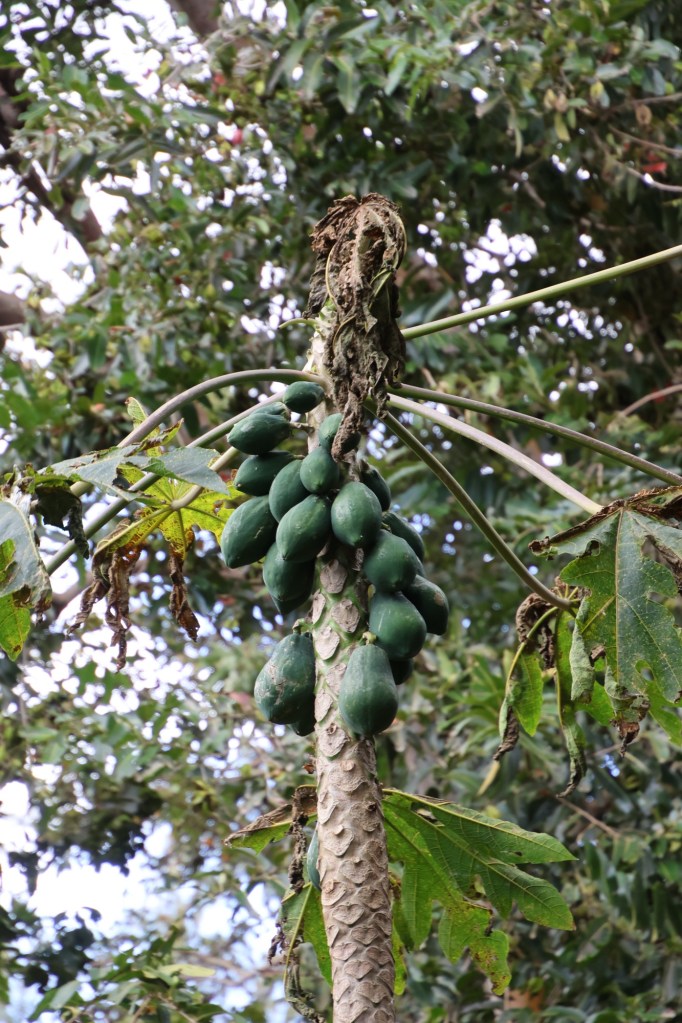
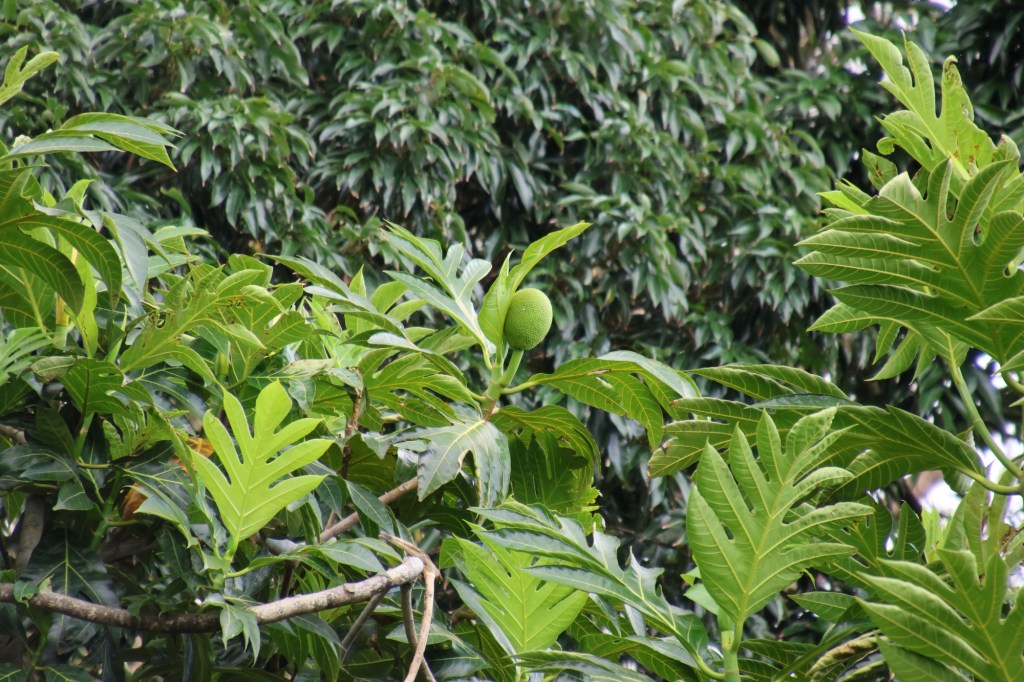
Sachin also pointed out a papayas tree in fruit and a bread fruit tree with some very small fruit starting to grow..
We headed back to the car on foot…Sachin soon had us nice and cool again.. He discussed where else we could go…but to be quite honest we had seen nearly all the land sights of Mauritius. So we suggested that he took us to the sugar cane museum so we could all have a nice fruit cocktail in their restaurant bar…as we had previously on our trip to the north. It was only 900m,- according to the sign, away from the gardens.
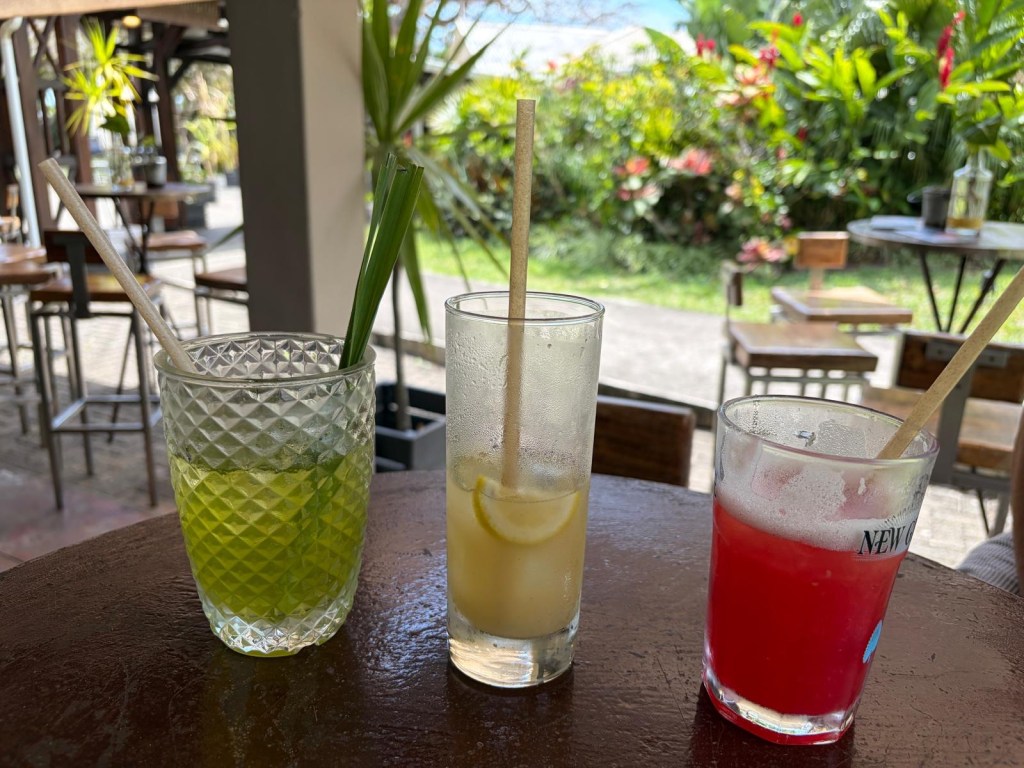
We were soon there and the refreshing fruit drinks were very enjoyable as was Sachin’s company. I had the same Ginger, mint and lime drink, John had the same pineapple, passionfruit and grenadine he’d had before and Sachin had a lemoncello – lemongrass and sugarcane syrup, they were very refreshing…
John and I were piggy’ and had 2 each….they really give you a boost.
And yes I really did get up on the stool on my own…although Sachin did hold it steady for me as I rather ungracefully clambered on!!!!
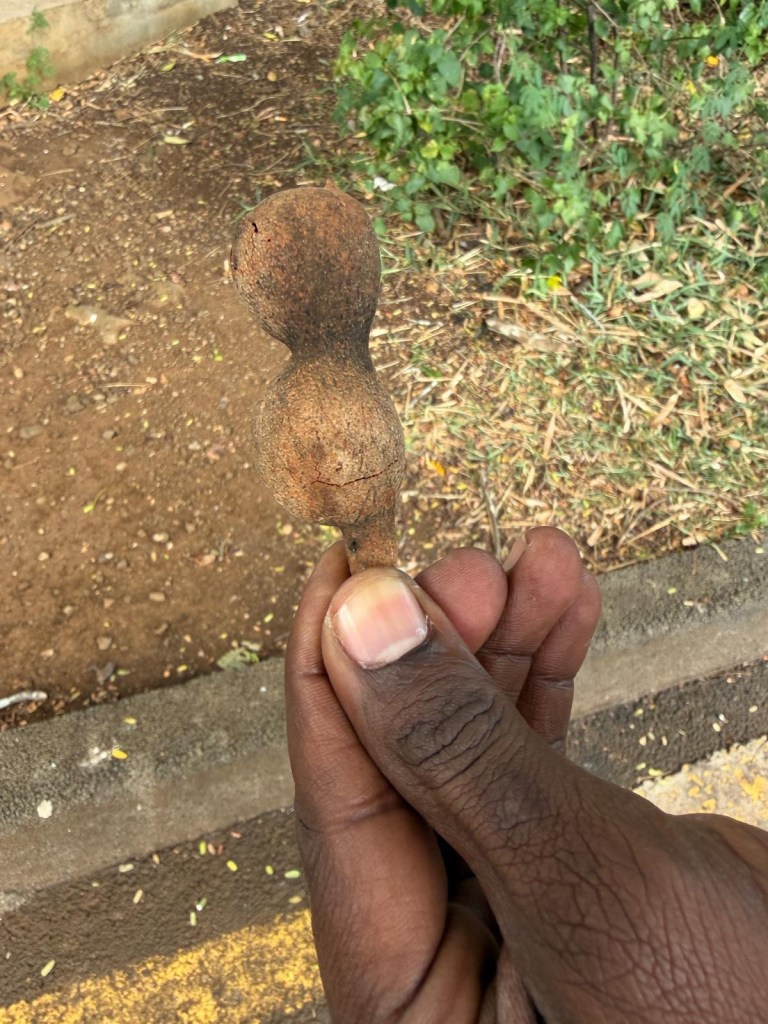
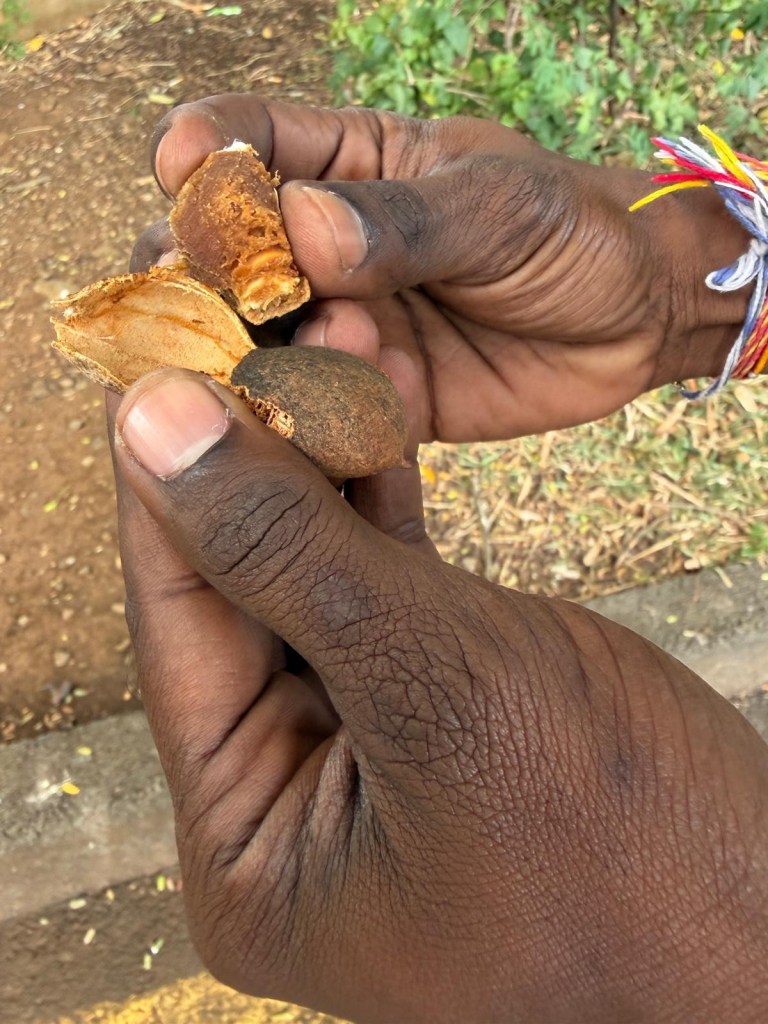
Walking back to the car Sachin showed us a Tamarind pod and how you open it to get to the chewy tamarind.
After which we went back to the hotel once again via the Vava voom supermarket to pick up more cashew nuts , mini cakes and biscuits for our snacks lunches.
We said a sad farewell to Sachin…he really is a great taxi driver and guide as well as being good fun to be with. Thank you so much Sachin for another lovely day out. We’ve been so fortunate with meeting you and Irfaan…you have both given us such happy memories.
We went inside to thank Melanie for booking the trip.
Once back at our hotel room I realised we’d forgotten to give Sachin back his mosquito repellent which he had lent us for the gardens, but we hadn’t needed…so I messaged him and said I’d leave it with Melanie….which I did and added an extra bottle for him as I’d bought 2 and we haven’t finished the first one yet.
We then headed off in our swim wear for an afternoon around the pool.
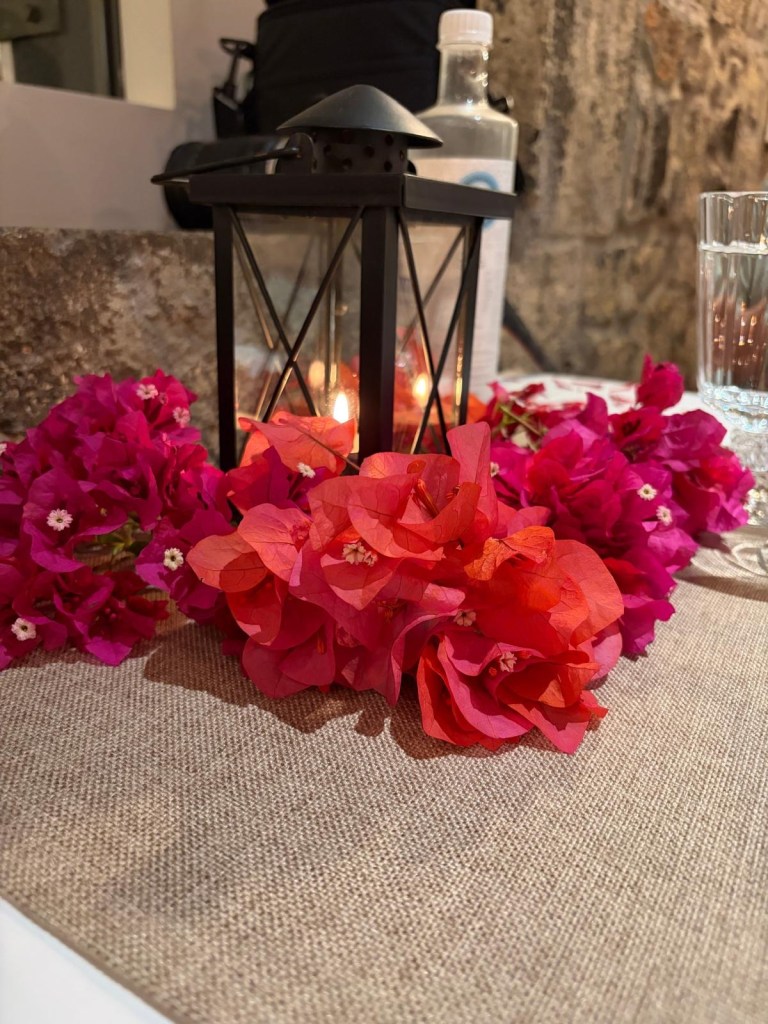
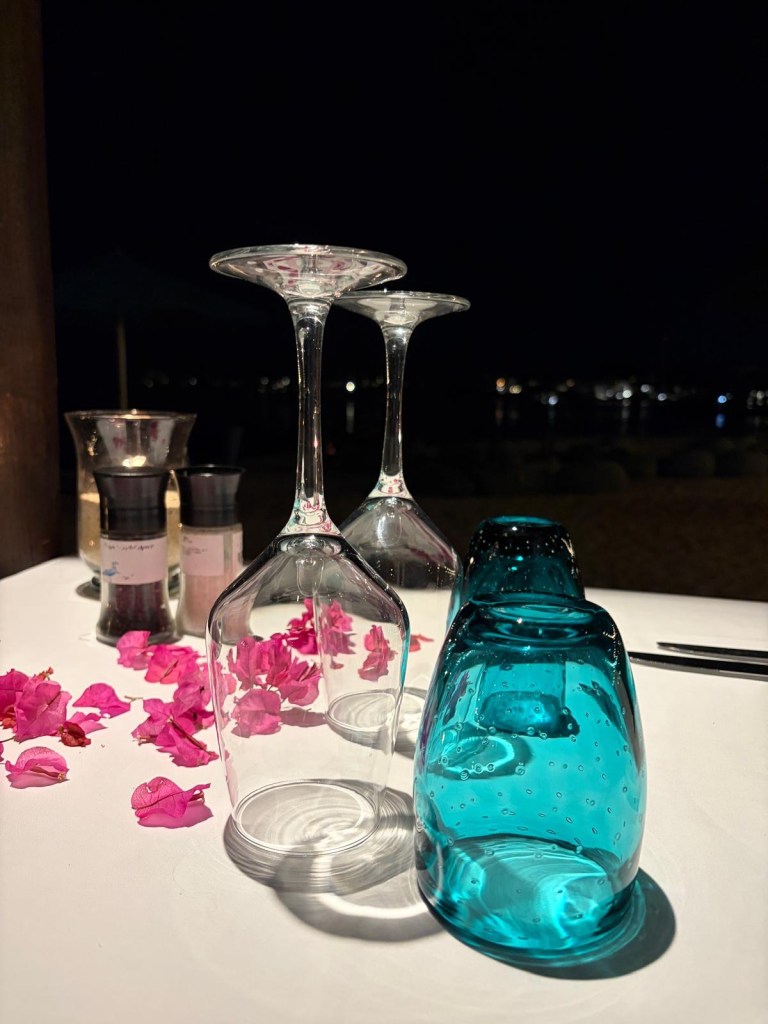
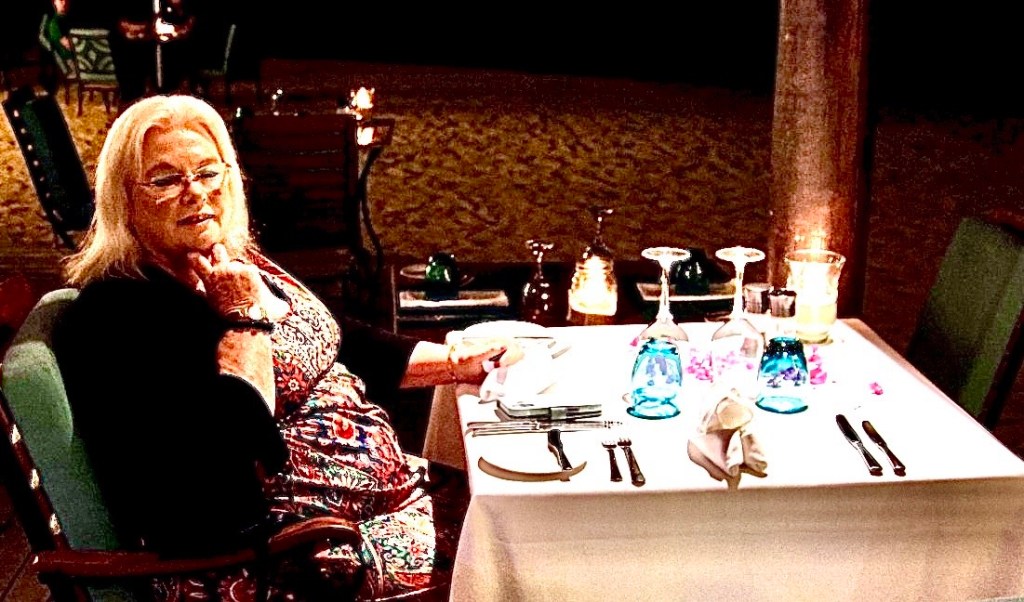
We wandered down to La Maree for our supper. As we walked along the seafront the Executive Chef caught us up and once again apologised for the mistakes made two nights prior. He was very gracious in his apology, no excuses just sincerity. We were very touched. We were given a choice of two tables and chose the one under the lapa with a hard floor rather than sand …it was beautifully dressed with bougainvillea, and a view out to sea.
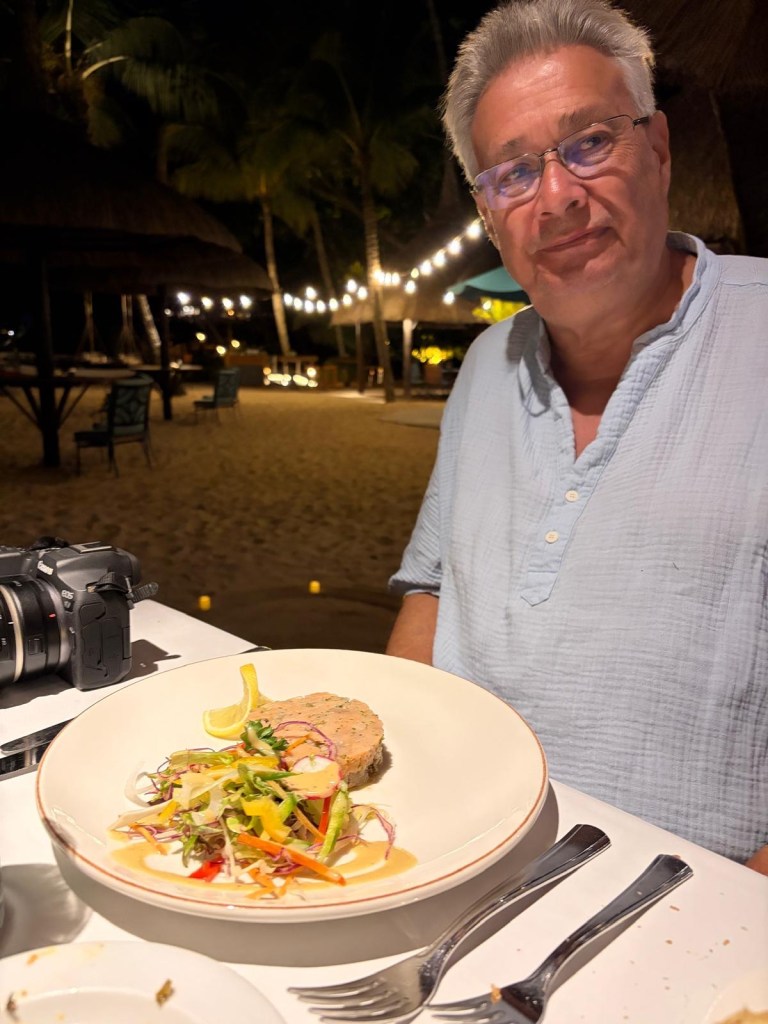
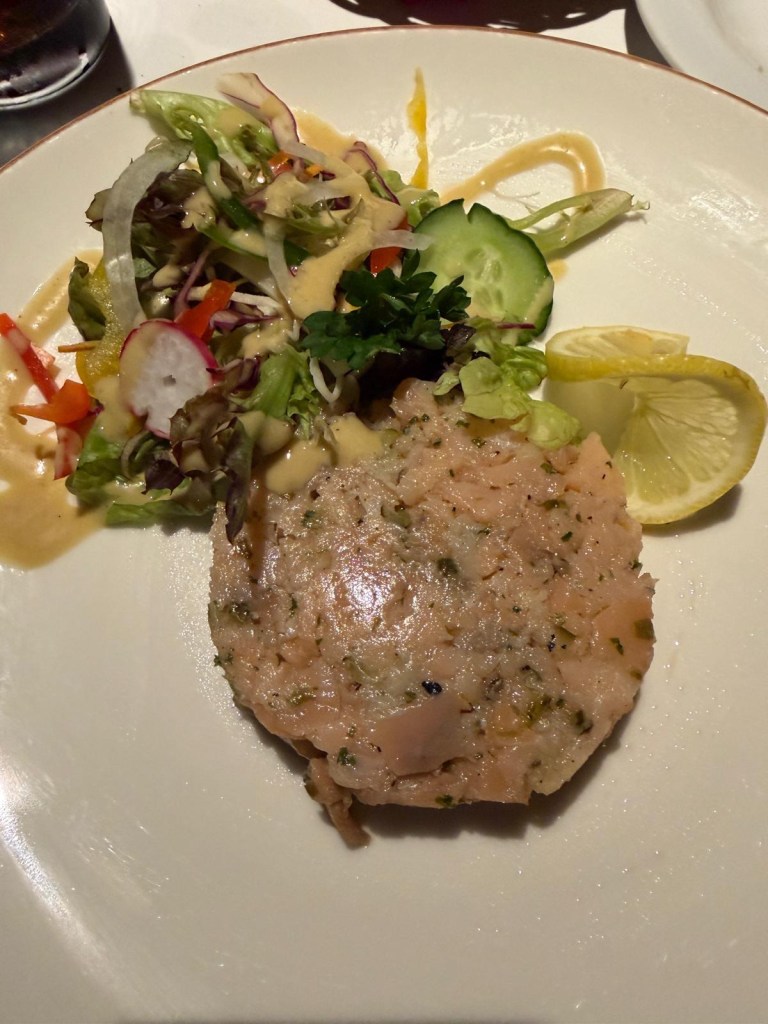
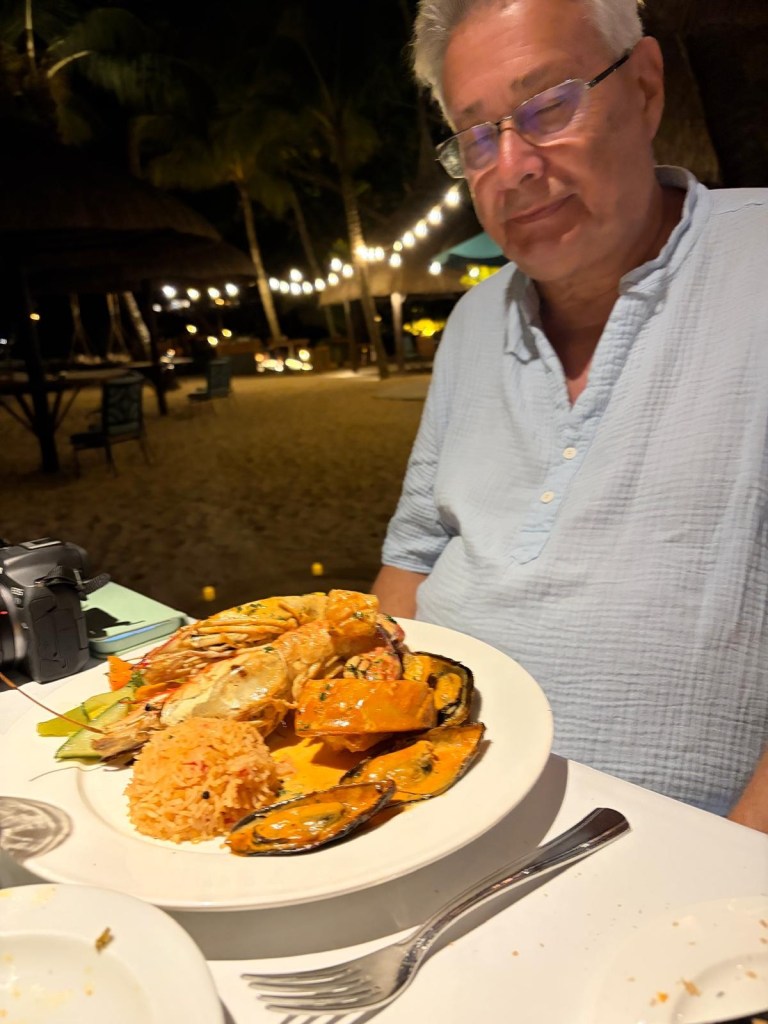
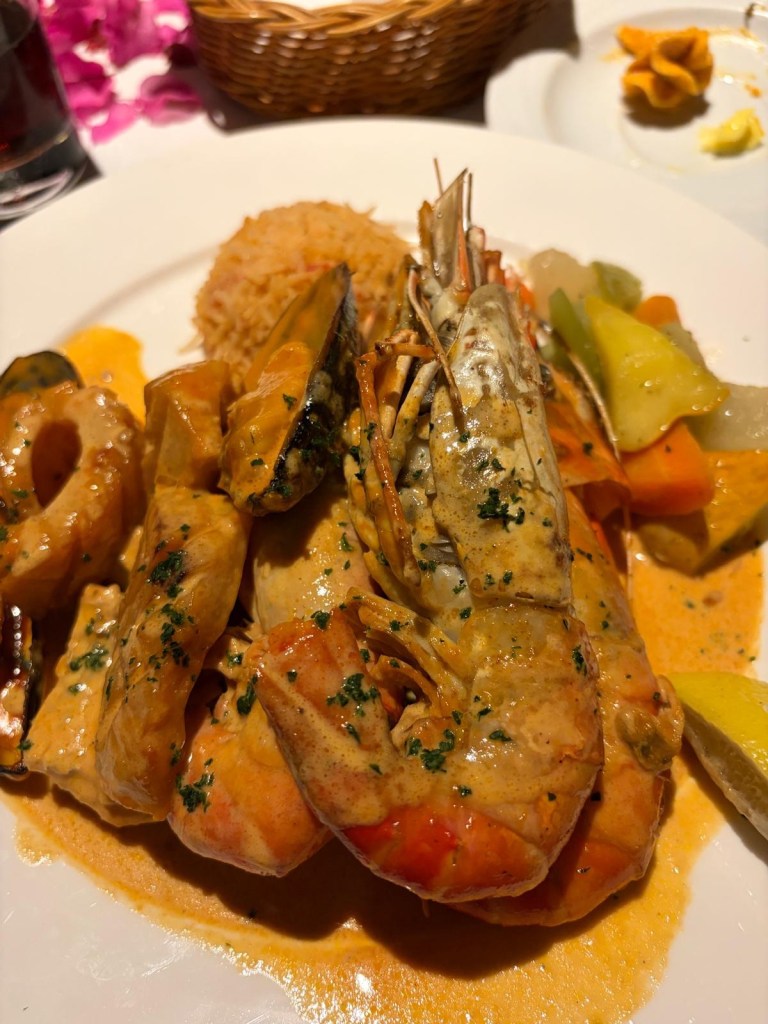
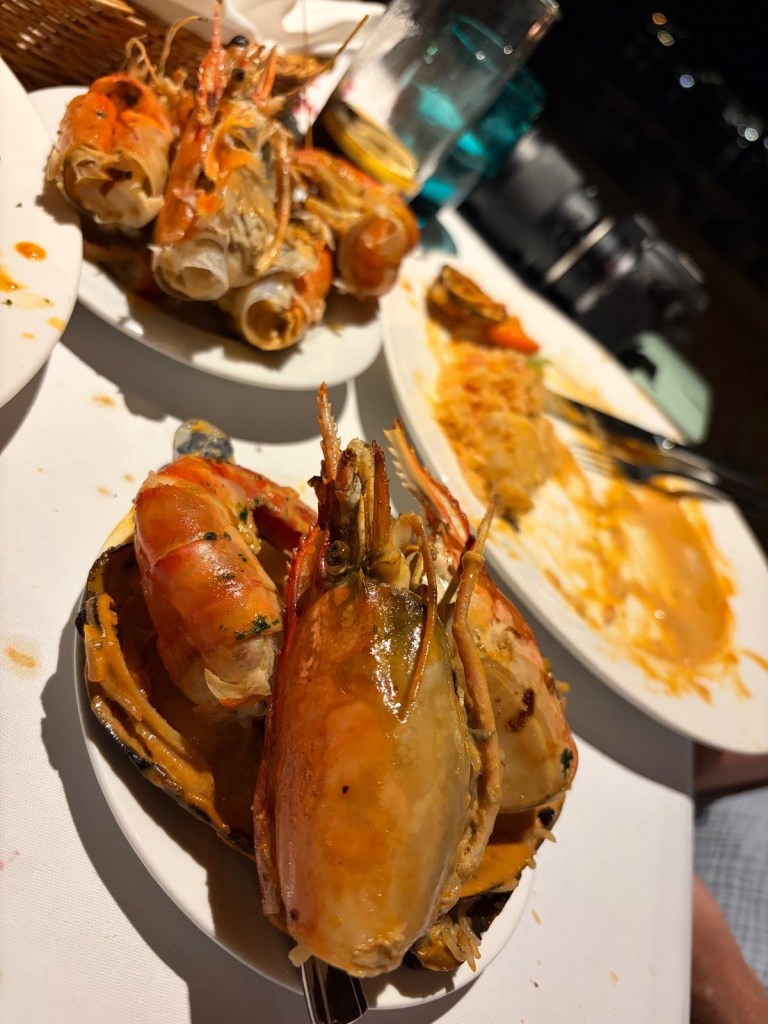
The Executive Chef came himself and said he was making a special meal for us.. smoked marlin and smoked salmon terrine, followed by a seafood platter with mussels, calamari, giant prawns and line fish, and a dessert of chocolate cake and ice cream…. We said it sounded wonderful ….. and it was….
Lovely starter.
The main course…
The proof of how yummy it was ……
Empty plates.
We really couldn’t manage chocolate cake after this so we asked if we could just have ice cream.
It was a really excellent meal, cooked to perfection and beautifully presented. When we asked for the bill we were told there was no bill, it was to make up for our disappointment. We hadn’t expected this…and we were very touched by the generosity….. The Maritim Resort holds itself to very high standards and when it doesn’t quite meet those standards it goes the extra mile to make up for it….thank you so much…we greatly appriciate it …we highly and unconditionally recommend this hotel to anyone wanting to visit Mauritius.
On both days we breakfasted, played a few hands of cards on our terrace/verandah, it has a lovely view looking down to the sea.
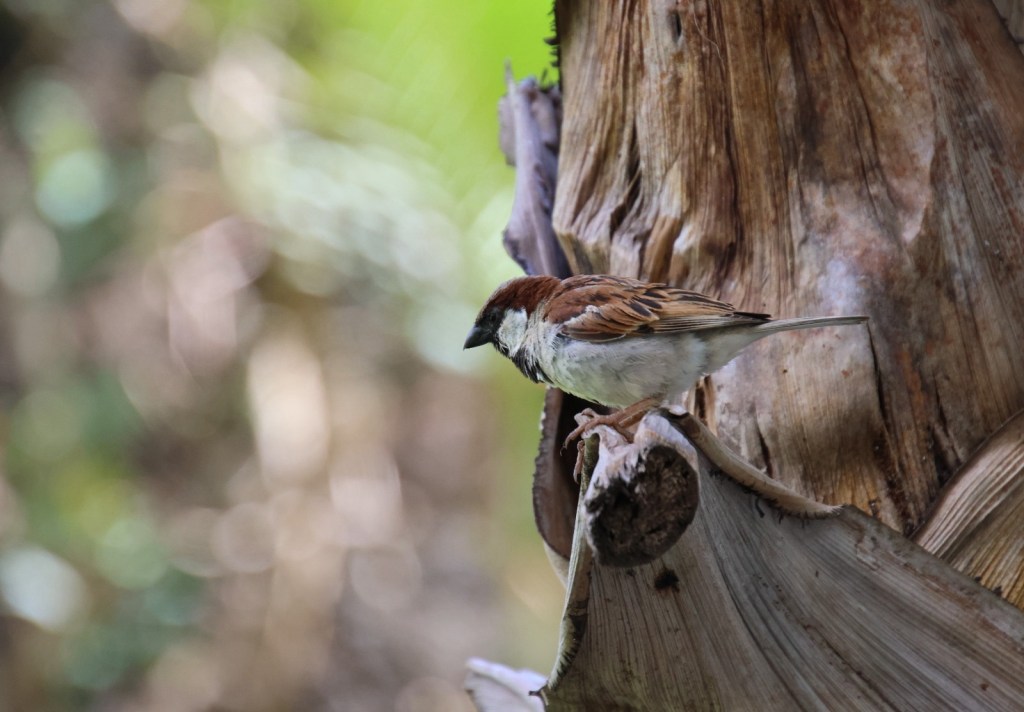
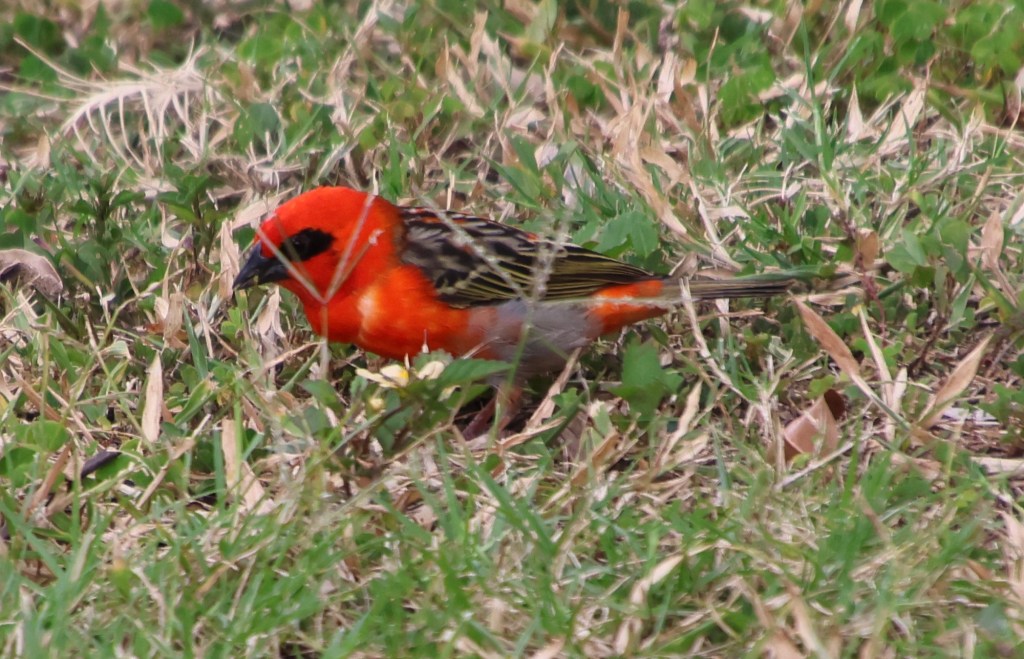
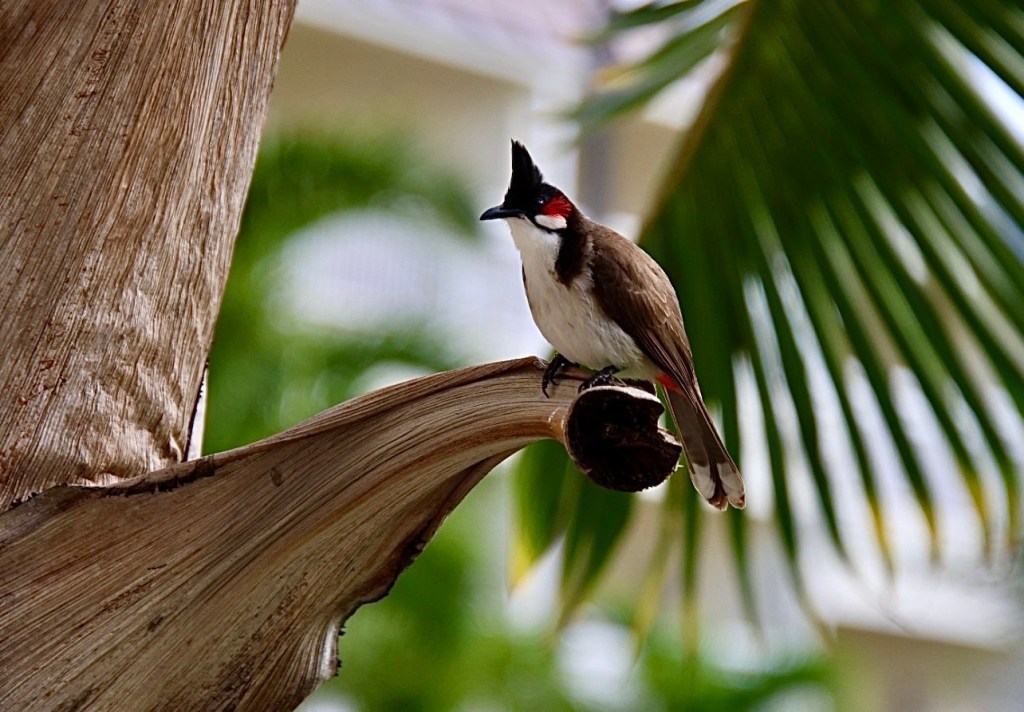
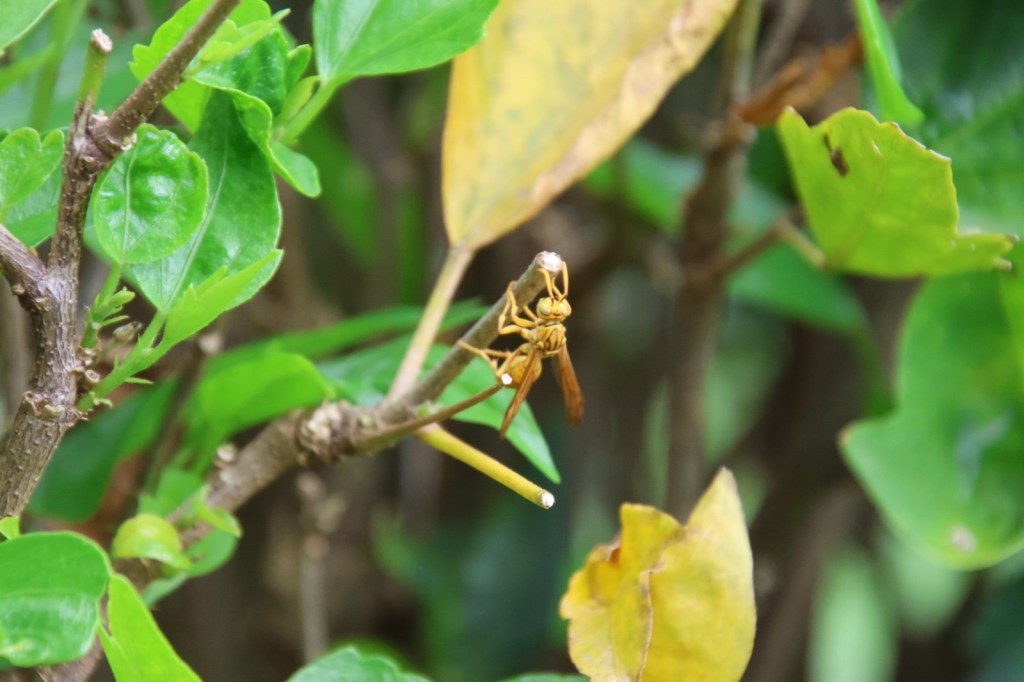
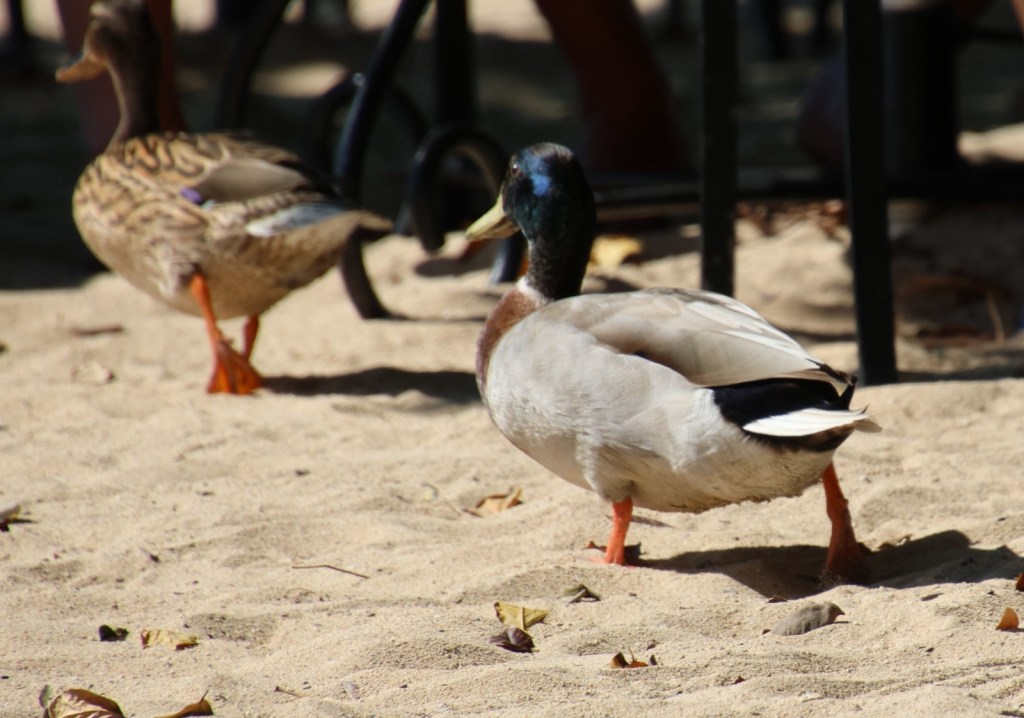
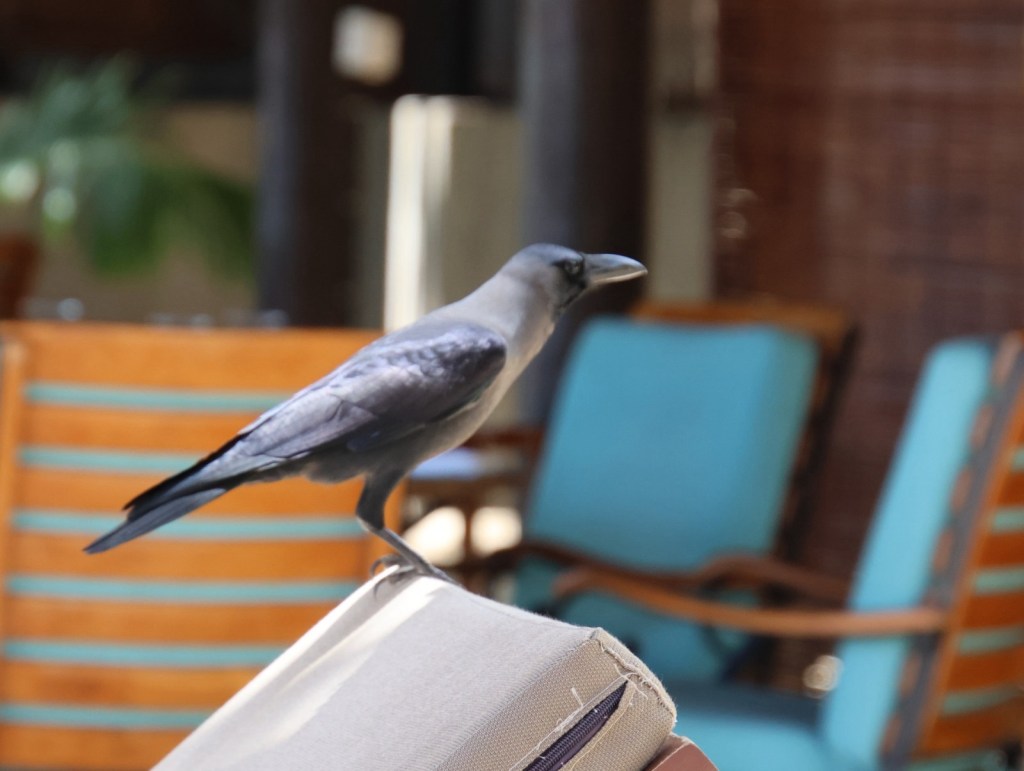
We were visited by some lovely birds and creatures.
Later we wandered along the sea front and found a lounger. Watching the world go by is always enjoyable..
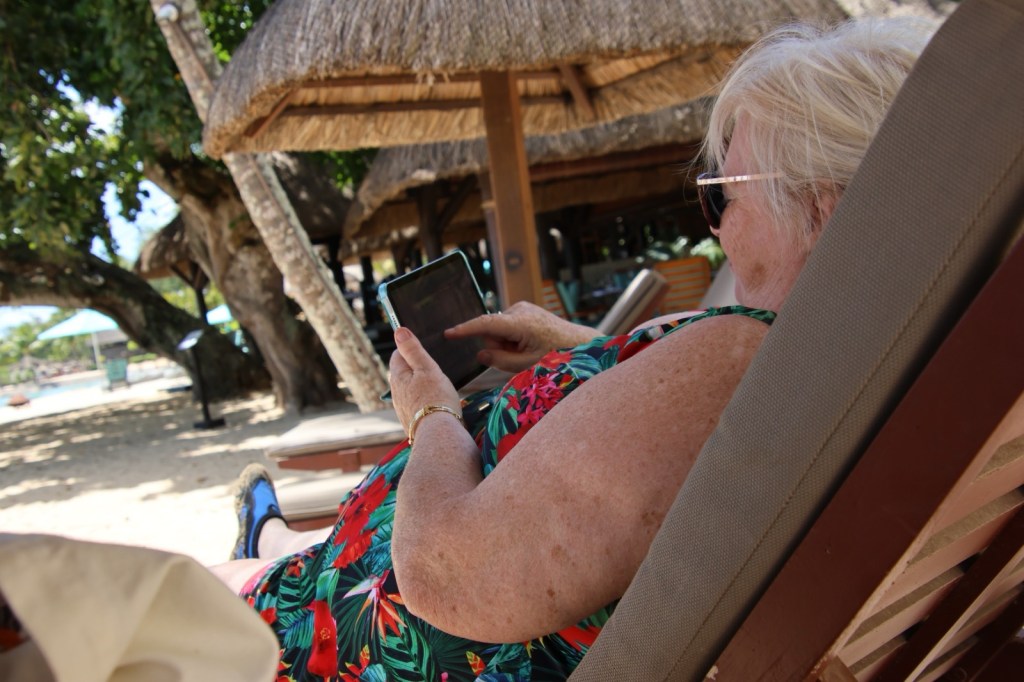
The WiFi at the hotel is brilliant and it extends to the beach ..so I lay on the lounger writing the blog from the day before…
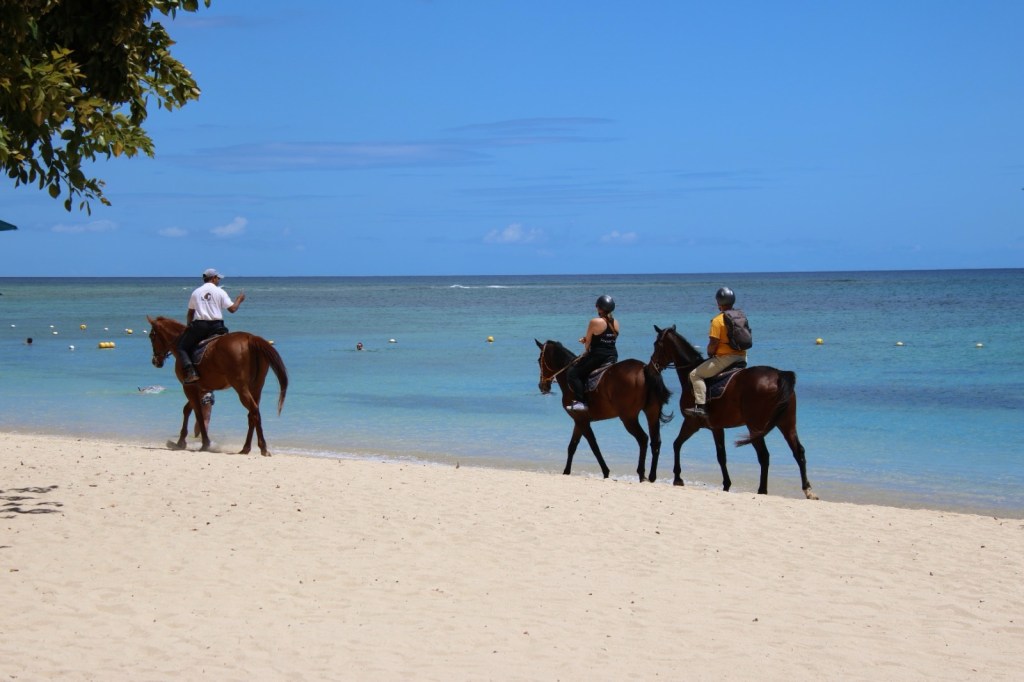
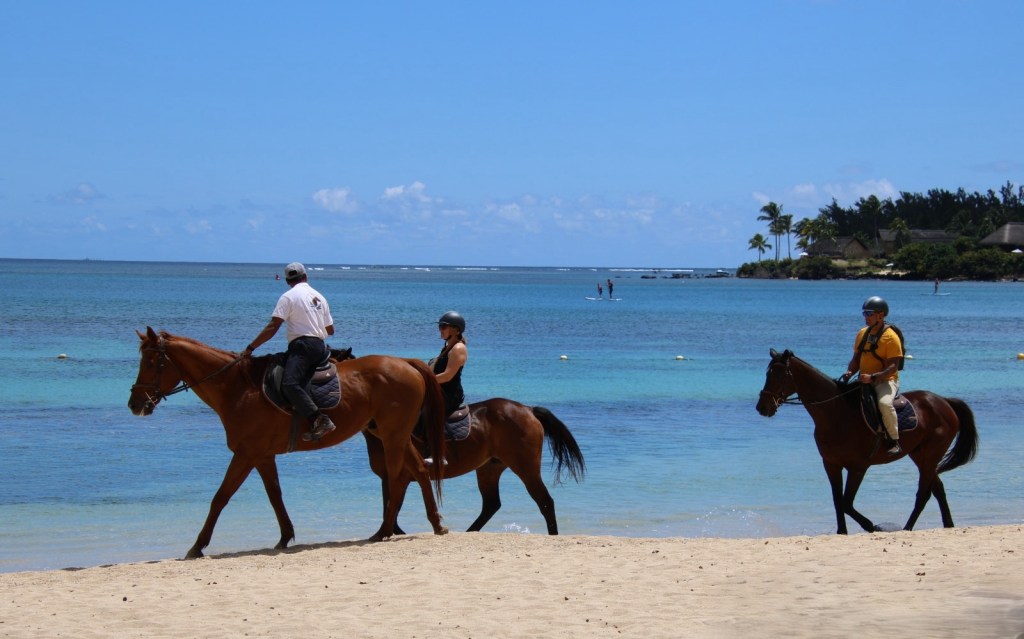
It was not without its distractions ….
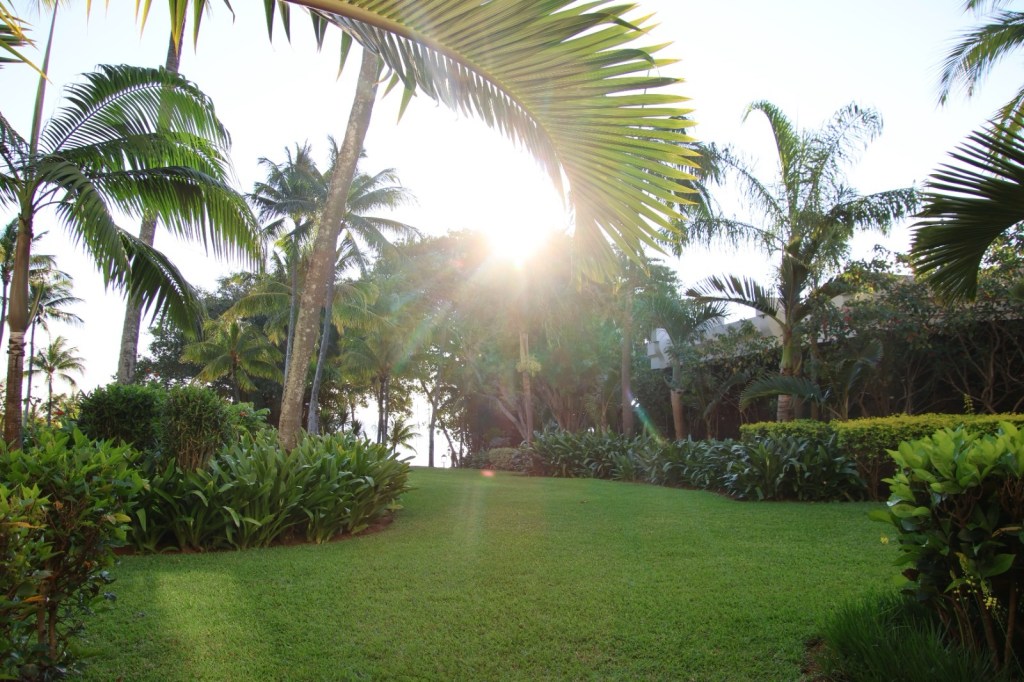
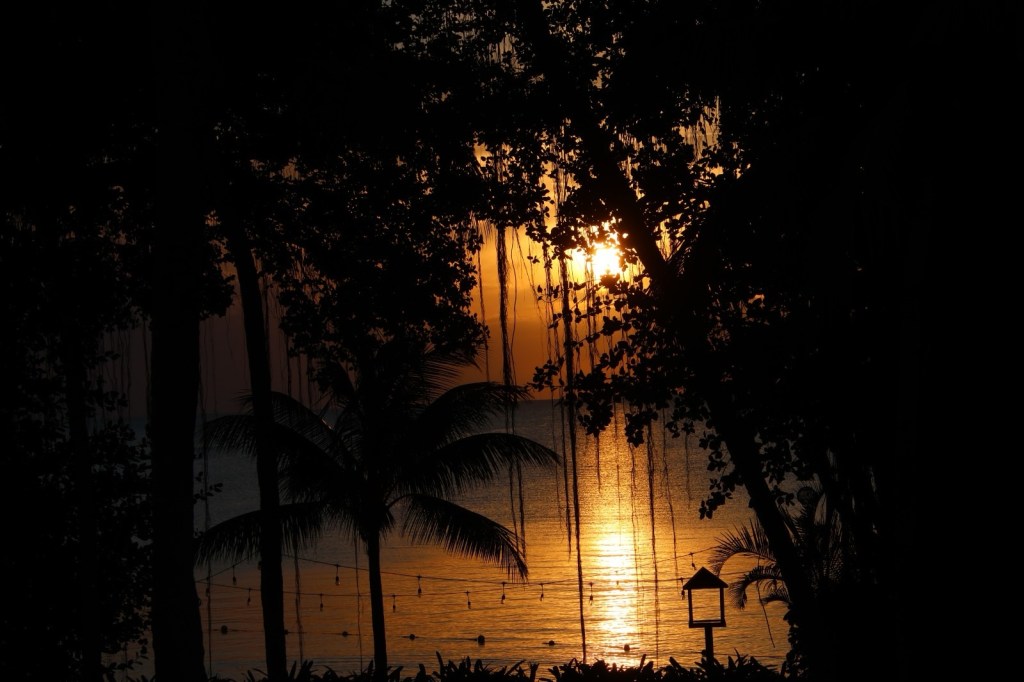
On each evening John wandered down from our room to take sunset pictures..
The first evening we ate at La Maree, the seafood restaurant. It was our 3rd visit here. It was more busy than normal and, unfortunately, that put all the staff under pressure and the food wasn’t up to its same previously exquisite standard. The pressure on the kitchen had meant the chef had forgotten to dress the risotto with any seafood, and the pressure on the waiting staff meant that the food wasn’t hot when it arrived….they were highly apologetic and offered to replace the food immediately…but as you probably know from your own experiences …the moment for wanting to eat had passed by then……
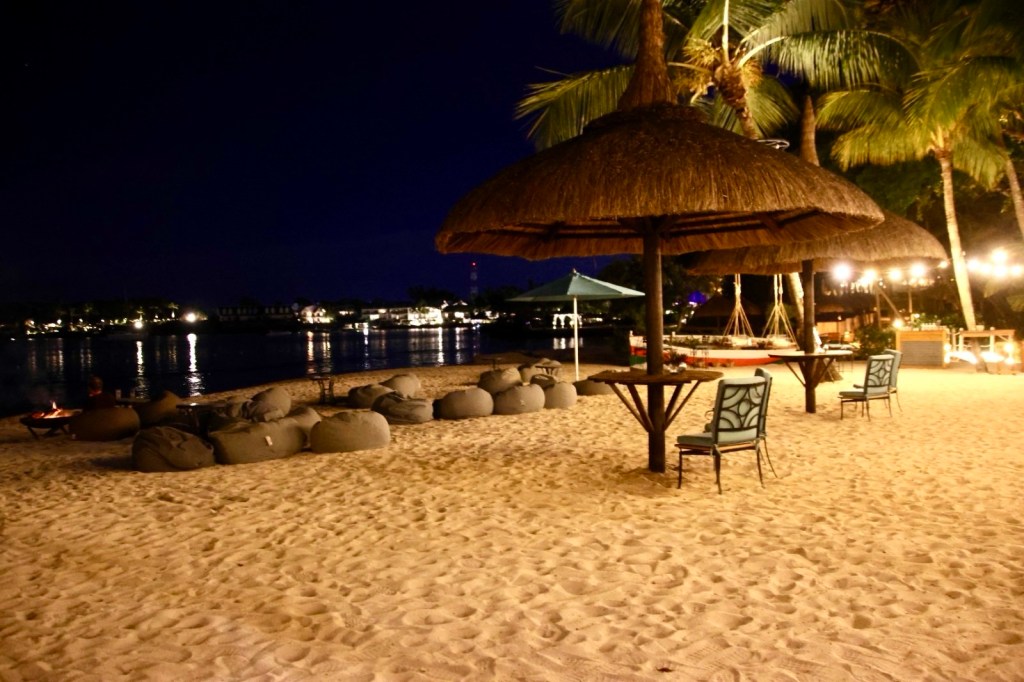
However sitting on the shoreline listening to the waves splash in and out is always a delight.
On our way to the beach the following day, as we were walking past La Maree the manager stopped us and once again apologised for the previous evenings meal and invited us for supper…as we had already booked at Anno that evening we agreed to go the following evening on day 12. It was an appreciated, kind gesture.
The second beach day was the same as the first. In the evening we headed off to Anno …..we had previously met the manager and the head chef, so we were looking forward to this new experience and it didn’t disappoint…
We went to reception and within a couple of minutes a buggy arrived to take us… it really is a beautiful setting …
We were greeted and given a choice of seating, we selected to sit on the stoop outside.
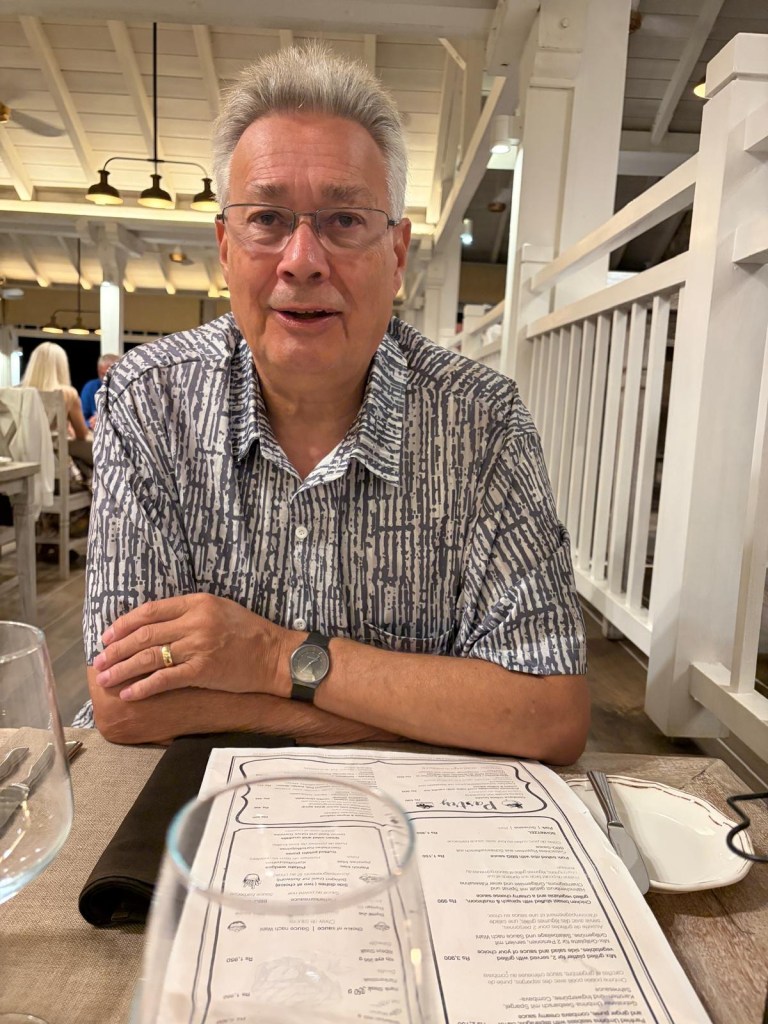
The menu was quite extensive but as we had previously browsed it we already had an idea of what we wanted to eat..
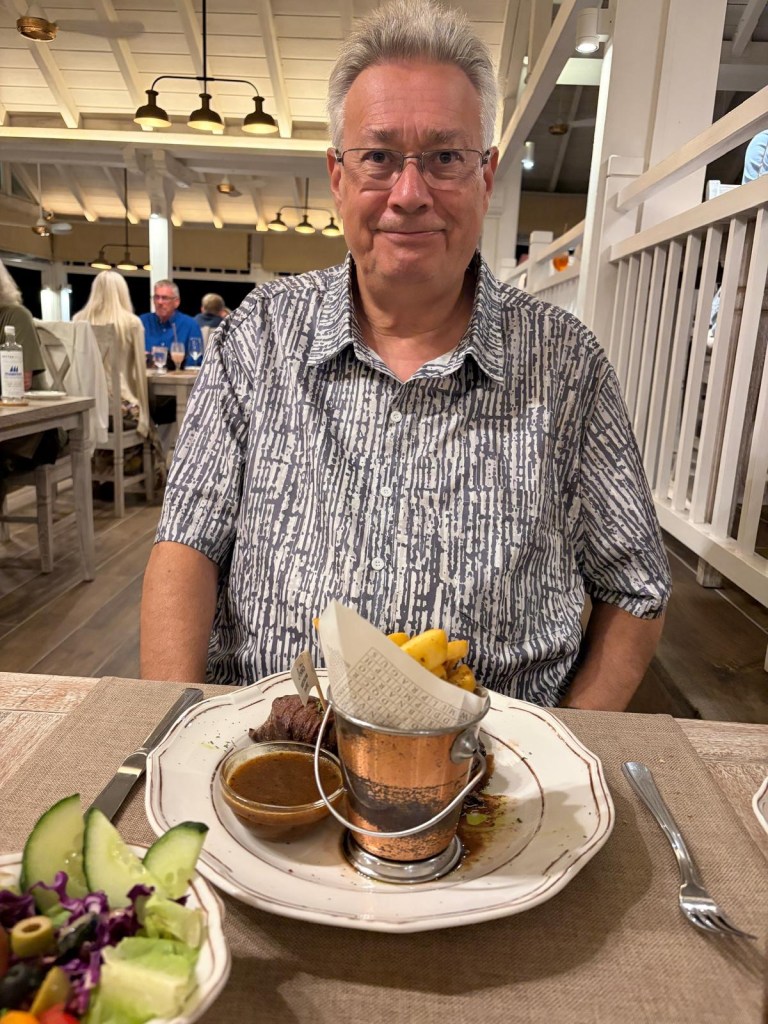
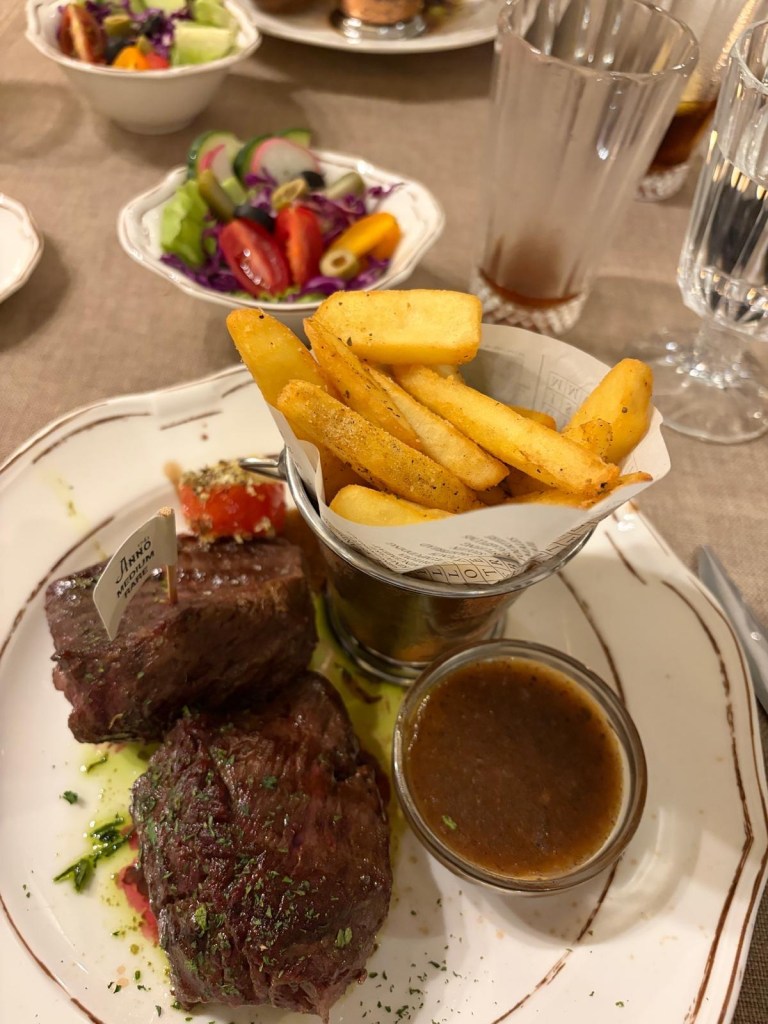
Yes!! We went for the fillet steak….we gave the starters a miss because we felt 3 courses with meat as our main would be too much … and anyway they served a lovely amuse-bouche.
The main course arrived..wow!!
It was delicious, very tender and neither of us could actually finish it…..
Marday, the chef, appeared from the kitchen to check we had enjoyed the meal…which of course we had…scrumptious, cooked to perfection.
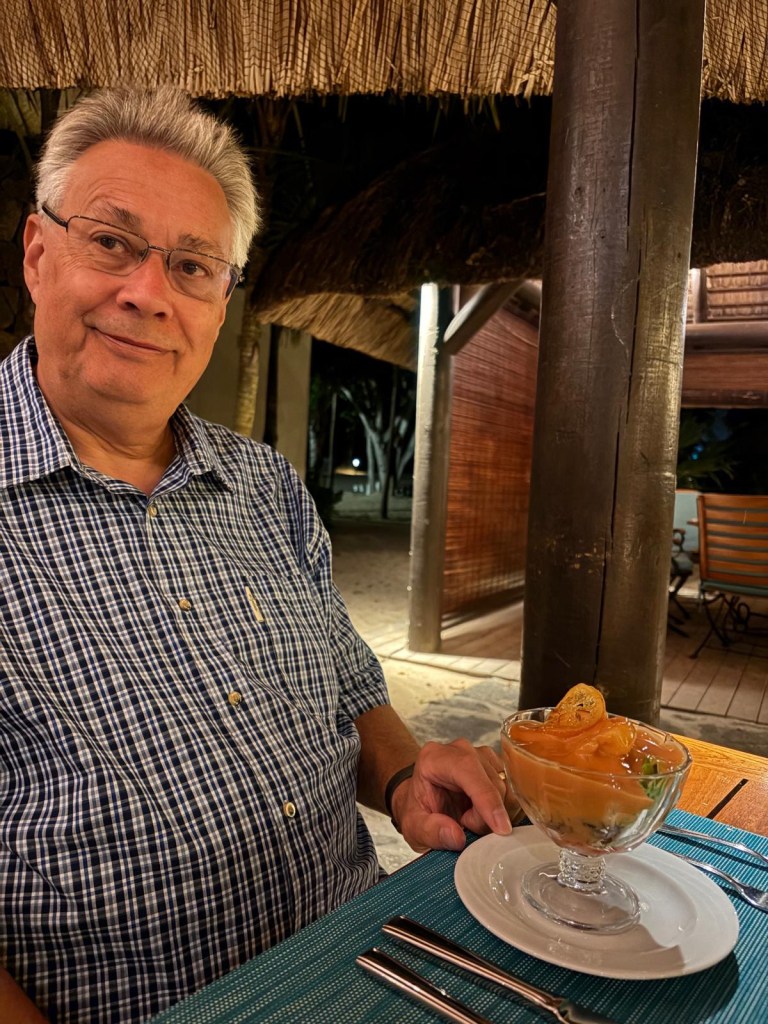
For dessert we both had two scoops of ice cream and because I had been dithering between sorbet and ice cream the waiter had added my favourite mango sorbet to mine…talk about spoilt.
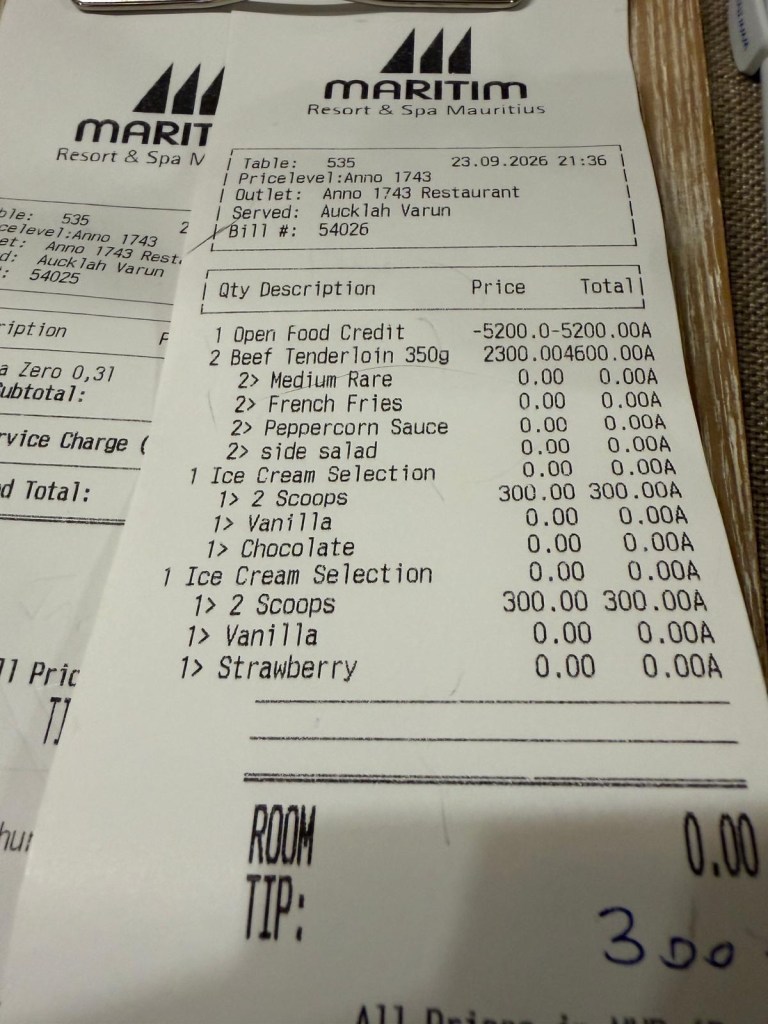
We hadn’t added up the cost of the meal as we went along because we just don’t do that, we eat what we want and pay what it costs….so expecting a hefty additional bill- they deduct the allowance we’re given for our half board and then we pay the difference….so we had to laugh when we got the bill …we couldn’t have done it if we’d tried!!!! We were spot on our allowance …wow!!!
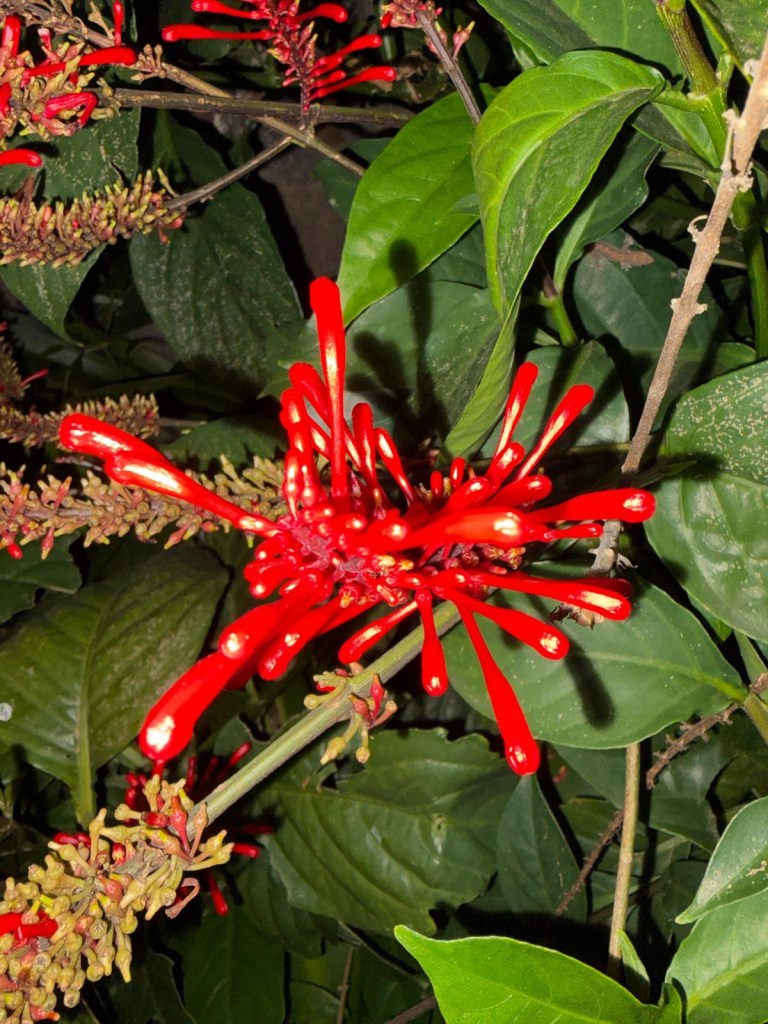
The waiter called a buggy for us and we strolled out into the moonlight to wait for it…I couldn’t resist a few photos of the vegetation around the entrance …
What a wonderful couple of days we had had…..more tomorrow please!
I will blog the last 3 days tomorrow…as we’ve had a busy day today and I’ve been a bit sleepy, which for me is a rarity…..John keeps asking if I am unwell…as it’s pretty unheard of for me to sleep during the day…it’s pretty unique for me to sleep at night🤣🤣🤣
But I just wanted to let you all know that …..today is
2 J’s World of Adventures 9th anniversary.
We started our site on holiday information and blogging our trips when I retired 9 years ago…wow hasn’t the time gone quickly….
SO we would like to say a very big THANK YOU to all of you who support us, read our blogs, message us, like us, subscribe to us( it’s free but you get an email when we post), comment on our site…and follow us…..it means an awful lot to us. We love to know when you’re enjoying our blogs so keep on following us and commenting….THANK YOU.
More from sunny Mauritius tomorrow but for now we say with a smile on our faces, tummies full of tremendous seafood..Good night and sweet dreams to you all….❤️❤️