When we plan a holiday to a new place, we research it and work out the places we want to visit and how long we want in each place.
We are going to start our trip in Beijing. There is a lot to Beijings history and plenty of historical sites we want to see, a culture we want to experience, enjoy and learn about….
So I will share with you our research…hopefully you too will be inspired to visit this intriguing country and see the sites which interest you.….
A brief history of Beijing – as I understand it…
Beijing became the capital of the People’s Republic of China in 1949. It is a city with over 3,000 years of history. It has evolved from the ancient states of Yan and Ji to the capital of the Yuan, Ming, and Qing dynasties. As the political, cultural, and scientific hub of China, it boasts landmarks like the Forbidden City and served as a crucial strategic location against northern nomadic tribes.
In prehistoric times the area around Beijing was inhabited by some of the earliest-known human beings. Beijing was home to the ~500,000-year-old “Peking man” fossils. It served as the capital of the State of Yan between 7th Century BC – 221 BC.
The 10th- 14th Centuries were known as The Imperial Rise The Khitan (Liao) and Jurchen (Jin) dynasties made the city a regional capital.
Between 1271-1368 the Yuan Dynasty in which Kublai Khan established his capital, Dadu, marking the first time all of China was ruled from this location.
Ming (1368–1644) & Qing (1644–1912), renamed Beijing in 1403. At this time it became the established capital, with many famous landmarks like the Forbidden City built during this time.
During the early Republic and Japanese occupation (1937–1945), Beijing officially became the capital of the People’s Republic of China on October 1st 1949.
The city was designed around strict geomantic principles, resulting in a grid system with the Forbidden City at its heart.
The Qing Dynasty expanded the city, adding significant structural, social, and military components, such as the division between the Inner and Outer cities.
Beijing transformed into a massive, modern metropolis following 1949 and after the 2008 Olympics while it still tries to balance its ancient history with modern architecture.
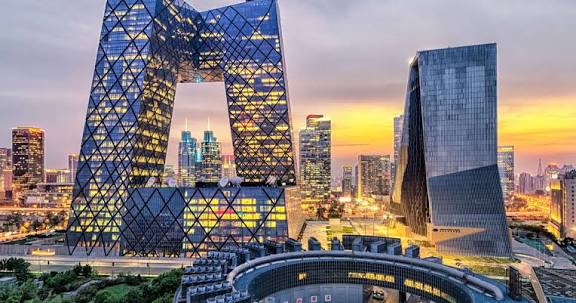
The sites we want to see and the experiences we want to have in and around Beijing are :
THE GREAT WALL OF CHINA –
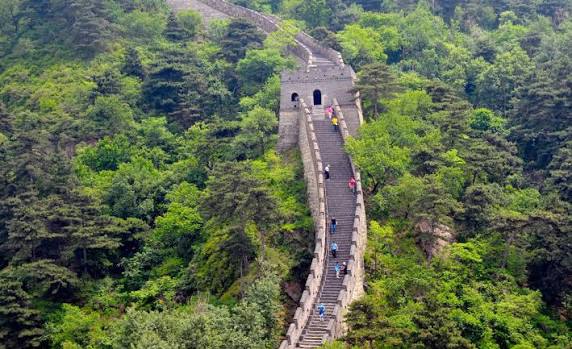
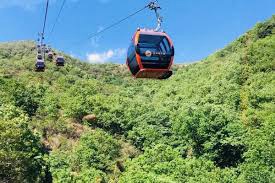
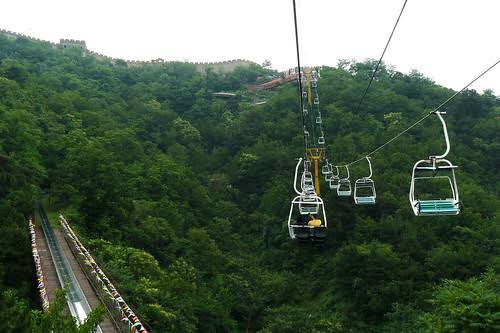
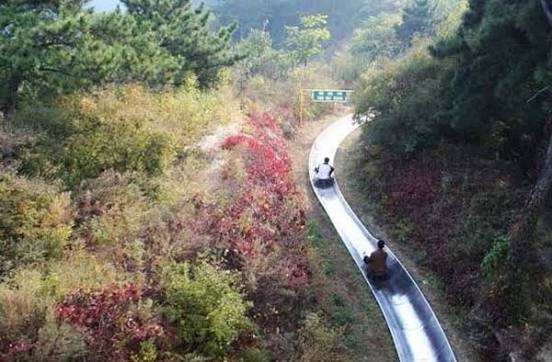
The Great Wall of China is located roughly 60–130 kilometers (35–80 miles) from central Beijing, with popular sections like Badaling and Mutianyu reachable in about 1.5 to 2 hours by car or train. The Mutianyu Section is known for being less crowded. A round-trip cable car ticket is roughly 140 CNY (£15). The cable car takes you to Tower 14, and you can also purchase a popular chair lift up and a toboggan ride down from the wall.
Historically, the Great Wall of China was built to fortify China’s northern border. The Great Wall has been the site of multiple battles and skirmishes between the Chinese and various peoples across history, including the Xiongnu during the Qin Dynasty the Khitans during the Song Dynasty and the Moguls during the Ming Dynasty .
The total length of all sections of the Great Wall of China adds up to about 21,196 kilometers (13,171 miles), including overlapping sections that were rebuilt. The wall constructed during the Ming Dynasty the most well-preserved section, is about 8,850 kilometers (5,499 miles) long.
We will continue to show you our research of more places we intend to visit in Beijing in forthcoming days…
 2 J's World of Adventure