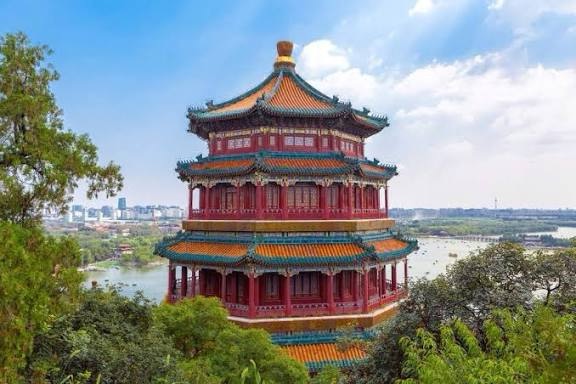
Summer Palace
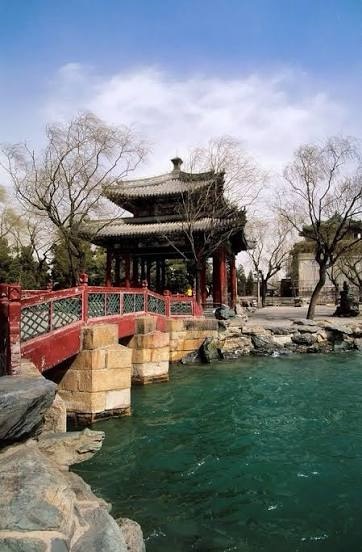
The Summer Palace (Yiheyuan) in Beijing is a vast, UNESCO-listed imperial garden from the Qing Dynasty (1644-1911). It is located in the western suburbs of Beijing, and 15 kilometers away from central Beijing. It covers an area of 3.009 sq. km, three quarters of which is water. The Summer Palace is renowned for being one of the largest and best-preserved imperial garden in China, it is regarded as a “Museum of Imperial Gardens”. It features Longevity Hill and Kunming Lake. IT is the former summer retreat of emperors offers scenic landscapes, the 700-meter Long Corridor, and the Marble Boat, making it a premier tourist destination.
While the cost to enter the palace is modest, about £8, the lines to buy tickets are often long and you need to carry Chinese cash. Pre-book online to gain access by Tickets QR and enjoy the imperial garden at your own pace.
Tiananmen Square
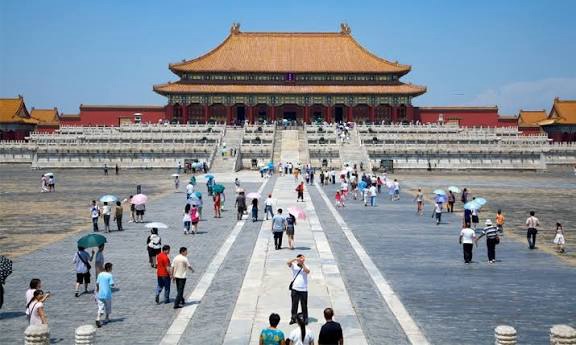
Tiananmen Square is an open square in the centre Beijing, it is one of the largest public squares in the world. Tiananmen Square was originally designed and built in 1651. It was enlarged to four times its original size and cemented over in 1958. It covers an area of 100 acres (40.5 hectares), and each flagstone is numbered for ease in the assembly of parades. The square gets its name from the massive stone Tiananmen meaning “Gate of Heavenly Peace”. It was first constructed in 1417, this was also once the main gate to the Forbidden City and is situated at the northern end of the square.
On a tiered marble terrace in the centre of the square is the Monument to the People’s Heroes. The museum on the east side of the square is the National Museum of China. This was created in 2003 by combining the former Museum of the Chinese Revolution and National Museum of Chinese History. To the south of the Monument to the People’s Heroes is the Mao Zedong Memorial Hall in which the body of Mao Zedong lies in state. Further south is the Front Gate (Qianmen). On the western side of the square is the Great Hall of the People. It is the site of the annual meetings of the National People’s Congress it contains a meeting hall with more than 10,000 seats and a banquet hall capable of seating 5,000.
Due to its immense size Tiananmen Square has been the rallying point for student demonstrations for decades. Two of the most notable were the May Fourth Movement (1919) and the Tiananmen Square incident (1989).
 2 J's World of Adventure