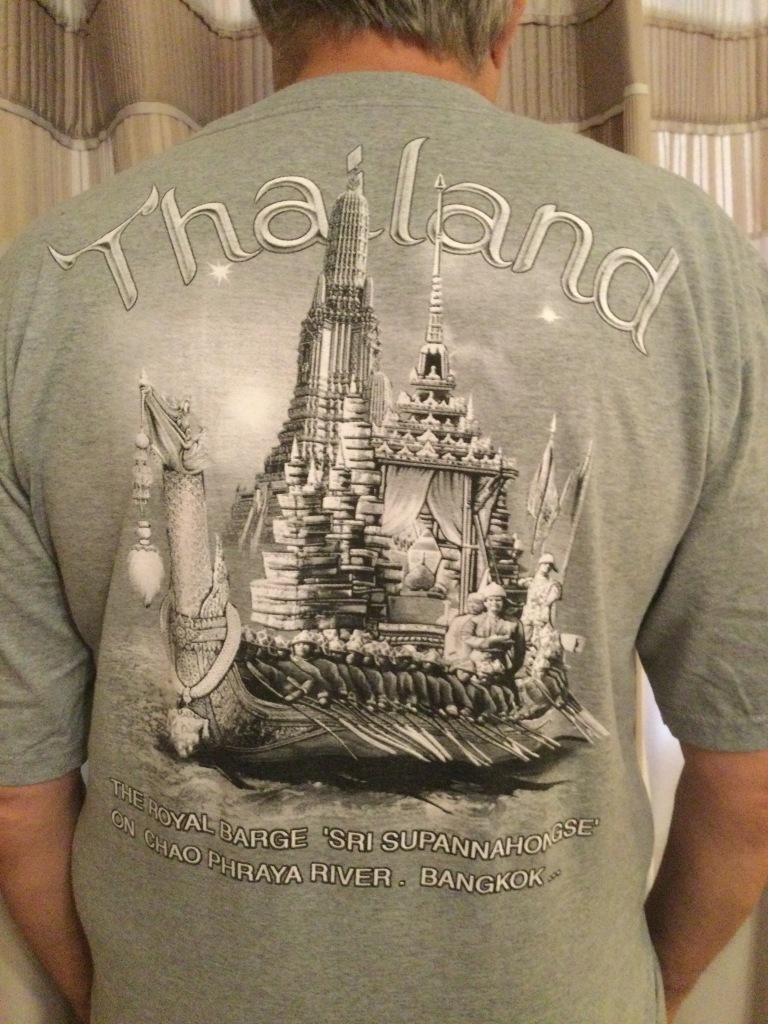
Bangkok, Thailand – BEEN THERE GOT THE T-SHIRT


Thailands official name is the Kingdom of Thailand. It was historically known as Siam (until 1939 ). It is a Southeast Asian country situated on the Indochina Peninsula. It is bordered by Myanmar to the northeast, Loas to the east, Cambodia to the southeast, Malaysia and the Golf of Thailand to the south and the Andaman Sea to the southwest. It shares maritime borders with Vietnam to the southeast and Indonesia and India to the southwest.
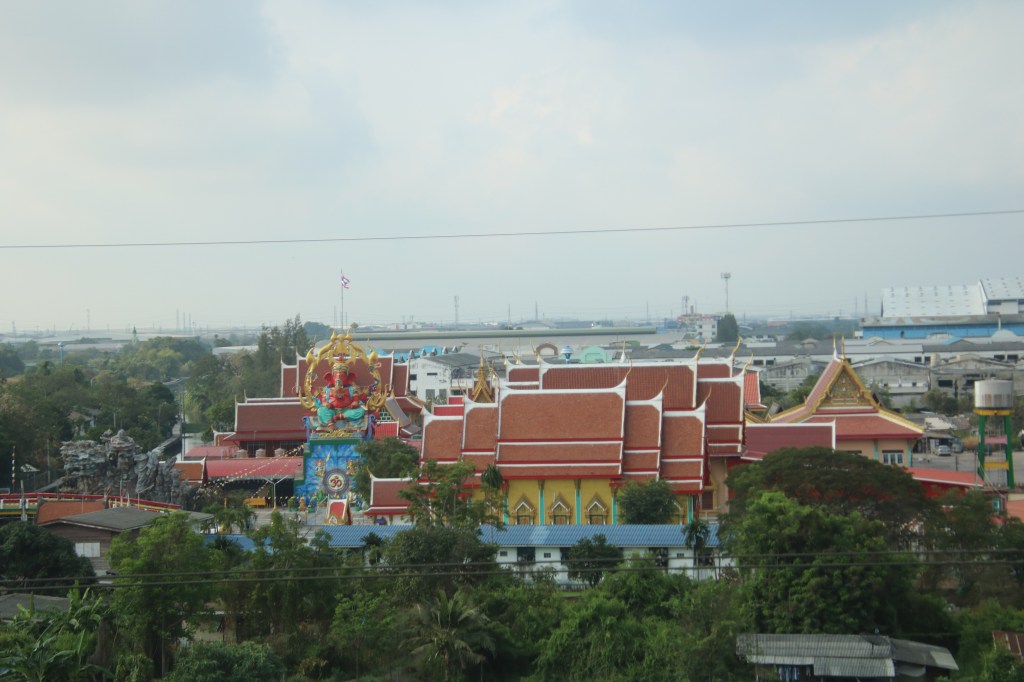
Thailand is a large country with a population of almost 70 million, it spans 513,120 square kilometres (198,120 sq miles). It’s known for tropical beaches, opulent royal palaces, ancient ruins and ornate temples displaying figures of Buddha. Bangkok is the state capital and largest city. It is an ultramodern city mixed with quiet canalside communities and the famous temples of Wat Arun, Wat Pho and the Emerald Buddha Temple (Wat Phra Kaew). 

Bangkok is within easy reach of beach resorts such as  bustling Pattaya and fashionable Hua Hin. Both are wonderful places to visit. Pattaya has some superb hotels and a very beautiful cultural centre which not only has cultural shows but also beautiful gardens and orchids. Hua Hin is also on the Golf of Thailand heading down towards Malaysia it is also close to the island of Koh Samui. The train goes regularly from Bangkok. I can thoroughly recommend the delightful Centara Grand Beach Resort & Villas. It used to be a Sofitel Hotel and prior to that it was known as The Railway Hotel. The Railway Hotel started back in the early 1920’s when the railway line from Hua Hin to Padang Besar in Malaysia was built. The Railway Hotel  opened its doors and transformed the sleepy fishing village of Hua Hin into a stylish seaside escape. Full of colonial historical architecture this beautifully preserved hotel is one of the most famous heritage hotels in Asia. Situated amid lawns, topography creations including elephant shaped bushes  and a wonderful stretch of sand makes it an idyllic place to stay….It is also famous for being in the Killing Fields film.

But I digress back to Bangkok….Our ship docked at Laem Chabang Port, in the Golf of Thailand, it is located around 80 miles ( 130 km) from Bangkok. The nearest town to the dock is 

Pattaya which is 25 miles (40 km) to the south. Travel time between Laem Chabang port and Bangkok is between 1 h 30 min and 2 hours. Pattaya is no more than 40 minutes away. Many of the cruise ships excursions are to Pattaya, a beautiful area with much to offer. However, having lived and worked just 30 minutes away in Ban Chan Village I knew the area very well, so we decided to take an excursion into Bangkok. It was Johns first experience of the capital city. ……..a funny little tale but something to remember if you’re thinking of staying in Bangkok…many years ago….the first time I visited I booked into what sounded in the write up a nice central and relatively cheap hotel, not far from the famous Mandarin Oriental ….after the first day the lovely reception and breakfast staff were calling me by my first name, sitting down and chatting with me I asked if they were always as friendly to their guest and I was told they’d never had any one stay  3 full days, most their customers paid by the hour!!!!!! ……yes I had booked into a brothel!! Albeit a very friendly one !!!!

Back to our excursion to Bangkok…..our trip into the capital was a scenic one.
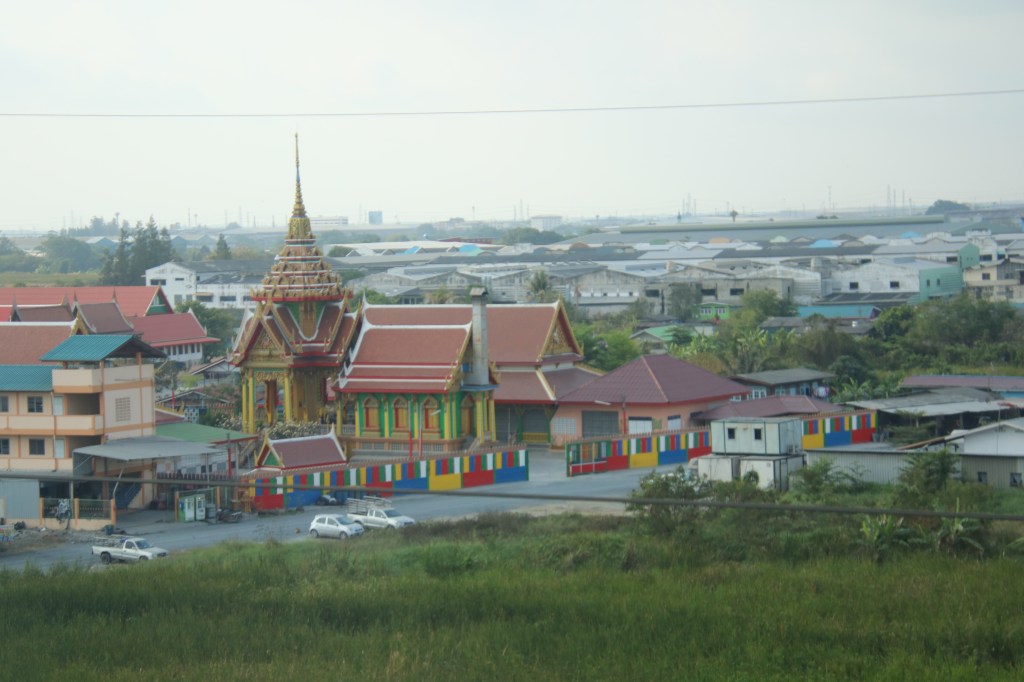
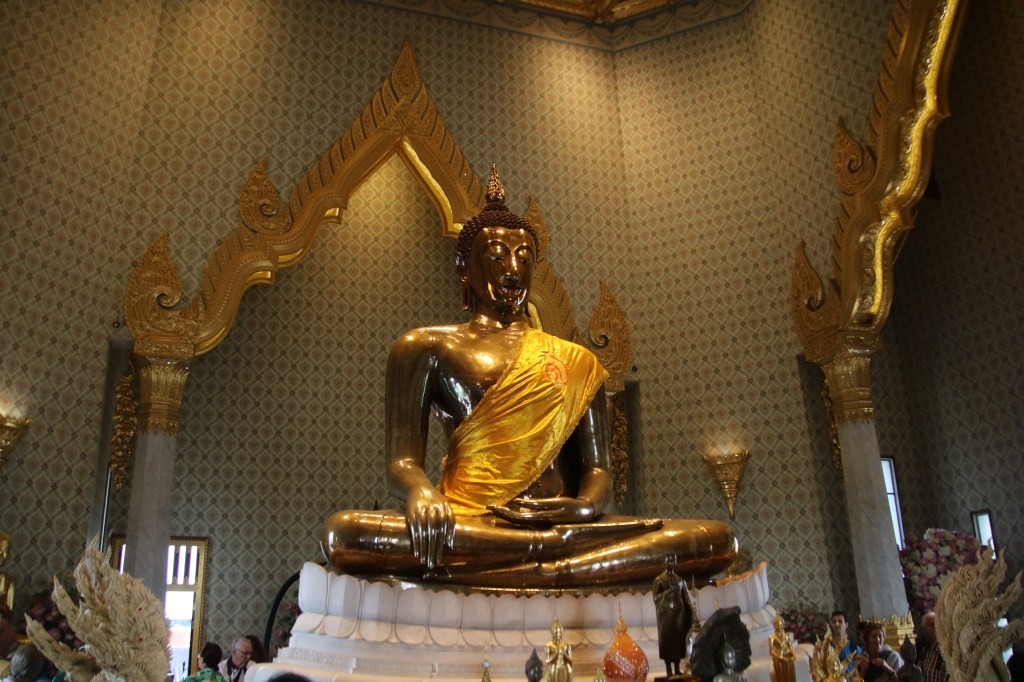
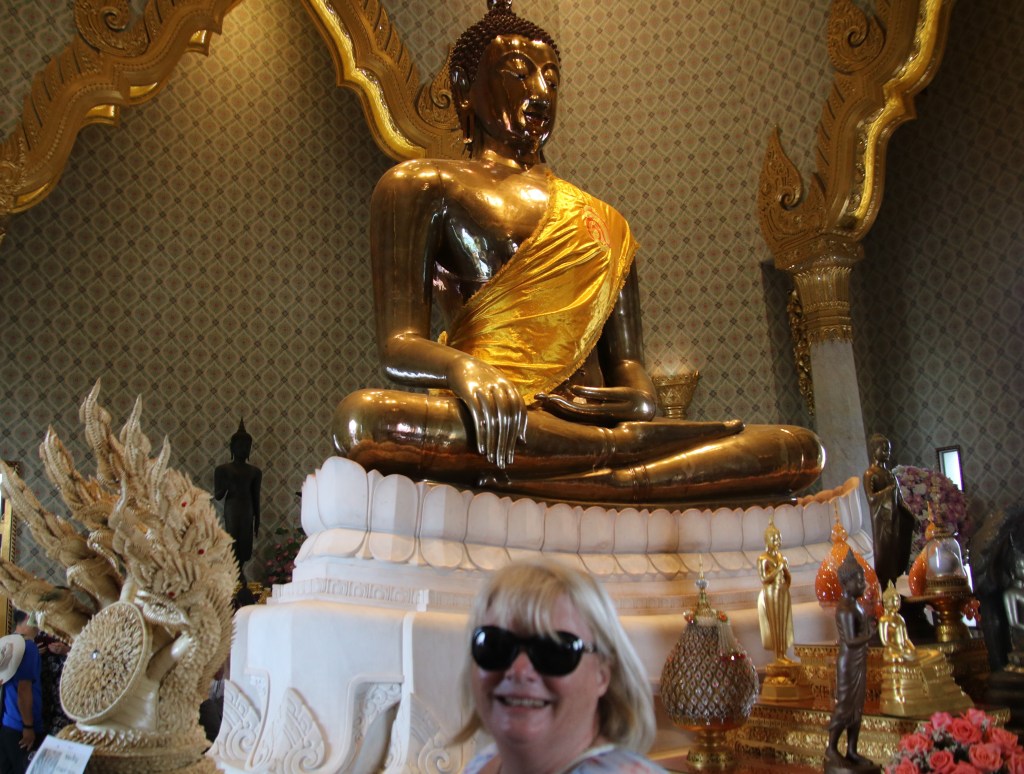
Our first stop was Wat Traimit Temple, which houses the Golden Buddha, one of the world’s largest statues of the Buddha, carved from solid gold and weighing 5.5 tonnes. 
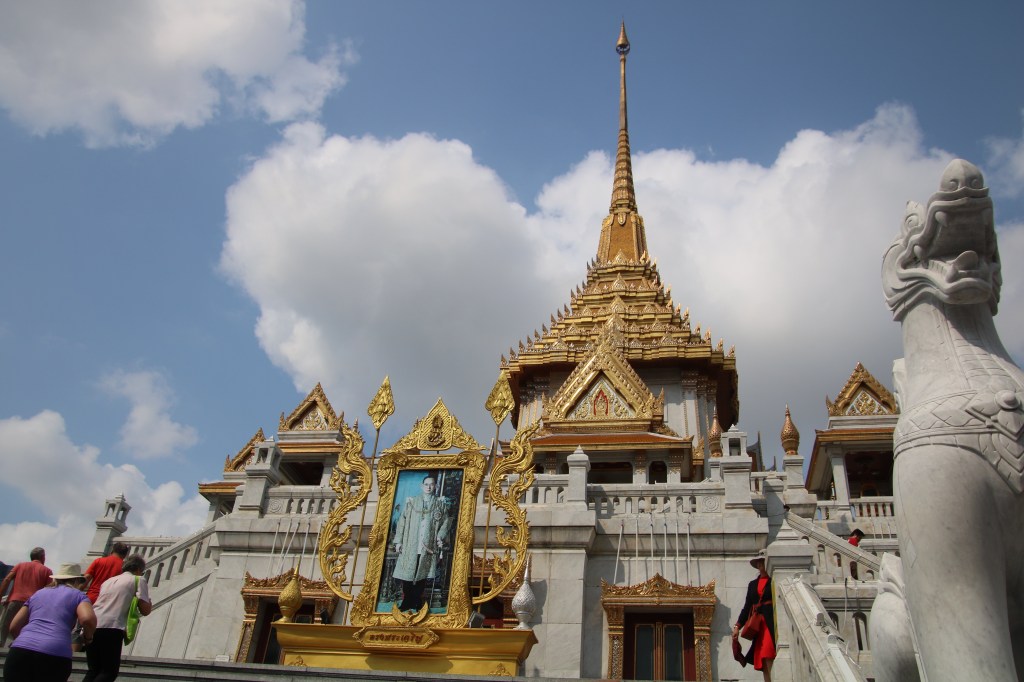
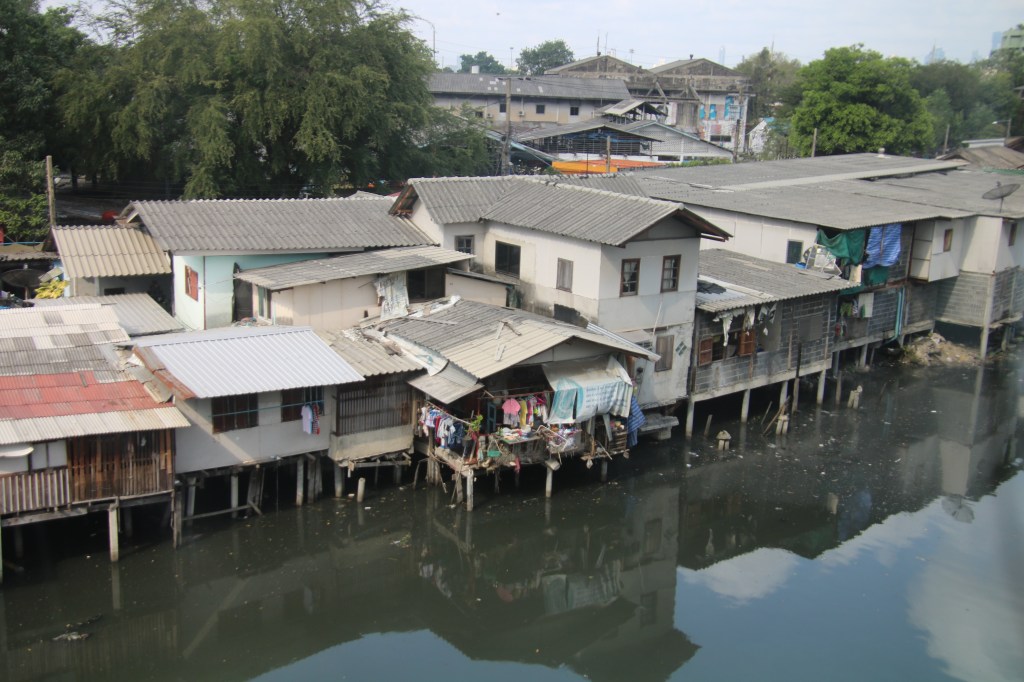
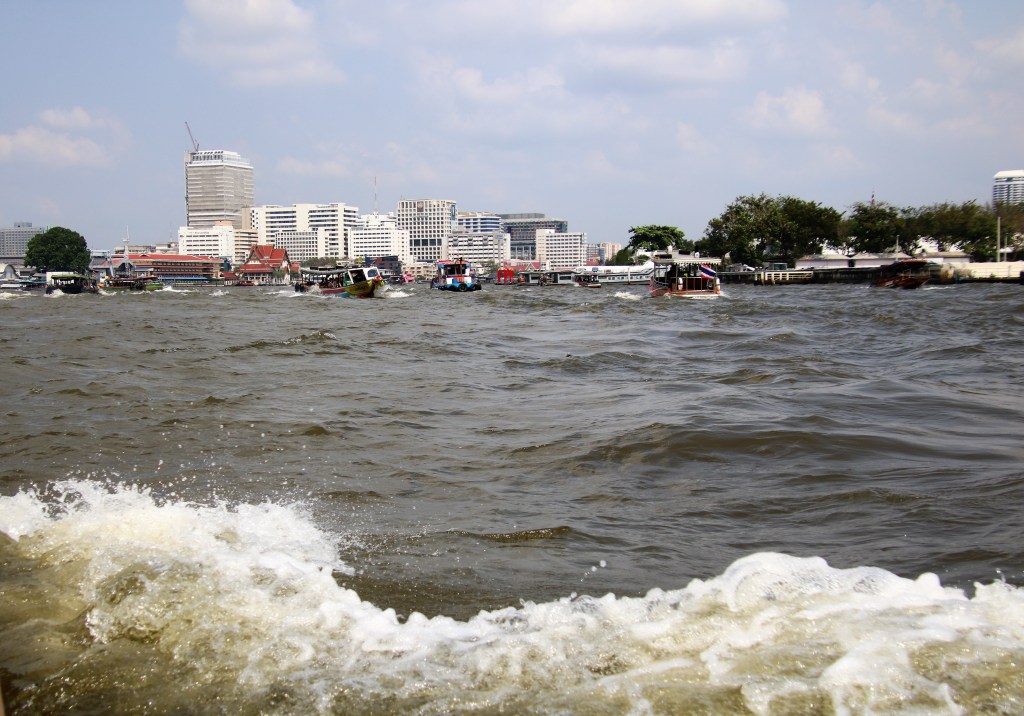
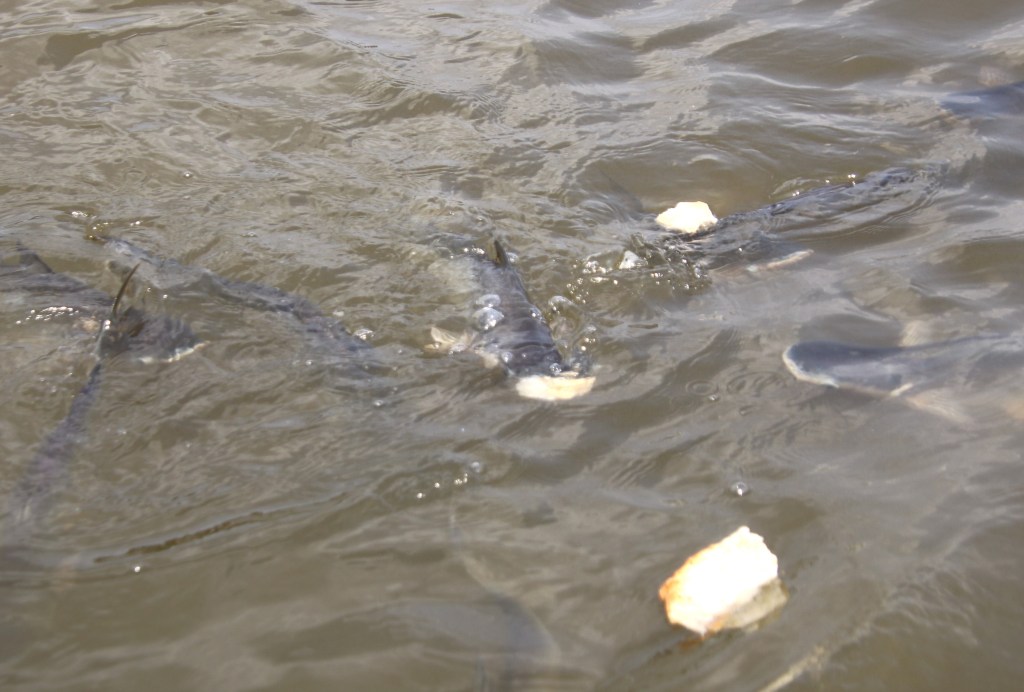
This was followed by a leisurely cruise on the Chao Phraya River and the canals we saw the floating market and the back of temples. We were also given bread to feed some huge fish.
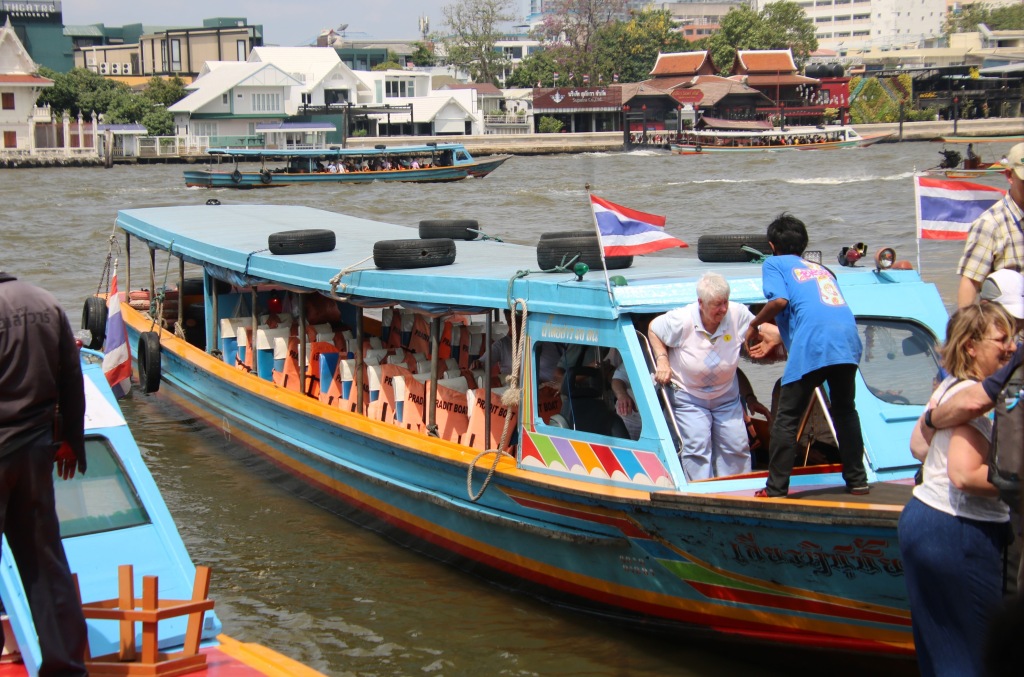
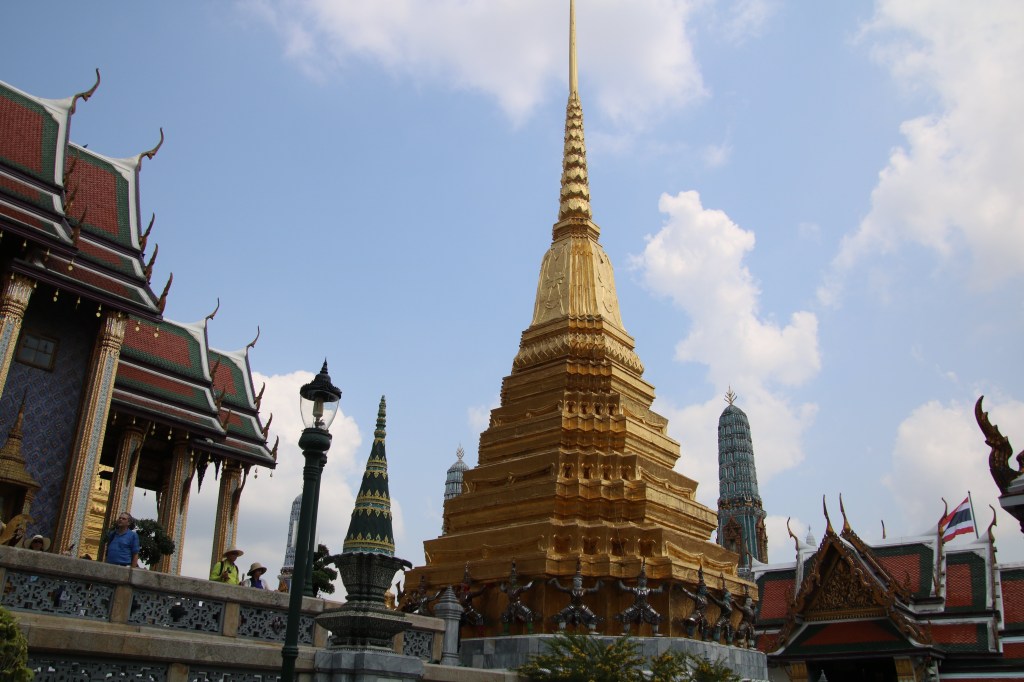
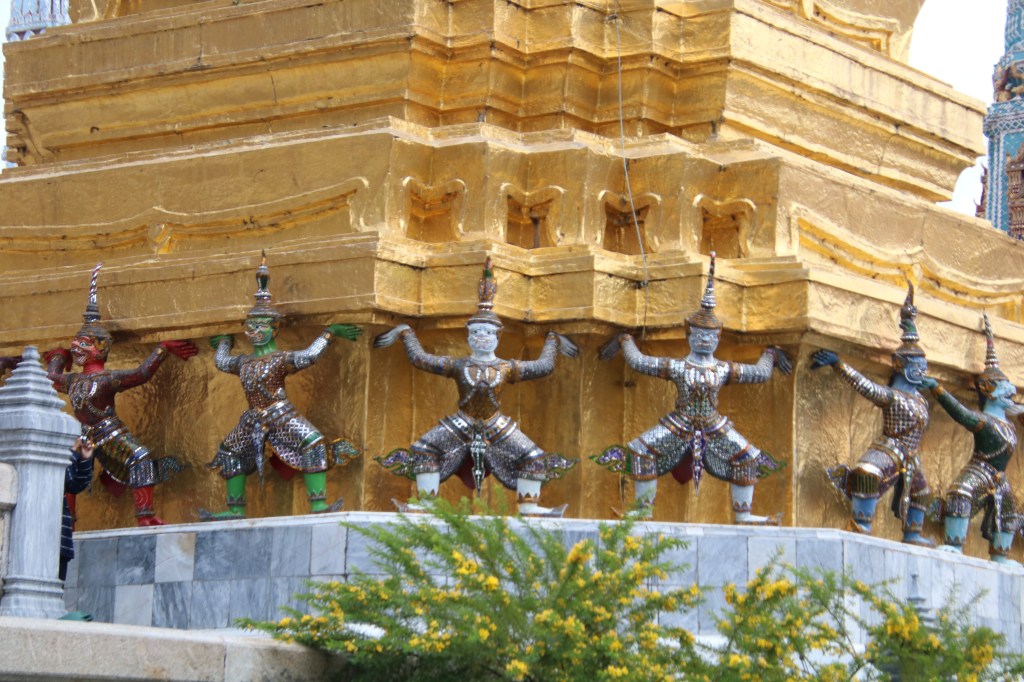
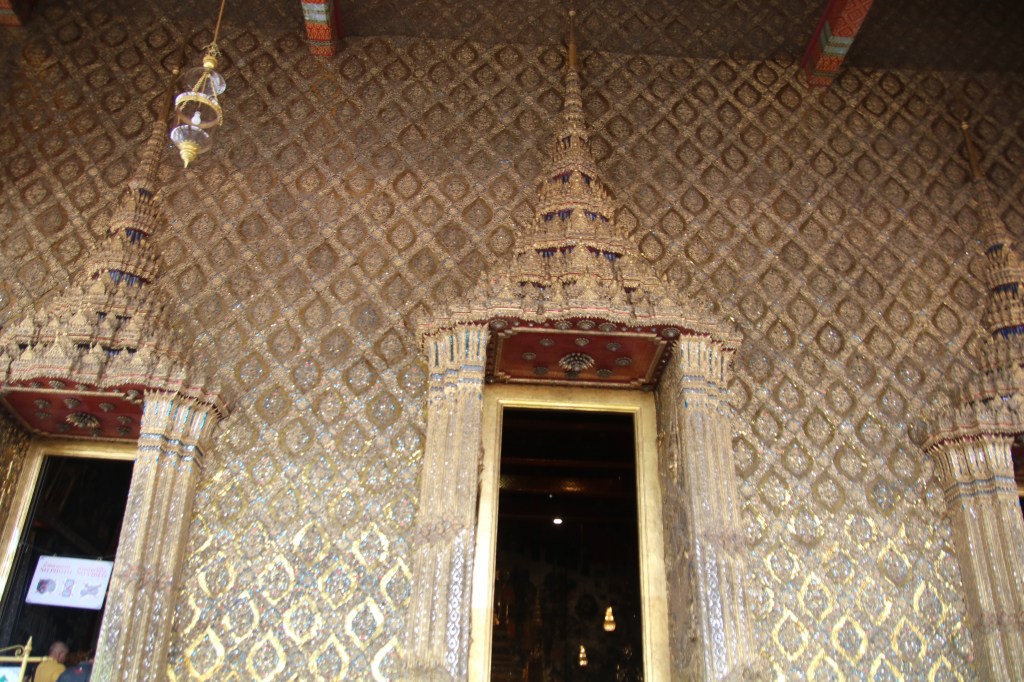
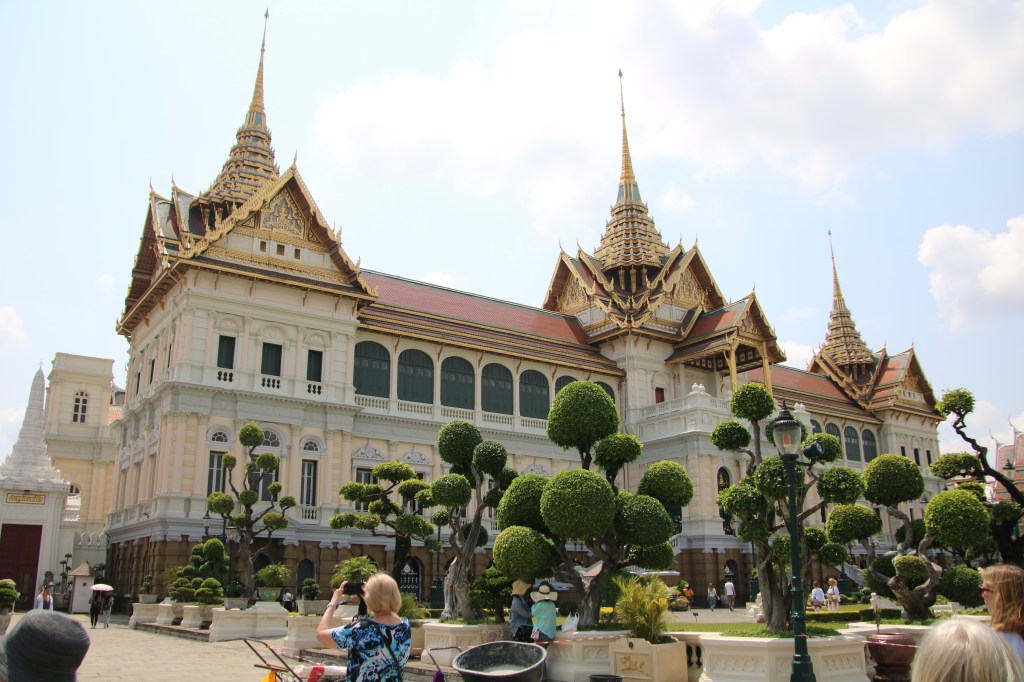
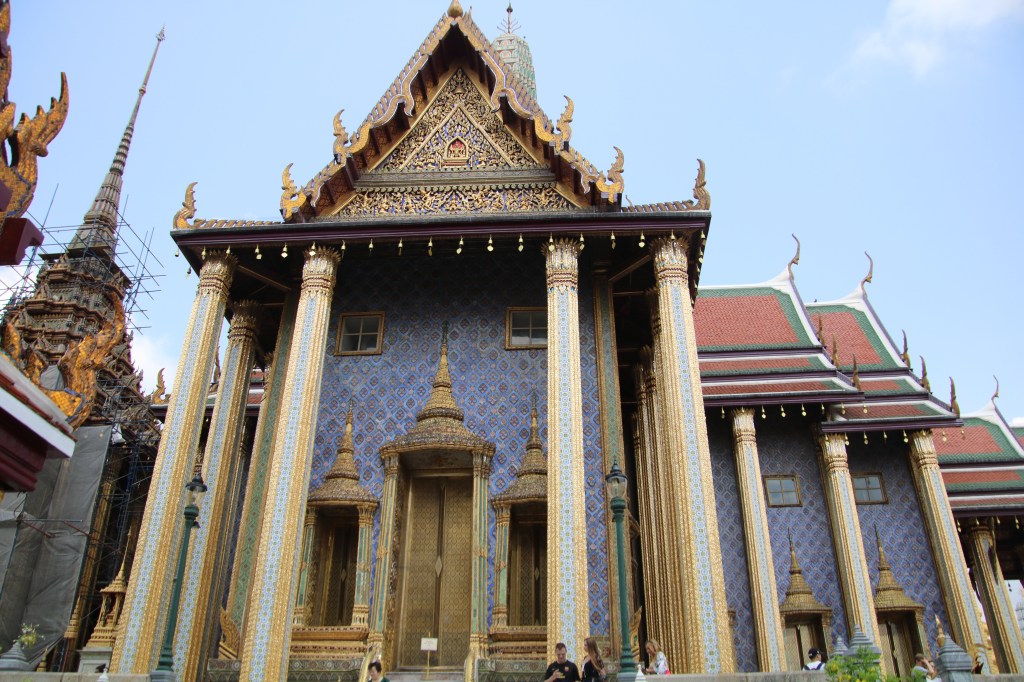
This was then followed by a walking tour of Bangkok’s Grand Palace, where we viewed the famous Wat Phra Kaeo, which is often known as the Royal Chapel of the Emerald Buddha. This is one of Buddhism’s most magnificent monasteries and one of Thailand’s most celebrated sites. At the heart of the monastery is a Buddha carved from a single piece of emerald-green jasper, perched atop a gilded pedestal. I have to admit it was a lot smaller than I had expected, and perhaps all the gold and glitz around it overshadows it and I was left feeling a little underwhelmed. I don’t know why because I’d seen it before  and remembered feeling disappointed then, so I should have been prepared second time around ….the opulence of all the gold around you is quite overwhelming in its splendour. We were rushed around the palace  because our guide said it was too hot to be out in the heat and some of our group were suffering ….it was a real shame as we had come prepared for the heat….So all too quickly we were whisked away..
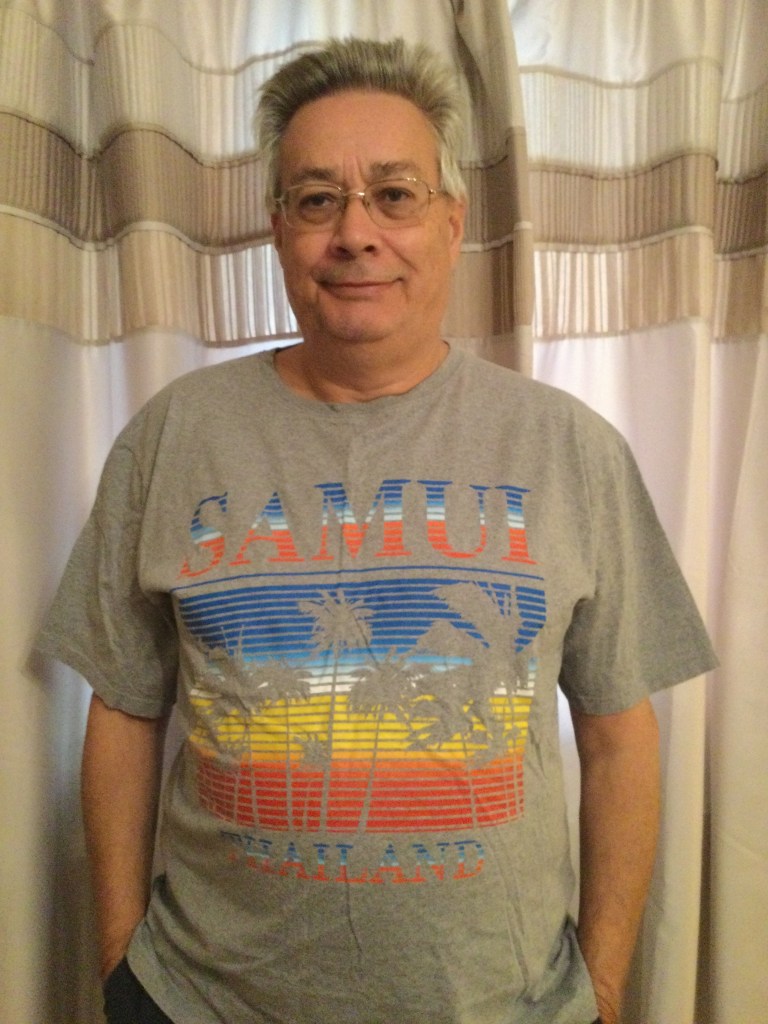
Our final stop was at a shop, back towards the dock, which sold jewellery, silk, fabric, wood carvings, souvenirs of all types to suit all pockets….we of course bought a t-shirt for John !!! 

A great day out …..Bangkok is definitely a place to visit…but several days would be better than trying to cram it all into a one day excursion. We can really recommend it as part of a visit to Thailand.
Ko Samui – Thailand – BEEN THERE GOT THE T-SHIRT

Ko Samui is Thailand’s second largest island ( Phuket being the largest),it lies in the Gulf of Thailand off the east coast.  It is in the Chumphon Archipelago and it is part of Surat Thani Province. In 2012, Ko Samui was granted municipal status and  is now locally self-governing.  Ko Samui has an area of 228.7 square kilometres (88.3 sq miles), it is 25 kilometres/16 miles at its widest part.

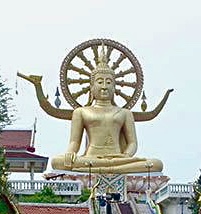
 It’s known for its palm-fringed beaches, coconut groves and dense, mountainous rainforest. It has many luxury resorts and posh spas. There is a 12m-tall golden Big Buddha statue at Wat Phra Yai Temple which acts as a landmark and is located on a tiny island connected to Ko Samui by a causeway. It’s idyllic beaches and attractions  can cause it to have many as 2.7 million tourists a year. 

The central part of Ko Samui is mostly tropical jungle and includes the islands largest mountain, Khao Pom, which is 635 m (2,083 ft) high. The lowland and coastal areas are connected by one 51 km (32 mi)long road, which encircles the island. 

On the west coast the original capital, Nathon, houses many government offices, as well as being the major port for fisheries and for vehicular and goods transportation from the mainland. The island used to rely on the local coconut industry as its main source of income, however, more recently the tourist industry has flourished and the northeastern location of the airport, has led to the increase of commercial activity in Chaweng and Bophut.

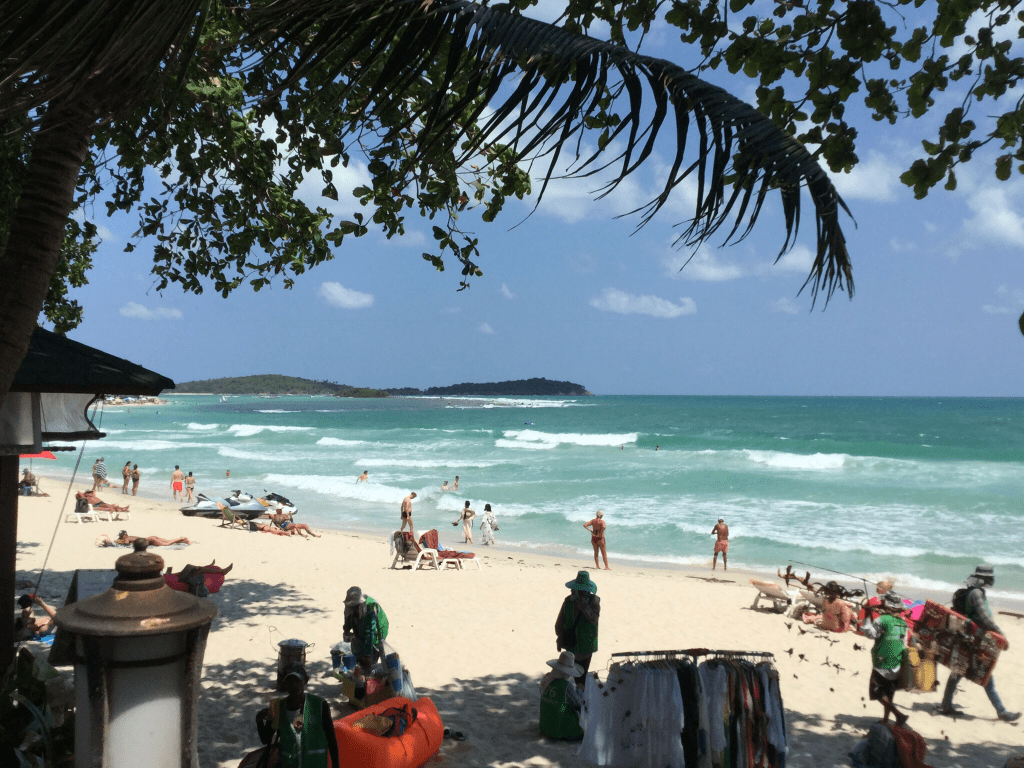
There is a lot to do and see on Ko Samui  it is home for some of the most beautiful beaches in Thailand. Its famous beaches include Chaweng Beach, Lamai Beach, Maenam Beach and Choeng Mon Beach.

There is also The Big Buddha Temple, which as previously mentioned, is one of the most iconic landmarks in Koh Samui. It has the giant golden Buddha statue, seated in a lotus position which is 12 meters high and is a symbol of peace and prosperity.

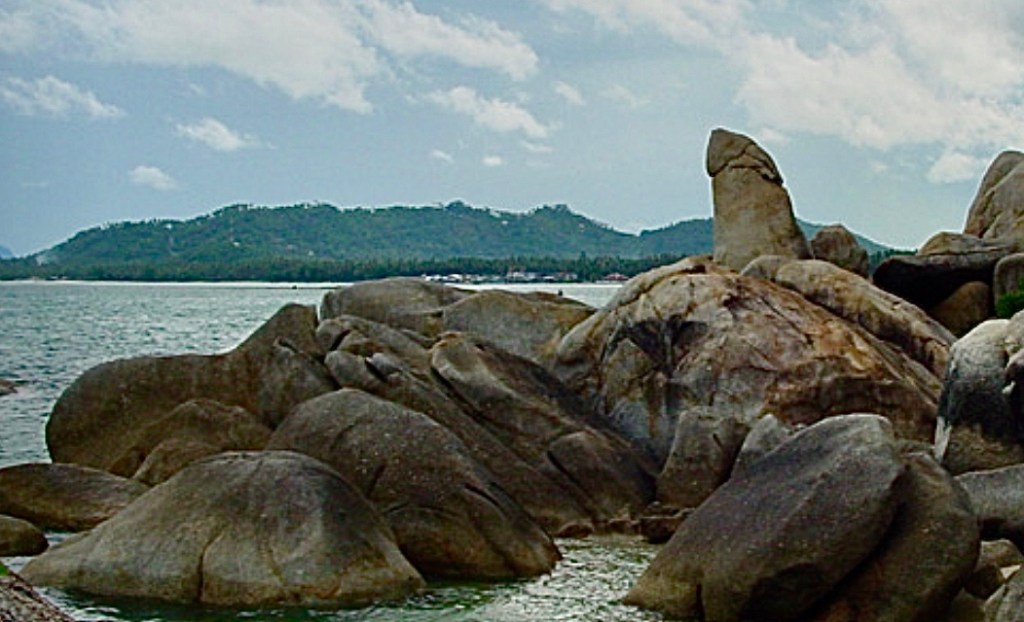
The are natural rock formations Hin Ta and Hin Yai Rocks are also known as Grandfather and Grandmother Rocks. They resemble male and female genitalia and are believed to bring fertility and good luck.

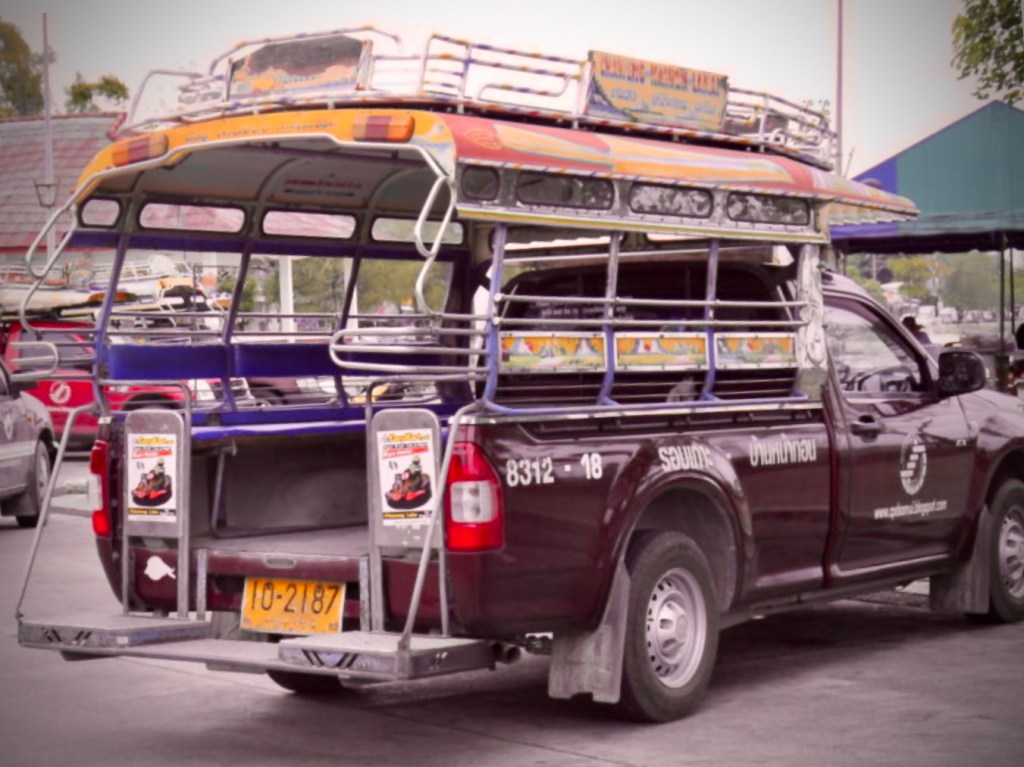
There are also waterfalls -Na Muang, the local Fisherman’s villages, The secret Buddah Gardens, the mummified monk of Wat Khunaram. and the Elephant Sanctuary. It’s very easy to hire a jeep or a scooter to get around on or use their air conditioned taxis or local open buses….just to add to your adventure.

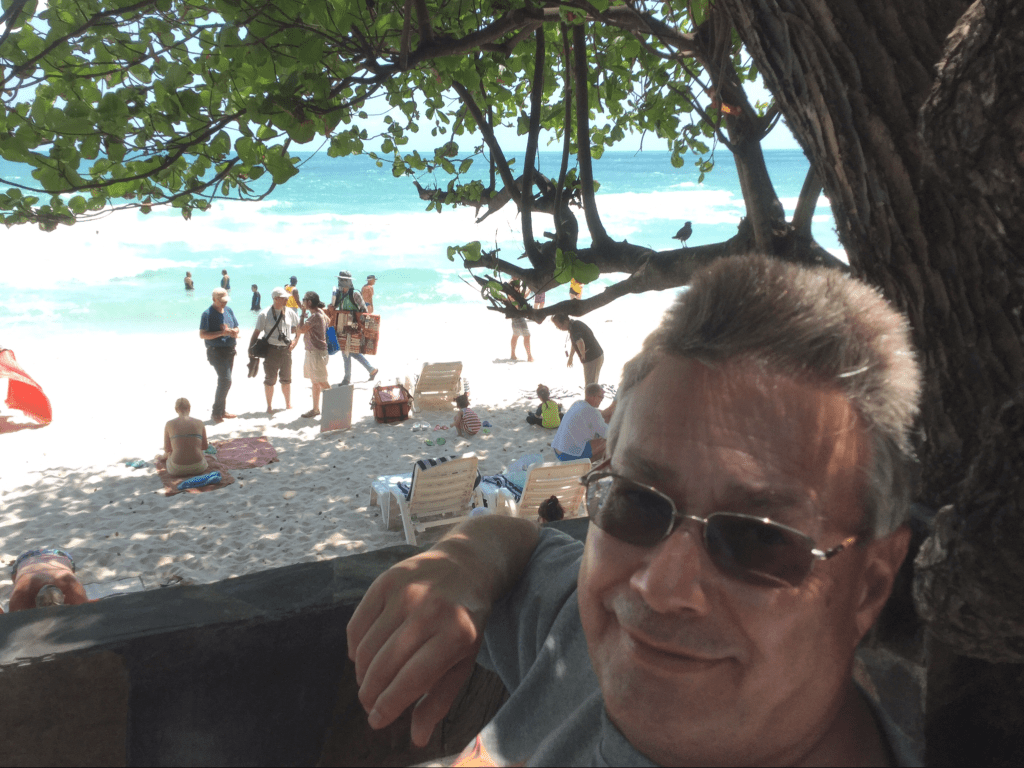
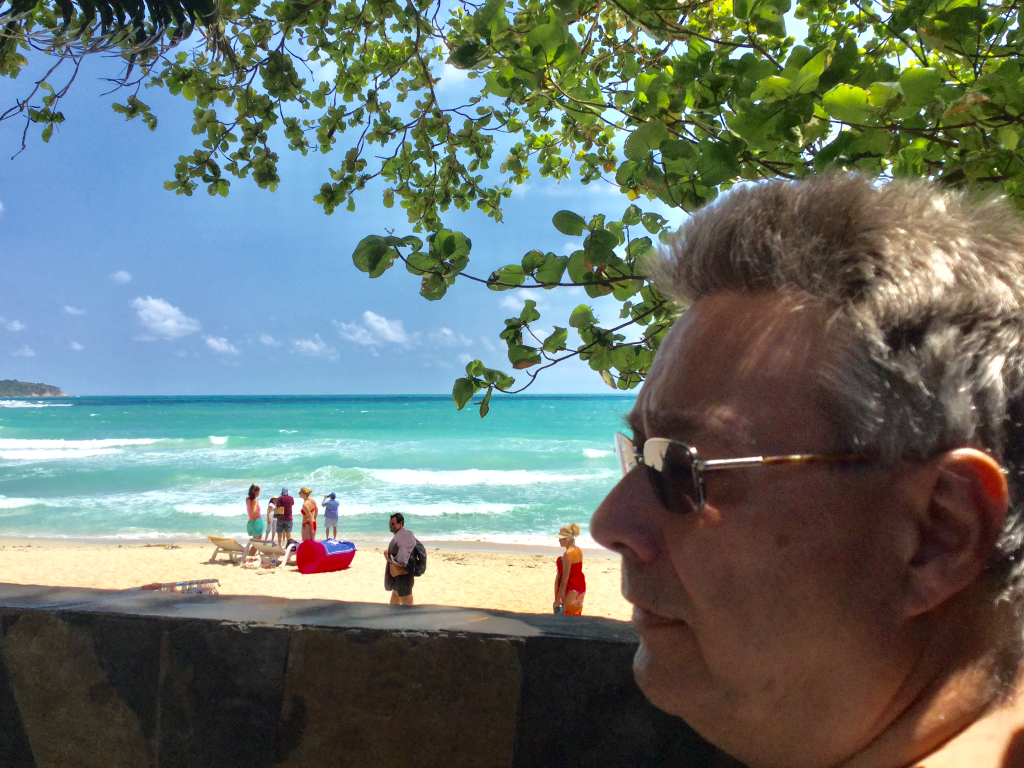
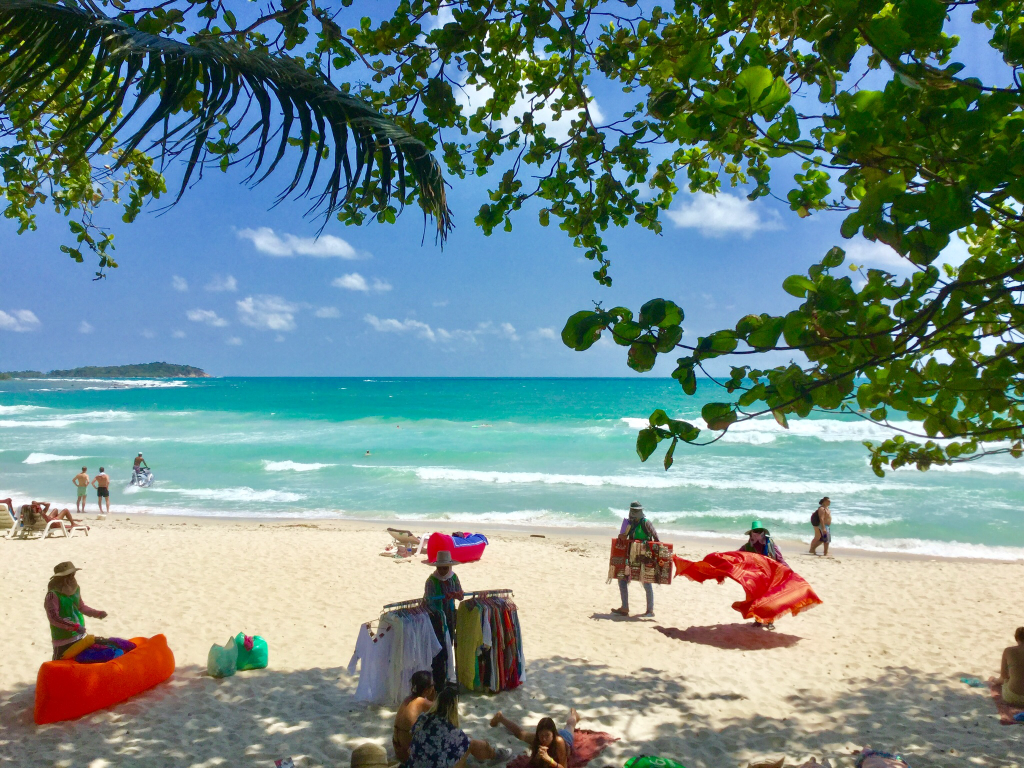
On our last visit to Ko Samui we just got off the cruise ship and took the bus to the Chaweng beach, where we had a meal and watched the world going by. I had visited Ko Samui many times whilst working in Thailand and absolutely love The Strip …the shops which run along the coast road at Chaweng…..there’s superb restaurants, fabric shops, tailors, bars, gift shops clothing shops…you name it you’ll find it there….the beach is full of people having fun, swimming, playing on the sand, sunbathing and hawkers selling an array of goods all at ridiculously cheap prices….I couldn’t resist a gold and black throw….which I keep meaning to make into an evening jacket…..

It really is a wonderful island, full of vibrant activity, whilst being laid back and relaxing. Well worth a holiday….

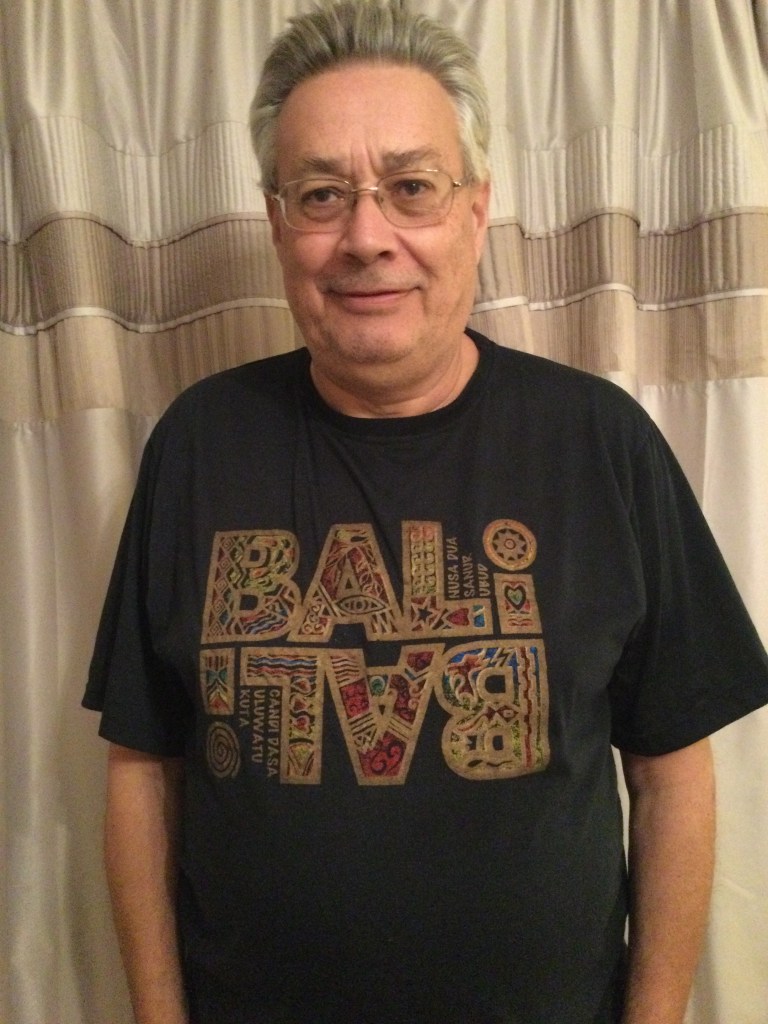
Bali, Indonesia – BEEN THERE GOT THE T-SHIRT

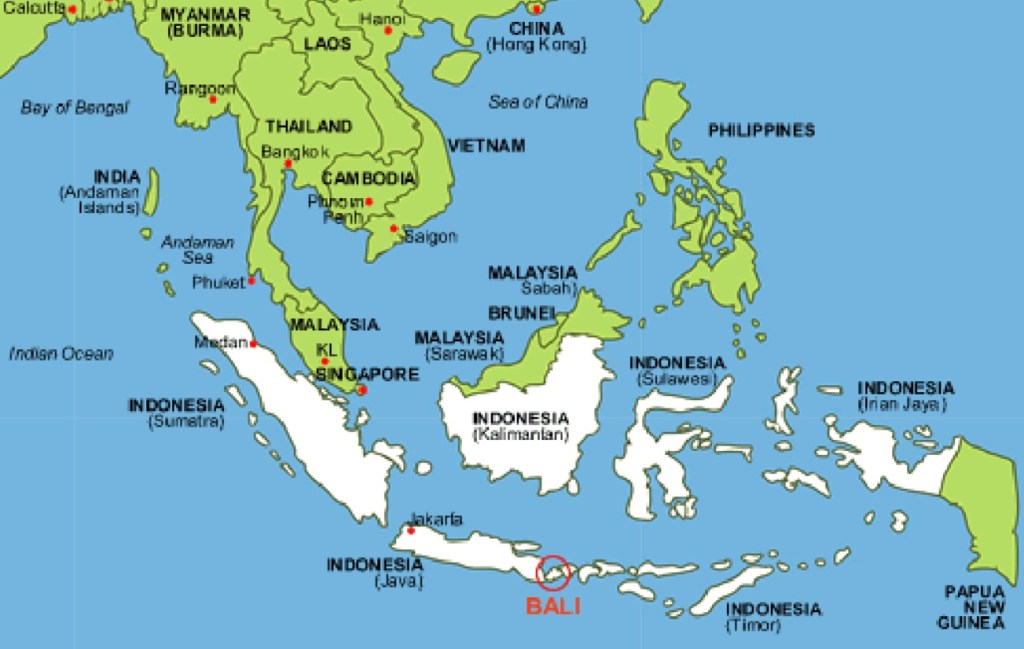
Bali is one of 17,500 islands which form the country of Indonesia. It is a province and it is the westernmost of the group of islands known as the Lesser Sunda Islands. Situated east of Java and west of Lombok, the province includes not only the island of Bali but also a few smaller offshore islands, such as Nusa Penida, Nusa Lembongan and a Nusa Ceningan to the southeast. The provincial capital, situated on the Island of Bali is Denpasar. It is the biggest city by population in the Lesser Sunda Islands. The town of Ubud in Greater Denpasar is known as  Bali’s cultural centre.

Bali is a beautiful small island with breathtaking waterfalls like Sekumpul in the north and white sand beaches at Nyang Nyang in the south and lots of wonderfully stunning features in the middle. It has a magical blend of colourful culture, friendly people, stunning nature, countless activities, tropical weather, culinary delights, vibrant nightlife, and beautiful accommodation. Bali is rated regularly as one of the best travel destinations in the world. This however, causes tourists, especially backpackers, to flock to Bali to explore its natural awe and wonder. To try to stem over tourism and preserve the islands natural beauty the government has just ( February 2024) introduced a tourist tax. Foreign travellers visiting the island will now pay 150,000 rupiahs (around £7.50 or US$9.50) in addition to any other visa fees. 

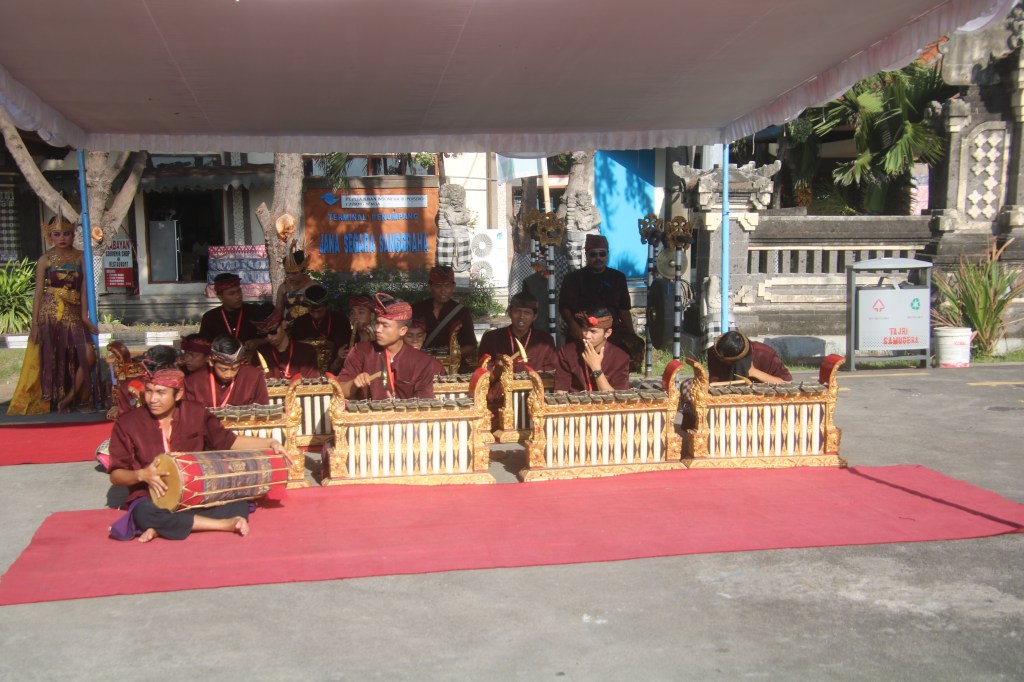
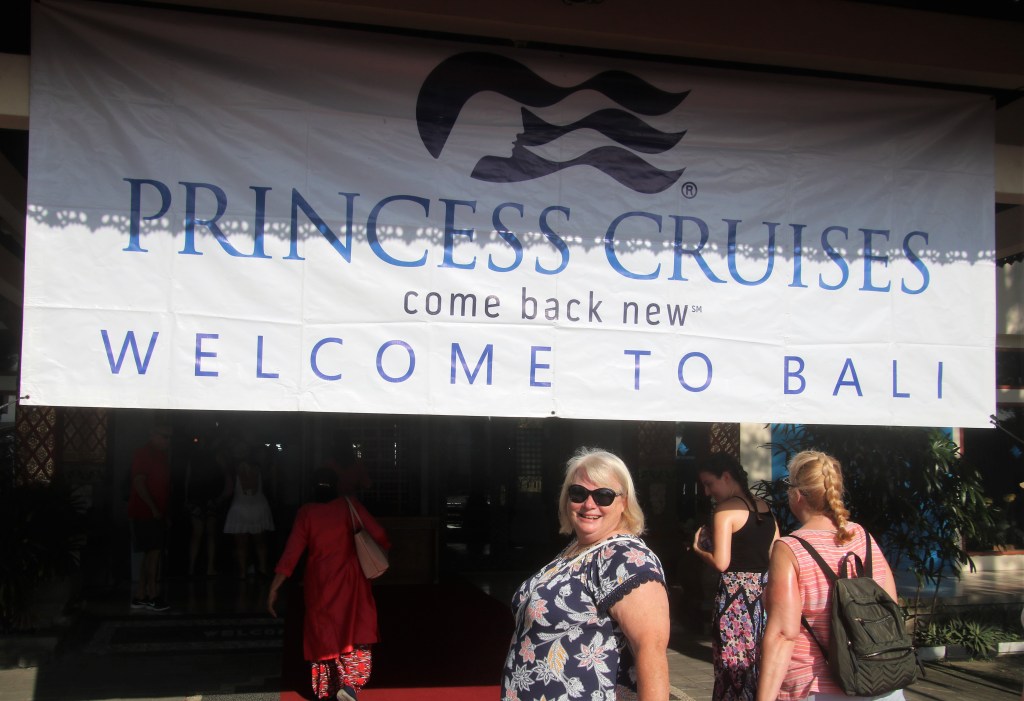
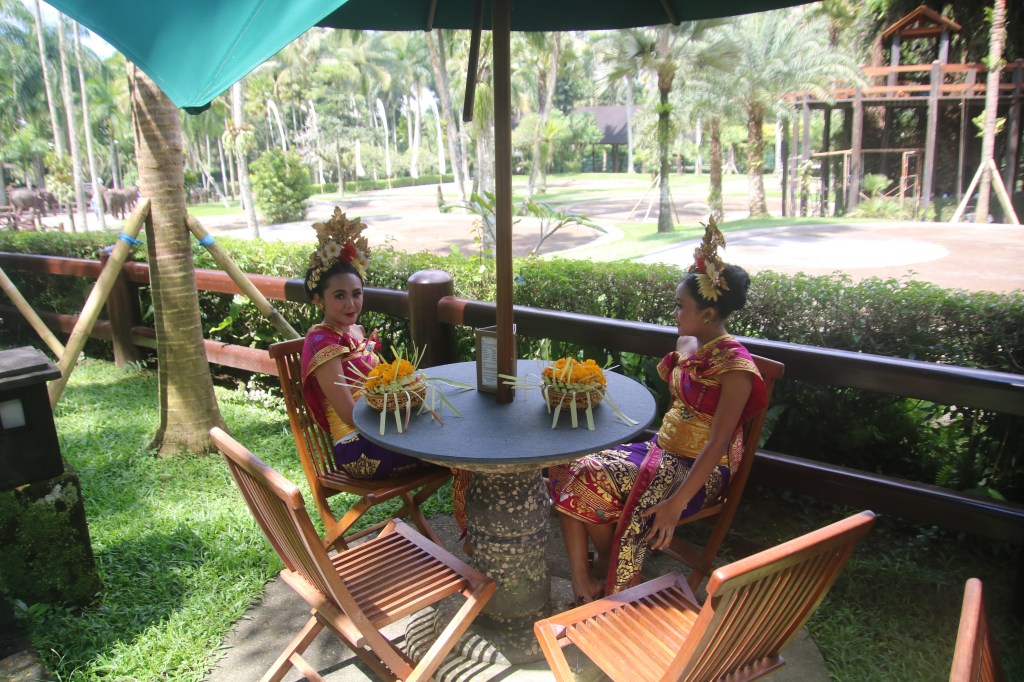
We arrived in Bali by cruise ship. It was a particularly hot and sticky day. Our welcome to port consisted of a musical group of, what looked like school children, dancing, playing drums and xylophones in a very professional way….What a lovely welcome it was…full of warmth, colour and culture.

We were ushered to our coach as we headed of for our tour. We had done a lot of research into the tour we had opted to take. Many people would frown and call an Elephant riding Safari unethical. However, most people who know us are aware that we have a passion and love of wildlife and conservation, in particular we like to support the protection and enhancement of endangered species and promote animal welfare. Bali has a multi-award-winning park which is  dedicated as an elephant rescue facility it is  also home to Bali’s largest herd of critically-endangered Sumatran elephants, 6 of which were born at the sanctuary. So we decided to have a once in a lifetime experience and visit the sanctuary and take part in elephant trekking, interact with these majestic creatures by getting up close & personal with them. The park is fully committed to conservation and has set high standards in how to care for elephants in a purpose-built environment. Wow! Did we have a great, fun time. 

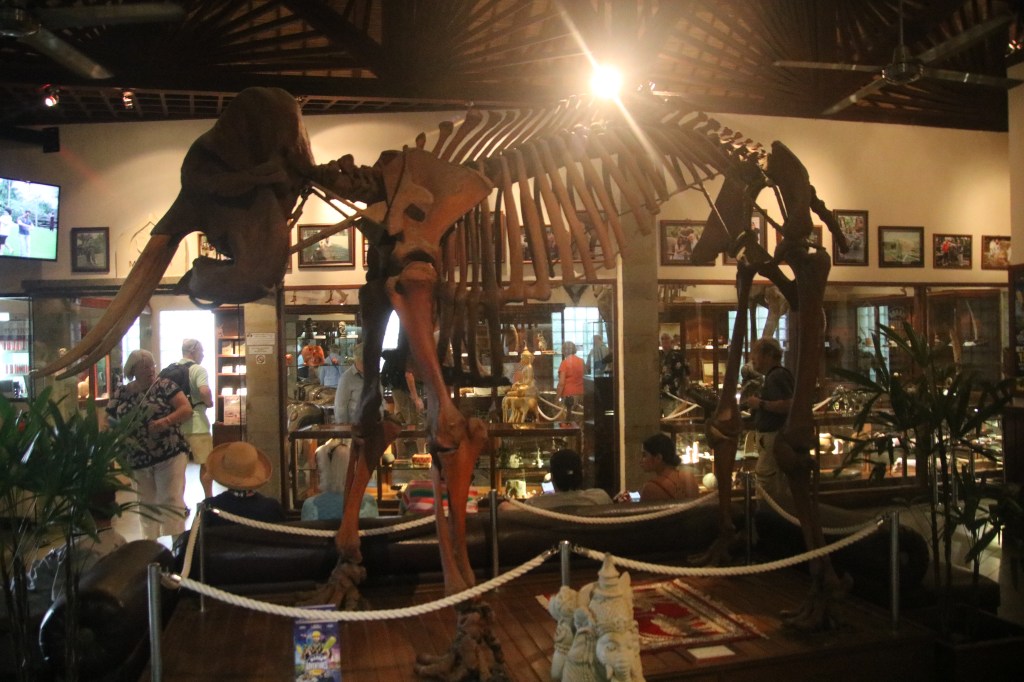
It took us a considerable time by bus to get to the sanctuary, the bus even stopped for a toilet break. On arriving at the sanctuary each group had an allocated entrance time. While we waited we looked around a small museum at the entrance to the park. This told us all about the Sumatran elephants plight for survival and how the sanctuary had come about.

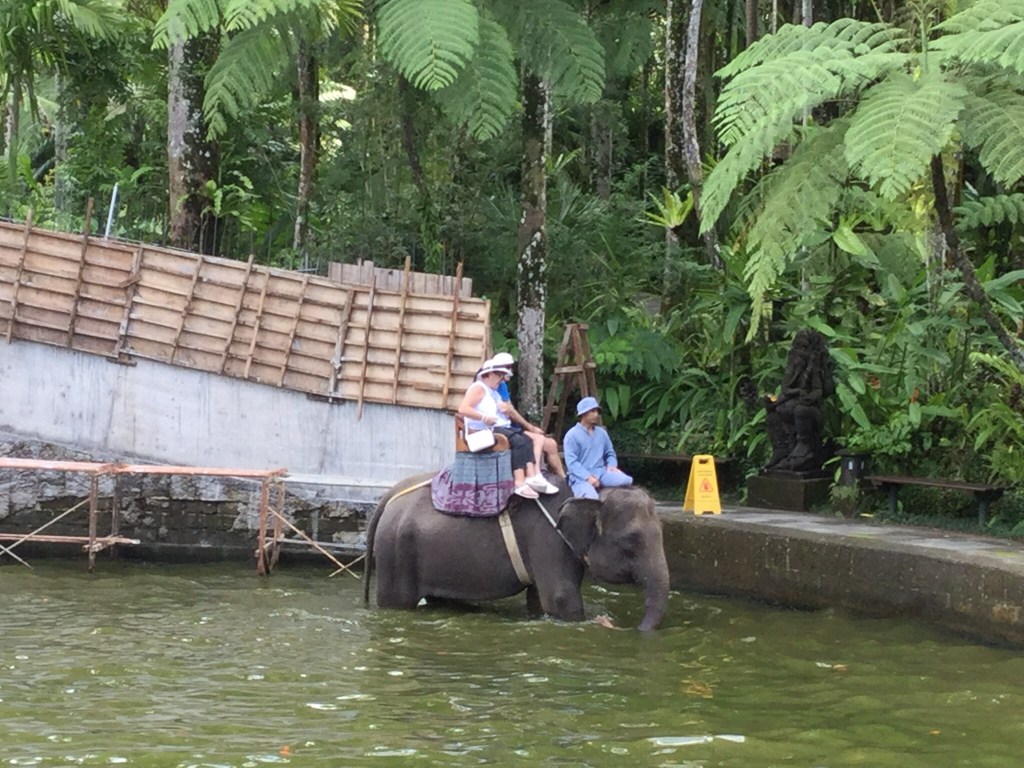
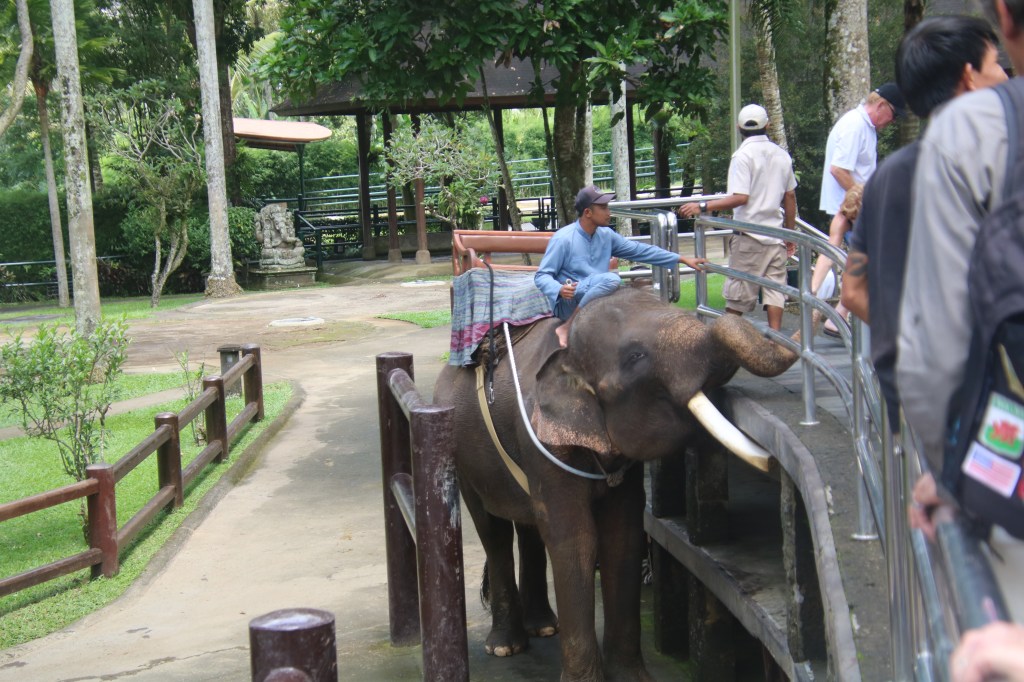
When our allocated time came we were walked through some amazingly green and colourful  gardens. As we strolled down to where we could see some elephants you could witness that they are well cared for in a healthy and stimulating environment that caters to all their daily needs. We walked around a large lake in which some elephants were walking through whilst being ridden by their handler and tourists…..

Some of the elephants where doing what elephants do and squirting water from their trunks all over their backs and unsuspecting visitors, who squealed in delight or was it surprise. This made one particular elephant do it all the more !!!! The elephants quite obviously enjoyed this even if their passengers hadn’t expected to have an extra shower!! 

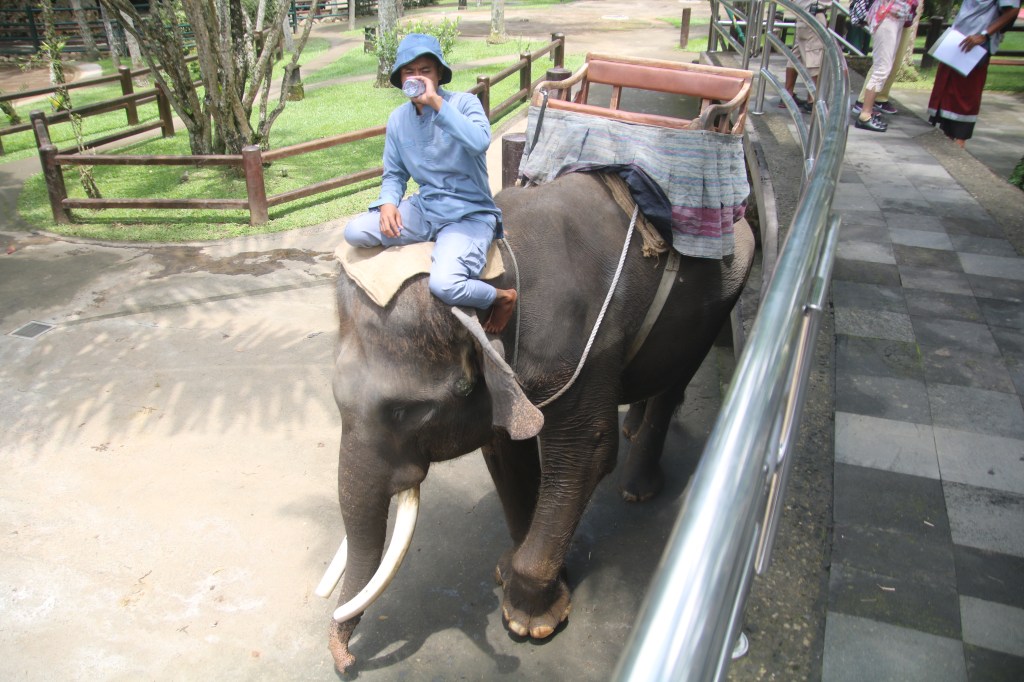
The elephants walk along side a raised platform, where you wait to get on to the seat.

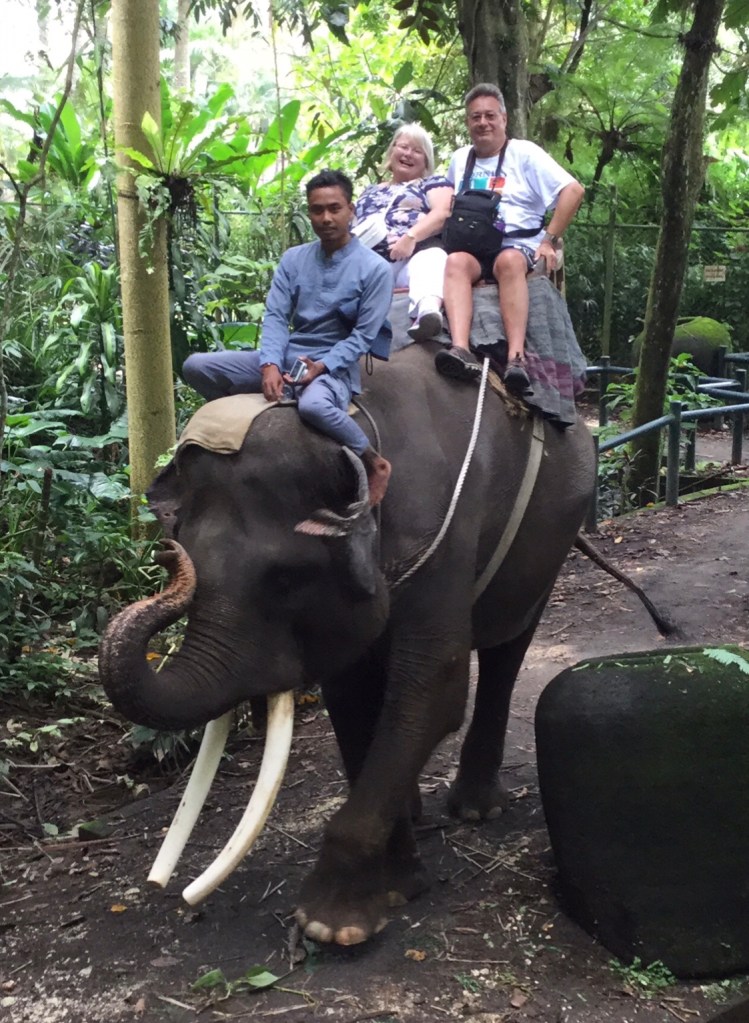
To mount the seat you step out and sit down all at the same time, so as not to put your weight directly on to the elephants back. This was a tricky manoeuvre for the first person as you need to sit on the far side of the seat which is made for two. My long legged husband was summing up how to do this when he said ‘ladies first’….oh what a gentleman…. So off I stepped stretching my short, dumpy legs as far as possible….have I mentioned it was a hot and sticky day!!!…..thankfully I managed to reach the right part of the seat, however my trousers were not as fortunate, they were stuck to me and hadn’t enjoyed the stretch causing them to rip across the derrière (backside) …oh dear!!!!…

John mounted with the utmost of ease and our handler/driver set our majestic beast on its way. We wandered through the gardens stopping when ever our elephant wanted to browse or communicate with another elephant.

There was no harassing of the elephant. The only thing I didn’t like was seeing two elephants chained in two different areas. They had vegetarian and water around them.  Our handler/guide explained that they were both males on musth (periods of heightened testosterone levels)and this causes the elephants to have aggressive behaviour during this time. So for the safety of the workers, tourists and other elephants when the males enter a period of Musth they are segregated and chained. 

After about an hour  our elephant entered the lake and wandered around it. We would have welcomed a ‘trunk shower’ but that wasn’t on our mounts mind, although spraying water around our elephant was mindful to keep us dry.

We were returned to the dismounting area and we both disembarked without incident. Our elephant was then rewarded with fresh greenery and lots of cooing from us. 

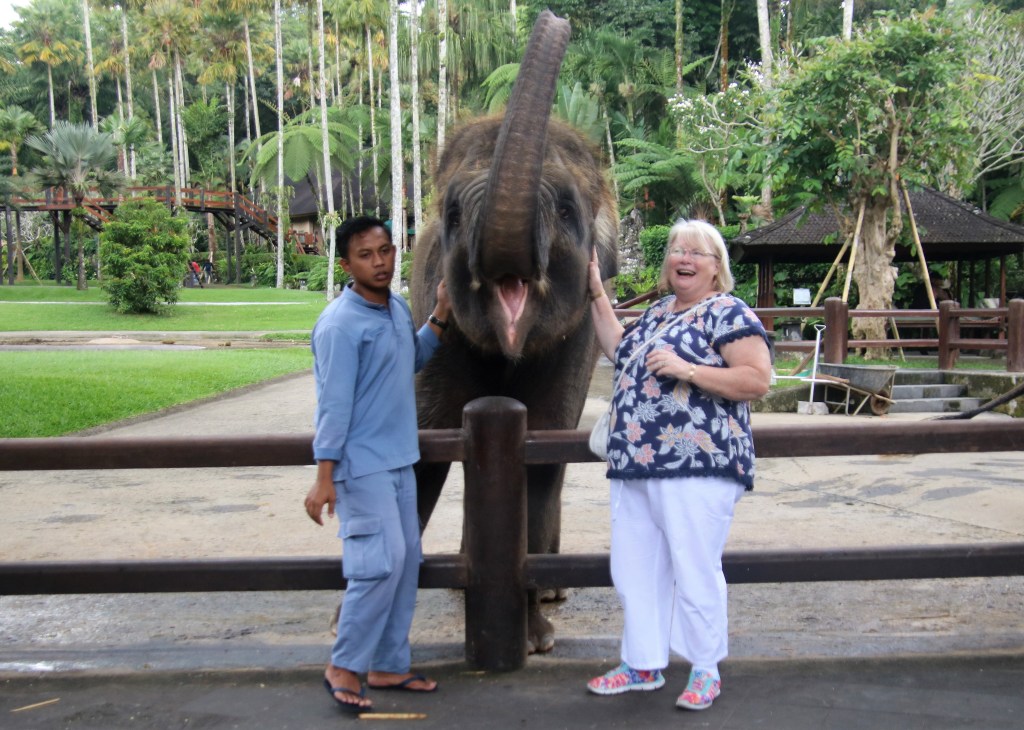
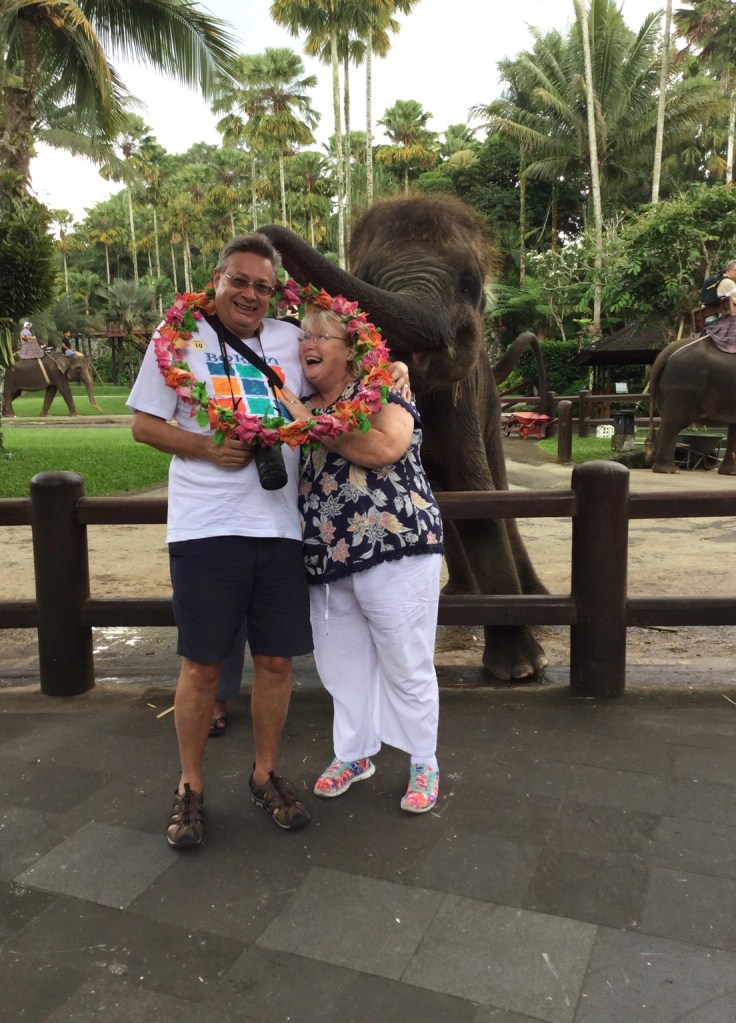
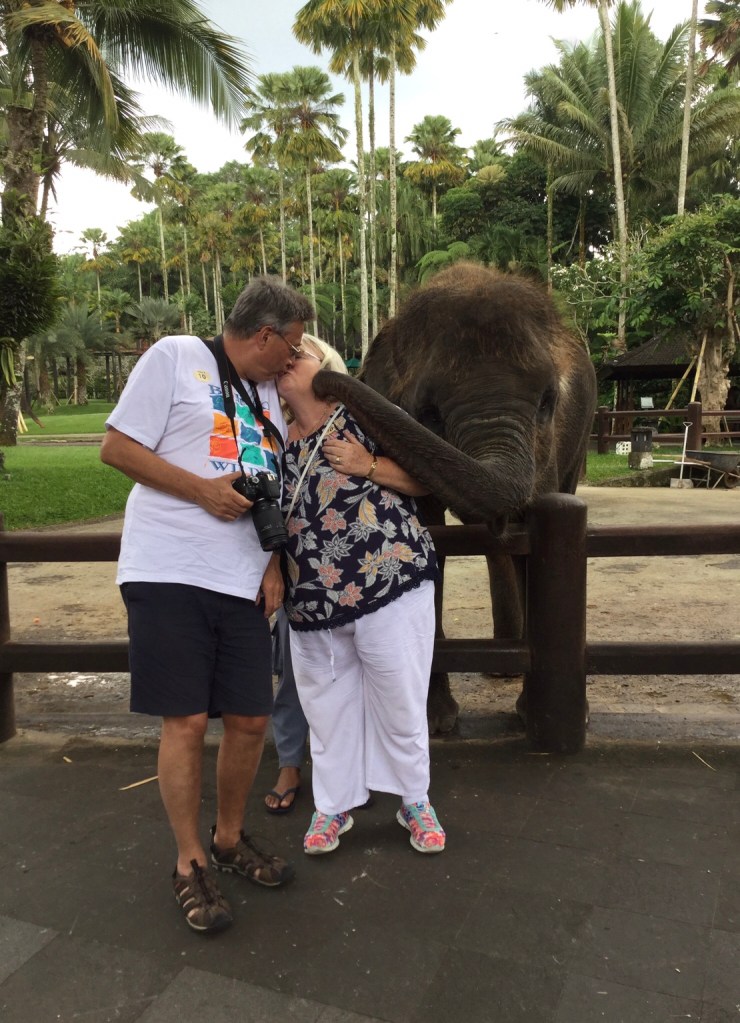
We were provided with a pleasant lunch and wandered around the gift shop for a while. We were then invited back to meet some of the younger elephants who had a few tricks to show us… placing a garland around our necks and kissing our checks with its trunk in return for some food we had been given to reward it.

WOW !!! What a wonderful experience we had had.

The cost of rescuing, researching, breeding these critically endangered species is such that without the tourism this conservation could never take place. Would we do it again? Probably not but we are pleased we did it and contributed towards the survival of this species.

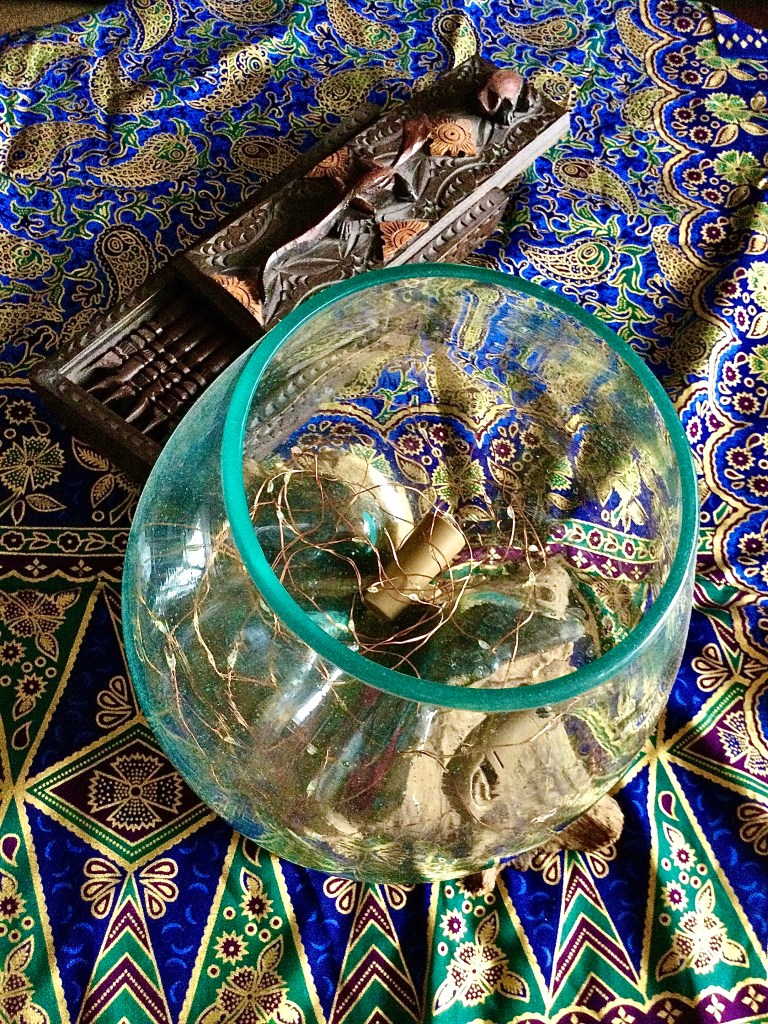
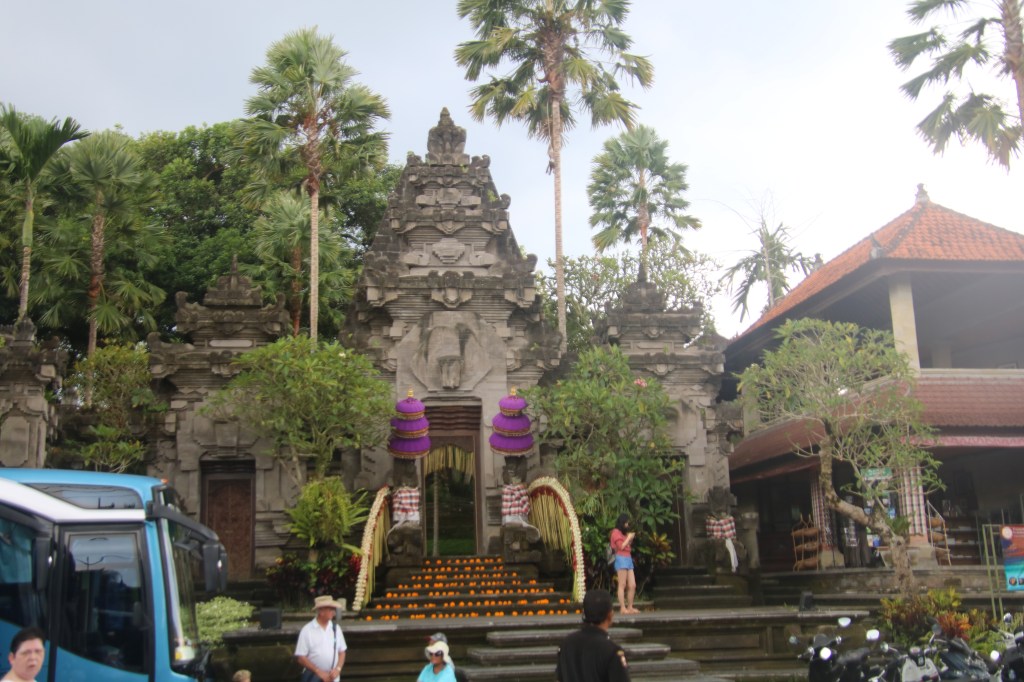
Our tour continued to the art and craft market in Ubud. The first thing we did was purchase a batik wrap so I could cover my exposed derrière!! . We had a good look around and we were  fairly well hassled by the stall holders. We only bought a carved wooden chopstick holder. I really liked the blown glass bowls which sit on natural branches of trees…the glass is blown to the shape of the tree branch holder. There was however no way of getting something like that home. I am very fortunate to have a fantastic treasure of a friend who a month later went to an awful lot of trouble to import me one of these for my birthday. It now sits proudly on my windowsill, at home, with coloured lights adorning it’s interior. 

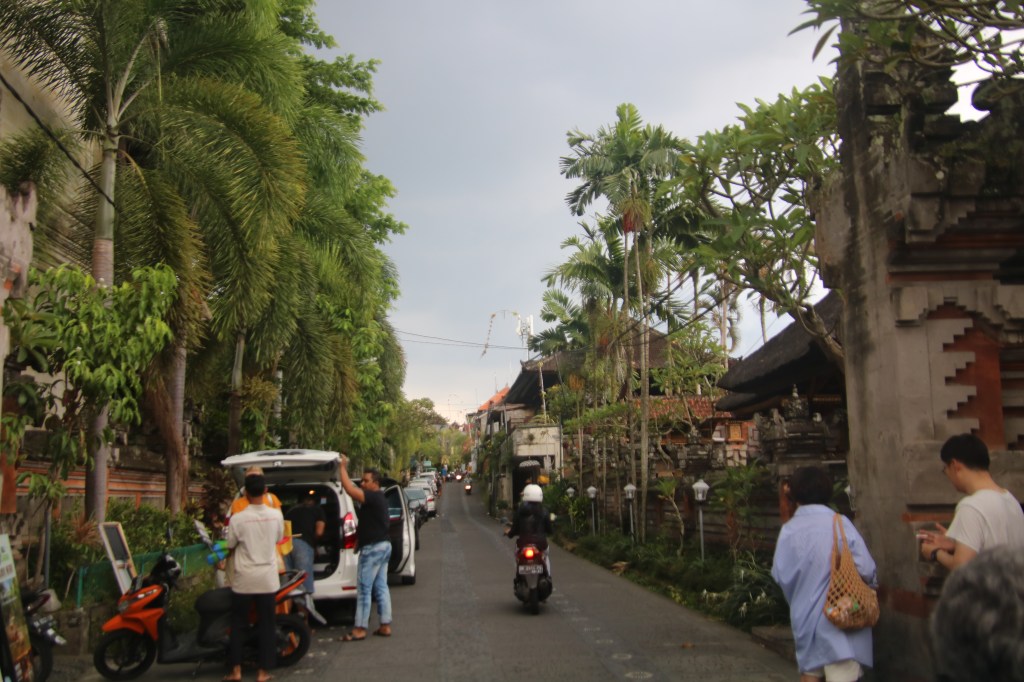
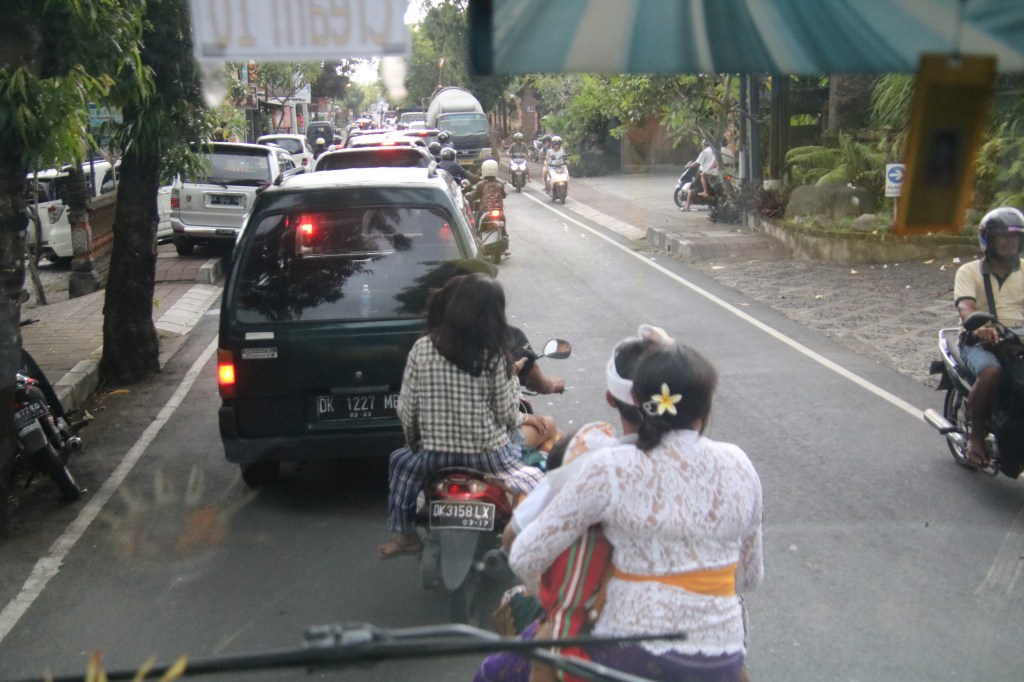
Our trip back from Ubud was a long one. The traffic was horrendous, but the sightseeing was great. Thankfully it was a Ships Tour we had taken because we were two hours late getting back to port. Being a Ships Tour the Ship waits for your return, otherwise we would have ‘missed the boat’, as the saying goes. We were not the last bus back and scurried aboard with other cruisers looking down from their balconies shaking their heads as if we were the cause of the ships departure being delayed….which of course we were but not of our own making….

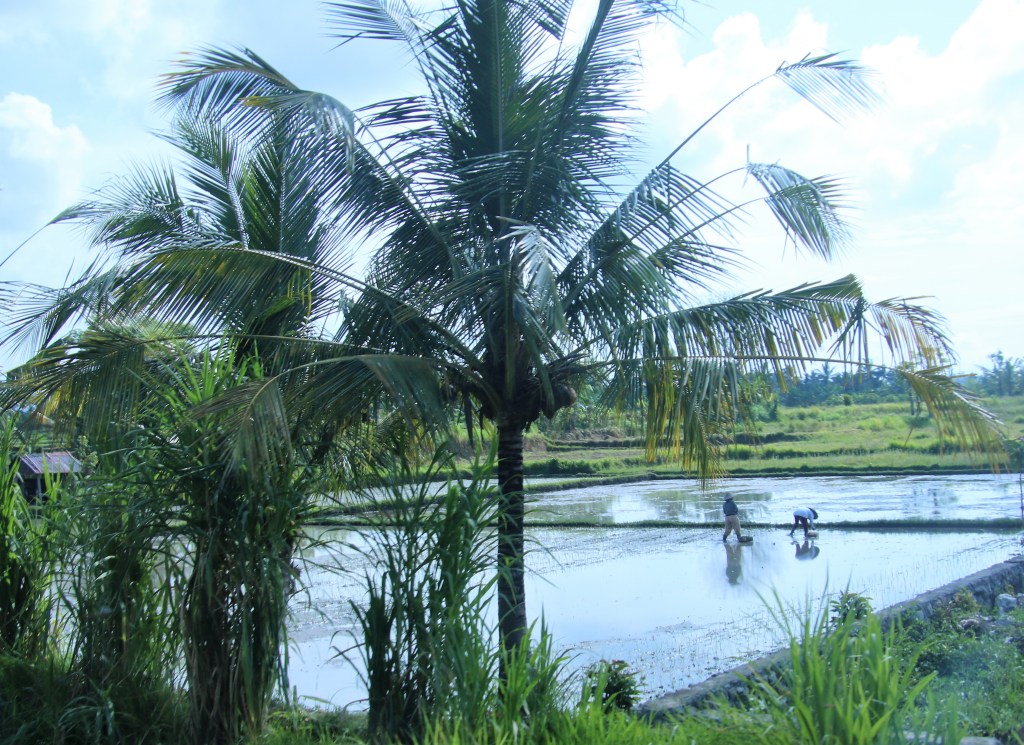
What a wonderful day we had had…full of first time experiences. Our bus tour through the magnificent countryside had demonstrated why this Island is so popular, it is defiantly a place we would like to revisit. 

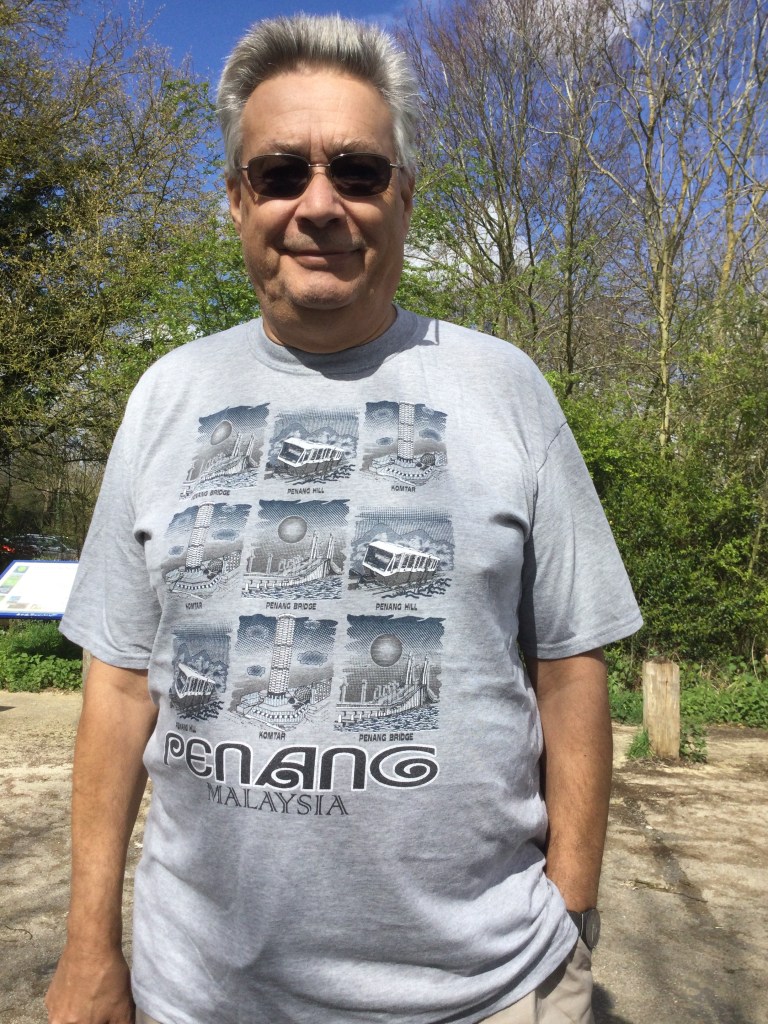
Penang – Malaysia- BEEN THERE GOT THE T-SHIRT.

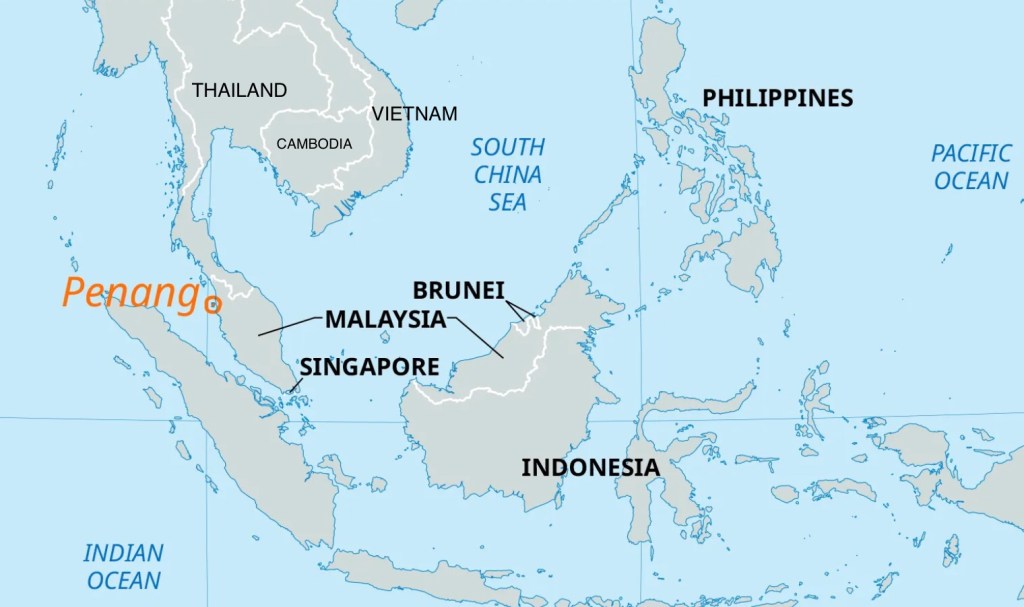
Our ship..The Sapphire Princess…cruised into the port on Penang Island. This is an island of Malaysia, (114 square miles/ 295 square kilometres) lying in the Strait of Malacca off the northwest coast of the Malaya peninsular, from which it is separated by a narrow strait whose smallest width is 2.5 miles (4 km). Penang Island is roughly oval in shape.
We were up early because we had a full day of exploring and sightseeing.  Penang might be small, but it has a wealth of history and culture. It is known as the culinary capital of Malaysia. 

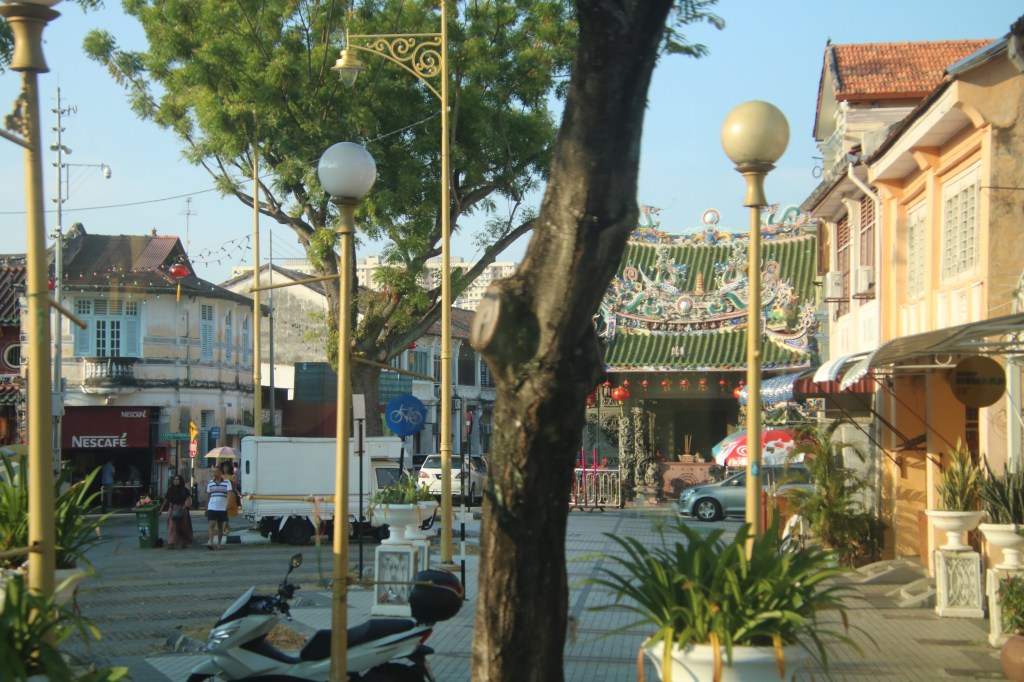
We started our day in the UNESCO-listed George Town. It houses Hindu temples, Buddhist pagodas, faded Chinese shop fronts, and crumbling relics of Malaysia’s colonial past, while further afield, you’ll find dense jungle and white-sand beaches in Penang National Park, which is the smallest national park in the world.

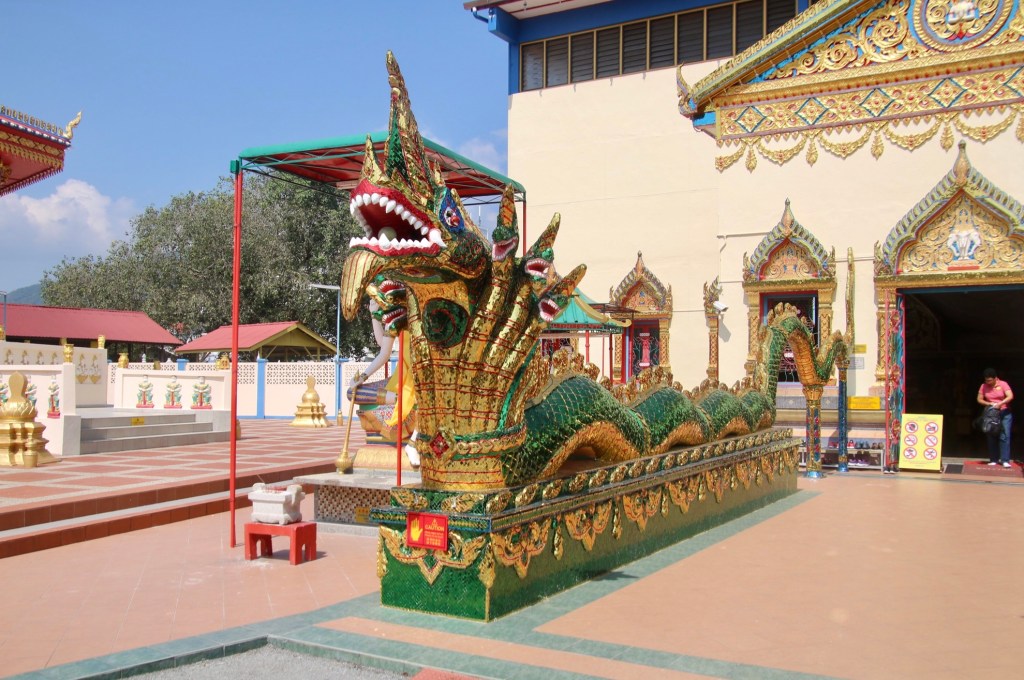
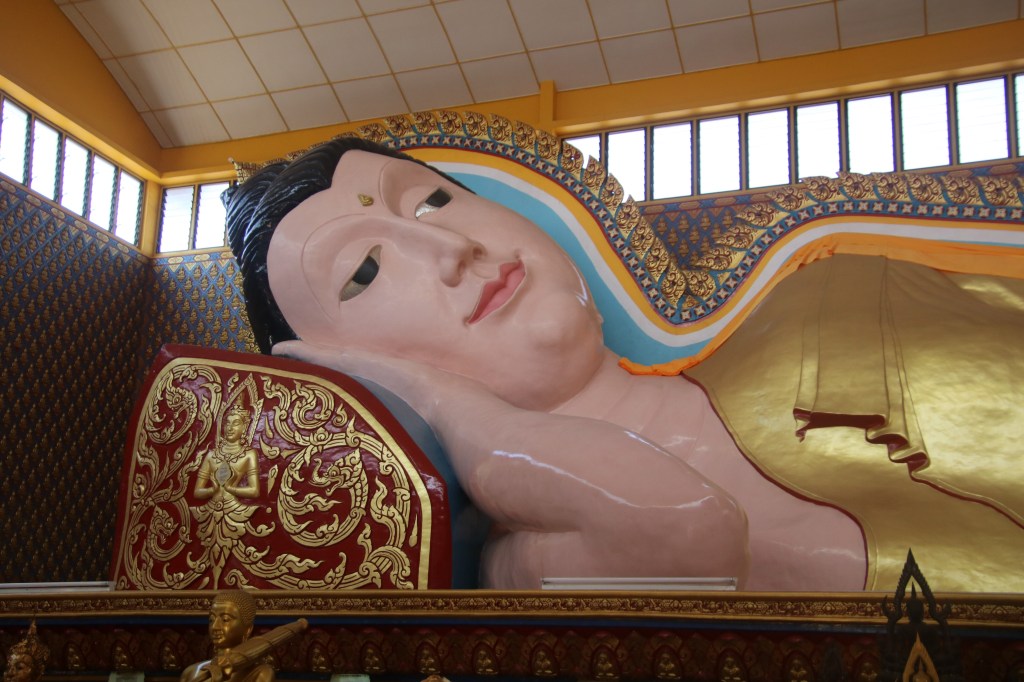
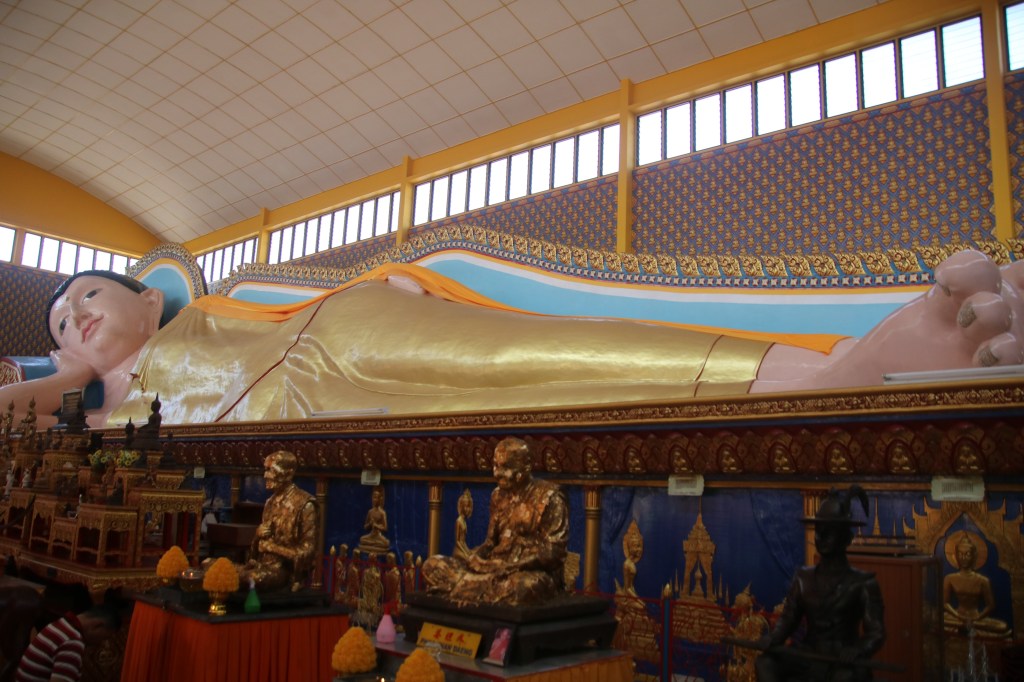
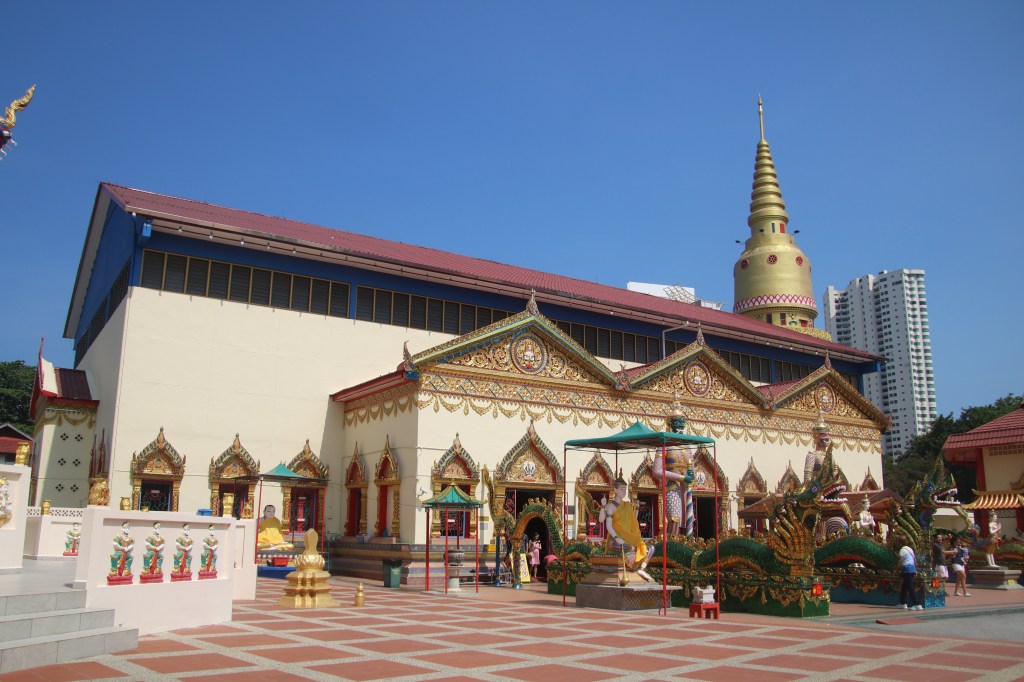
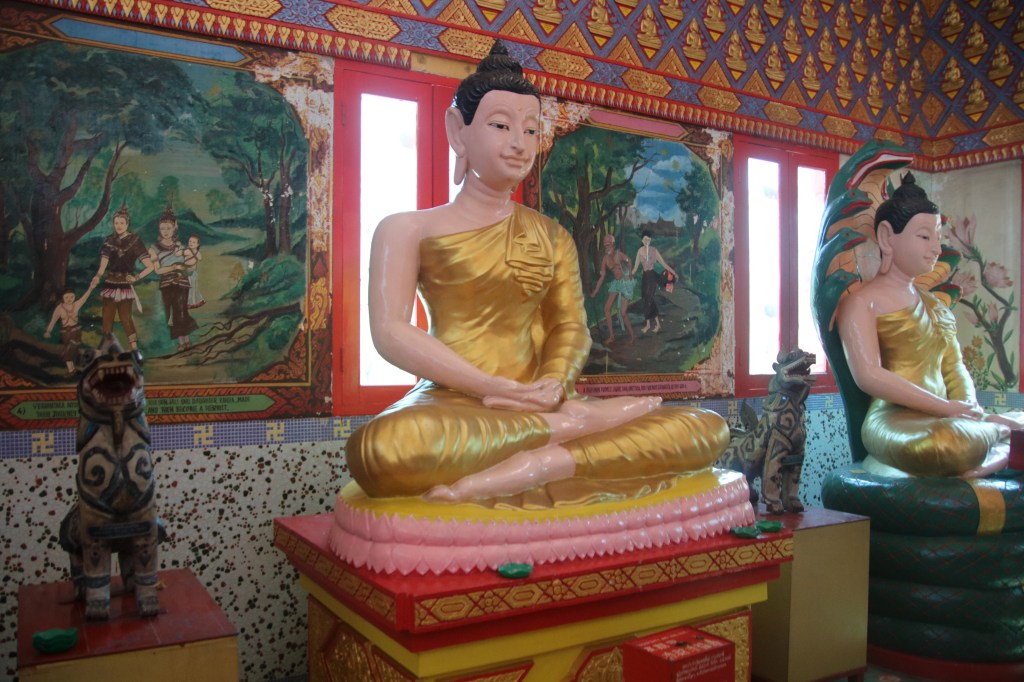
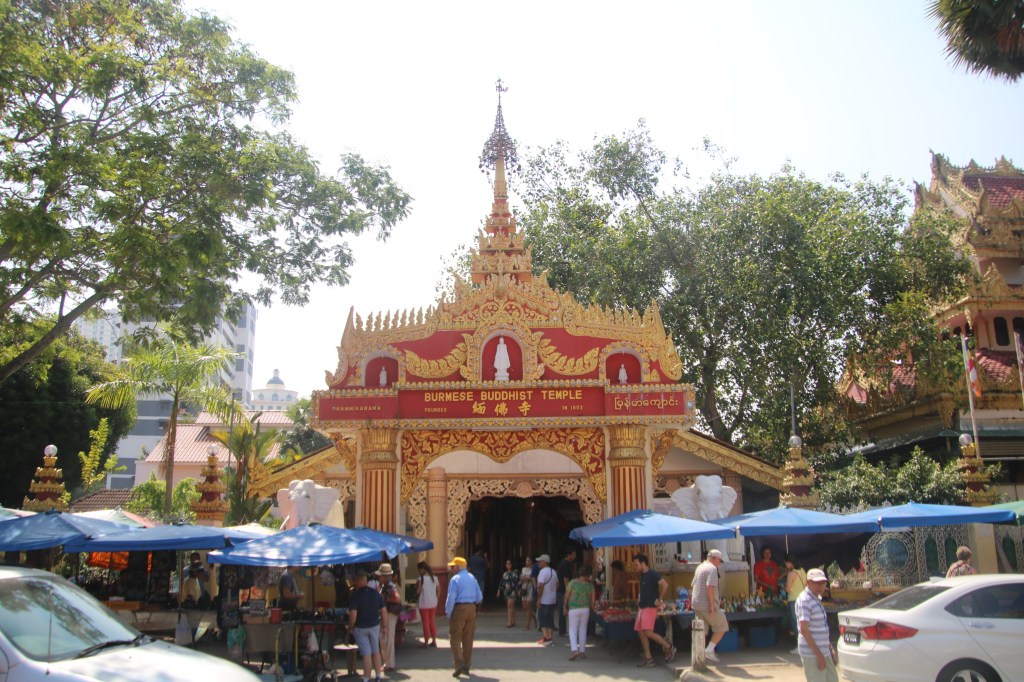
Our tour included visiting: Wat Chayamangkalaram Temple, a Buddhist Temple. It is situated on Lorong Burma Road, opposite Dhammikarama Burmese Temple, it is the oldest Siamese temple in the state. The temple features one of the world’s longest reclining Buddha statues as well as several coloured statues and other mythical creatures. The Buddha measures 33 m (108 ft)from end to end. It was incredibly hot and humid in the temple and I have to admit to sitting down in the doorway, catching what ever breeze there was, while John wandered around.

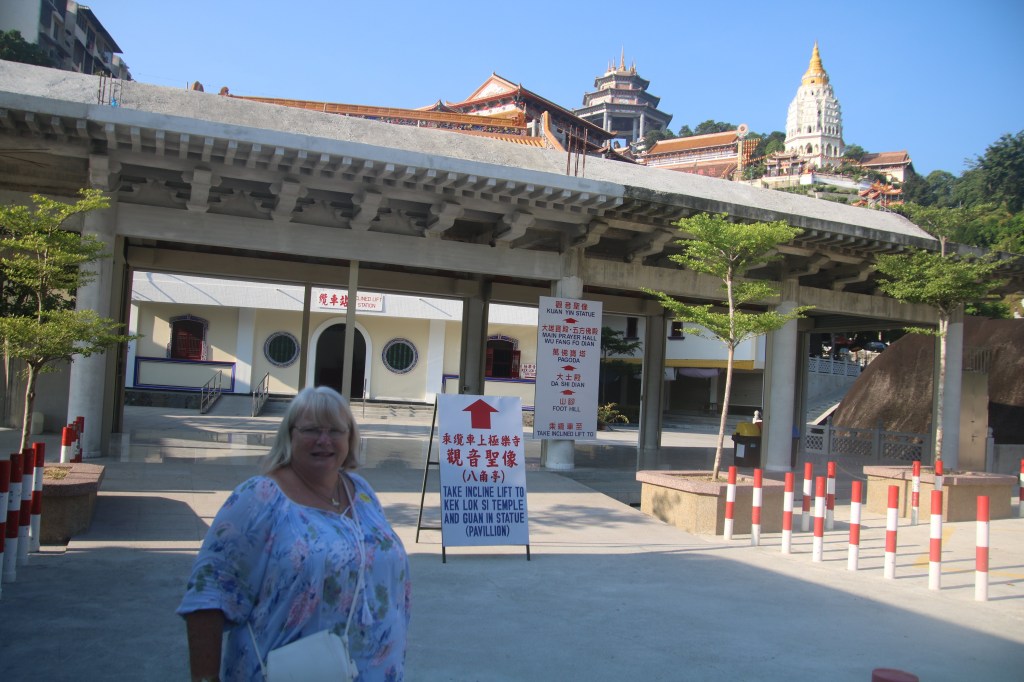
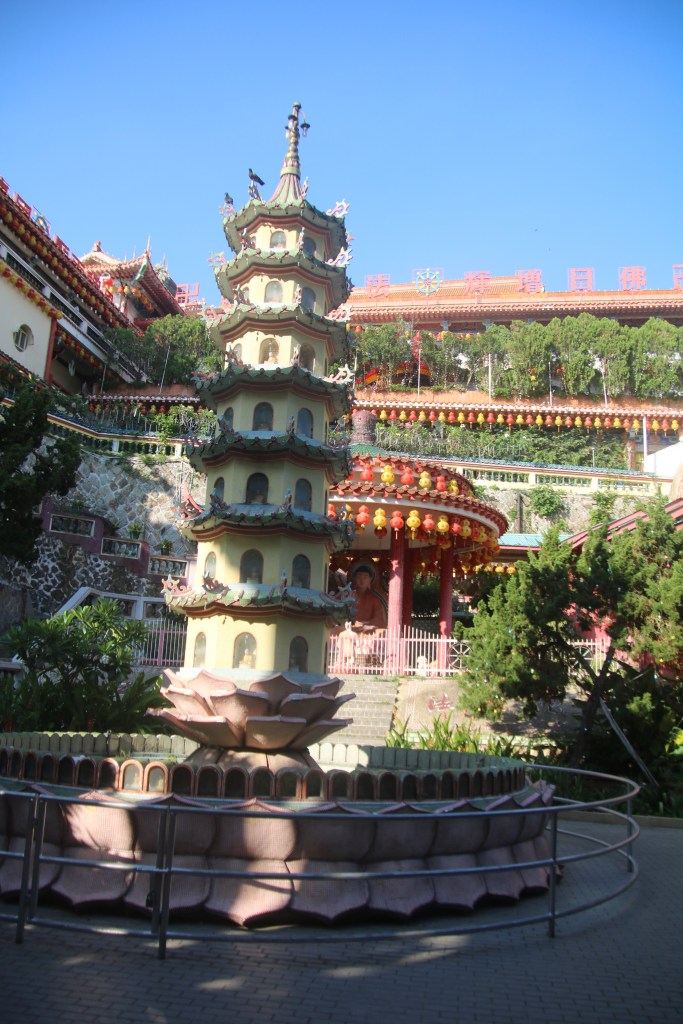
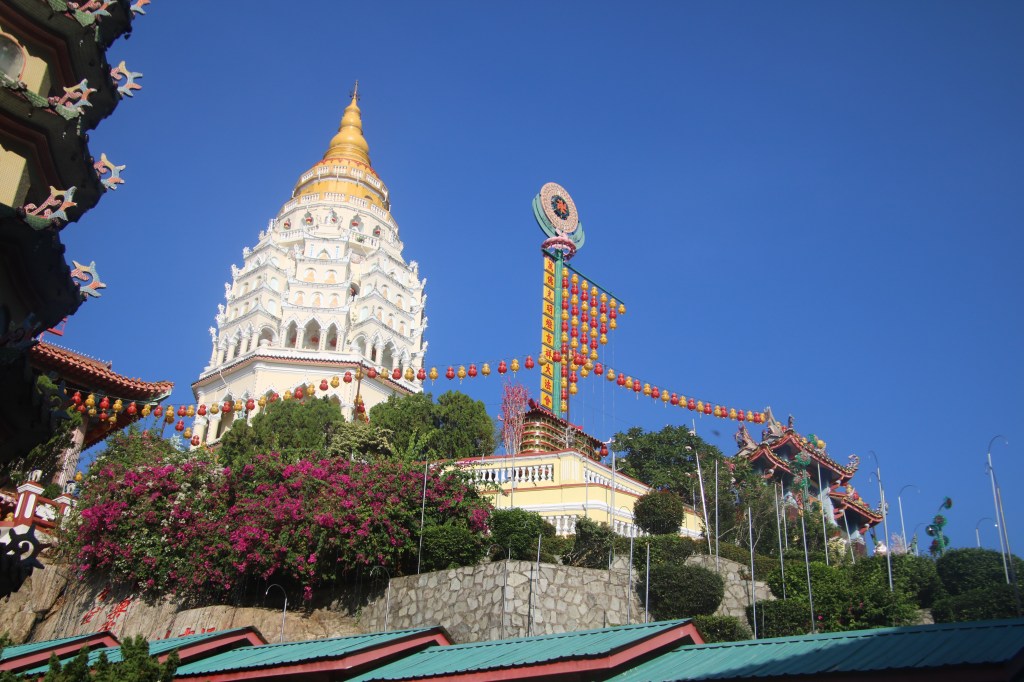
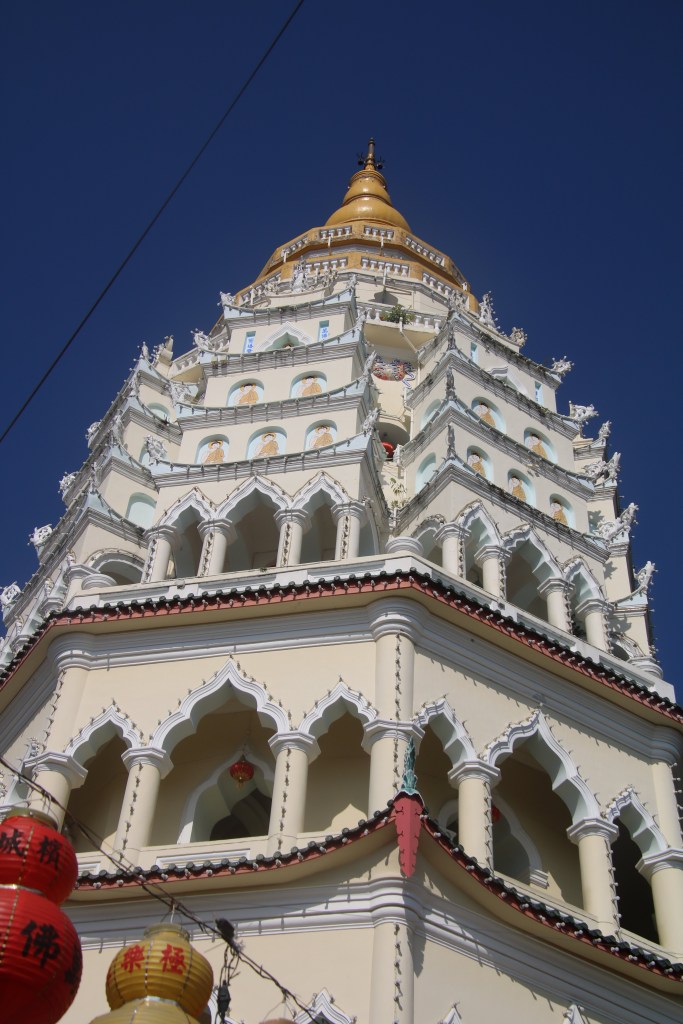
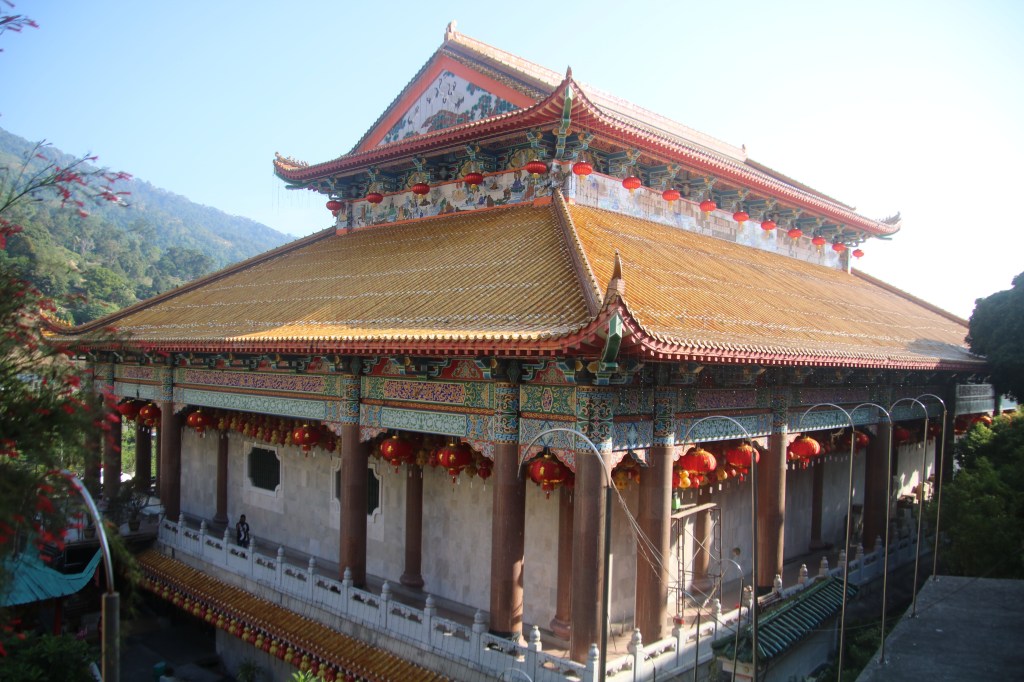
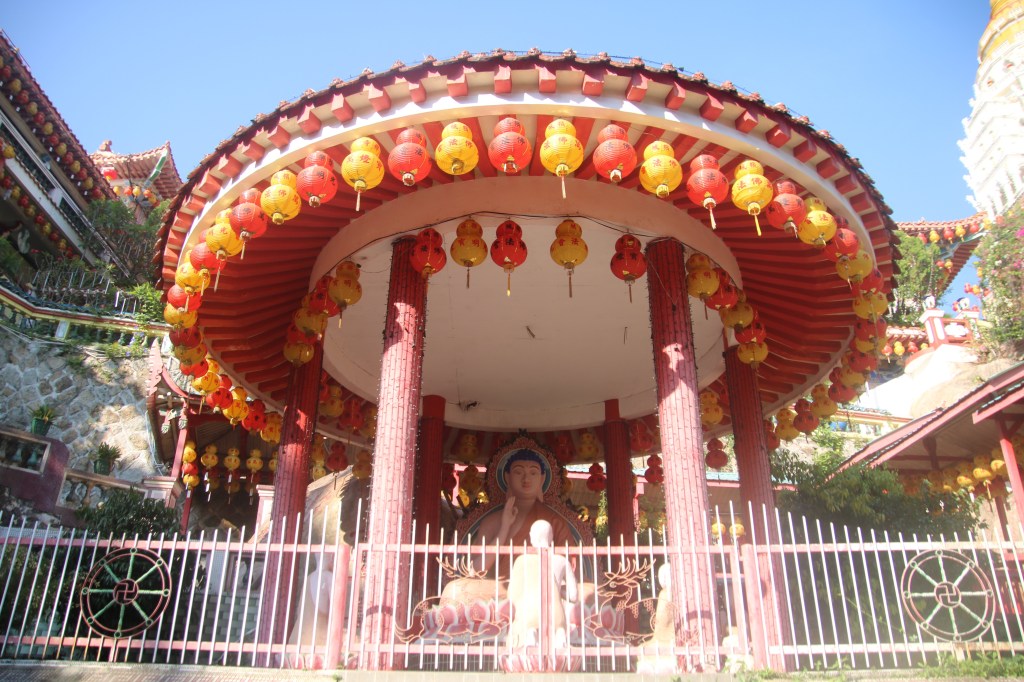
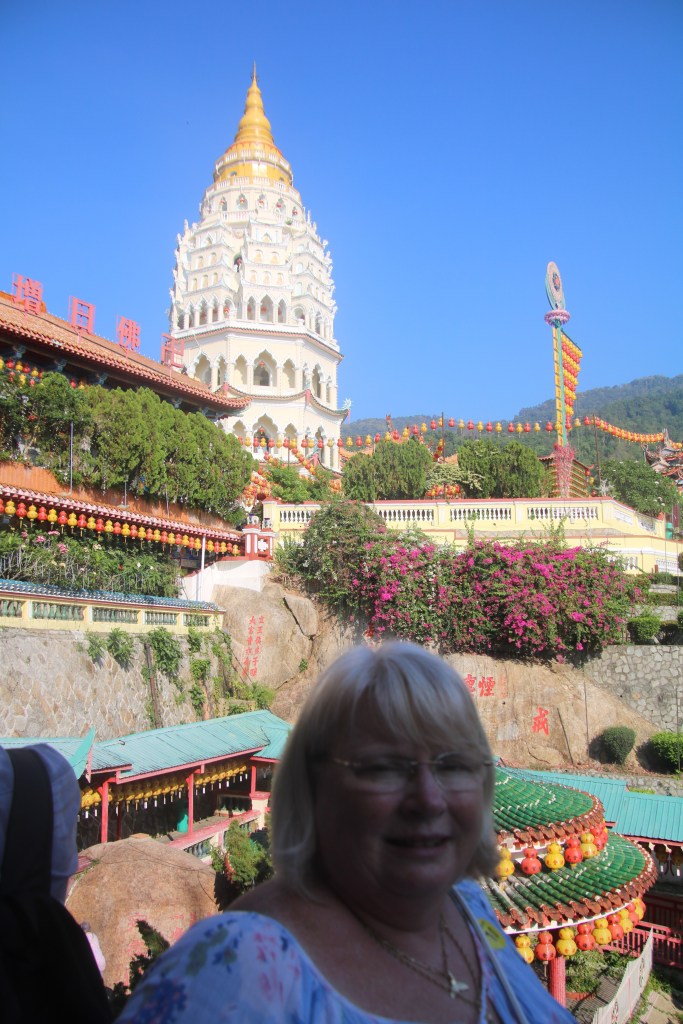
Our next tour stop was the wonderful temple Kek Lok Si.   Situated strategically on a sprawling hill, Kek Lok Si is often called the jewel in the crown of heritage temples in Malaysia, and has been identified as one of the largest and finest temple complexes in Southeast Asia. It is known not only for the beauty of its historic buildings, which attract thousands of tourists every year, but also for being a center for Chinese culture and Buddhist teaching. The scenic view of the hills outside the temple complements the temple’s beautifully designed rooflines which really enhance the facade of the Kek Lok Si Buddhist Monastery.

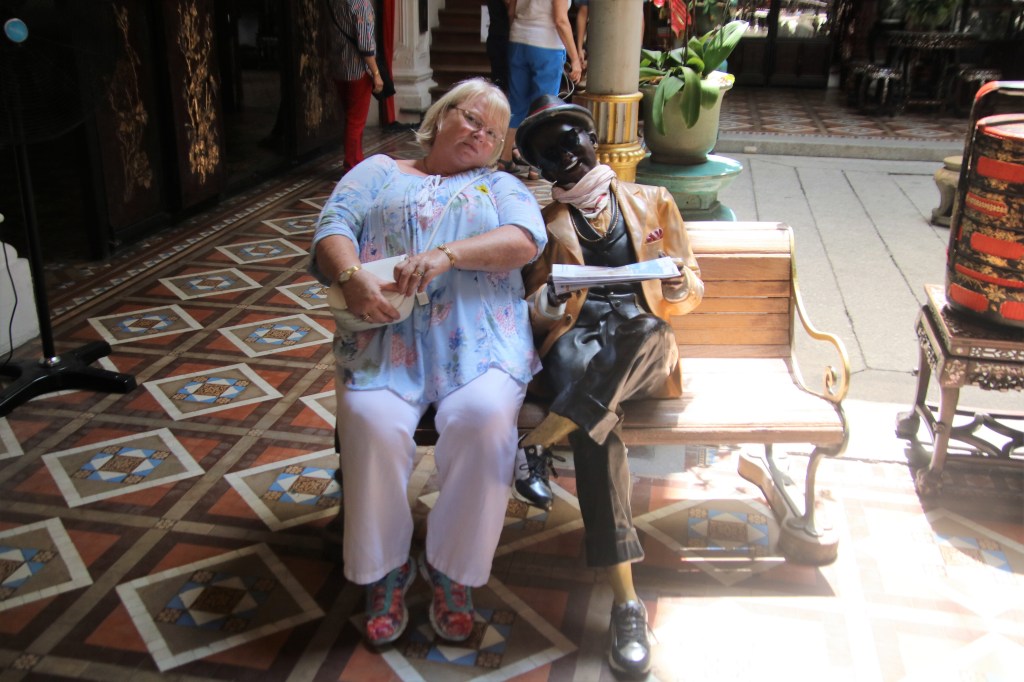
Our next stop was the Museum….an actual wedding was having their phot-shoot in the museum, what a wonderful occasion for the bride and groom…. Once again after a walk around the heat overtook me and I found myself sitting on a seat enjoying some intellectual conversation with my new found mate !!!!

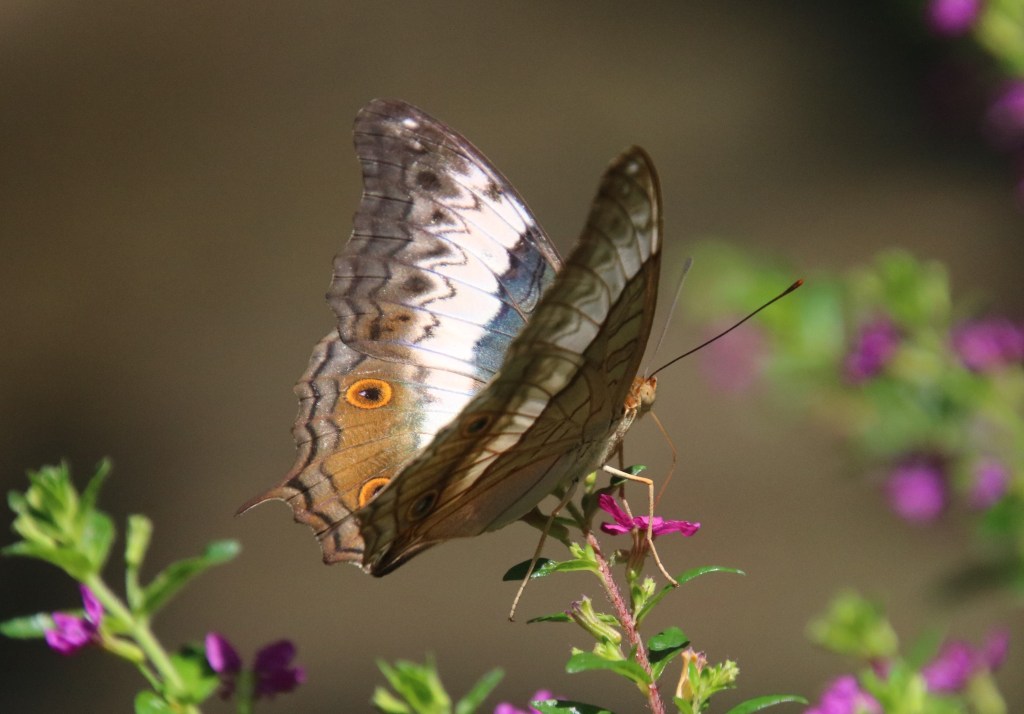
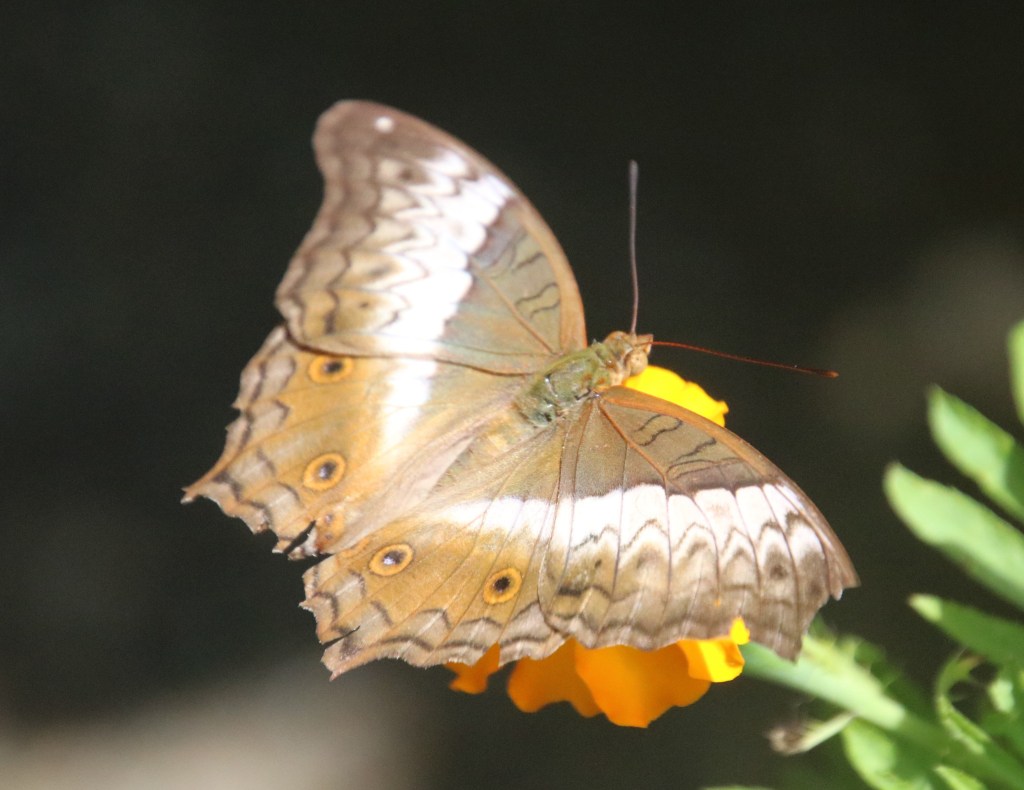
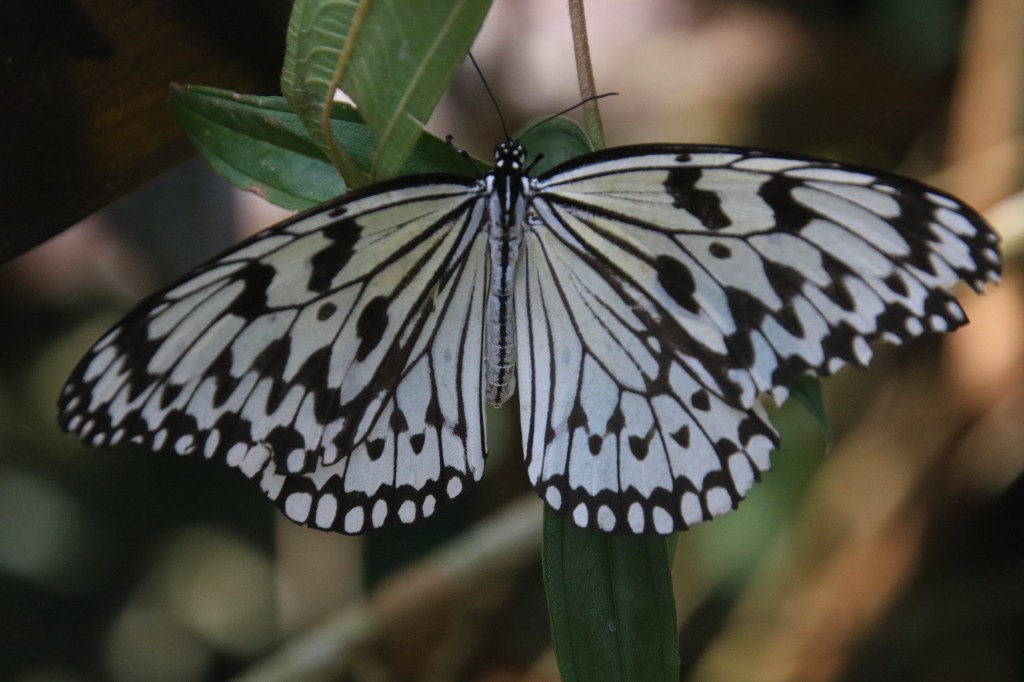
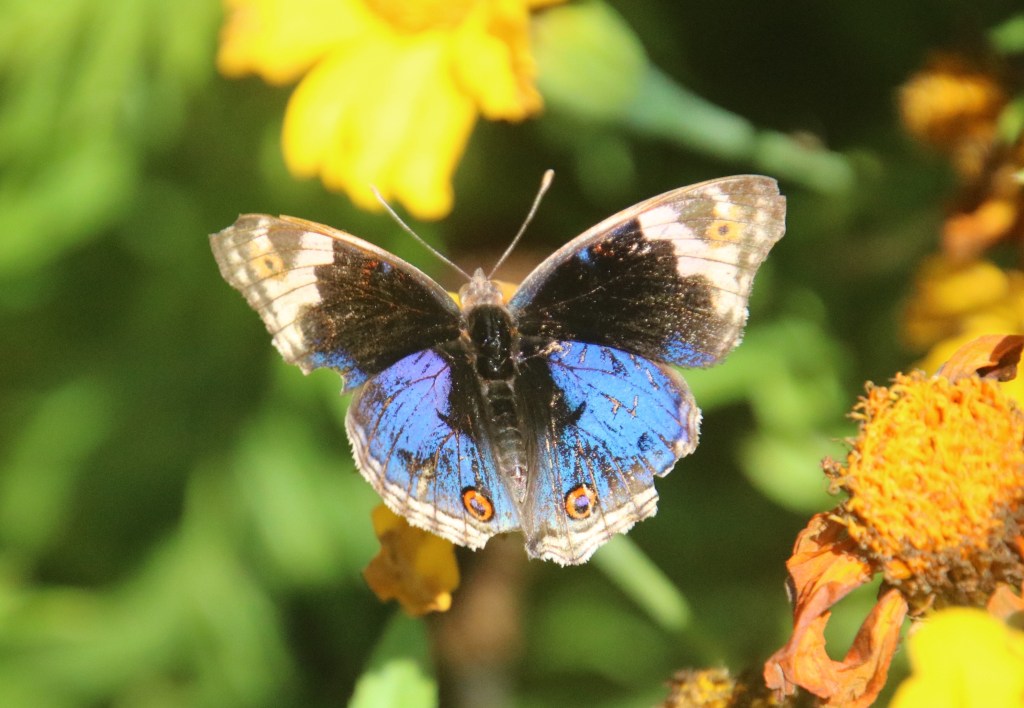
Feeling a little overwhelmed by not just the heat but also the sheer size and majestic beauty of the temples our tour continues on to Entopia – the Butterfly Sanctuary . It began its journey with David Goh, a young teacher with an interest and passion for butterflies, setting out to establish a tropical butterfly farm as a tourist destination in Penang. In 1986, this self-taught entomologist, founded the tropical world’s first butterfly and insect sanctuary, known as the Penang Butterfly Farm. The sanctuary has more than 15,000 free-flying creatures amid more than 200 species of plants. Entopia doubles as a research and conservation center for butterflies, insects, and their habitats. Both John and I have a passion for butterflies so this was of great interest to us…a truly magnificent Sanctuary. 

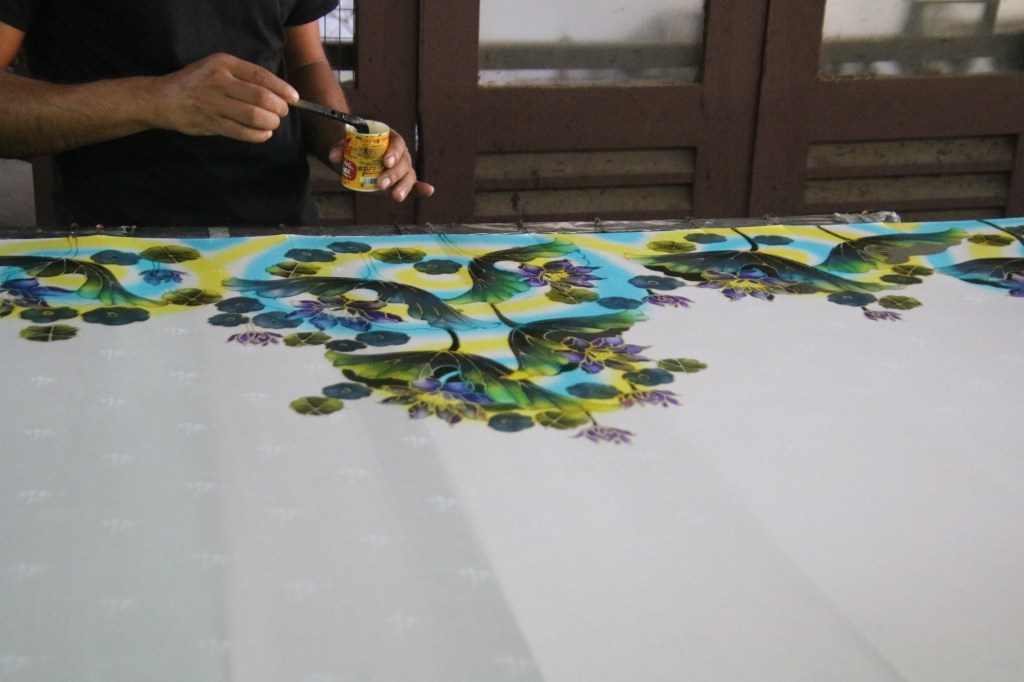
Our final visit for the day was too Craft Batik, one of the pioneers of Batik factory’s  on the island. The Batiks produced have became an icon of Malaysia. They produce an array of unique hand-drawn Batik and hand-blockprinted Batik as well as the combination of both, called hand-painted Batik. Motif of flora and fauna are the main subject that have been adopted in the design of hand-drawn Batik, while the hand-blockprinted Batik adopts mostly an abstract design. It was totally fascinating going around the different printing tables and watching how the different styles of printing, hand and block, was done. Then it was, of course, a visit to the shop…it would have been rude not to buy anything….so a couple of purchases were made to take home as gifts for family and friends. 
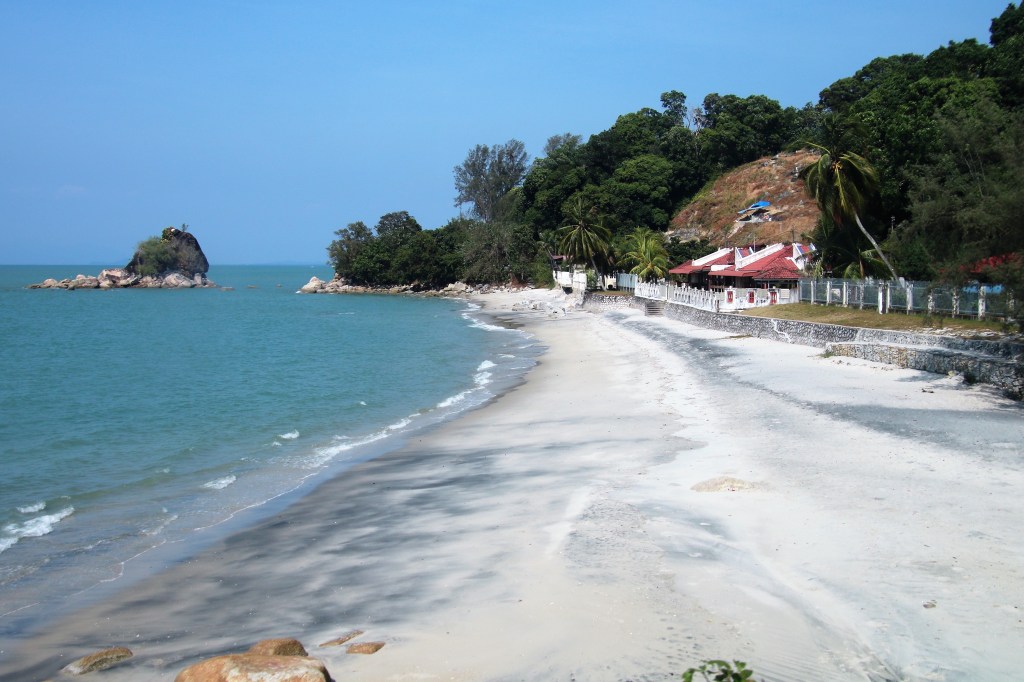
Penang is certainly a very interesting place to visit. We could quite happily have spent a week there doing the things we did, at a slower pace, and seeing more of the sights. Whilst driving from place to place we caught sight of some gorgeous looking white sand beaches. A really beautiful state of Malaysia. …… Note to self …future holiday destination. 

The National Bird of Sri Lanka- The Jungle Fowl

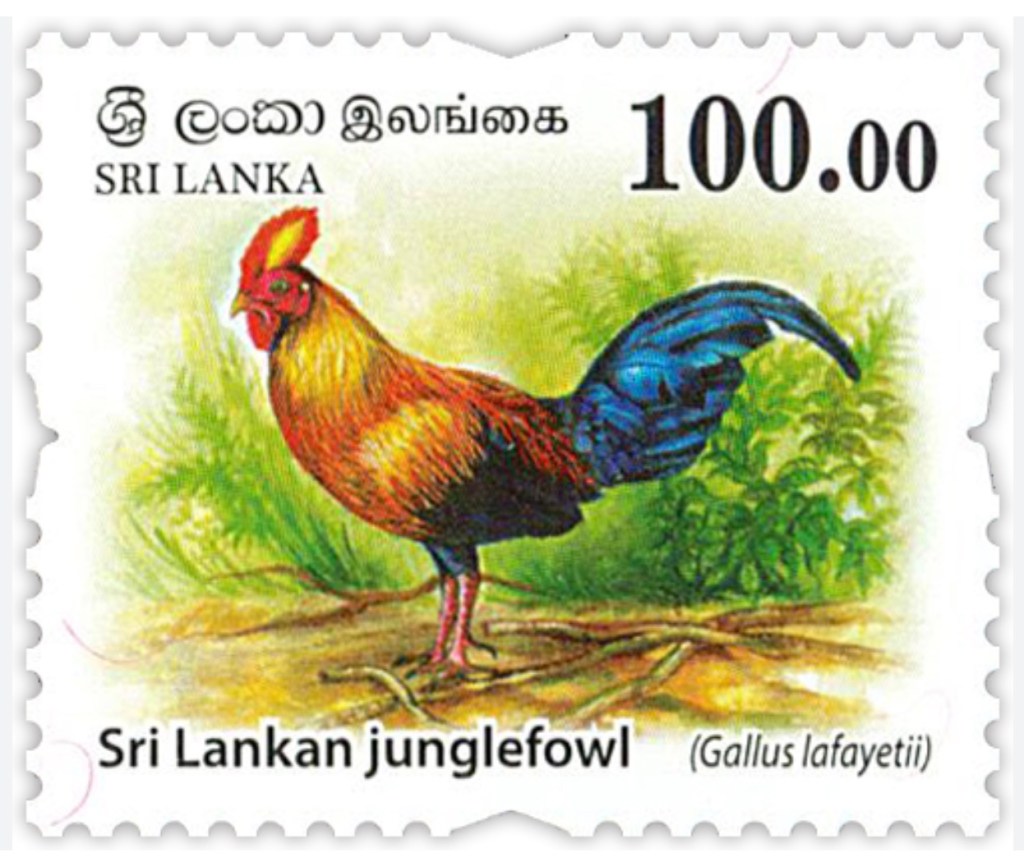
The Sri Lankan jungle fowl has the honour of being the countries national bird, and as such it has appeared on postage stamps there through the ages. 

It was known during the colonial period as the Ceylon Jungle Fowl, and  has also been referred to as Lafayette’s jungle fowl.  The Sri Lankan Jungle Fowl is endemic to the island, it is a member of the Galliformes ( these are heavy birds such as turkeys, chickens, quail, pheasants etc) bird order. It’s is a close relative of the domesticated chicken. 

The Sri Lanka junglefowl is an omnivore, meaning it eats meat and vegetation. They spend most of their time foraging for food by scratching the ground for various insects, seeds, frogs, fruit etc. It is common in forests and scrub lands it is often spotted at sites such as The National Parks.

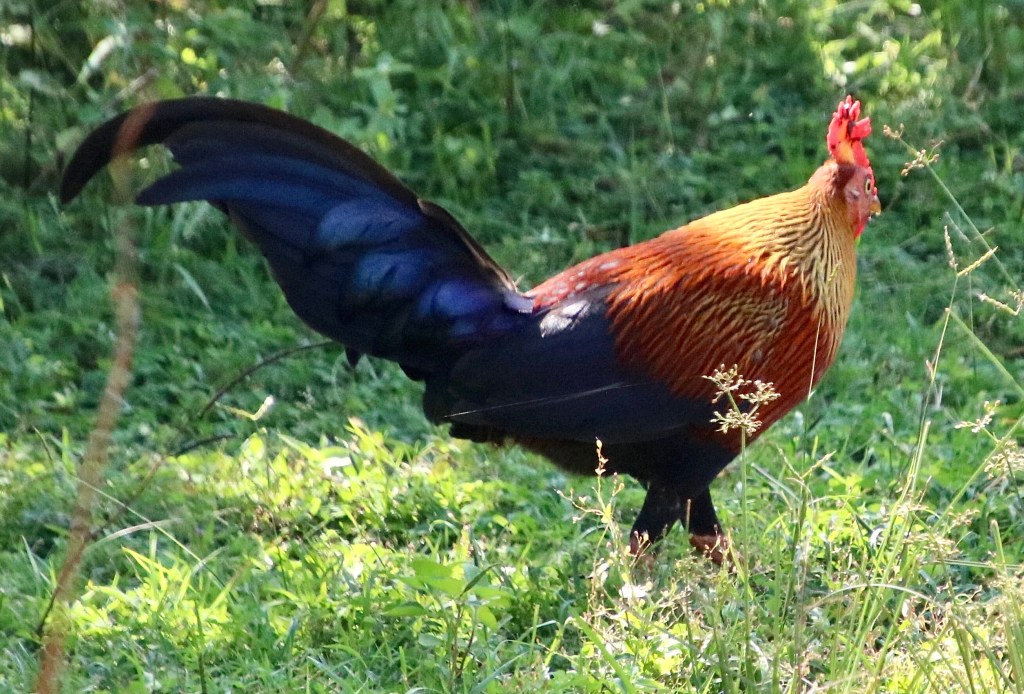
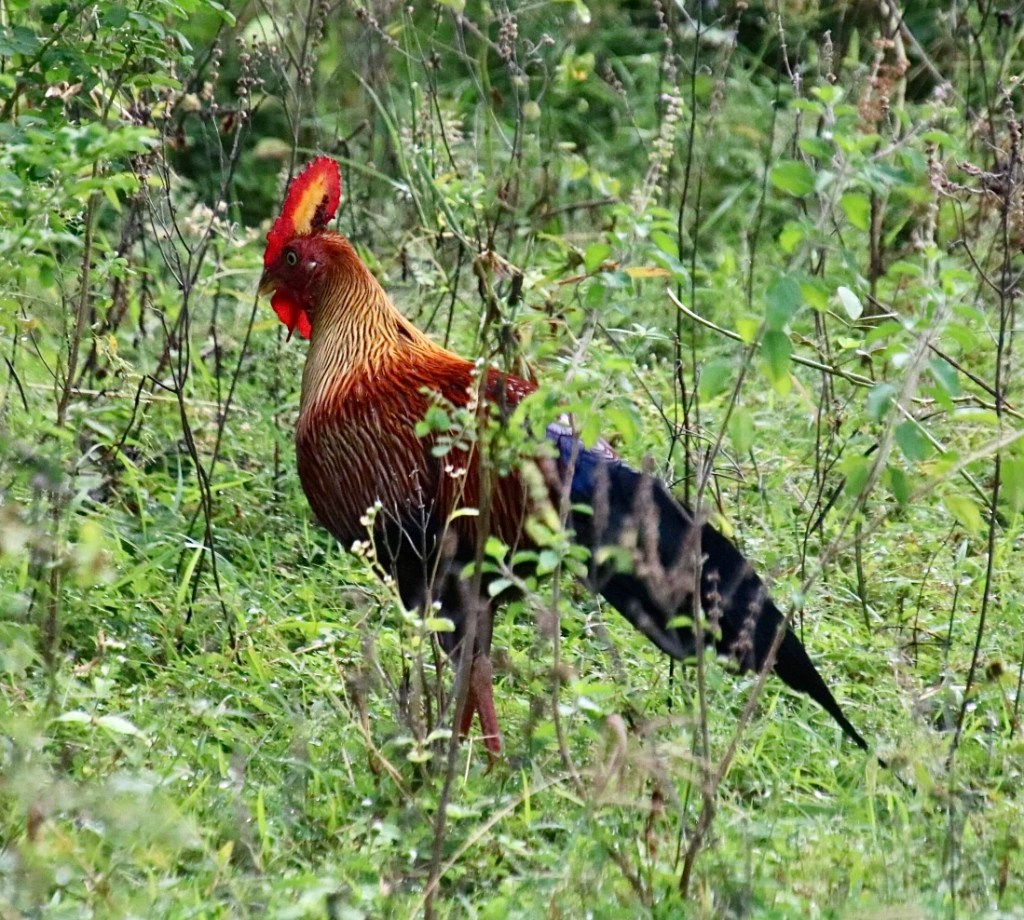
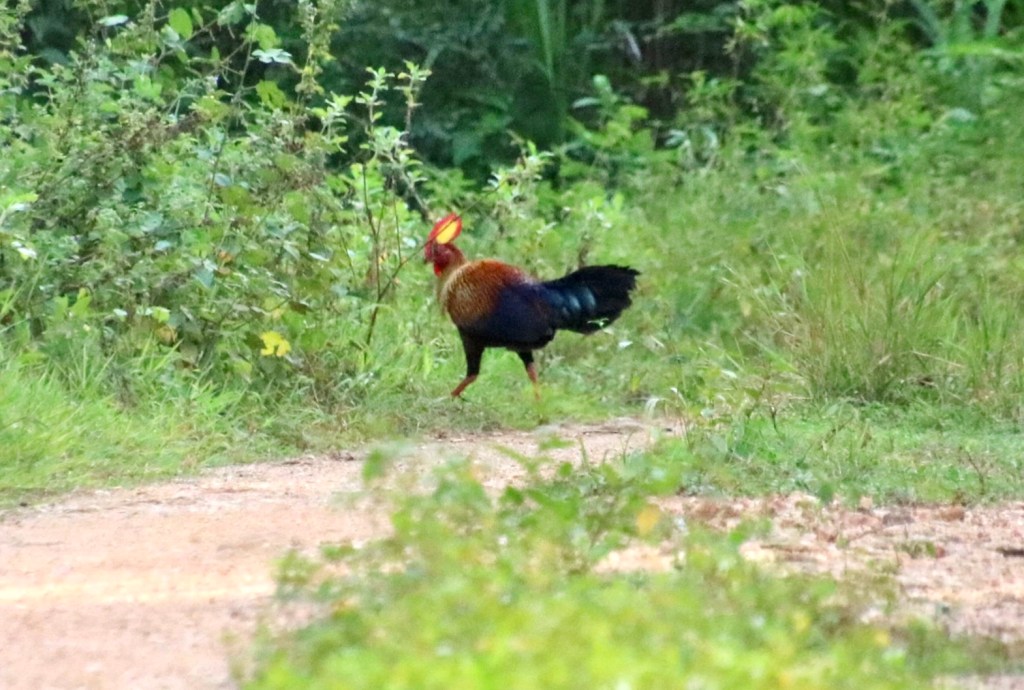
We were fortunate to see these lovely birds in Wilpattu, Wasgamuwa, Yala and Udawalawe. However they are very skittish and gaining a decent photo became quite a challenge. They are known as shy bird, predominantly a ground bird, but when they are frightened they fly up into trees. 

The Sri Lankan junglefowl is like many beautiful birds sexually dimorphic. By this I mean the male and female are totally different in appearance . The  male is much larger than the female, with more vivid plumage and a wattle and comb. The male has an orangey -red body plumage, and dark purple to black wings and tail. The feathers of the mane descending from head to base of spine are golden, and the face has bare red skin and a wattle. The comb on the top of its head is red often with a yellow centre. It is a stunning bird. Where as the female is much smaller with a dull brown plumage which has white patterning on the lower belly and breast. It’s colours are ideal for camouflage whilst it is nesting. It nests in hidden, scraped places on the ground or on a pile of vegetation just off the ground.

It is quite a noisy bird. We found we could often hear it even when we couldn’t see it. While foraging on the ground  the male makes short calls, it also makes a high pitched rooster like crow at dawn. During mating season it is extremely vocal, not only to attract a hen but also to warn off other rivals.
Because of its beauty we got quite excited every-time we saw one….like a lot of things in Sri Lanka it was stunningly colourful.