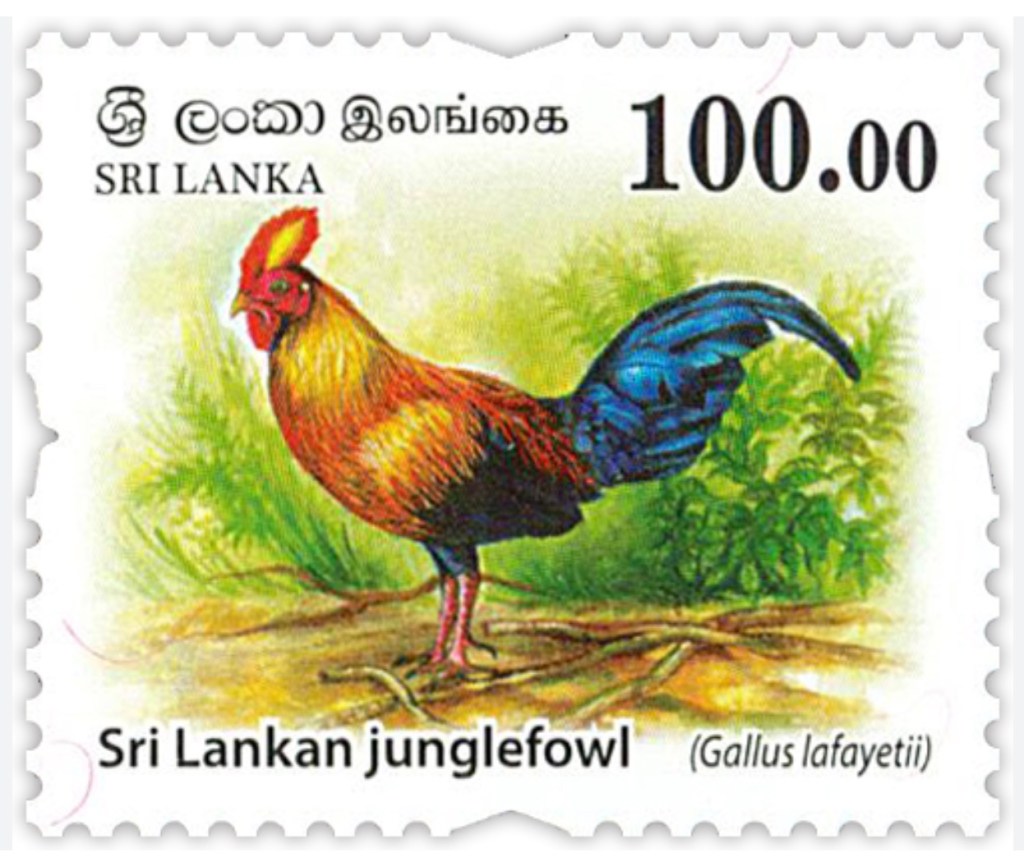
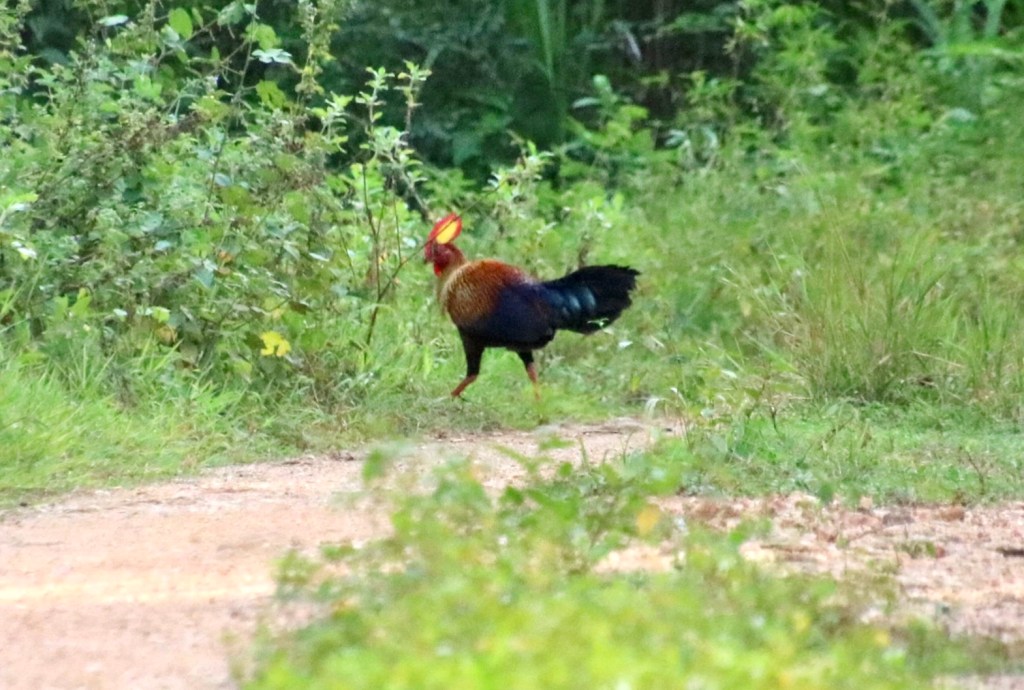
The Sri Lankan jungle fowl has the honour of being the countries national bird, and as such it has appeared on postage stamps there through the ages.
It was known during the colonial period as the Ceylon Jungle Fowl, and has also been referred to as Lafayette’s jungle fowl. The Sri Lankan Jungle Fowl is endemic to the island, it is a member of the Galliformes ( these are heavy birds such as turkeys, chickens, quail, pheasants etc) bird order. It’s is a close relative of the domesticated chicken.
The Sri Lanka junglefowl is an omnivore, meaning it eats meat and vegetation. They spend most of their time foraging for food by scratching the ground for various insects, seeds, frogs, fruit etc. It is common in forests and scrub lands it is often spotted at sites such as The National Parks.
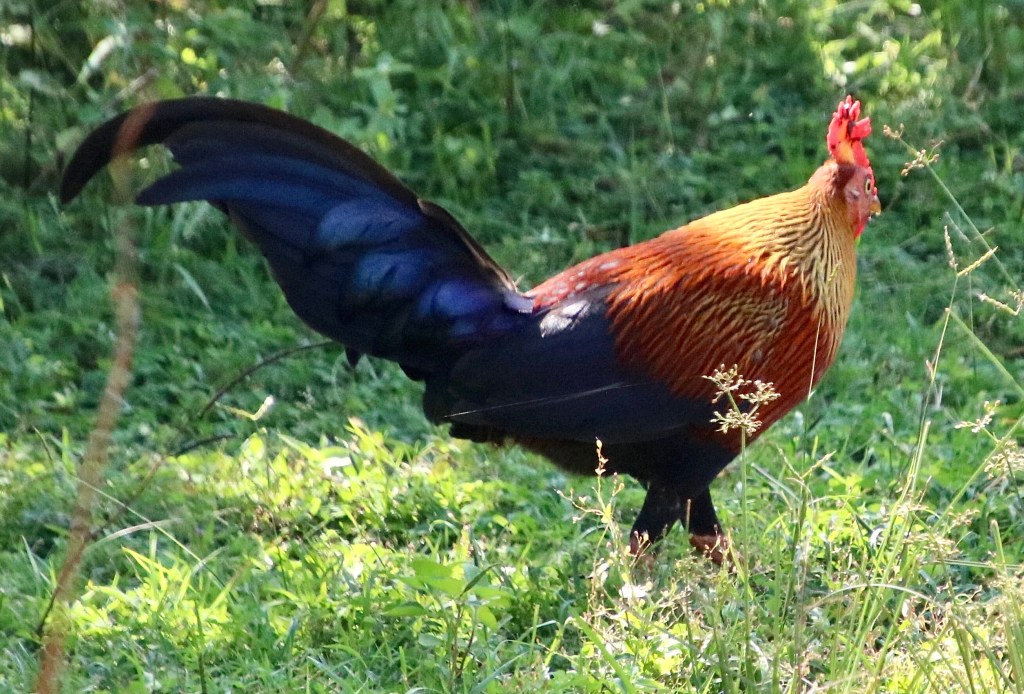
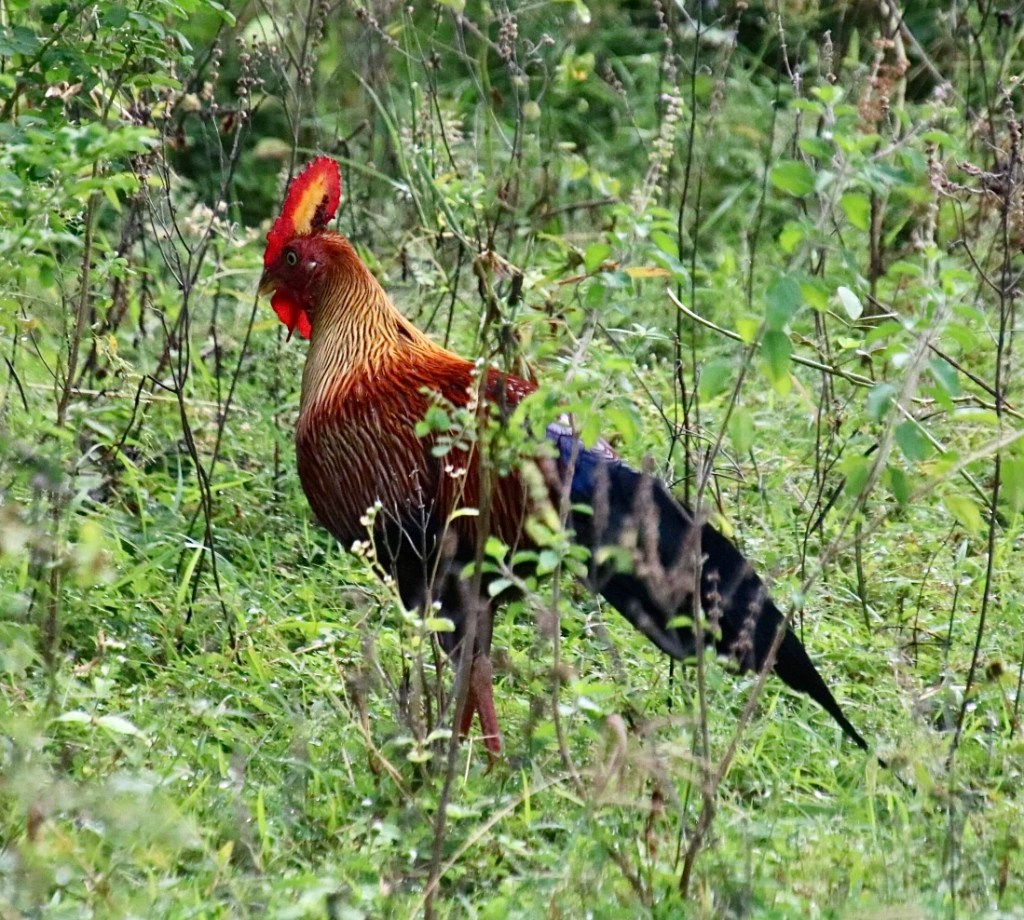
We were fortunate to see these lovely birds in Wilpattu, Wasgamuwa, Yala and Udawalawe. However they are very skittish and gaining a decent photo became quite a challenge. They are known as shy bird, predominantly a ground bird, but when they are frightened they fly up into trees.
The Sri Lankan junglefowl is like many beautiful birds sexually dimorphic. By this I mean the male and female are totally different in appearance . The male is much larger than the female, with more vivid plumage and a wattle and comb. The male has an orangey -red body plumage, and dark purple to black wings and tail. The feathers of the mane descending from head to base of spine are golden, and the face has bare red skin and a wattle. The comb on the top of its head is red often with a yellow centre. It is a stunning bird. Where as the female is much smaller with a dull brown plumage which has white patterning on the lower belly and breast. It’s colours are ideal for camouflage whilst it is nesting. It nests in hidden, scraped places on the ground or on a pile of vegetation just off the ground.
It is quite a noisy bird. We found we could often hear it even when we couldn’t see it. While foraging on the ground the male makes short calls, it also makes a high pitched rooster like crow at dawn. During mating season it is extremely vocal, not only to attract a hen but also to warn off other rivals.
Because of its beauty we got quite excited every-time we saw one….like a lot of things in Sri Lanka it was stunningly colourful.
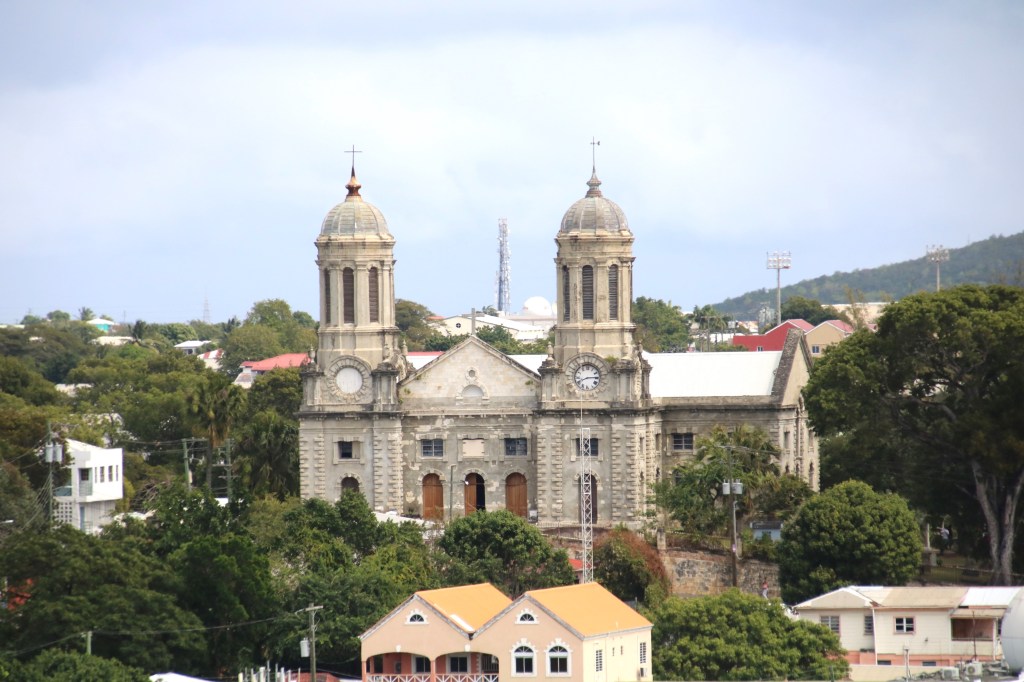
The Caribbean island of Antigua is one of the Leeward Islands and, together with the neighbouring island of Barbuda, is home to around 100,000 people. Its capital, St. John’s, on the northwest corner of the island, has a deep harbour and is a popular calling point for cruise ships. It has wonderful beaches – and there are said to be 365 of them, one for each day of the year, making it one of the area’s most popular tourist destinations in the Caribbean. Having said that a lot of the American cruise ships don’t go there, it’s quite ‘British’ and the Americans tend to prefer to cruise to their own islands. We visited on a cruise in 2023.
It was Jenny’s first time visiting Antigua, where as I had been several times many, many years ago. Jenny was ultra excited. We’ve cruised the Caribbean many times and this is only the second time Antigua had been on our itinerary. On the previous occasion it was dropped from the itinerary due to the ship having engine trouble, Jenny had been very disappointed. So on this occasion we were fortunate to be able to sightsee the island. Strangely enough it’s on our itinerary again when we visit later this year..a Celebratory Cruise for our 10th Wedding Anniversary.
Since 1981, Antigua and Barbuda has been an independent state, although it remains within the Commonwealth of Nations.
Not surprisingly, the island has produced many fine cricketers representing the West Indies including Curtly Ambrose, whose mother used to ring a bell at her front door every time her son took a wicket! For me, though, he is eclipsed (just) by one of my alltime boyhood heroes, Sir Vivian Richards.
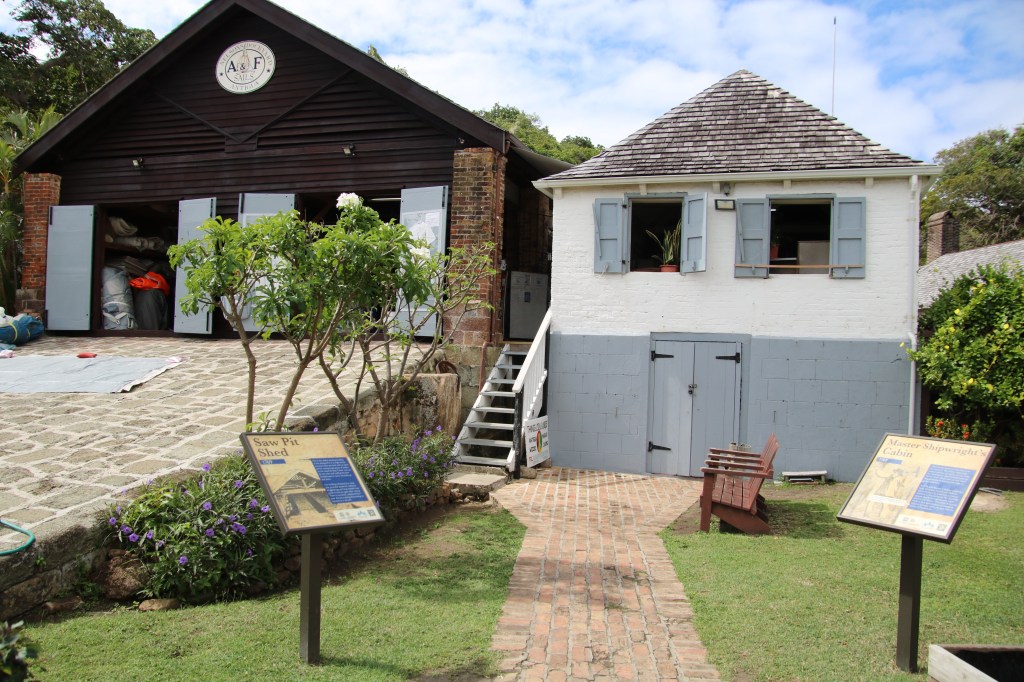
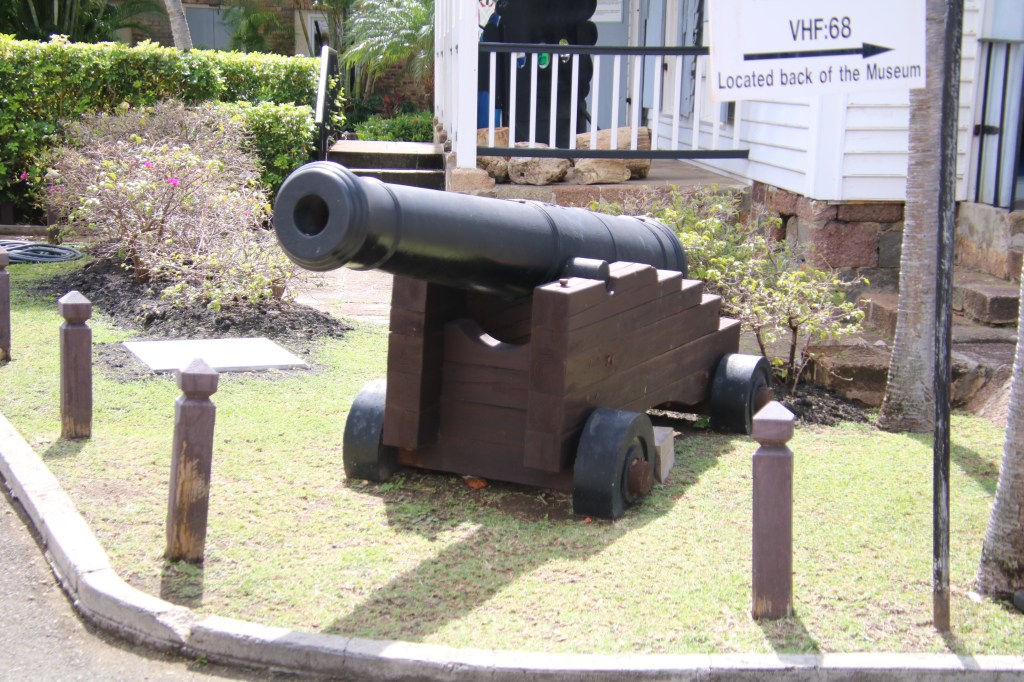
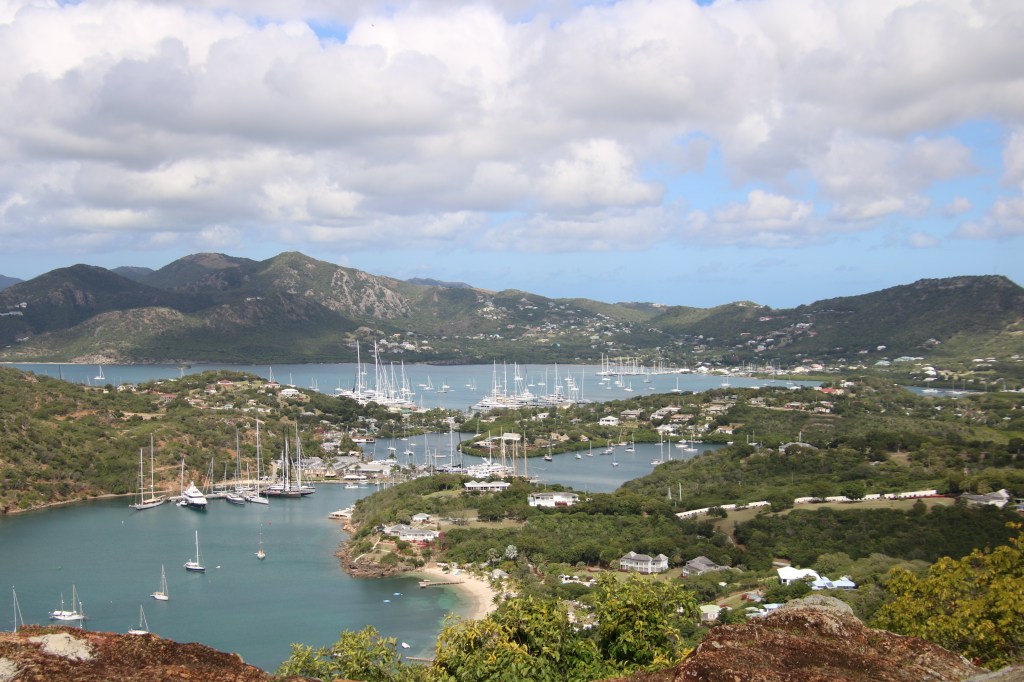
To the southeast of the island is English Harbour, home to the UNESCO site now referred to as Nelson’s Dockyard in recognition of Lord Hortaio Nelson’s time here as Senior Naval Officer of the Leeward Islands.
The dockyard is a popular attraction today, having been carefully restored and preserved reflecting life here 250 years ago. It is one of the deepest, protected harbours in the Eastern Caribbean Sea.
A popular view point is Shirley Heights. From here you get magnificent views of the beautiful surrounding area.
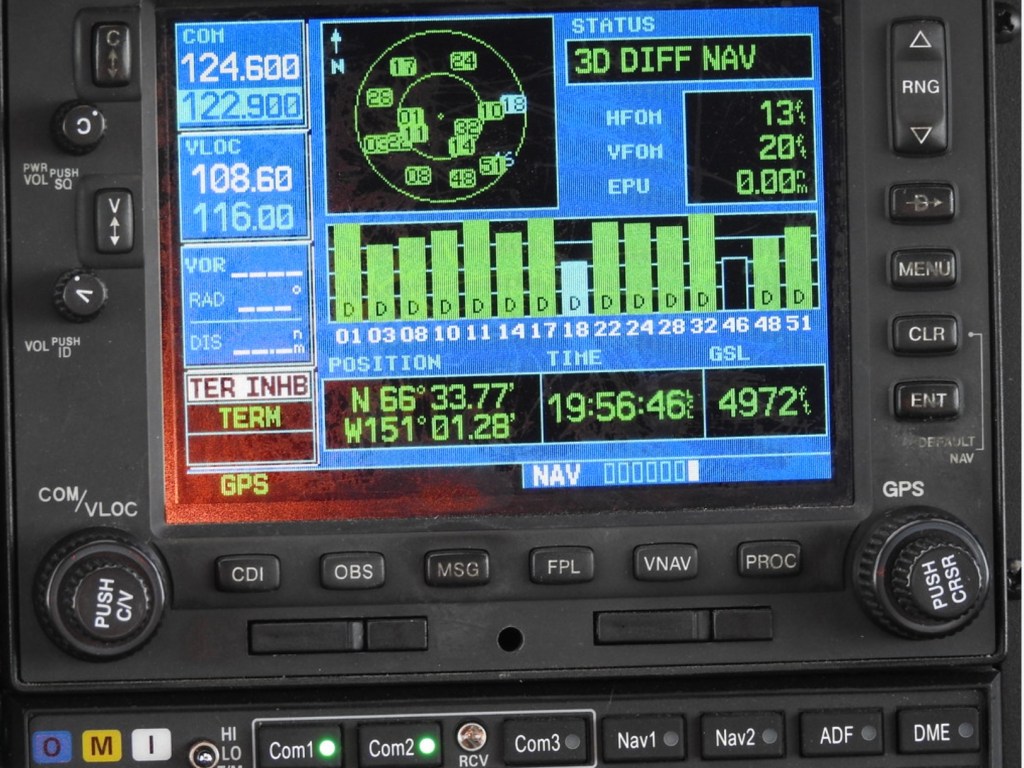
The Arctic Circle is an imaginary line encircling the earth. This line is located at latitude 66 33′ North. In the Arctic Circle, the sun does not set on summer solstice (June 20 or 21) and is does not rise on winter solstice (December 21 or 22). There are eight countries which extend into The Arctic Circle. These are Greenland, Iceland, Finland, Norway, Sweden, Russia and Alaska (USA).
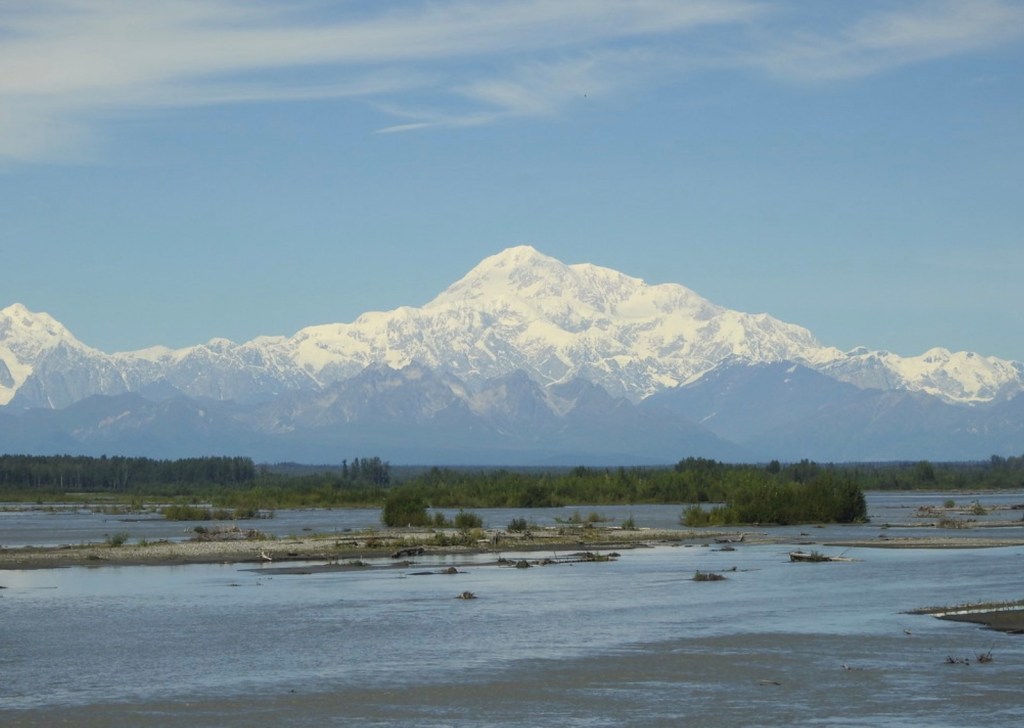
Approximately 4 million people, of which 10% of the inhabitants are indigenous, live with in the Arctic circle today. It had been on our ‘bucket list’ to visit and understand some of the cultures of those who live within the Arctic circle for sometime. We decided to achieve this by flying from London to Vancouver, cruising from Vancouver up to Whittier, Alaska, and then take the train to Denali and continue by coach to Fairbanks, from there we decided to take a small plane into the Arctic Circle. It was all going swingingly well up to Fairbanks. We had magnificent views from the train, which slowed for us to take, evidently, unusually clear pictures of Mount Denali.
The weather was kind to us and we got further views of the majestic mountain from the early morning bus to Fairbanks.
Alas! arriving in Fairbanks we were not so lucky…we had allowed two nights in Fairbanks thinking that we would be able to fly in to The Arctic Circle on one of the two nights….more fool us!!! The weather was appalling and we were told on our first night that they were not flying so on our second night as we waited in the small office on the edge of the airstrip we had high hopes. However! It soon became obvious we were going nowhere……they only charge ( it was about US$1000 for two people) if you can actually land in The Arctic, so although we didn’t loose any money by trying, we were bitterly disappointed…we couldn’t stay longer because we had restrictions such as return flights and work to consider……we returned to the UK without completing our ambition..
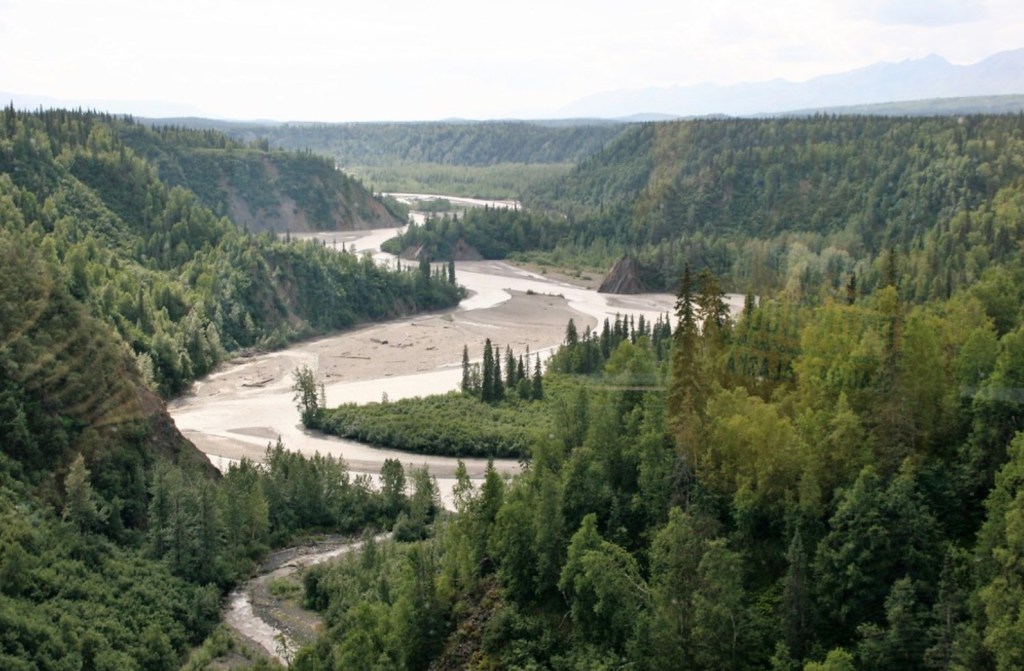
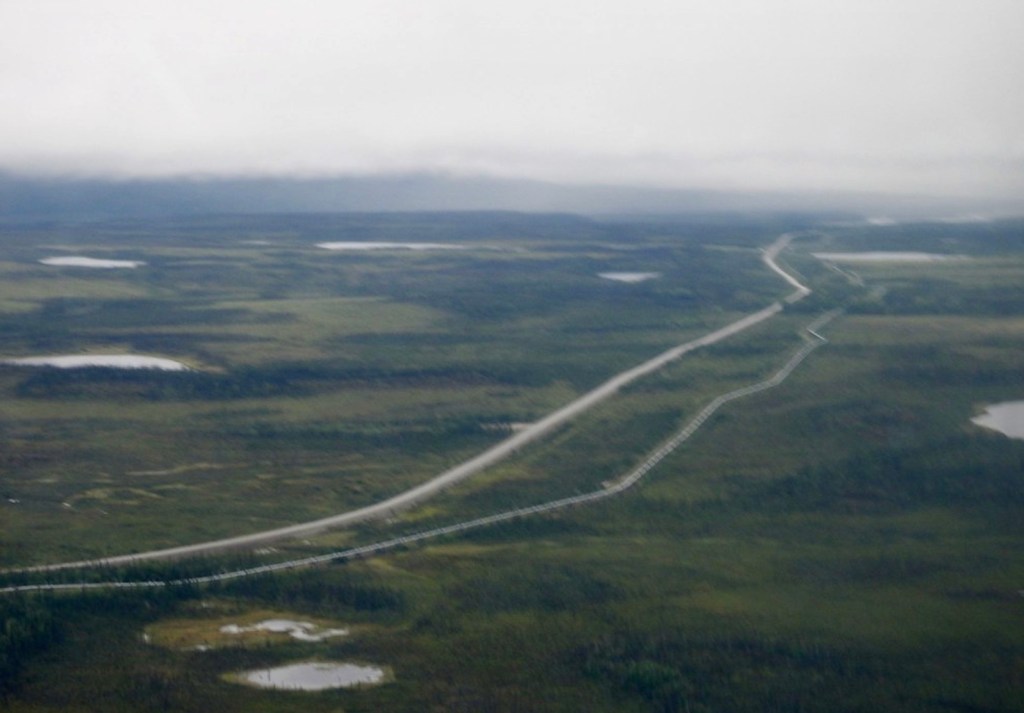
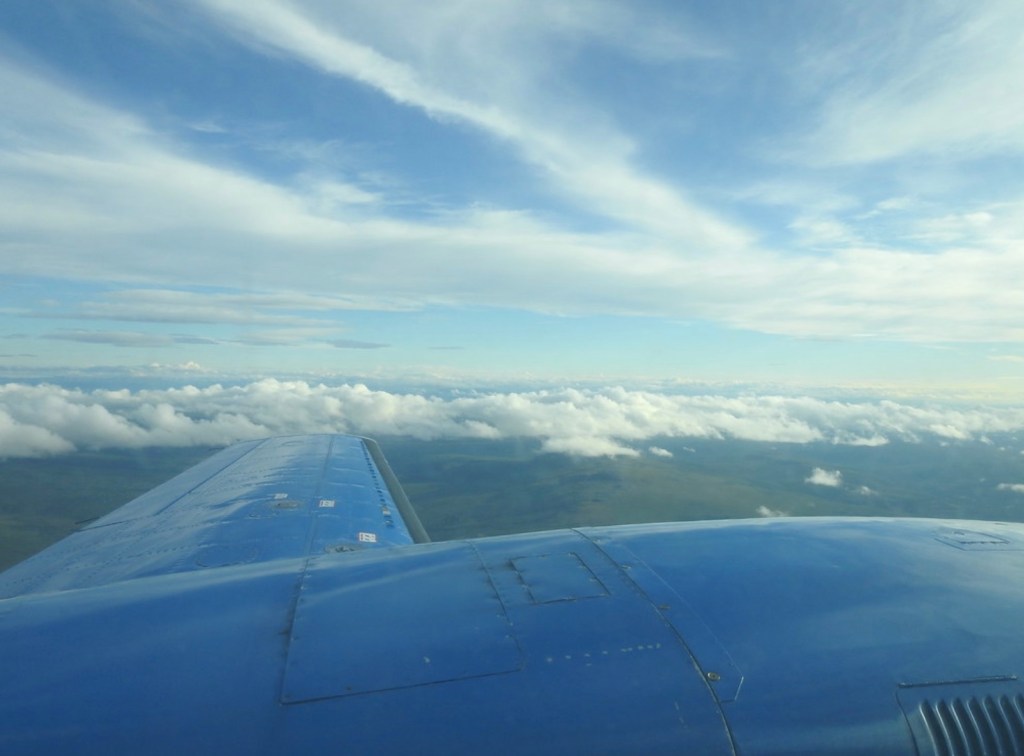
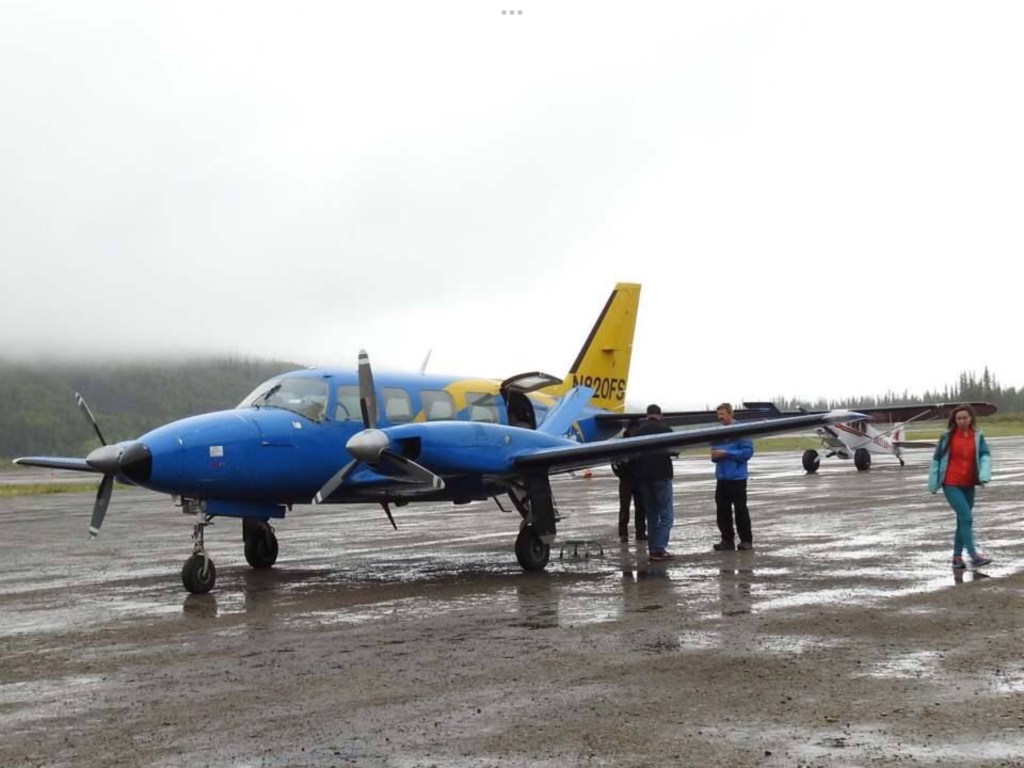
Two years later we took exactly the same route only this time, on advice, we booked into a Fairbanks hotel for a week. On our first night we found ourselves back at the office on the runway…our chariot awaited us..it didn’t half look small as we boarded our 6 seater plane. Handbags were stashed in the lockers in the wings. We squeezed ourselves in, with John next to the pilot and me behind him, 4 others joined us and we were soon in the air. The flight time is just under an hour. Looking down we had a good view of The Dalton Highway and the Oil Pipeline.
About 40 minutes into the flight the pilot told us he was detouring to circle another small town, which had a landing strip, because some heavy weather was moving in. We circled for about 30 minutes before the pilot said it was safe to continue. We were heading towards ‘Coldfoot’ a town within the Arctic Circle. As we entered into the Arctic circle the pilot told us we could take pictures of the planes dials..which we did.
Again we began to circle and the pilot said he couldn’t land until he could see the landing strip. The weather wasn’t great and the pilot said he’d circle once more before taking us back to Fairbanks and we could try again tomorrow!! We had been in the air nearly 2 hours and he said he had enough ‘gas’ to get us back to Fairbanks….we were just a little nervous!!! Suddenly the pilot said he could see the strip and he was going in…….all we could see was the Yukon River!!! Or was it a fork of the Koyukuk River ??? So we just prayed for longevity!! Thankfully our skilled pilot landed us safely and we disembarked in Coldfoot.
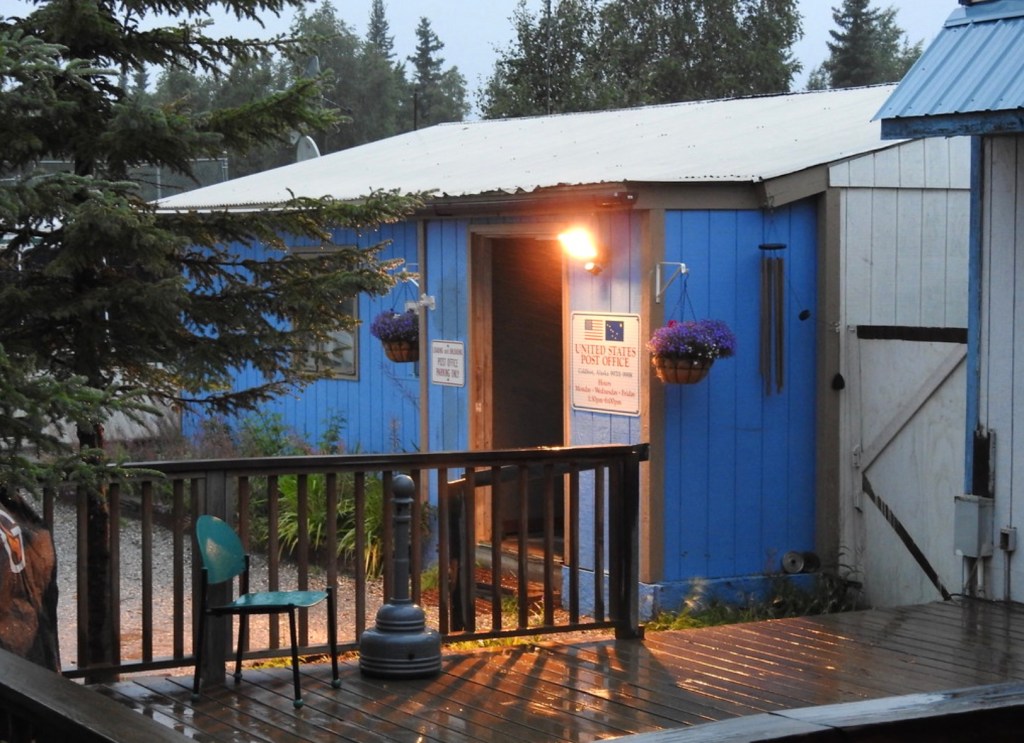
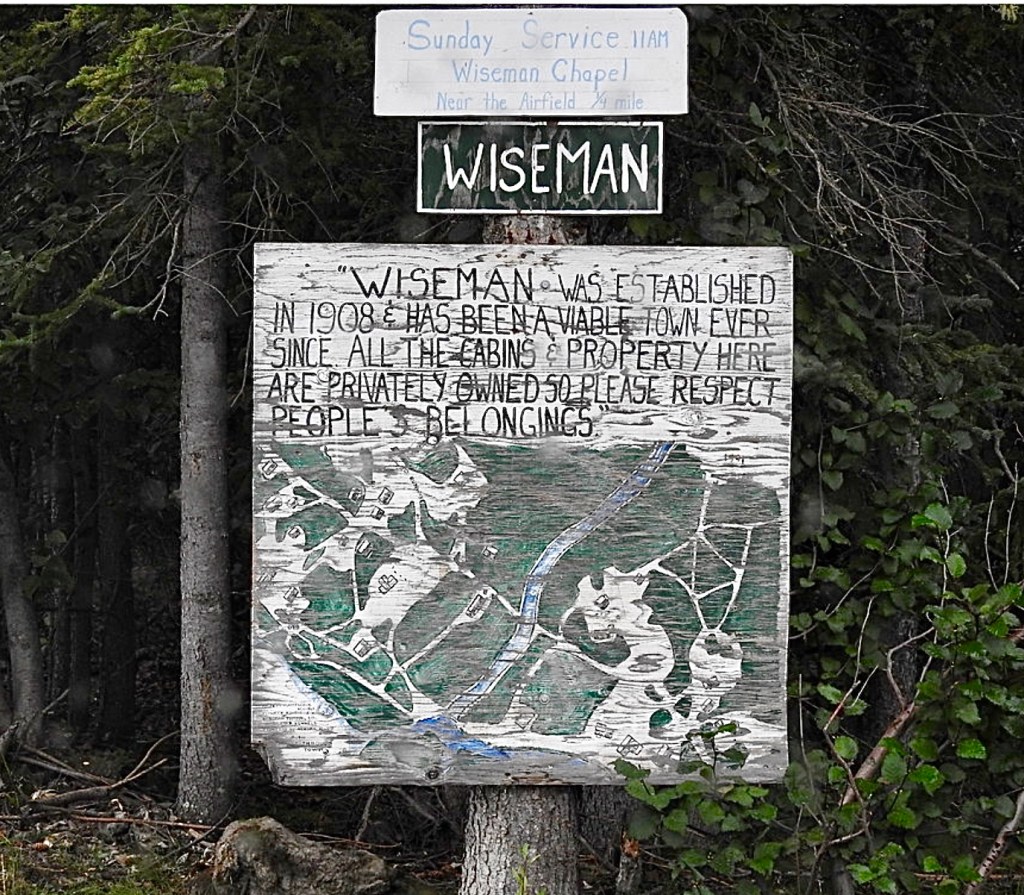
Coldfoot reminded me of some of the towns Dana Stabenhow writes about in her Kate Shuga Novels!!!!! Coldfoot came about when In 1899, gold was discovered in Slate Creek, and a small rush began as prospectors arrived to pan for gold. As winter approached, many of the prospectors got “cold feet” and decided to turn around and head back to warmer climates. The name stuck, Coldfoot’s gold rush only lasted around 5 years and the small town was quickly abandoned when gold was discovered in Wiseman only 10 miles north in 1908. Many of the buildings in Coldfoot were hauled north to Wiseman and rebuilt there. However Coldfoot was resurrected in the 1970s as a construction camp for the Trans-Alaska Pipeline, and as long-haul truckers began driving the Haul Road (later renamed the Dalton Highway), a full-service truck stop was established in Coldfoot. Coldfoot is now a place where travelers can find lodging, dining, gasoline, air service, and even a post office. It is situated nearly 200 miles away from the next largest community. We used its facilities, which could only be described as basic….this really is a ‘one horse town’ with the truckers stop being the one horse!!
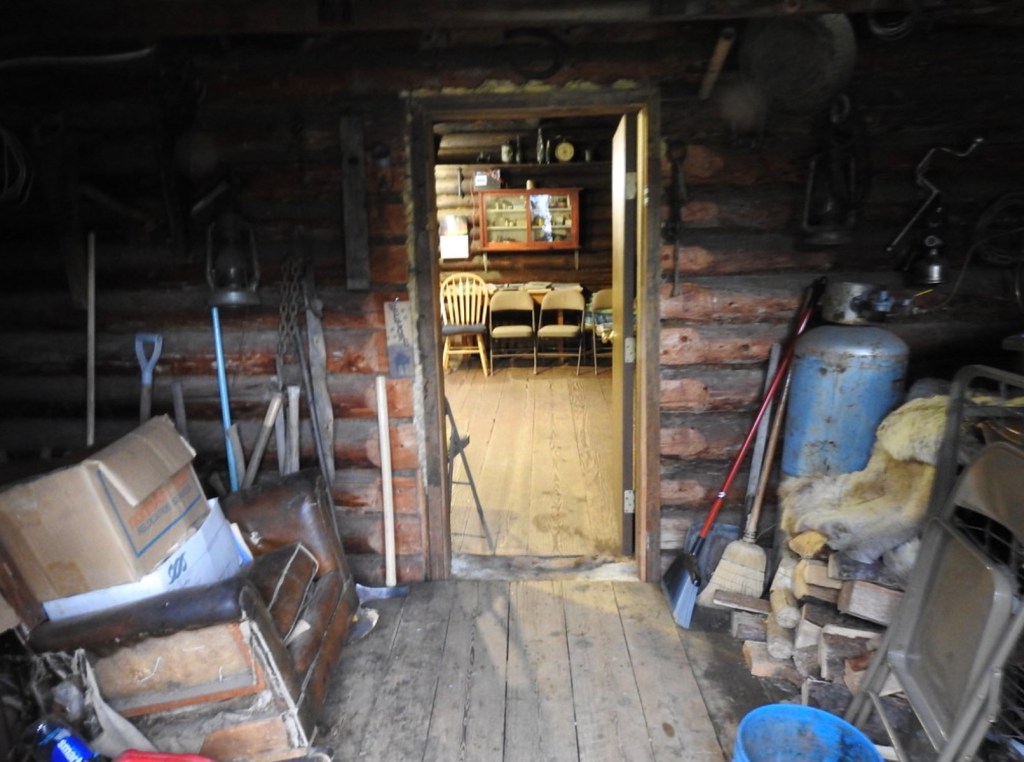
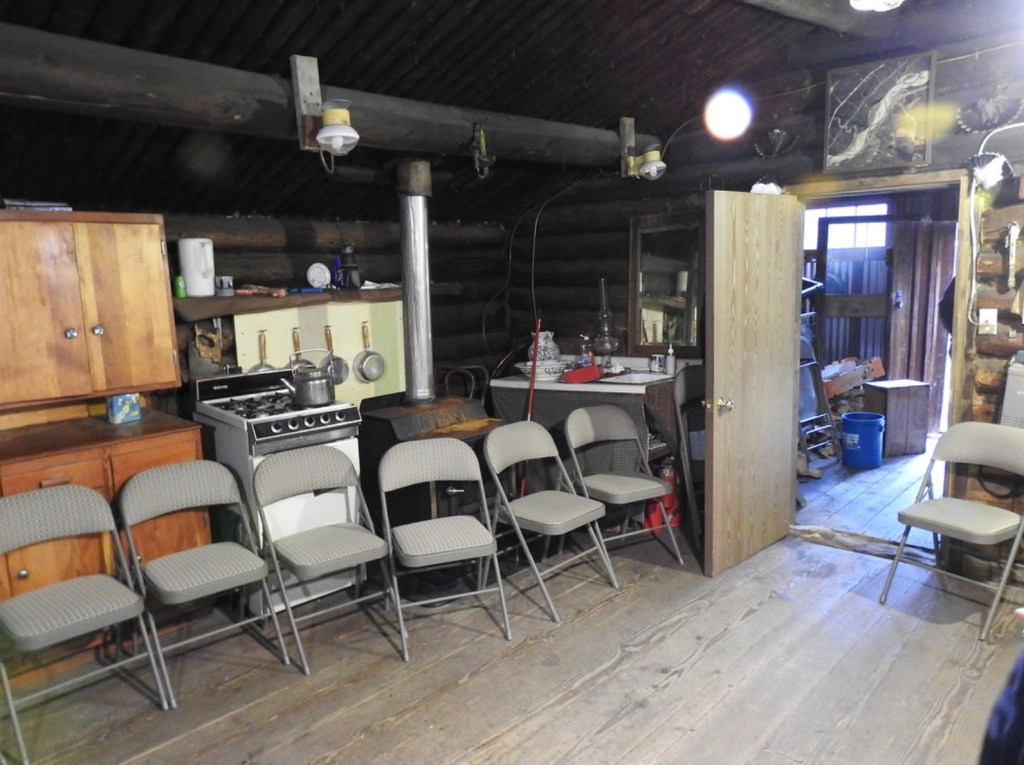
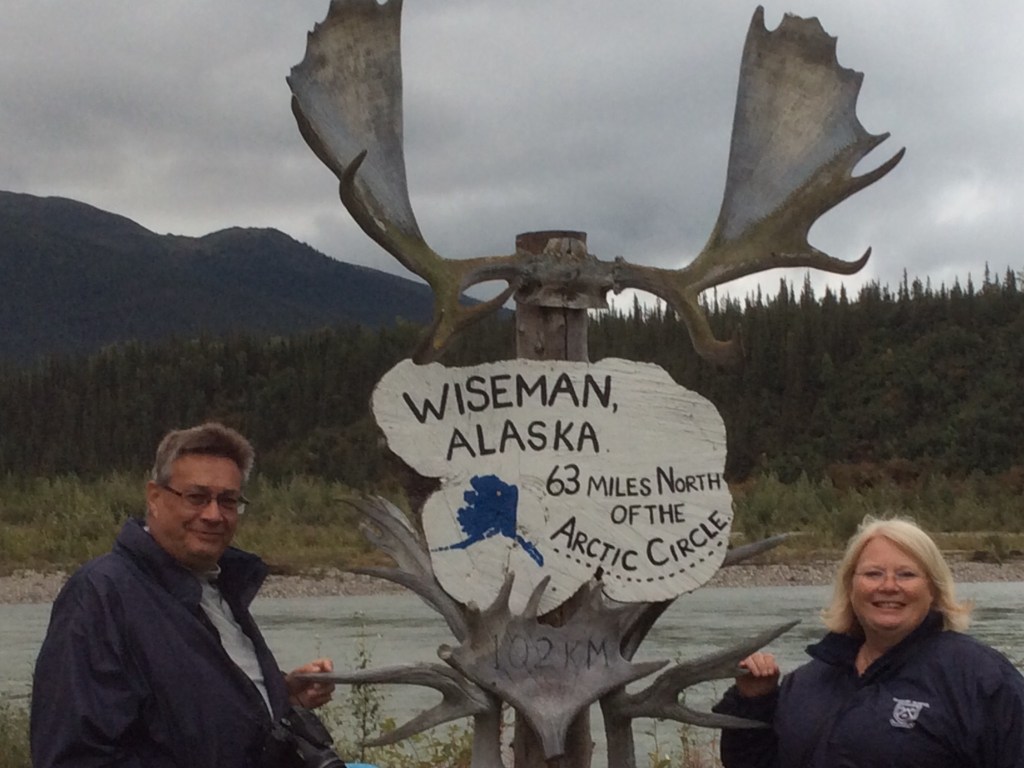
Having used the ‘Ladies’ in the truck stop/bar/restaurant/lodgings…we got into a vehicle which took us down the highway for thirty minutes and then off to the right to a place called Wiseman. Wiseman is situated in the Arctic Circle, Northern Alaska it is on the edge of the beautiful Brooks Range mountains near the Gates of the Arctic National Park, along the Middle Fork of the Koyukuk River. The community population has fluctuated over the years from a robust mining/trading outpost to current times, with a few families making it their home, when we visited it had had a population explosion!!! Increasing from 12 residents to 14!!! There are no services in the town. We were greeted by one of the residents who took us into the meetings/community centre…it’s still used for village functions but also for tourist group talks.
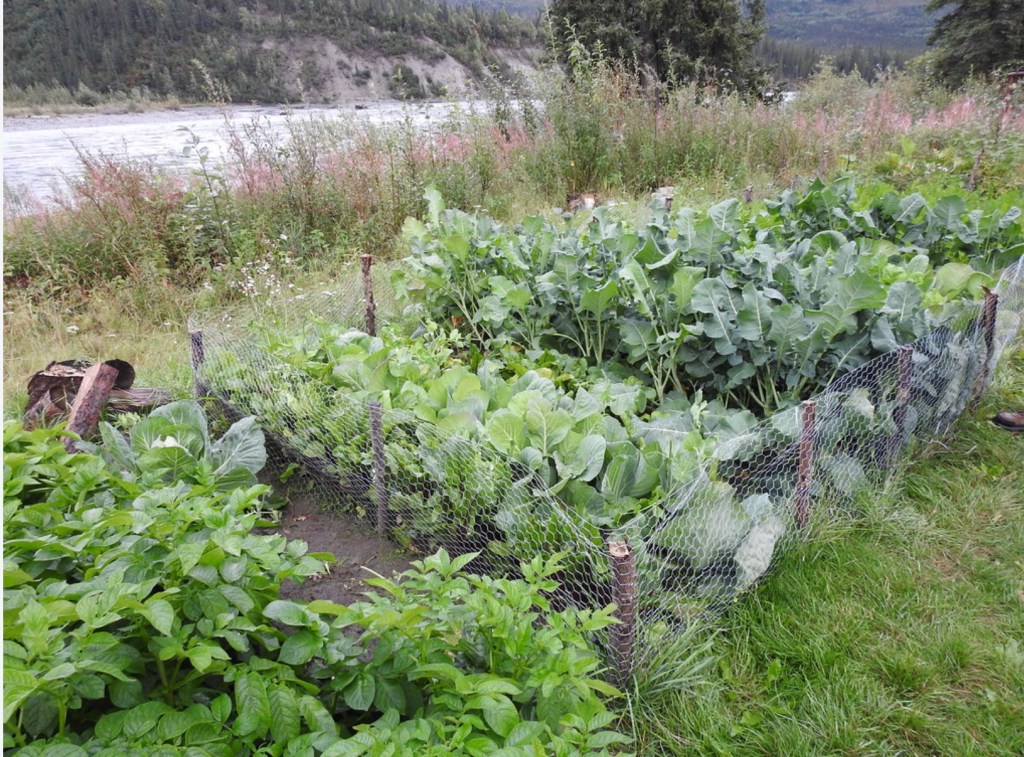
Another of the huts is set up as a museum. We browsed the village. The residents grow their own vegetables…they are hunters/gatherers. They hunt their allocation of meat..usually Caribou and Moose, which they store in areas deep under their huts, this space acts as a deep freeze all year around. They also store fish they have caught. This helps see them through the winter months when they are snowed in and the river turns to ice.
There are also a few huts which act as Bed & Breakfasts for tourists wishing to experience a few days “off the grid” in the middle of nowhere. After a couple of hours we returned to Coldfoot. Our pilot was waiting for us. The weather was still not good. I nervously asked how he would see to take off…his response was he didn’t need to see to take off only to land!!!!! 52 minutes later we landed back in the modern day town of Fairbanks.
We were totally delighted to have achieved our ambition. Learning about the way the small population lives was amazing. Wiseman is a village where time has stood still…a wonderful adventure.
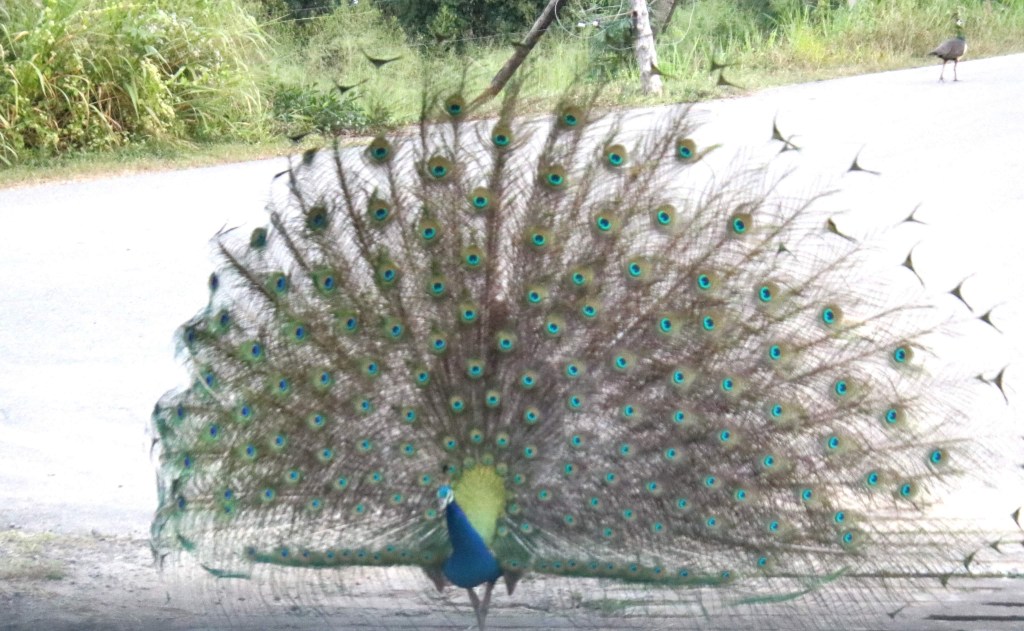
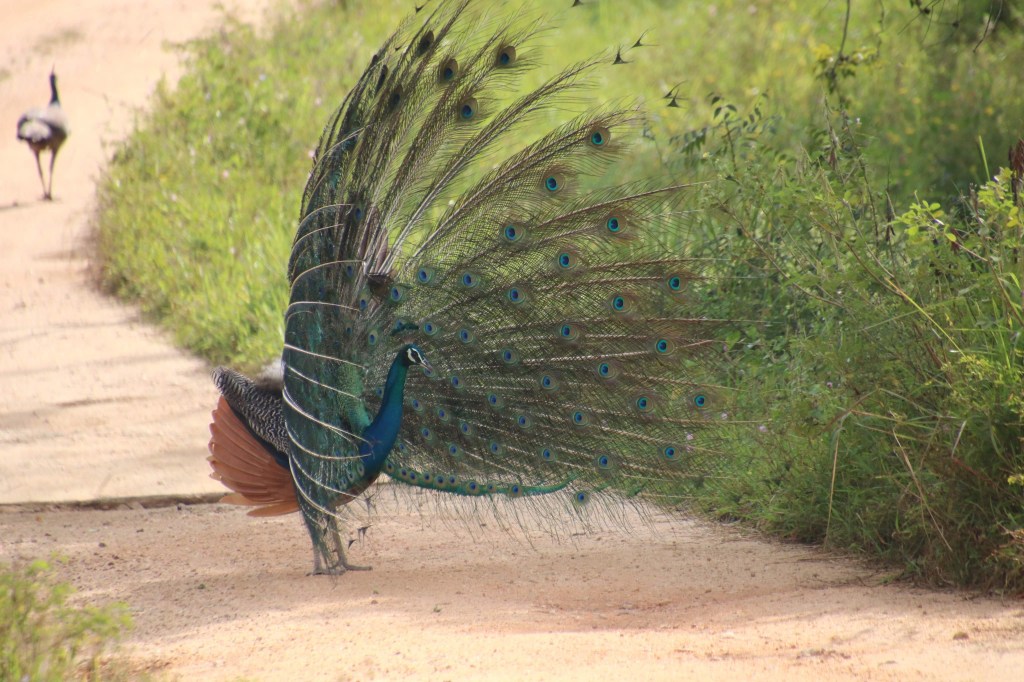
The Peacock is an absolutely stunning bird which is native to the island of Sri Lanka, it’s distinctive call can not only be heard all over the jungles but also in more urban areas. It is the largest of the pheasants and can also be found native to India. The male peacock has an absolutely stunning plumage, where as the female pea hen is a very plain brown bird with none of the lovely bright colours and ornamental feathers. They have an average life span of 20 years in the wild. The male attracts the female by stretching out its lovely feathers into a circular fan framing its neck, head and crown, dancing so that the feathers make a wonderful rattling sound, while shouting loudly. It is a magnificent display of courtship. One which we were privileged to watch on several occasions during our visit to Sri Lanka.
As you can expect a bird with these looks is surrounded in religious symbolism. It means different things in different cultures. It’s uniqueness and magnificent beauty makes it an easy symbol of power, strength, confidence and even divinity.
It is believed that they eat poisonous plants, insects and snakes. The Buddhist belief is that this beautiful bird represents wisdom and the ability to turn poison into beneficial nutrients. They also believe that that Peacocks are related to bodhisattvas, godlike beings, which come to earth to help humans gain enlightenment. This allows them to be like the Peacocks and turn “poisons of ignorance, desire and hatred into fuel for spiritual growth”.
Hindus in Sri Lanka also have a special place for peacocks. The God Kataragama, ‘Skanda’ sits with his wives and peacocks on either side. Lord Vishnu is often depicted with a peacock in the background. With in the Islamic religion, Muslims interpreted the peacock as a bird of paradise, which is the gate keeper and guide to the people in heaven it is supposed to repel the devil and guide believers. The Peacock’s feathers are supposed to ward off evil spirits, it is seen as a symbol of beauty and elegance.
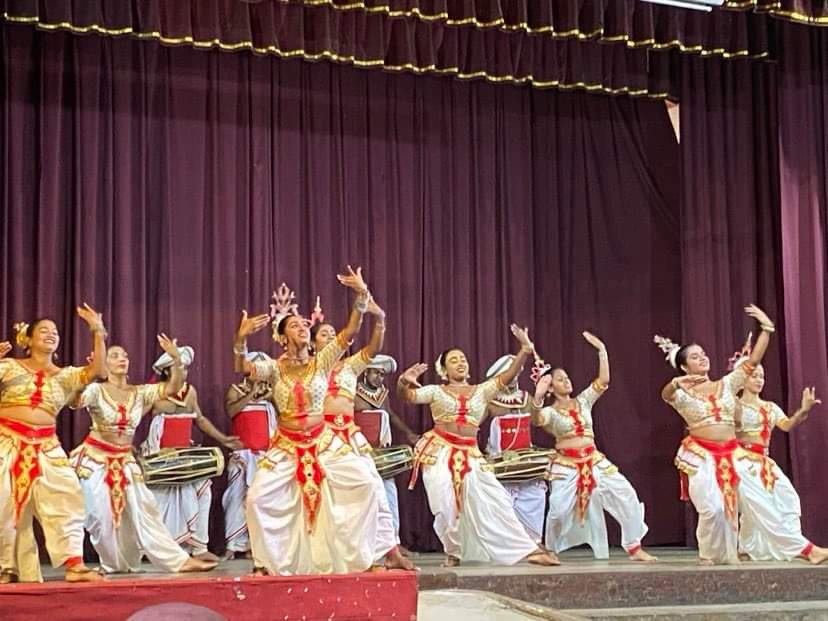
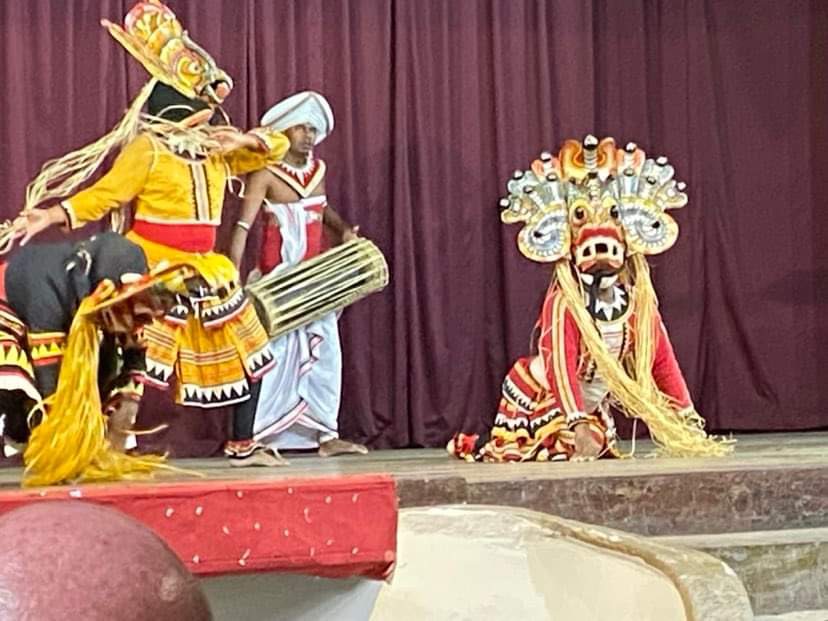
When visiting Kandy we went to see a cultural show. Part of the show was Kandyan dance. The peacocks play a big part in this, with an entire dance depicting the behaviours and looks of the peacock. This part of the dance is known as Mayura Natuma
Seeing these creatures displaying their beauty in the wild can only be described as a privilege.
We stayed in quite a few hotels and guest houses on what is the usual tourist route around Sri Lanka. 1) On arriving in Sri Lanka we spent the first 3 nights At Ayubowan Guest House in Negombo.
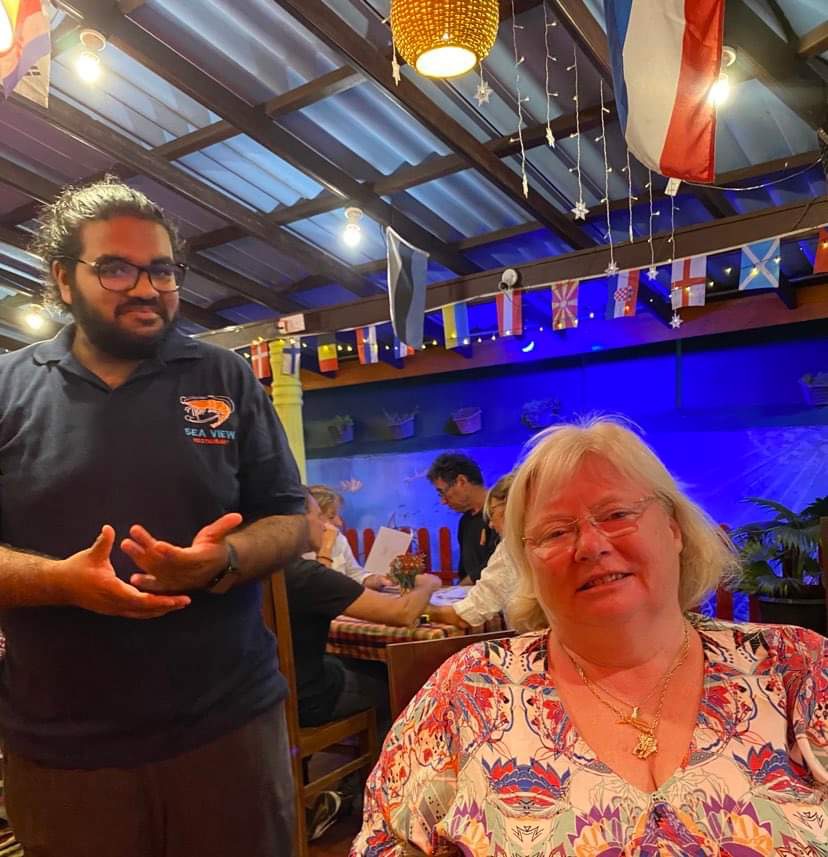
This is within walking distance of the town centre, the beach and some good restaurants- we can recommend The White House and Sea View restaurants…great sea food and curries.
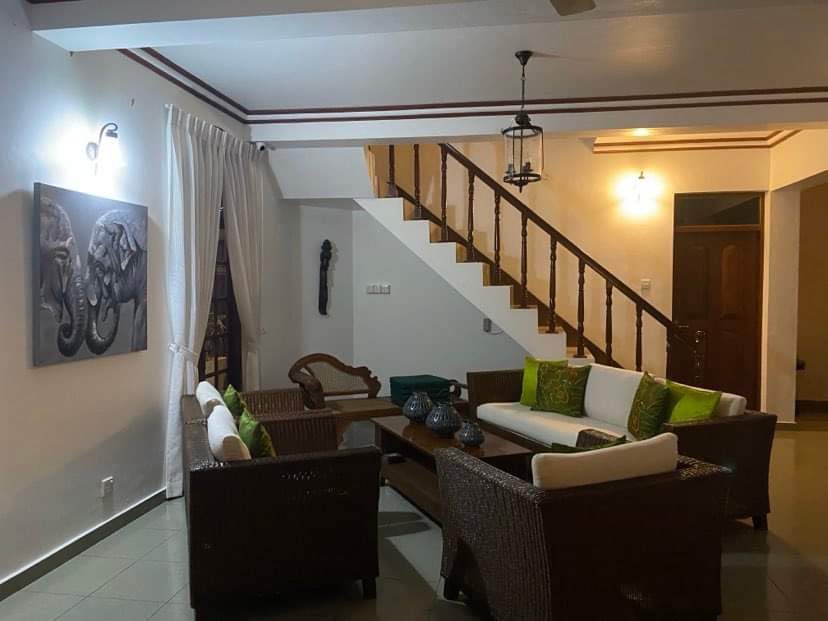
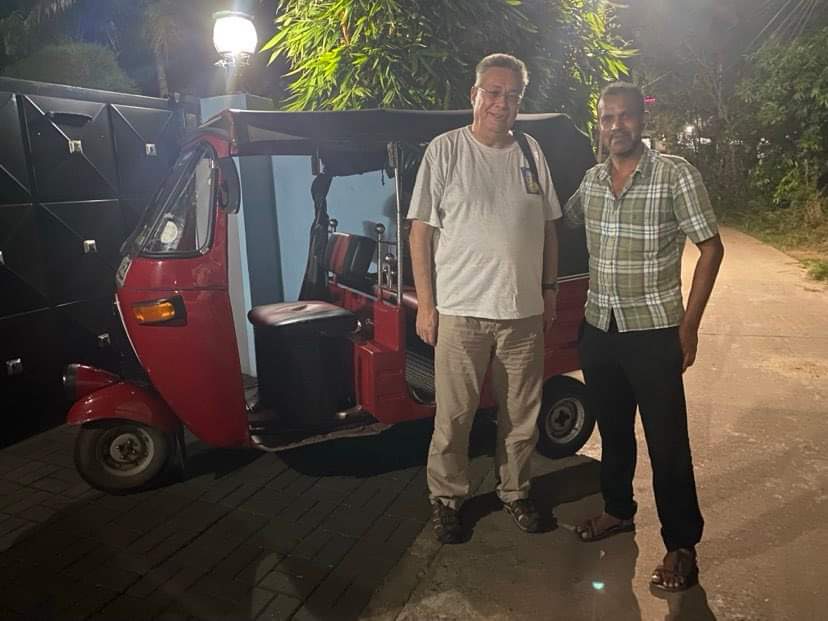
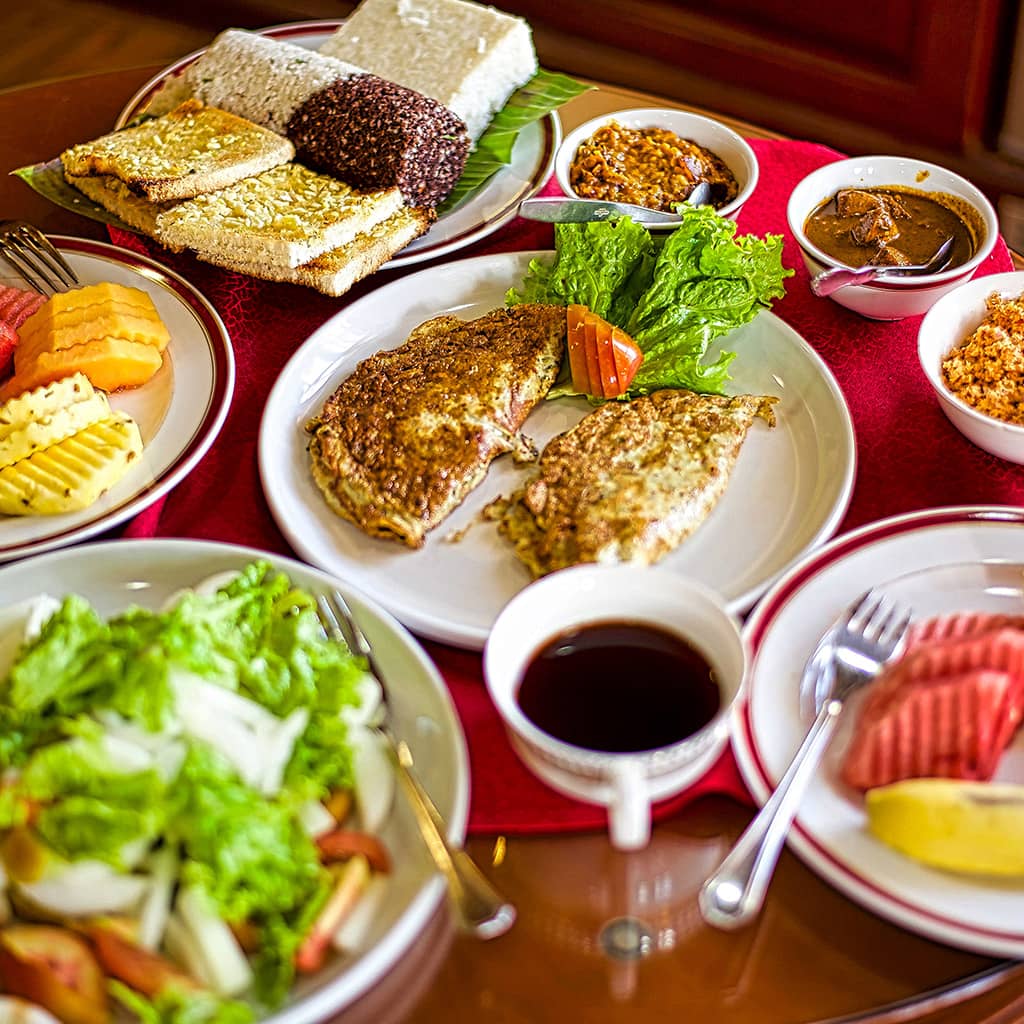
The Ayubowan Guest is owned by Brenda and Ron, who originate from Kent in the UK. The guest house is very well run. We originally had an upstairs room, which was big and airy it’s private bathroom was not en-suite just a couple of metres down the private corridor. However I wasn’t very comfortable with this arrangement and we had wanted a downstairs en-suit room. So the next day Brenda had her very obliging staff move us to a lovely downstairs room. This wasn’t as big but it had a nice en-suite, opened on to the veranda and more importantly, for comfort, the air conditioning didn’t blow directly on to the bed…so the room was cool without freezing you in bed. Breakfast was either a Sri Lankan breakfast which Brenda told us was very spicy hot, or a British Breakfast…. We opted for the British. It was fresh fruit followed by bacon, sausage and egg and toast and jams. It was all very pleasant, we met some nice guests and enjoyed the swimming pool. You need to be aware that you can’t use a credit card here. Brenda was happy to call Patrick, her regular tuk-tuk driver, to take us to restaurants and return us…each trip was about 500 SLK rupees….which we later decided was far to much but we paid what he asked and at about £2.60 a round trip it wasn’t really worth the hassle of bartering.
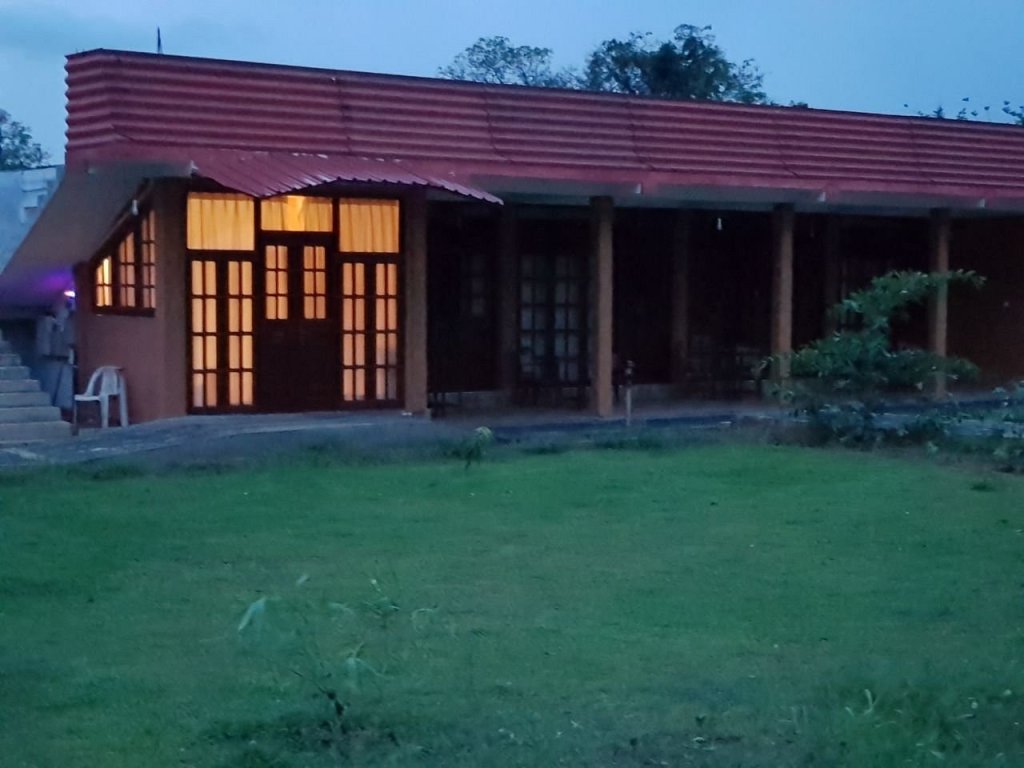
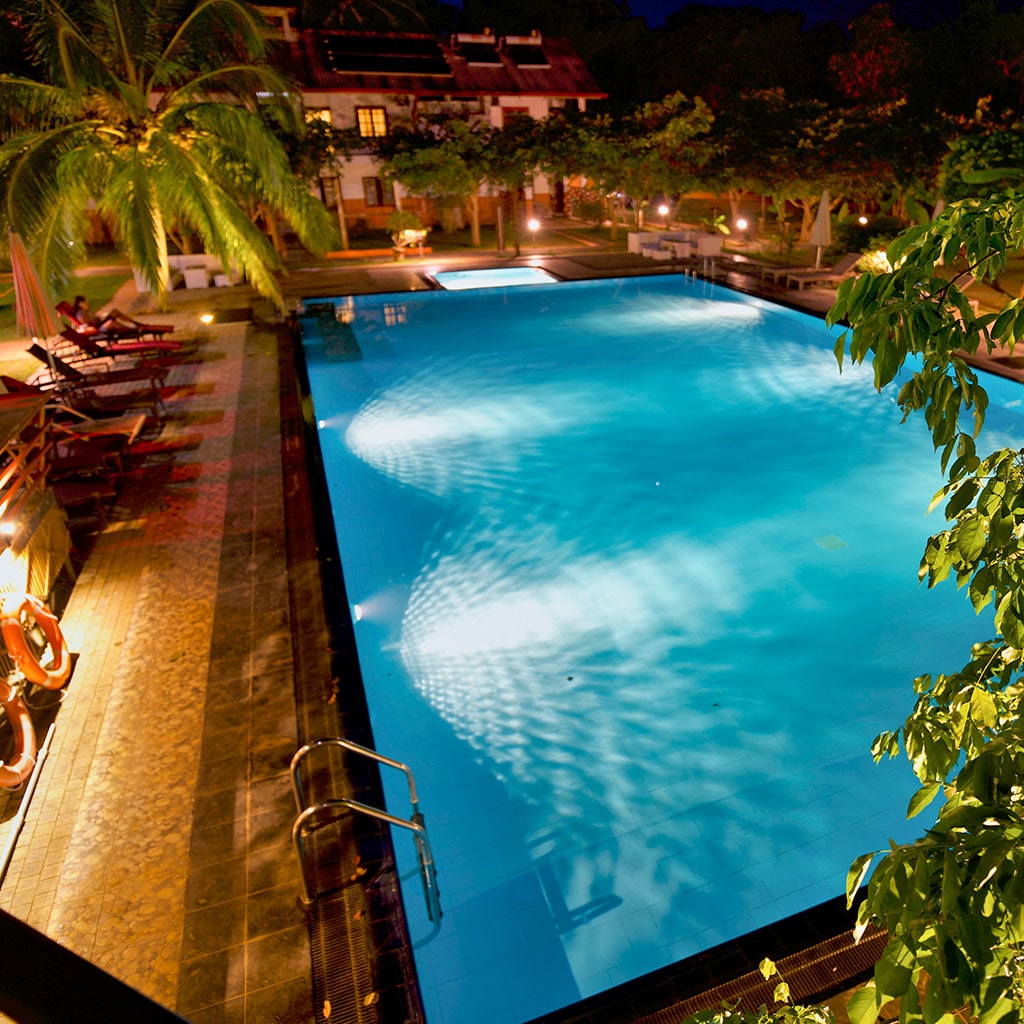
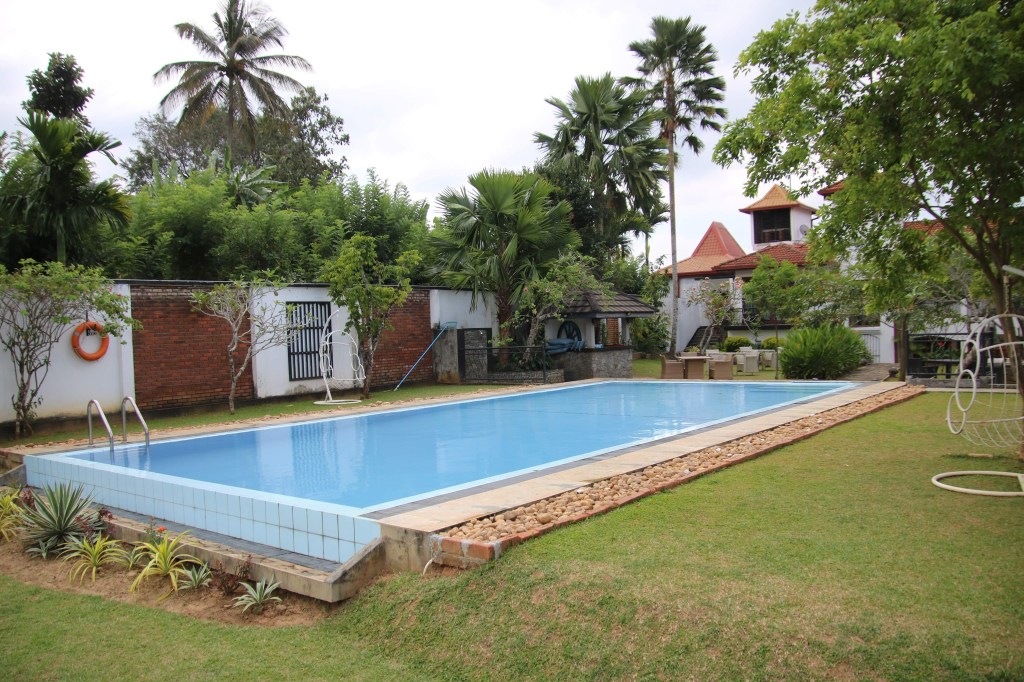
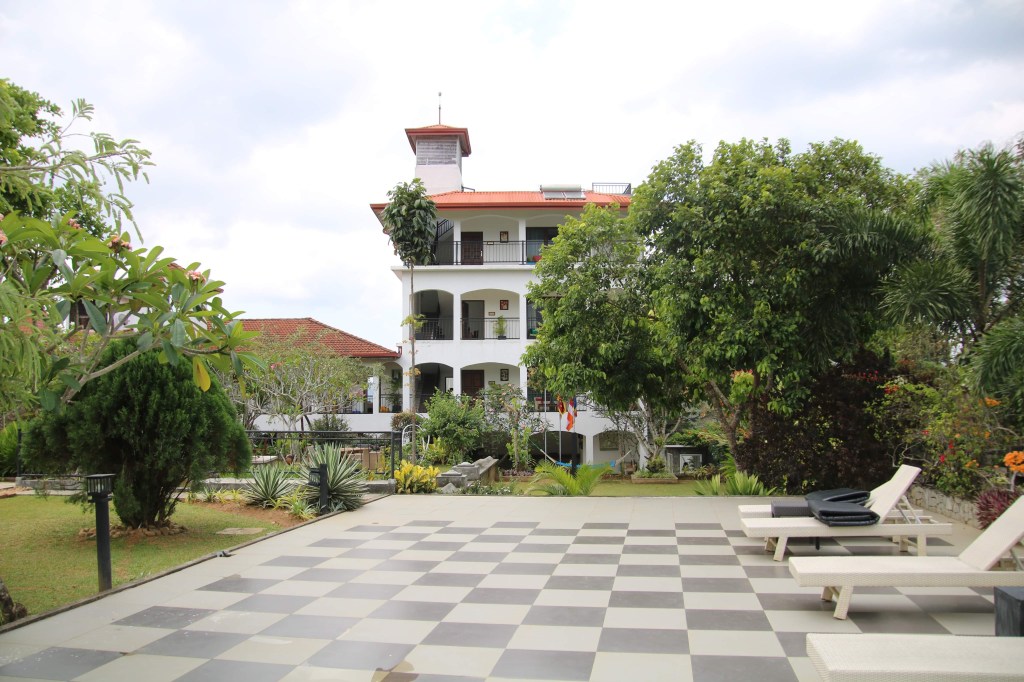
2). Our second recommended hotel is Hotel 4U Salina Gardens in Anuradhapura, ( You will note that it’s not the 2nd hotel we stayed in as we really couldn’t recommend that one). We liked this from the moment we arrived. It wasn’t a very salubrious area and the entrance looked vaguely like a building site…but don’t be put off…the reception was lovely, we were greeted by two lovely ladies who really tried hard to meet our every need. We had requested ground floor on all accommodation but once again we were booked upstairs, but the ladies soon sorted it out and changed our booking to a large en-suite room which opened on to a veranda overlooking the pool.
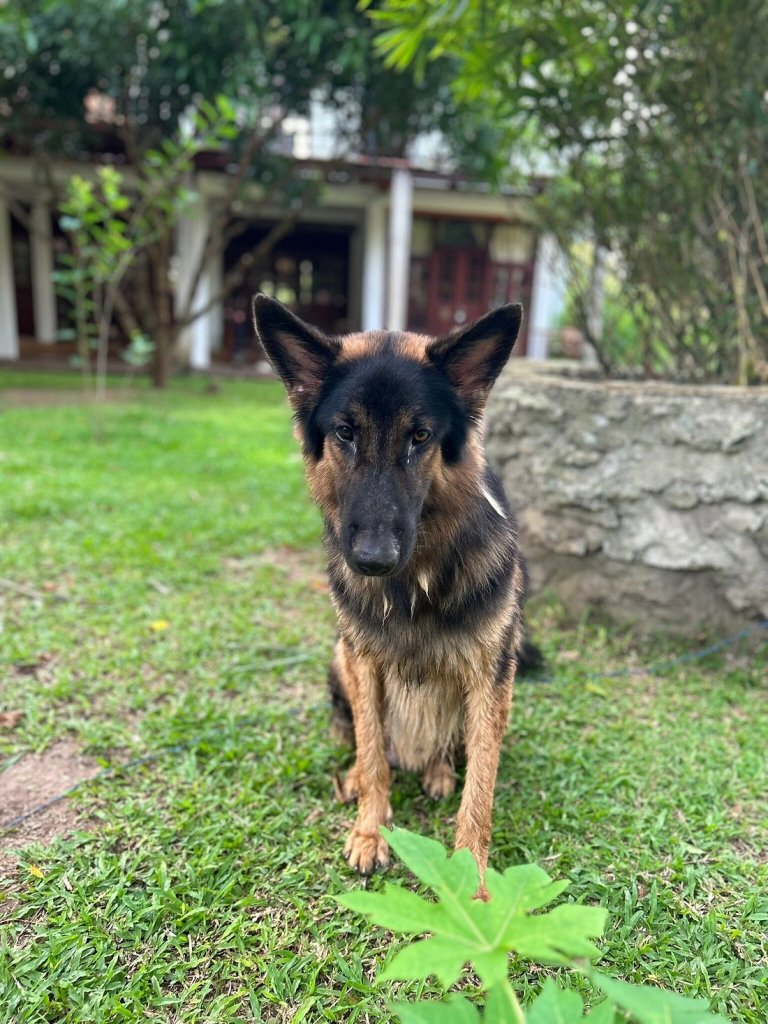
They even offered to set a table down stairs as the restaurant was upstairs…we did however go up stairs and had a table overlooking the pool. The friendly German Shepherd dog escorted us around, usually with one of his toys to throw for him.
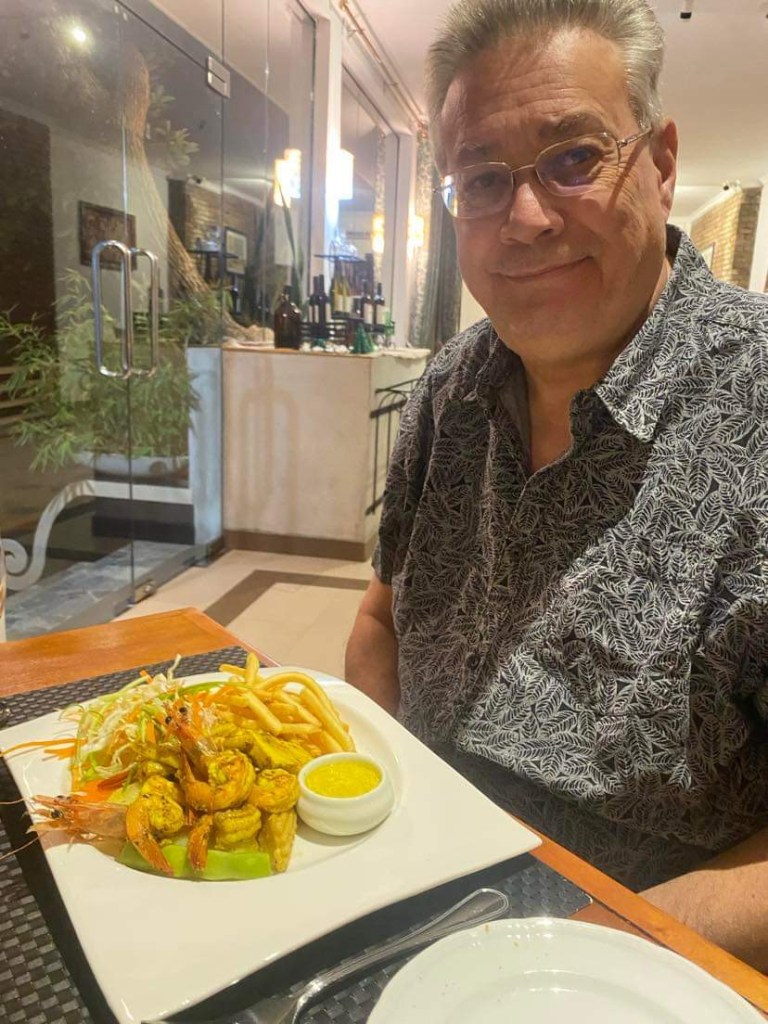
The menu was the most extensive we had anywhere we stayed…it wasn’t cordon bleu, it was however well cooked and very tasty at a very reasonable price.
From this hotel you can go to the main gate of Wilpattu ( wish we’d known this) and also explore Anuradhapura. It’s a great base…set around beautiful gardens. On the morning we checked out we met the owner….we’d actually met him the day before without realising as he was tending the garden and checking the pool…which was spotless. The owner was a delightful, elderly gentleman who had built the whole hotel himself, from the design to the construction. We loved this place…it was very reasonably priced and although not posh, it was very comfortable with everything you needed. You can use a credit card her. 3). Lavendish Wild Safari Hotel, was one place we hadn’t expected to stay…but due to a slight mix up with our travel arrangements our tour company booked us in here. It was like most chain hotels, very pleasant, nice big en-suite rooms, lovely views, nice restaurant….a word of warning if it’s a buffet evening meal get there early or most the food will be gone and you are left with little choice…..the hotel is a bit impersonal and you fit in around them rather than them meeting your needs…we wanted to be out for Safari at 6.00am so needed a packed breakfast but the kitchen didn’t start until 6.00am in fact a few staff dawdled in at 6.15am and even though our guide and the jeep driver did their best to chivvy them on we didn’t get off until 6.30am. The good thing about this hotel is that it’s only about 10/15 minutes from the Wasgamuwa National Park gate. They do take credit card here.
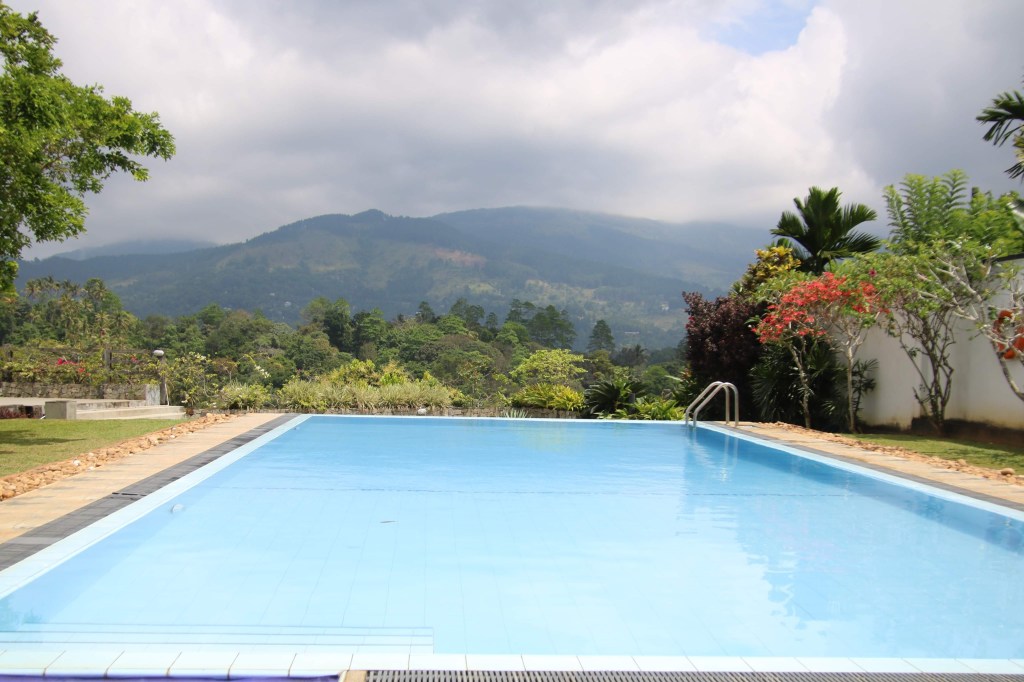
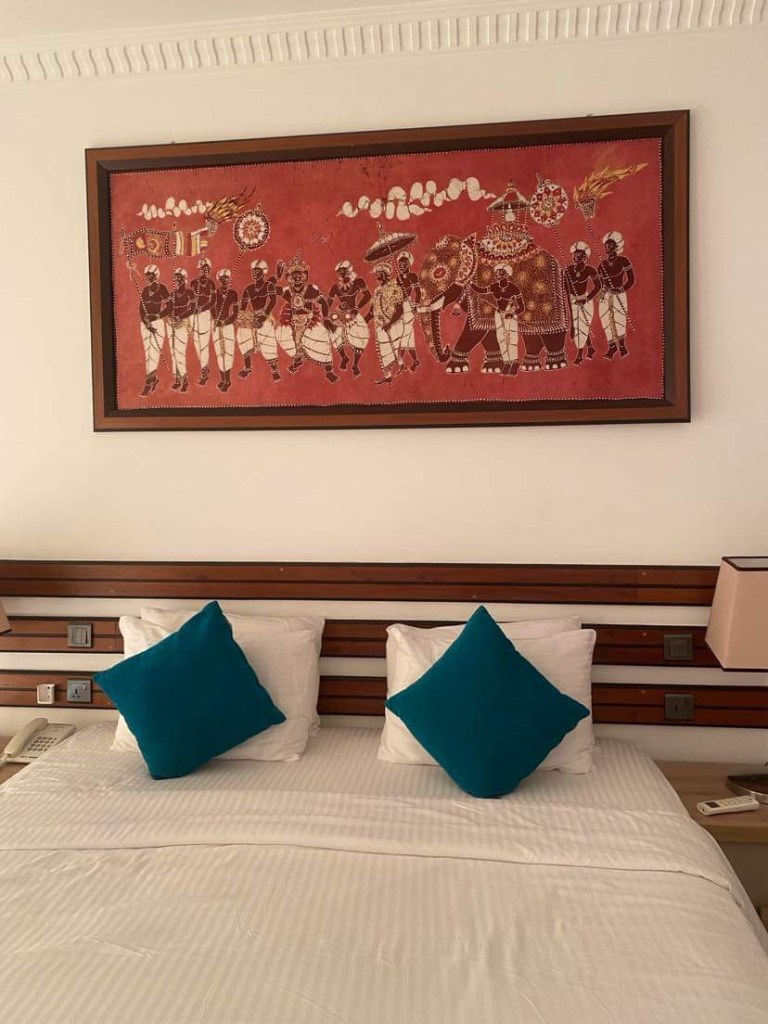
4). Our absolutely favourite hotel came next on our trip..The Elegant Hotel Kandy. It is fact about 15 minutes outside Kandy. Absolutely superb hotel. Immaculately trained staff, lovely welcome, beautiful room with amazing views. Great menu, wonderful food which was serenaded by two singers with a guitar.
The pool was very welcomed and beautiful views. The gardens were nice to wander around..it was a deluxe hotel which certainly lived up to its excellent reputation. It was the perfect place to relax.
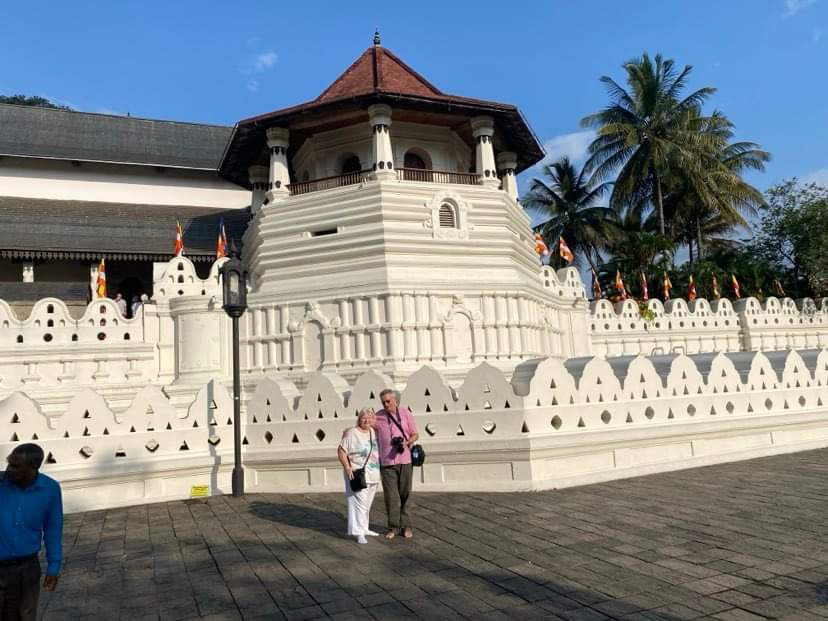
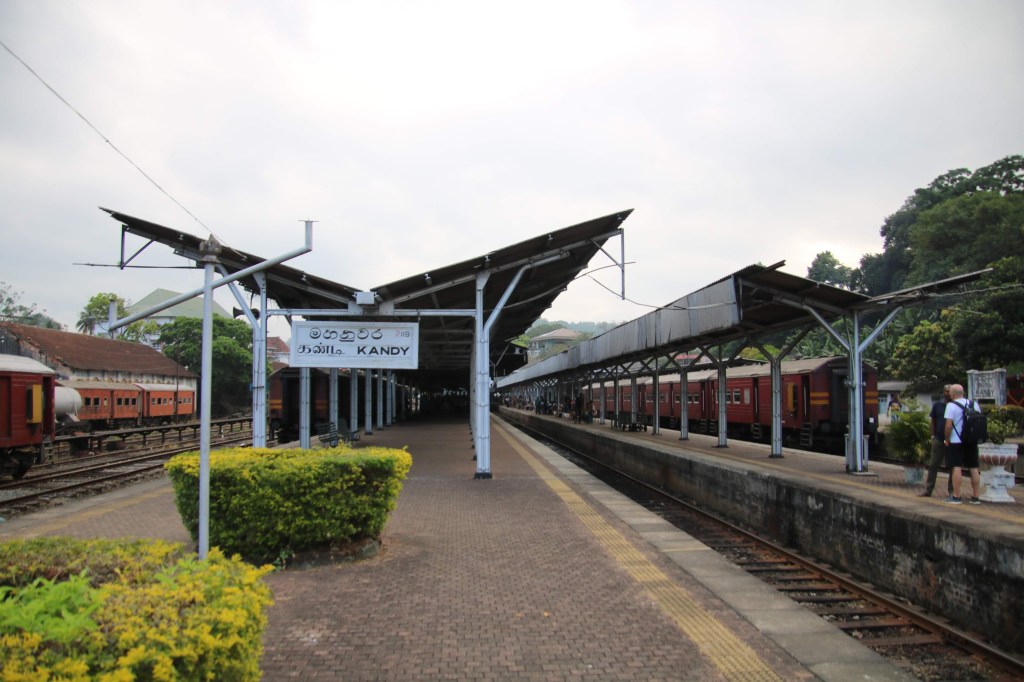
They took credit card. It was well situated for the tooth temple, a Kandy Evening street food walk with guide, a cultural show, the botanical gardens and of course the train station.
5). Our 5th recommended hotel is Beach & Bliss in Mirissa…yes we have missed Ella and Yala out- my mother used to say if you can’t say end thing good about something don’t say anything at all …although the hotel in Ella did have a fabulous view…I really can’t think of anything good to say about the hotel in Yala, where we stopped 4 nights and had to put up with unpleasant food, a room which wasn’t cleaned or made up even though we asked for it to be and we even had to provide our own loo roll because we asked for some more and it was not forthcoming…..so we jump ahead to Mirissa….we were supposed to be booked into the same hotel for 4 nights but once again the Sri Lankan booking agent had made a mistake and we were only booked in for 3 nights. Our guide and driver sorted it out and we spent a night at Beah & Bliss. The beach is actually a short walk along as it was pretty rocky in front of the hotel… The manager was really kind and switched all his bookings around so that I could be on a first floor room…we laid around the pool looking out to sea… we had a fabulous evening meal and a good breakfast the next morning.
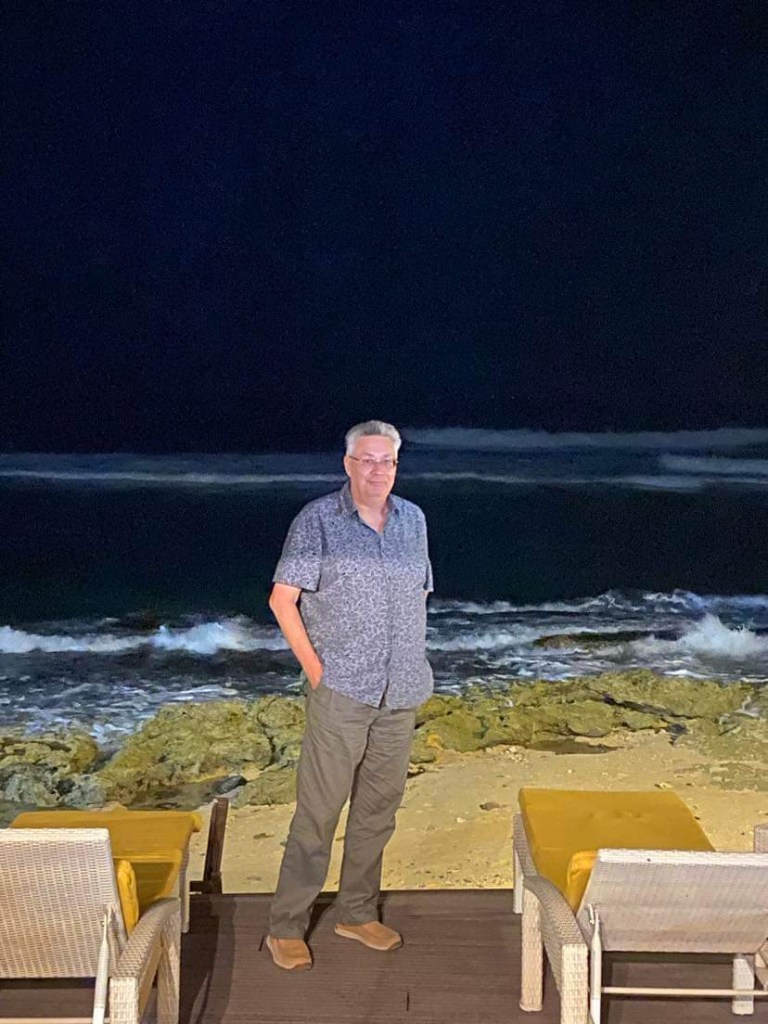
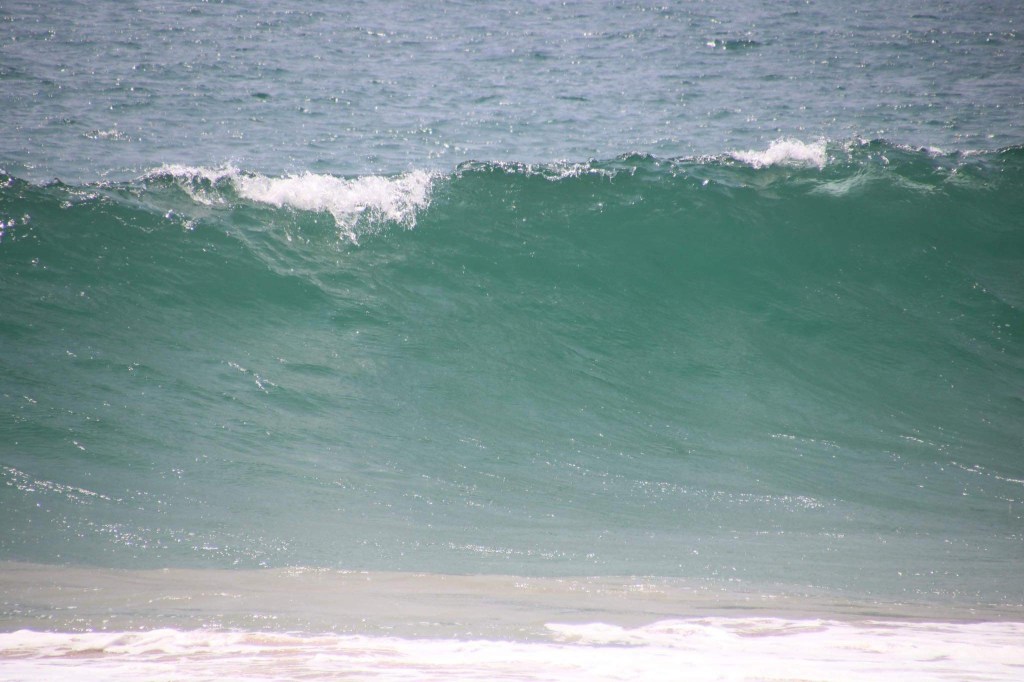
6). Sea World Botique hotel …finally we book in for our 3 nights…rather disappointed that we didn’t have a sea view room …if you book here you must book a sea view room ..the other rooms are on a noisy road and very, very small. The sea View room we were moved into after our first night was divine …the crashing waves, fantastic view, lovely balcony, huge room, big bed…loads of power points, massive bathroom and a spa shower…
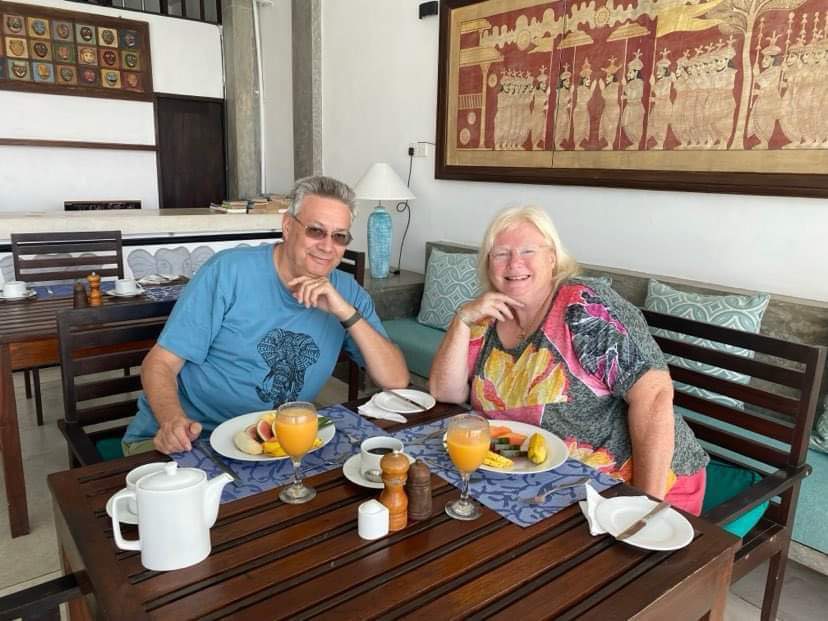
We enjoyed the sun deck and the breakfast and the one evening meal we had there. They take credit card but prefer cash. The staff are very helpful and kind. It is ideally situated for using the restaurants on the beach in Mirissa and for a whale watching trip.
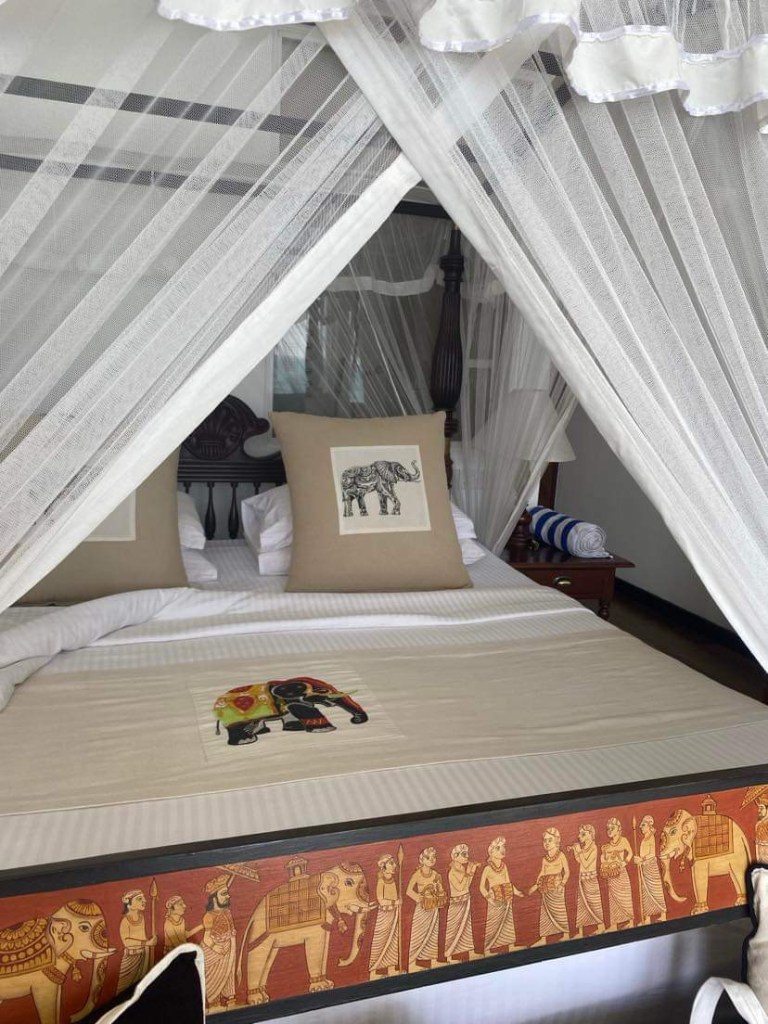
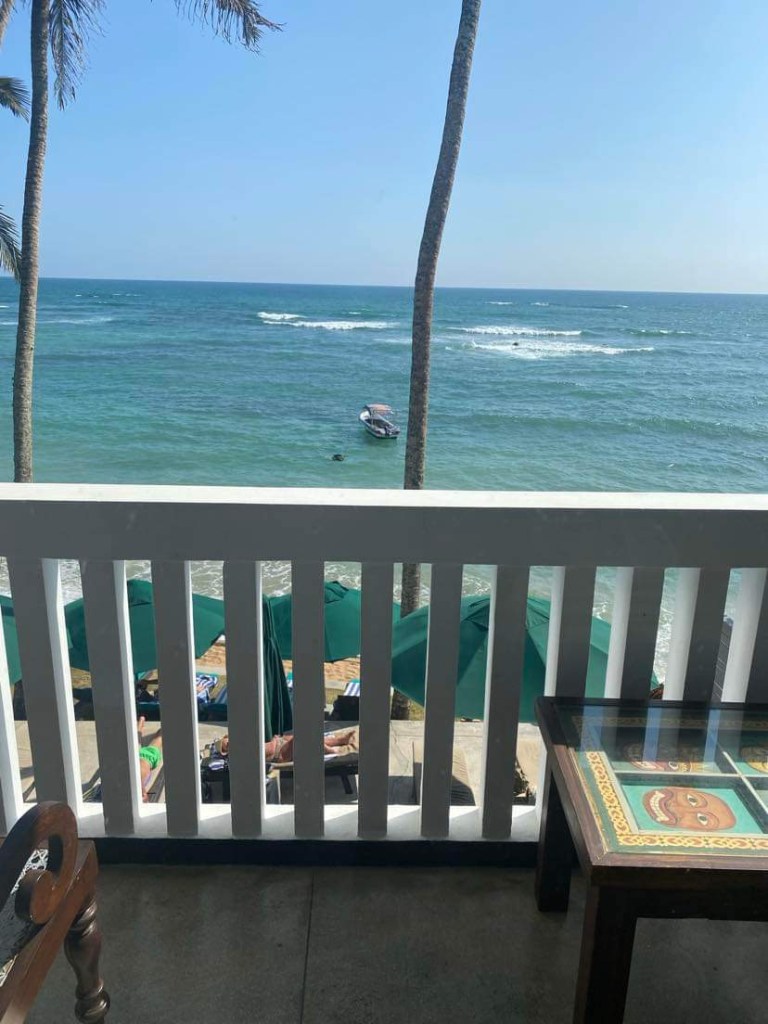
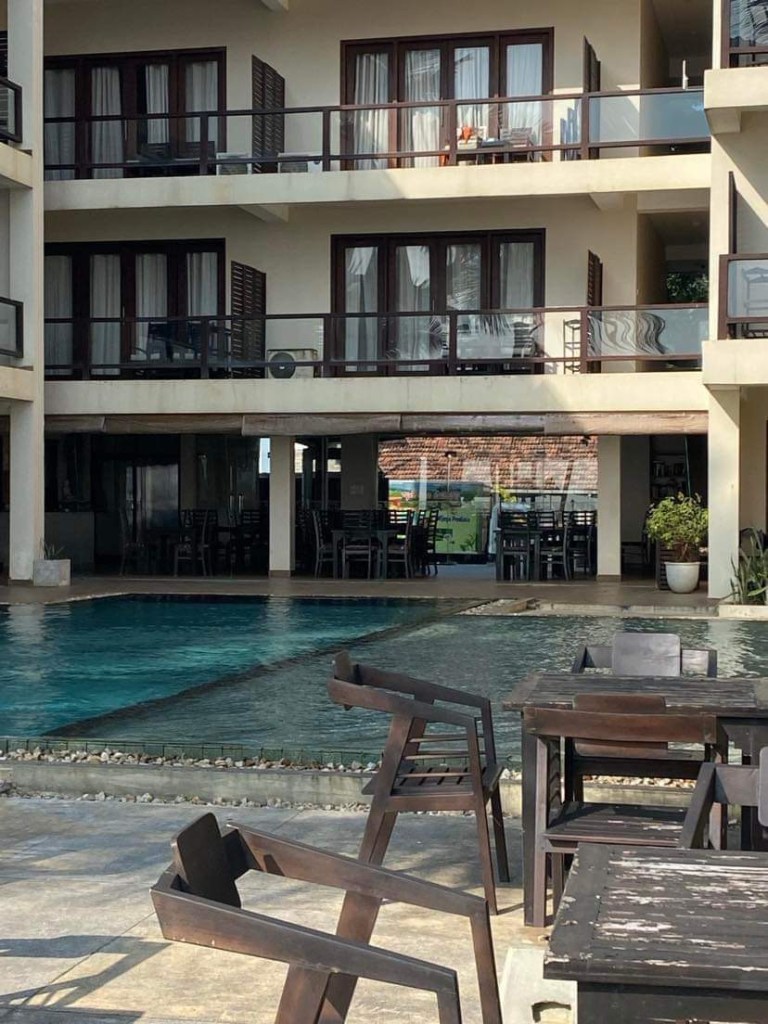
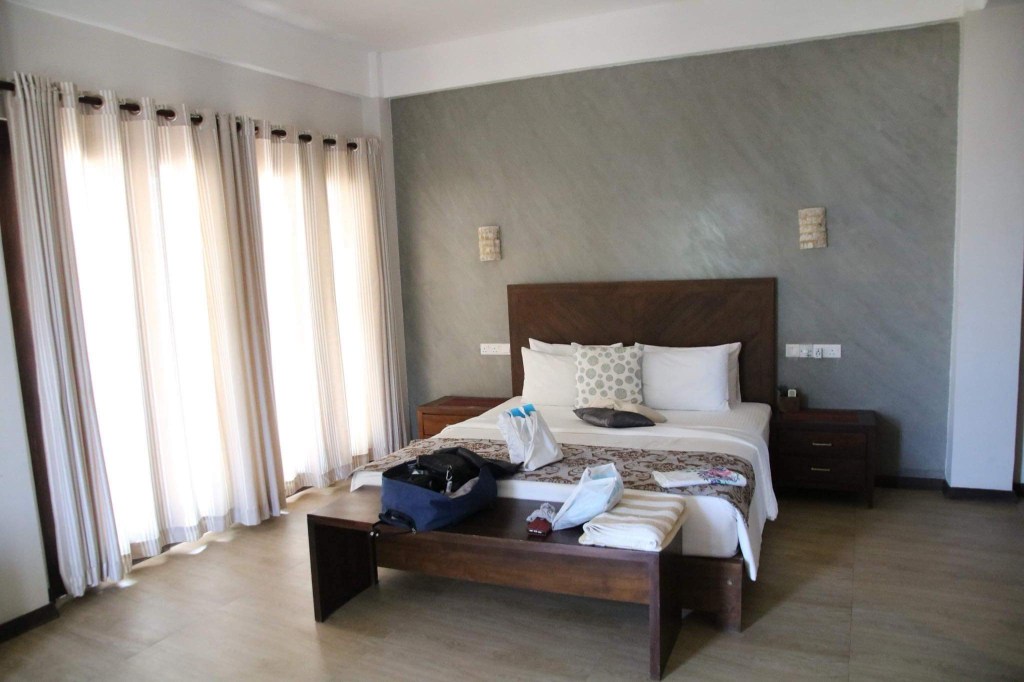
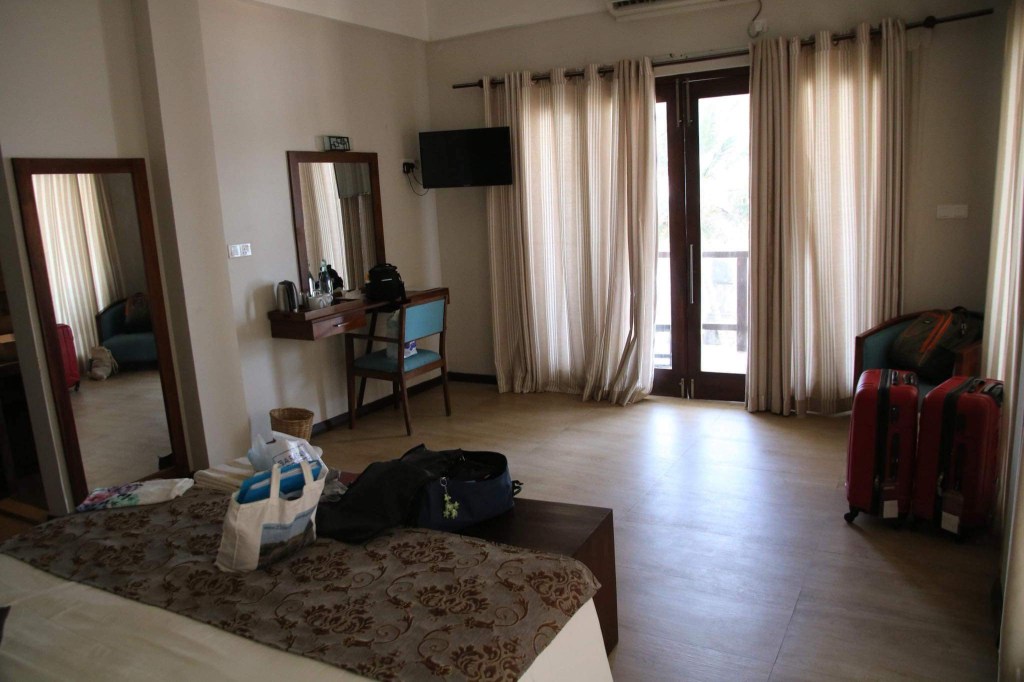
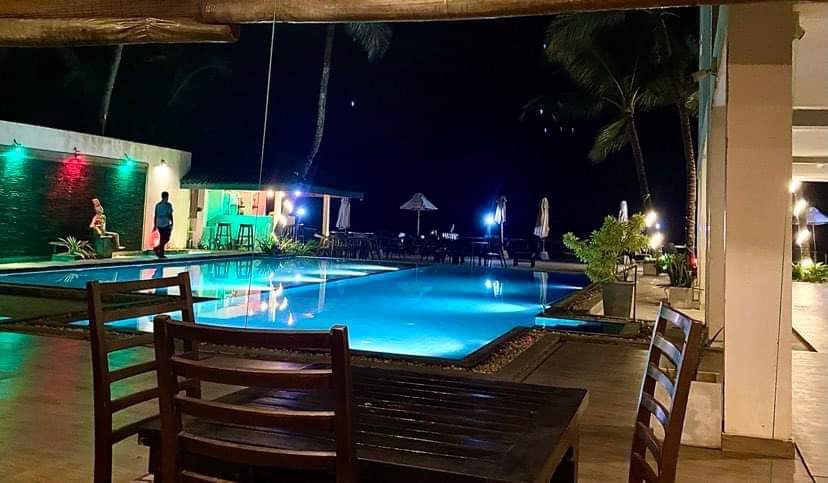
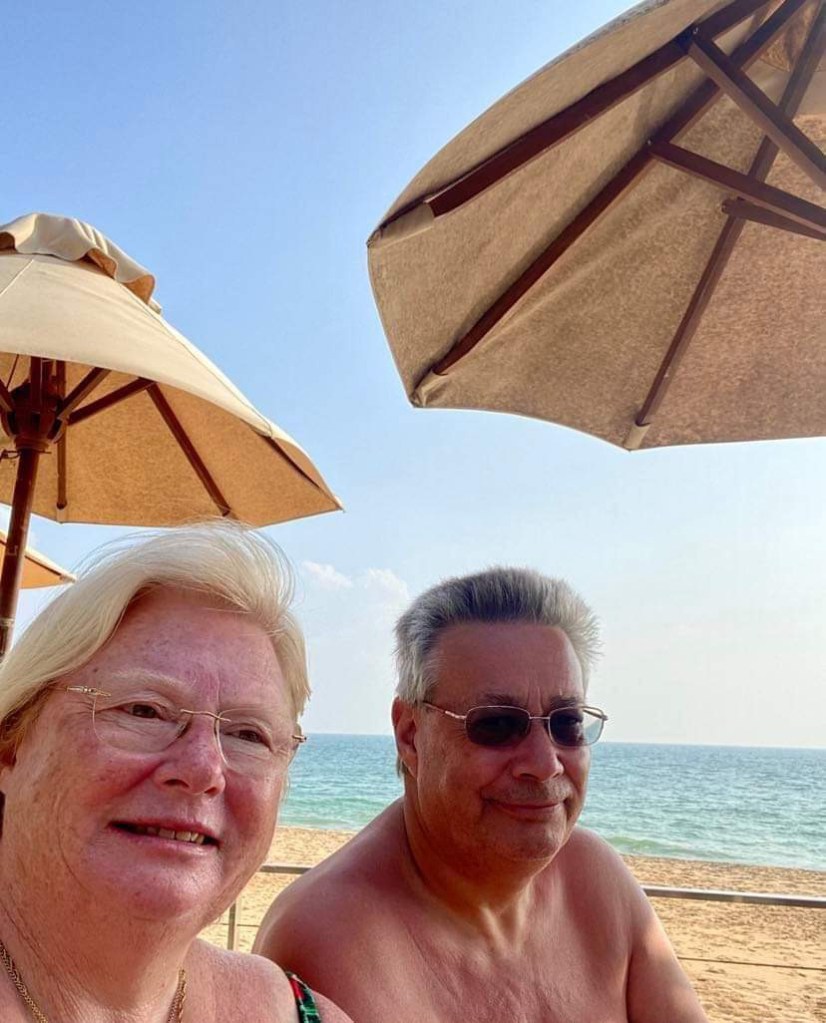
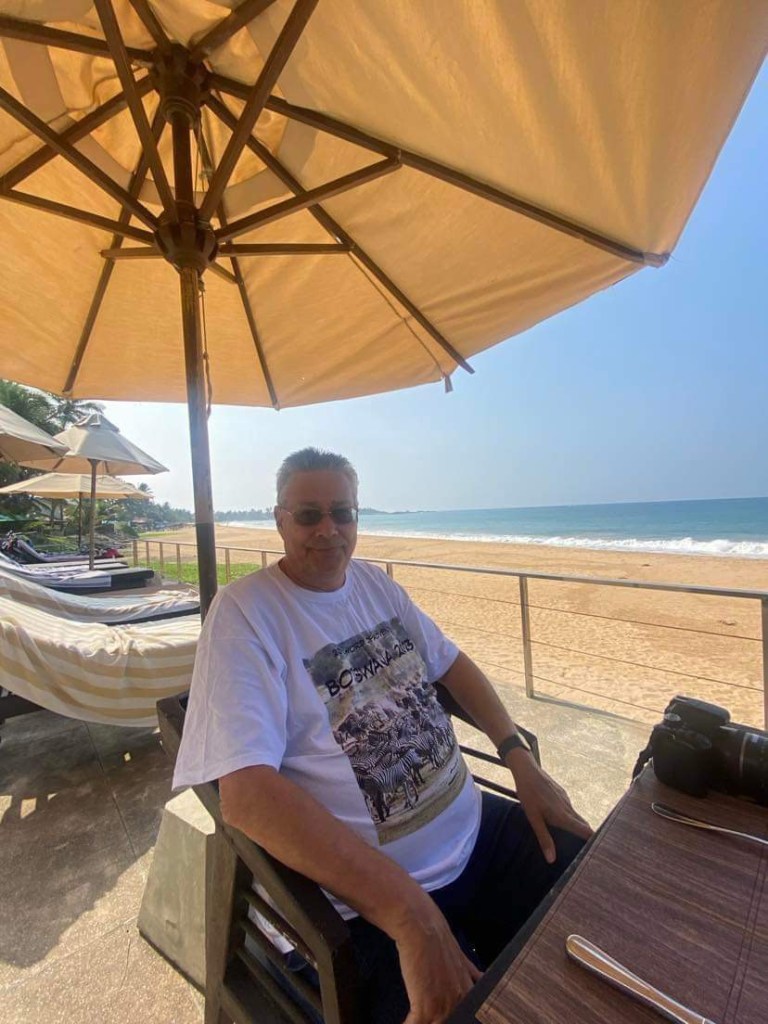
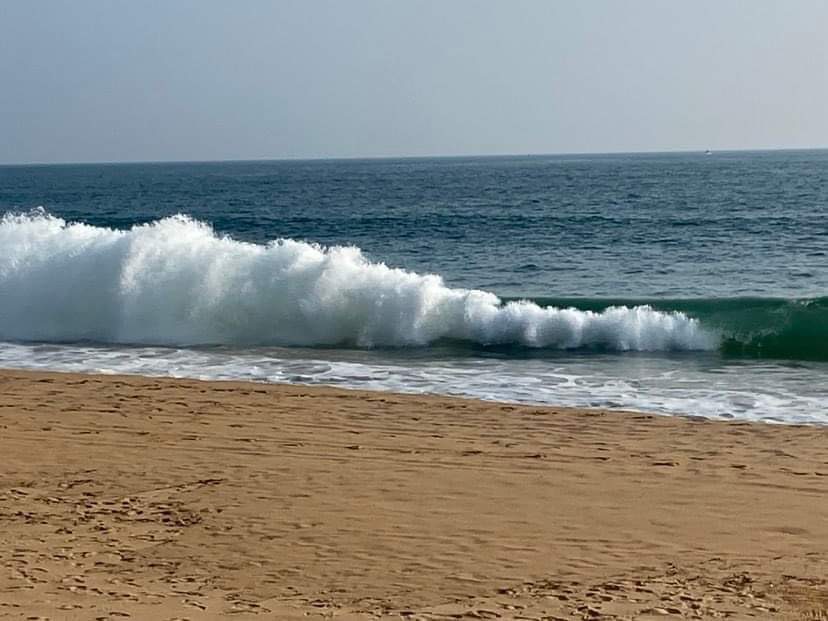
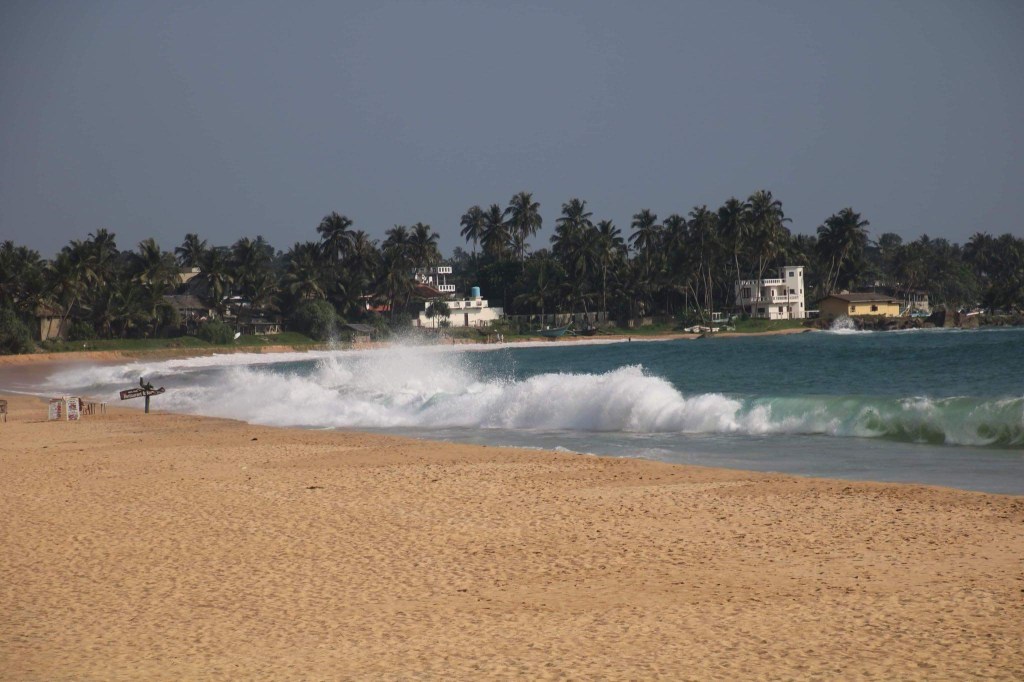
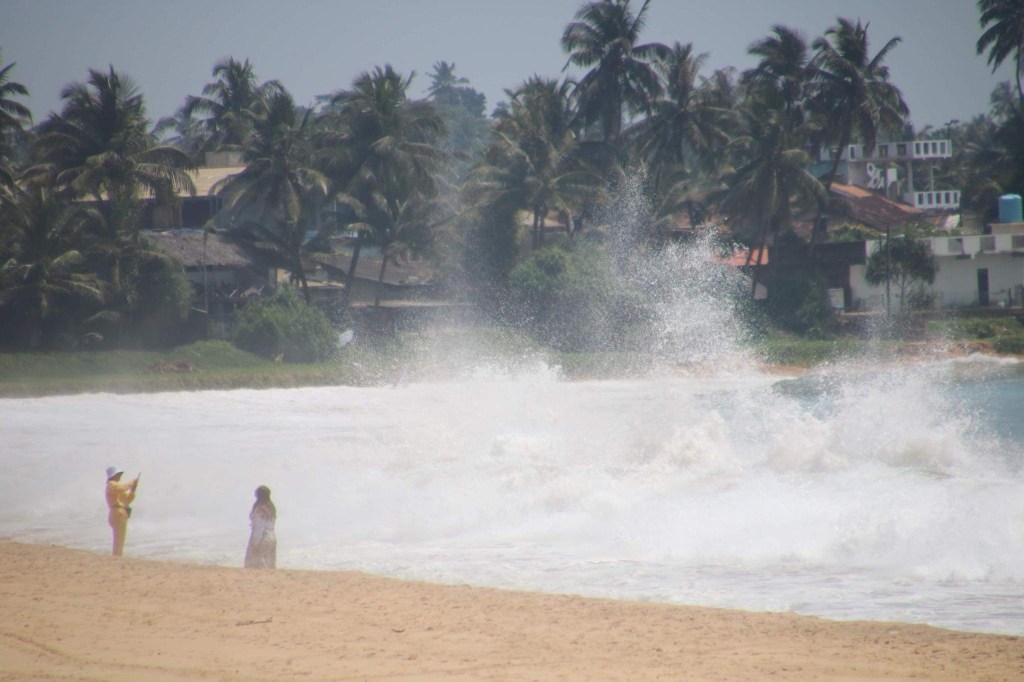
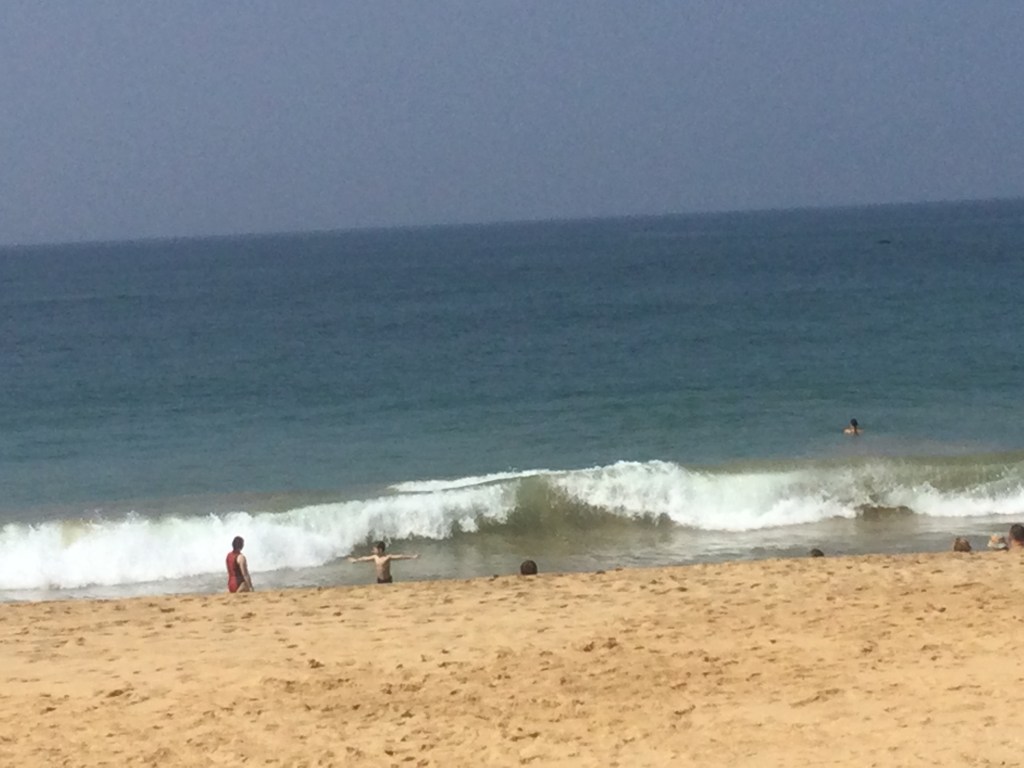
7). Sapphire Seas Hotel in Hikkaduwa is our final recommended hotel. It is right on a superb stretch of golden sand. We had a wonderful room on the second floor….there is a lift ( it didn’t always work when the electricity was of low wattage in the evening !!!) we had a wrap-around balcony so we could see the beach and sea from two different aspects. It was a massive room with a nice big bed and a fairly small en-suite bathroom with a shower. The electricity was strange in this hotel…sometimes the sockets and lights worked sometimes they didn’t…but if you tried them all you usually found a few to work…..but that aside ..nothing dull the awe and wonder of the beautiful seascapes from this room.
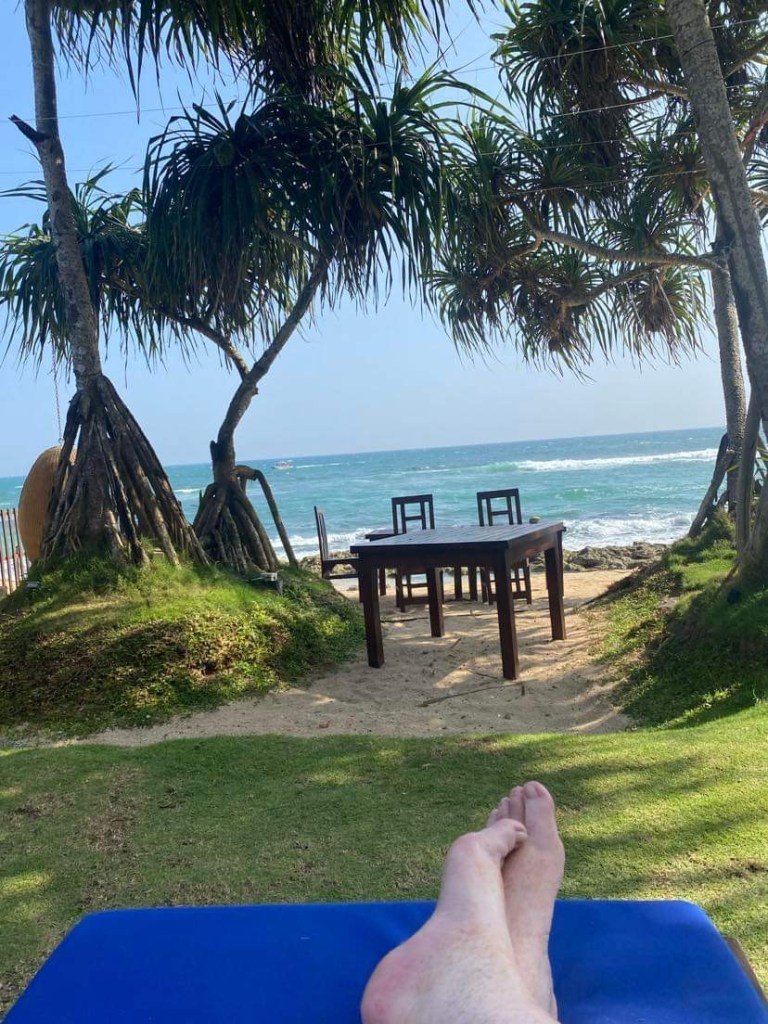
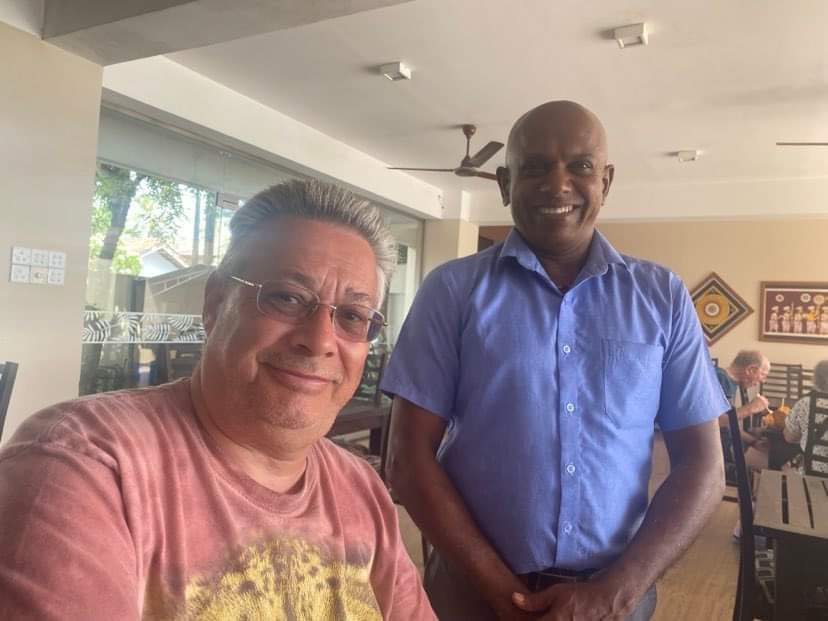
During the day there are loungers on a deck overlooking the sea and the pool. The food and beverage manager is really nice and friendly and organises his team to move the shades as the sun moves.
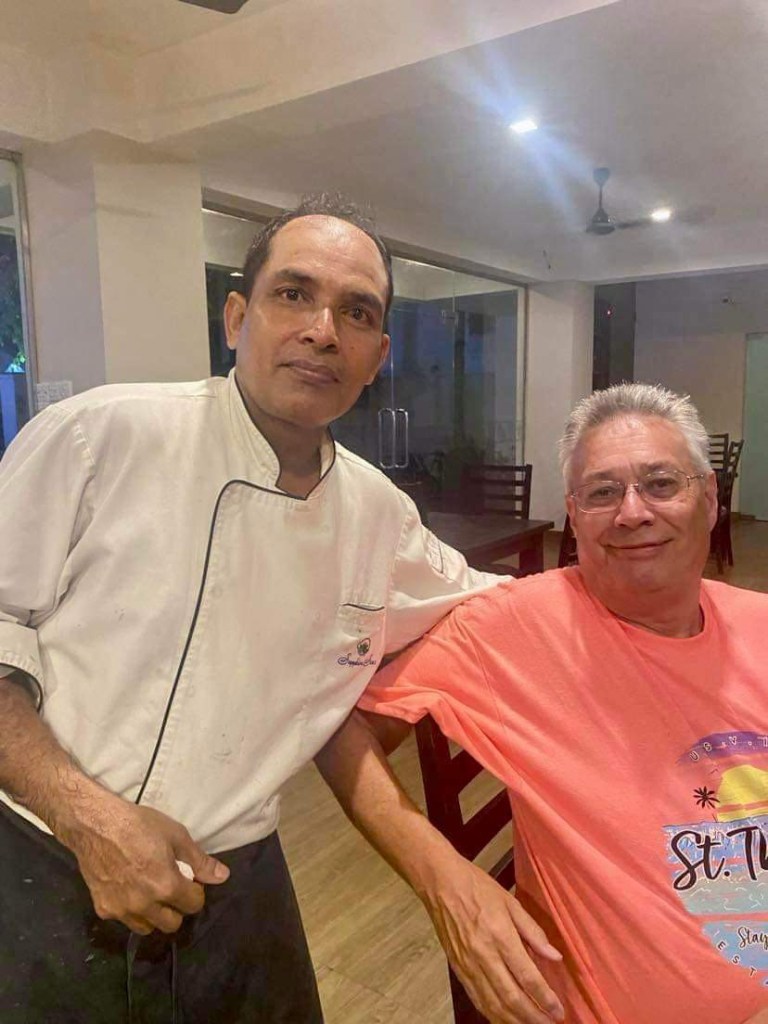
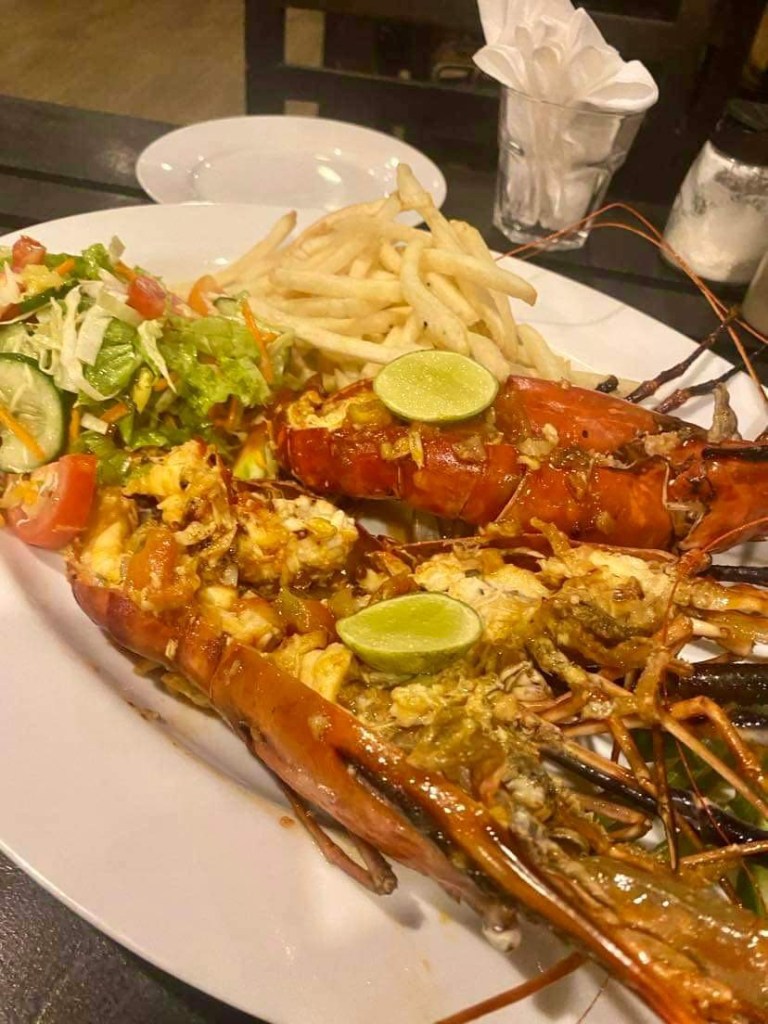
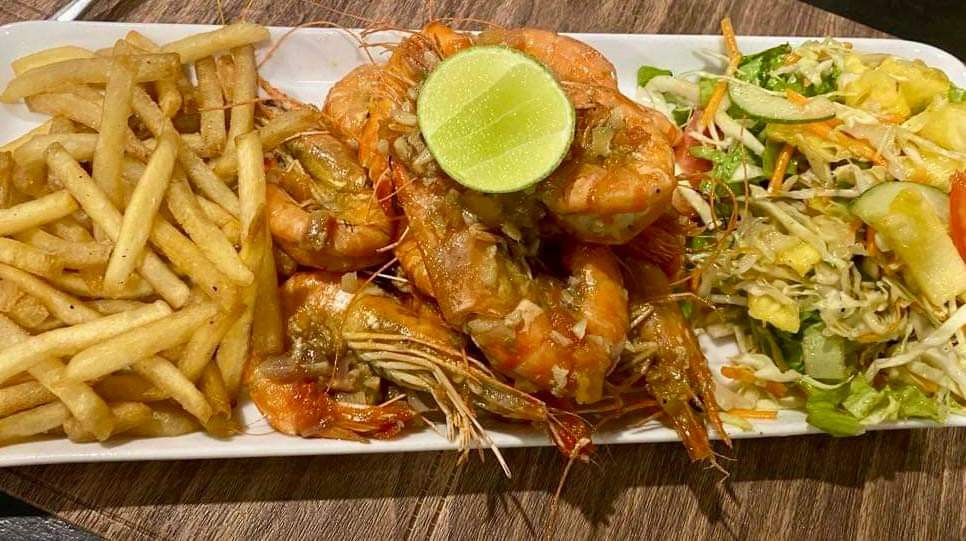
The restaurant is excellent ..the chief a talented man with a good sense of humour and a talented cook, he’ll even ask what fish you want to eat before he heads off to buy it.
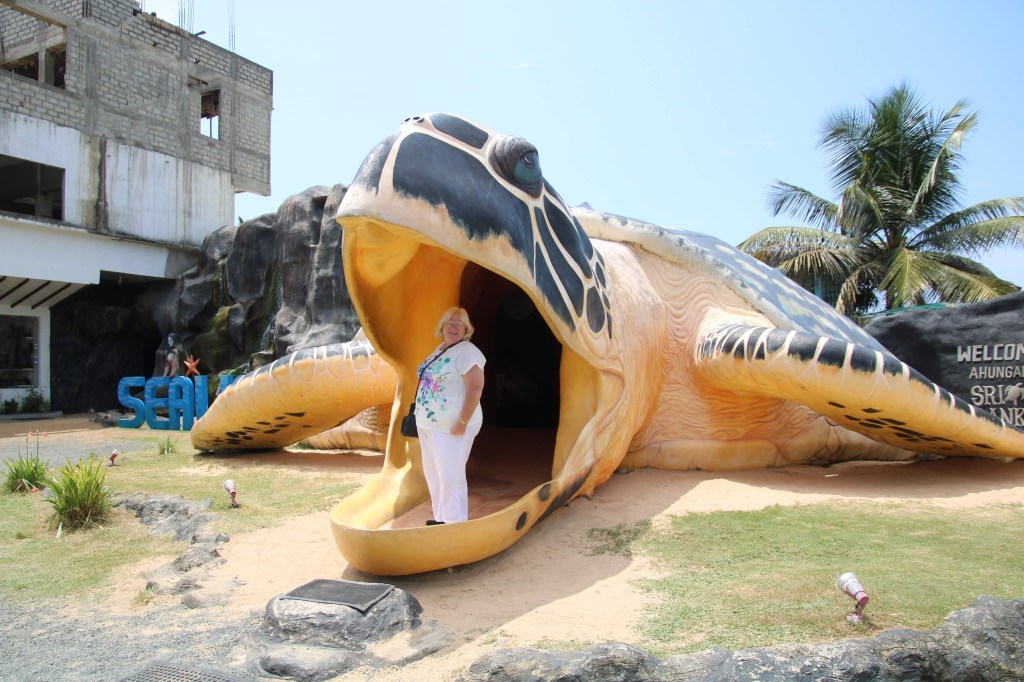
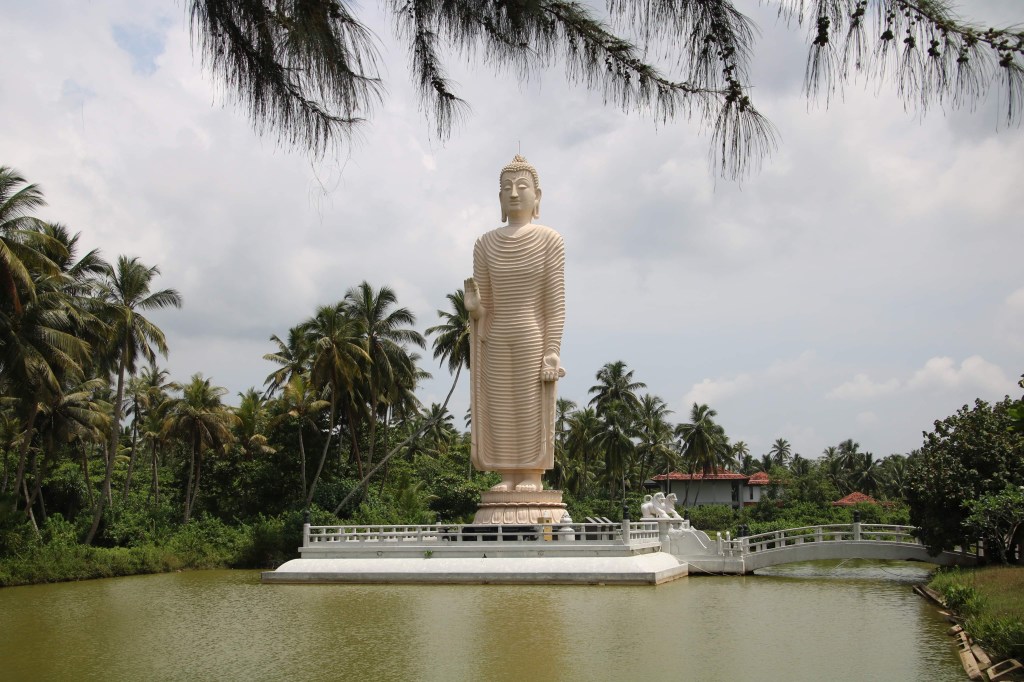
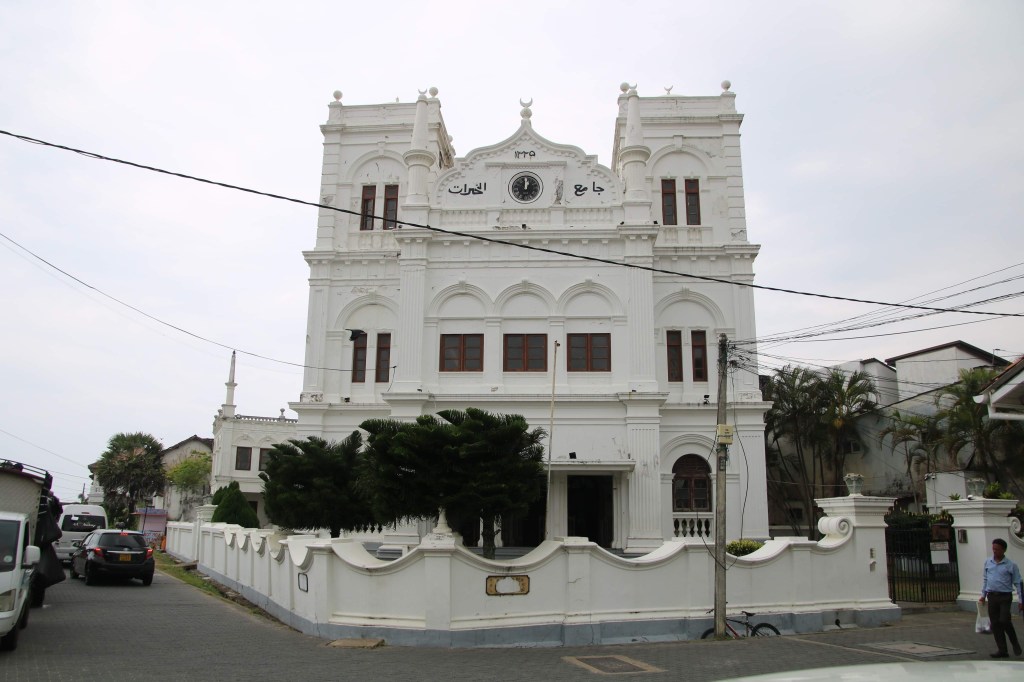
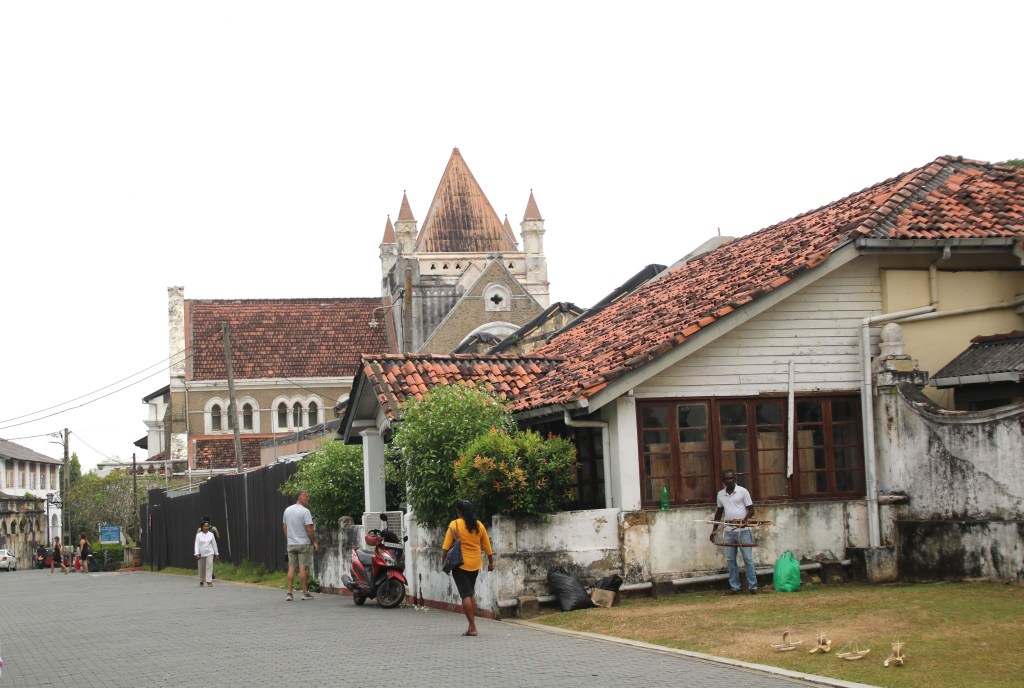
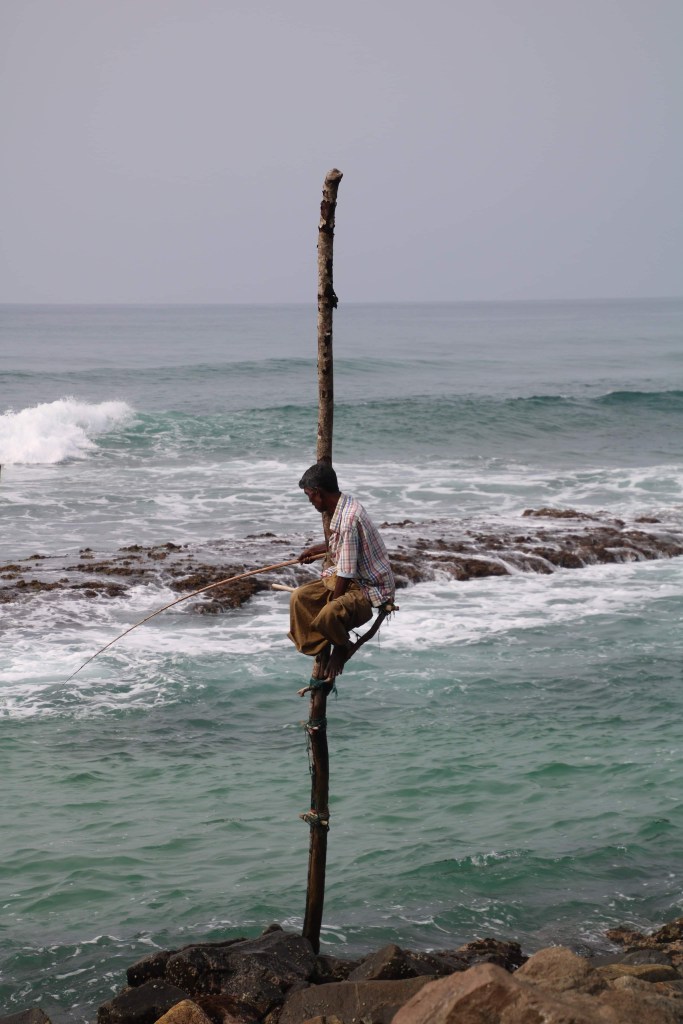
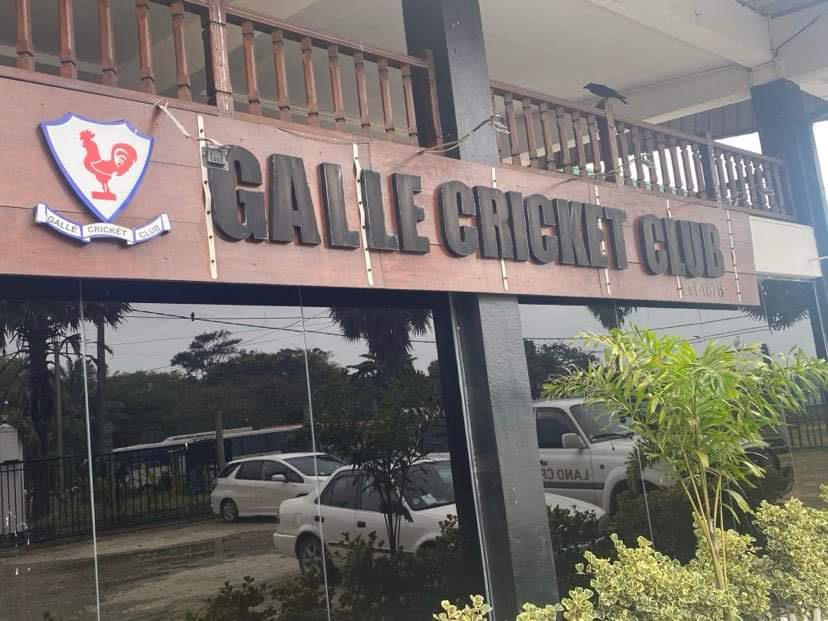
This hotel is great for relaxing and a good base to visit Galle, a turtle sanctuary and a tsunami remembrance museum.



























 2 J's World of Adventure