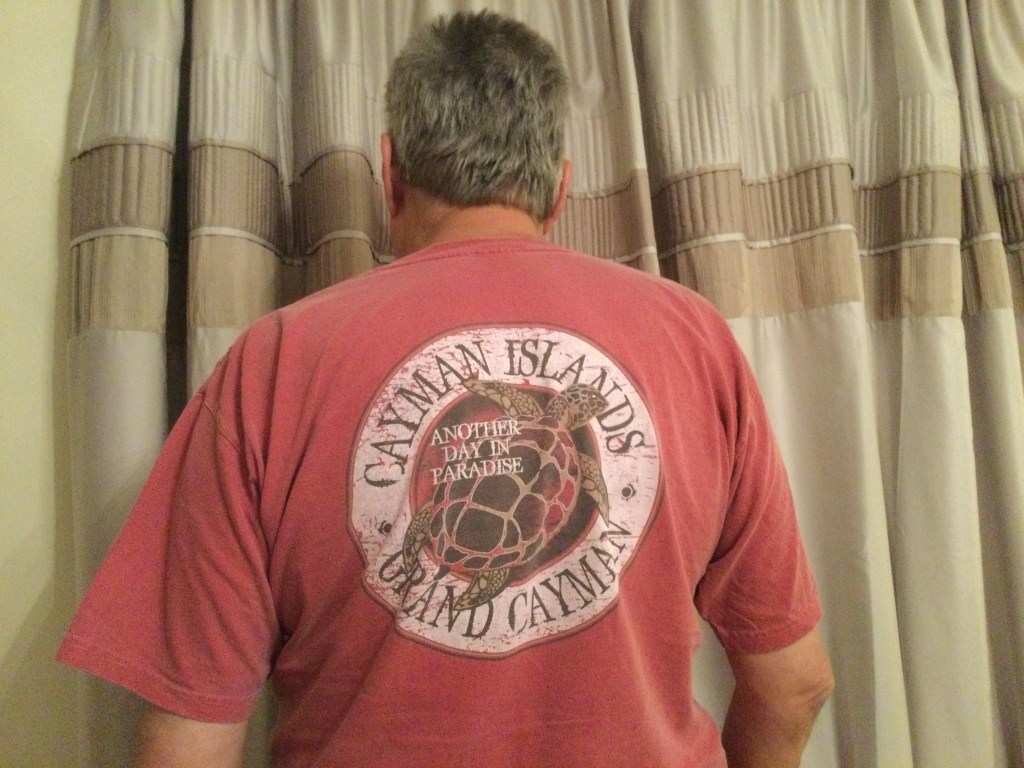
Grand Cayman Island – Caribbean – BEEN THERE GOT THE T-SHIRT.

The Cayman Islands, are British Overseas Territory covering  264-square-kilometre (102-square-mile). They comprise of 3 islands in the western Caribbean Sea. The island we have visited on a couple of occasions is Grand Cayman. It is the largest island and well known for its beach resorts and varied scuba diving and snorkelling sites.  The 2nd largest Cayman Island is Cayman Brac which is a popular place for deep-sea fishing excursions. Little Cayman, the smallest island, has interesting diverse wildlife, including endangered iguanas to seabirds such as red-footed boobies. The capital is George Town, on Grand Cayman.

Grand Cayman, the largest and most populous island, is about 22 miles (35 km) long and 8 miles (13 km) across at its widest, with a total area of 76 square miles (197 square km). 

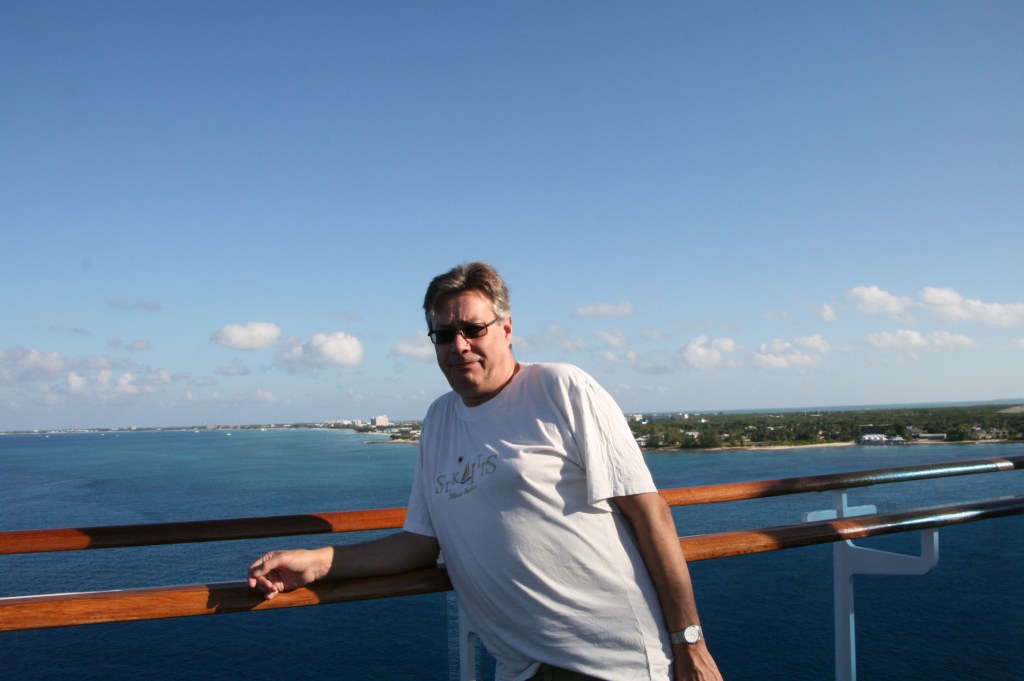
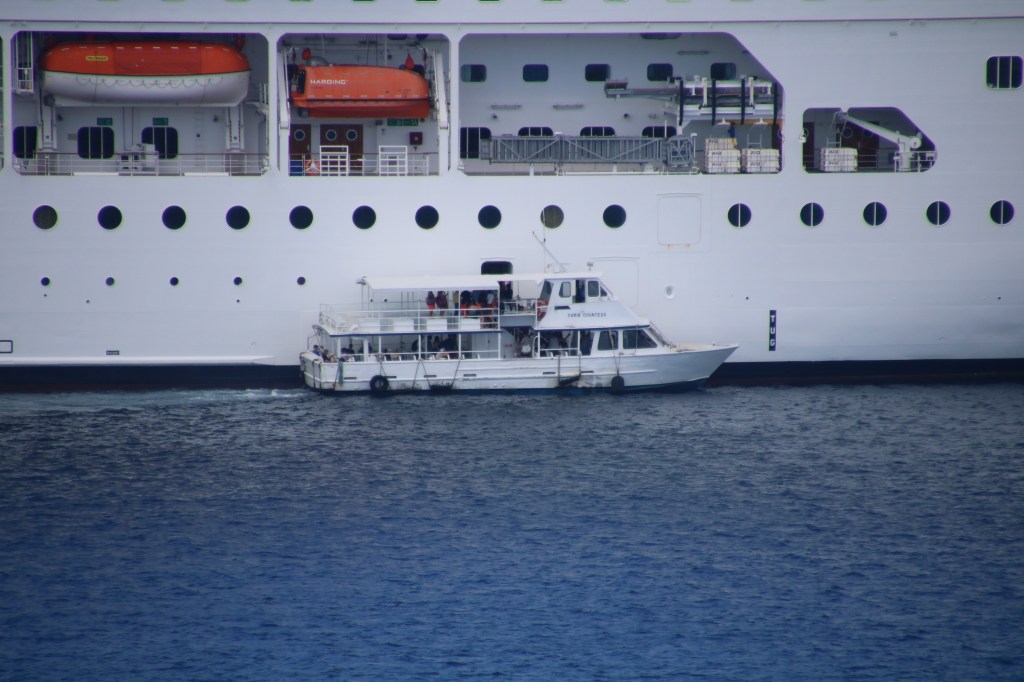
We arrived by Princess cruise ship and tendered in to shore and embarked on our ships tour of the island. 
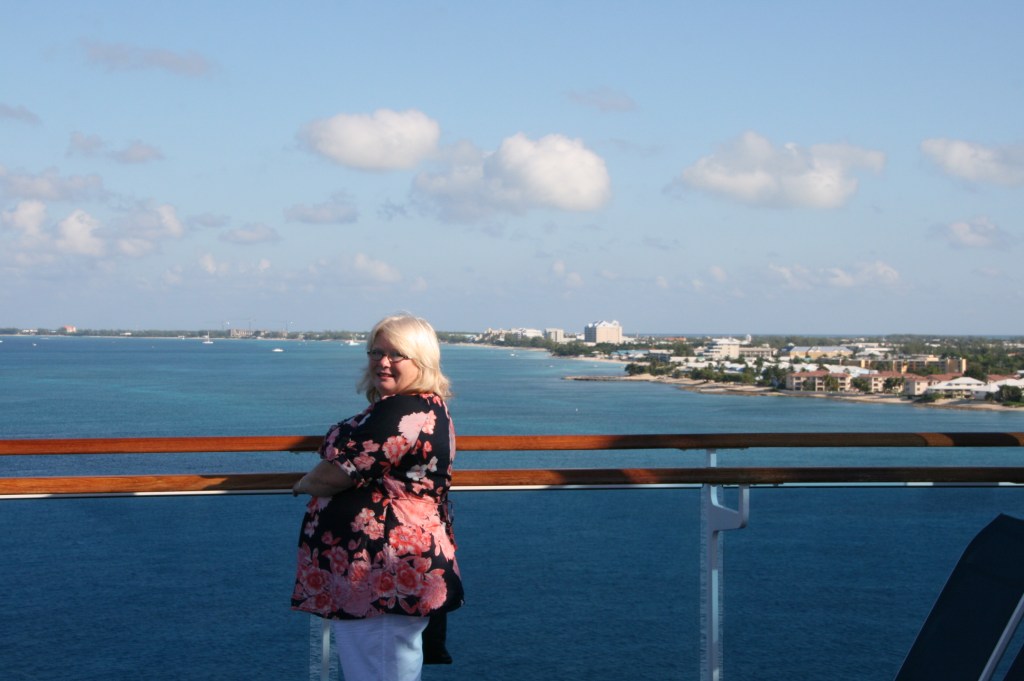
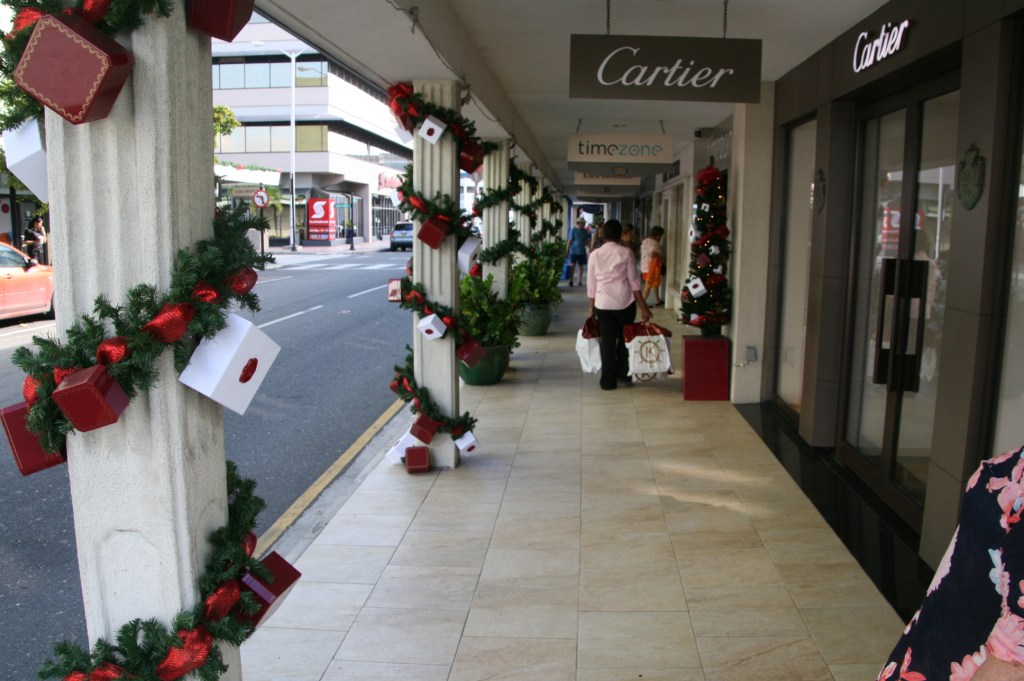
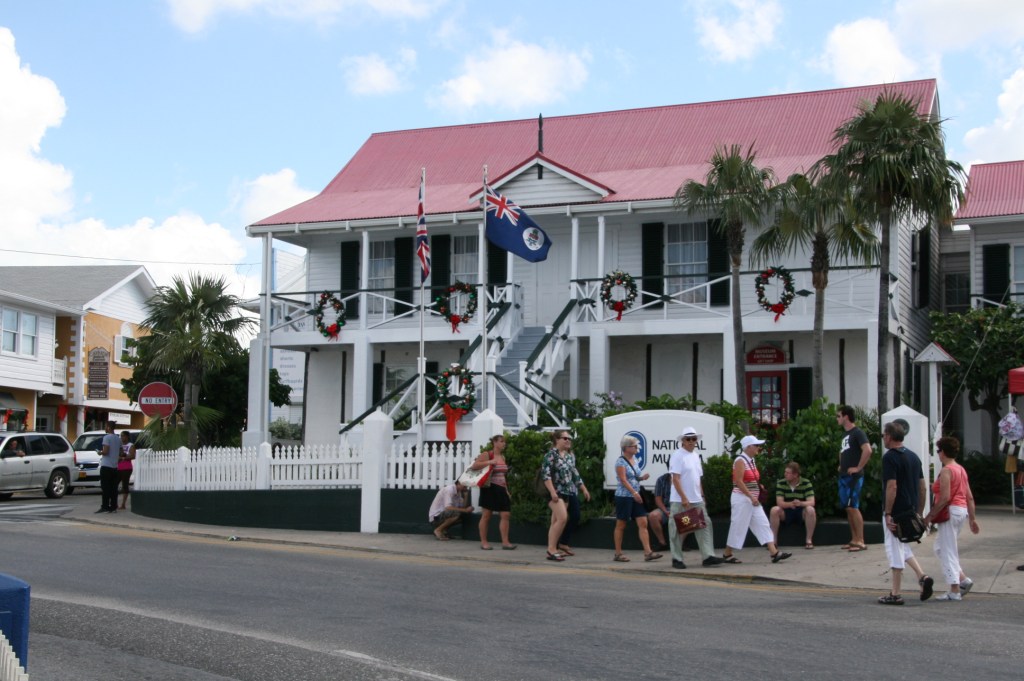
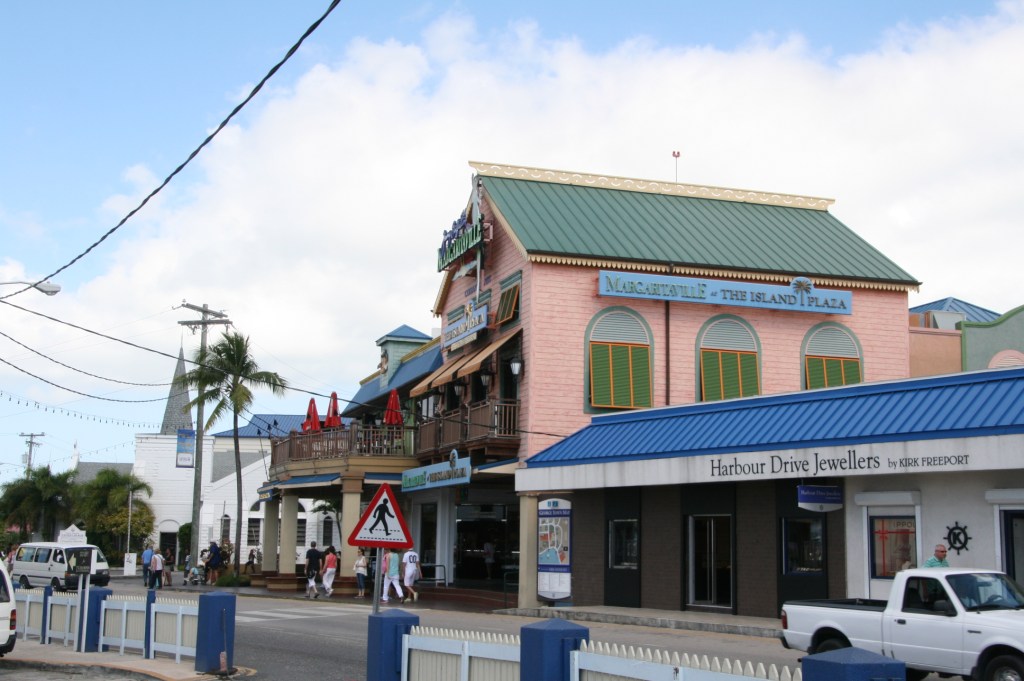
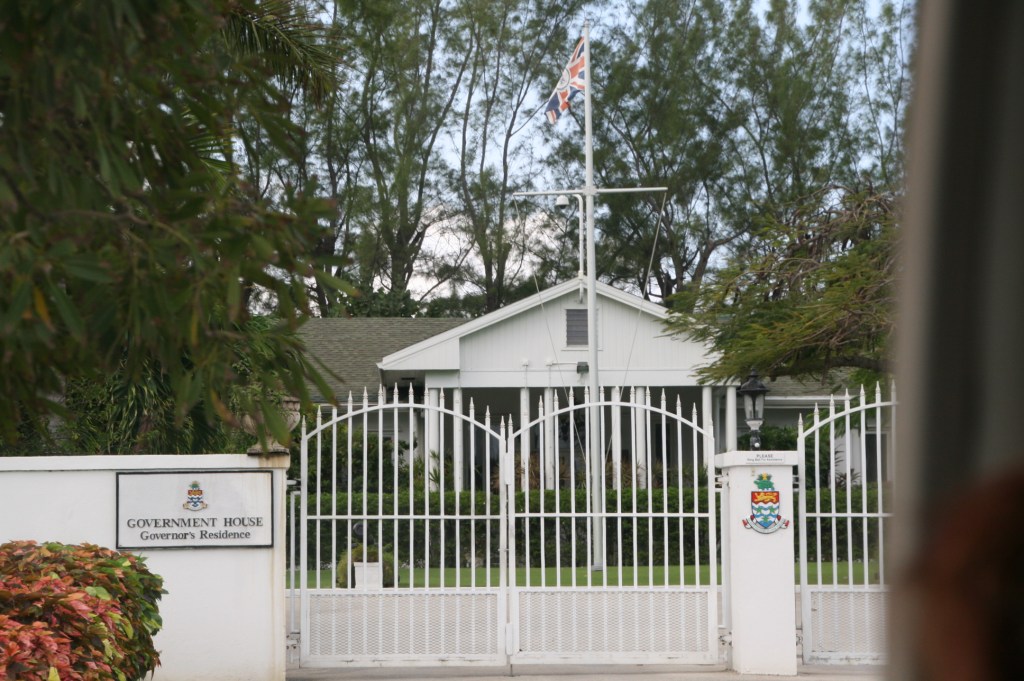
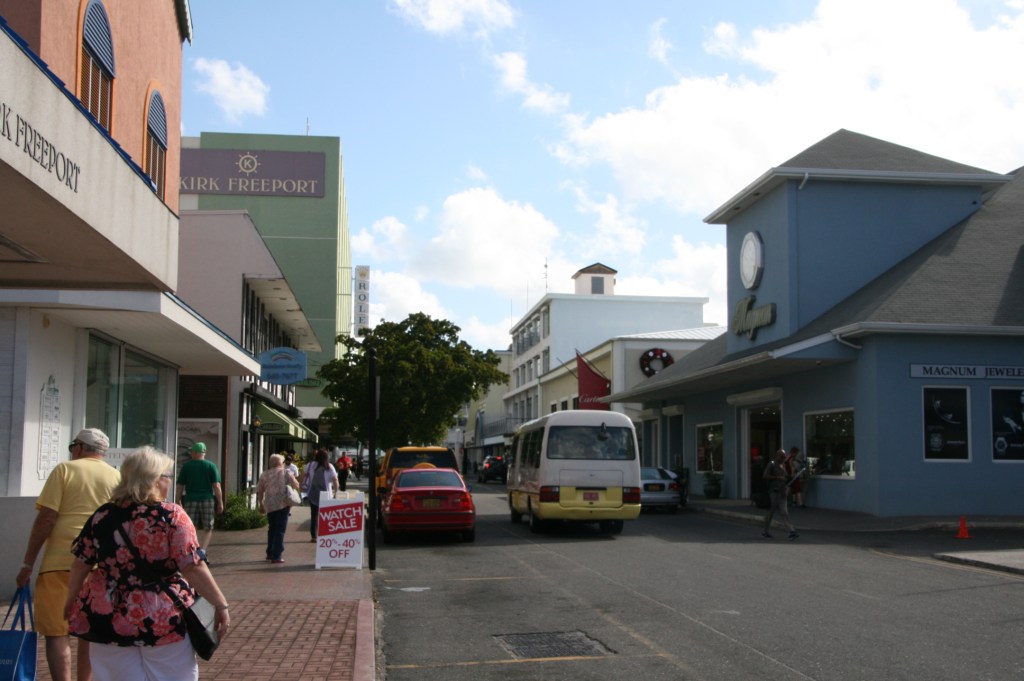
Our tour included a sightseeing trip around George Town.
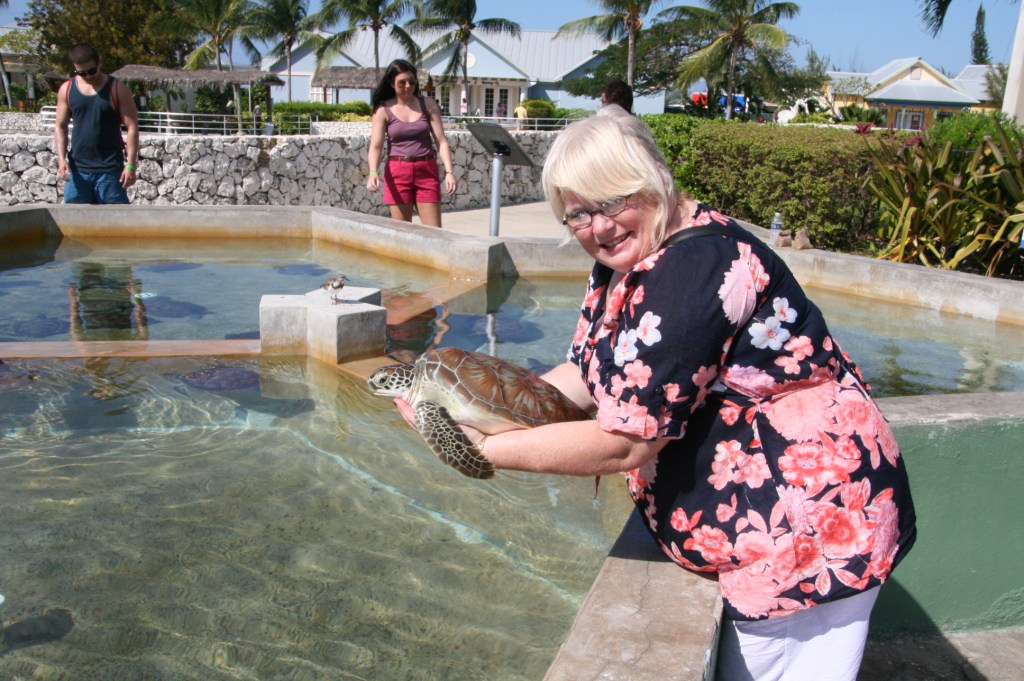
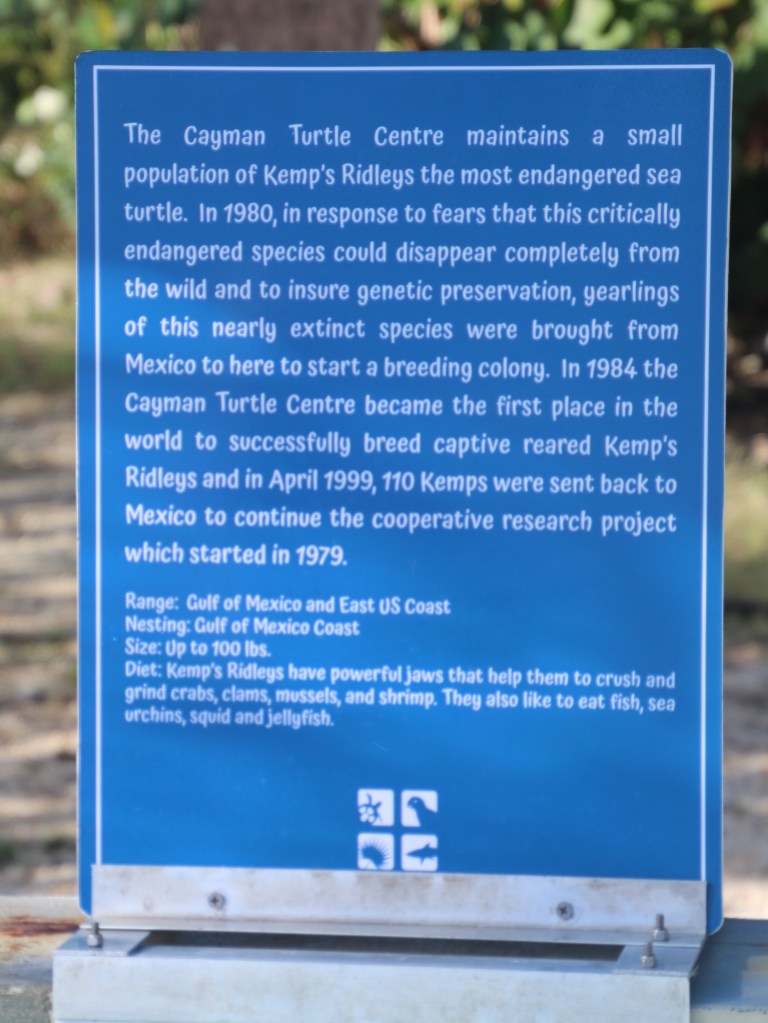
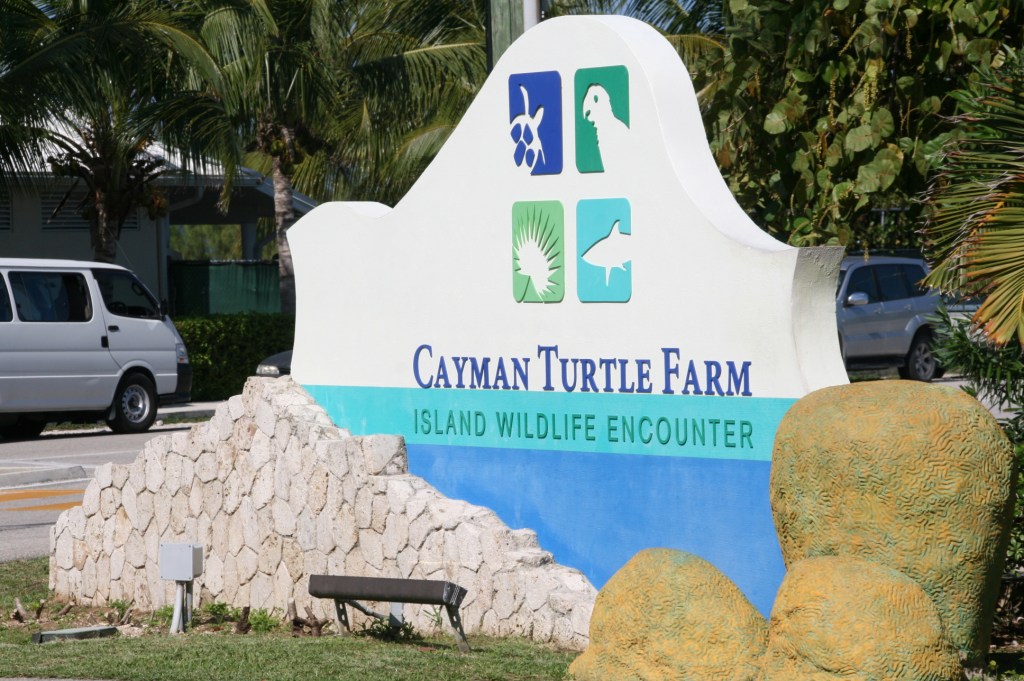
We then visited the Turtle farm at Boatswain’s Beach. At this eco-sensitive attraction, there are 100 round pools containing turtles at different developmental stages. There are small baby turtles, a 600-pound giant turtle, and everything in between. All the turtles have been raised at the farm with the hope of increasing the population and preventing them from being hunted to extinction…….the sign at the Centre says …’ The Cayman Turtle Centre maintains a small population of Kemp’s Ridley’s, the most endangered sea turtle. In 1980, in response to fears that this critically endangered species could disappear completely from the wild and to ensure genetic preservation, yearlings were brought from Mexico to here to start a breeding colony. In 1984 the Cayman Turtle Centre became the first place in the world to successfully breed captive reared Kemp’s Ridley’s. In April 1999, 110 Kemp’s were sent back to Mexico to continue the cooperative research project which started in 1979’.
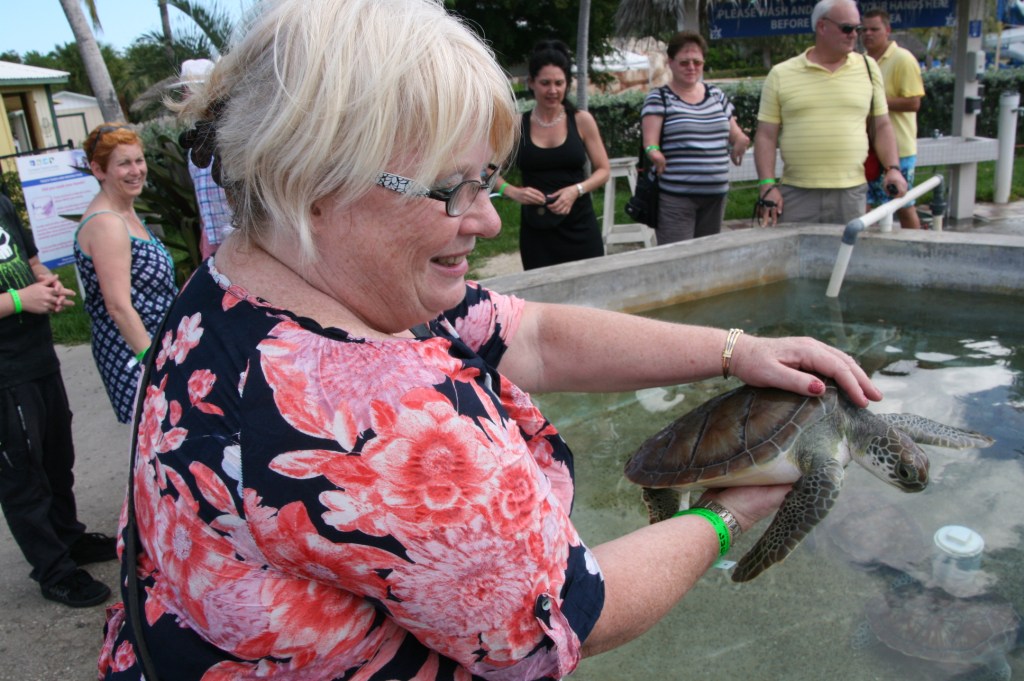
We had such fun learning about the turtles and we were taught how to hold them and how they really like their neck stroked…it was a very special couple of hours.
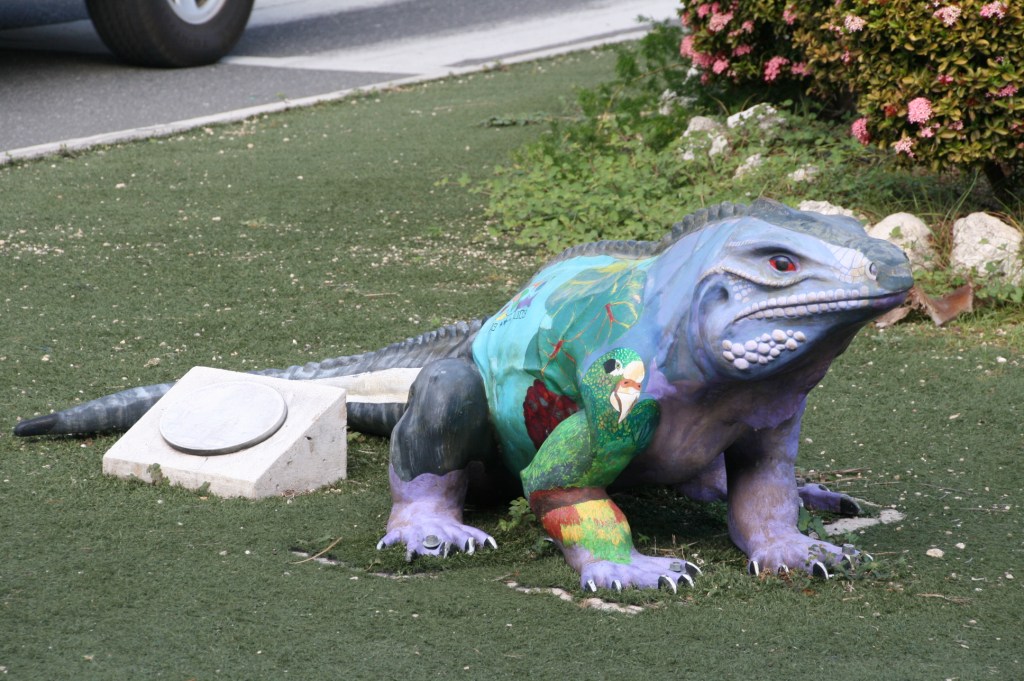
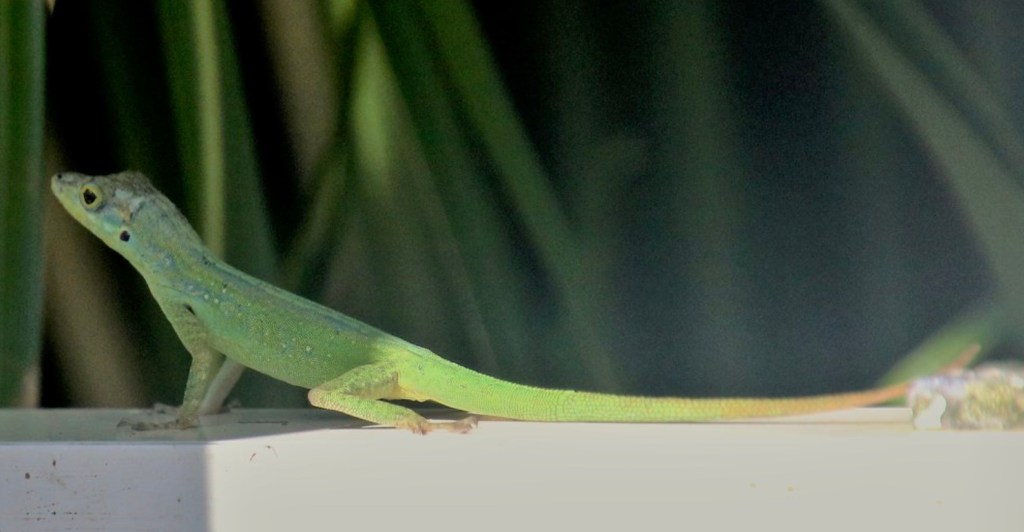
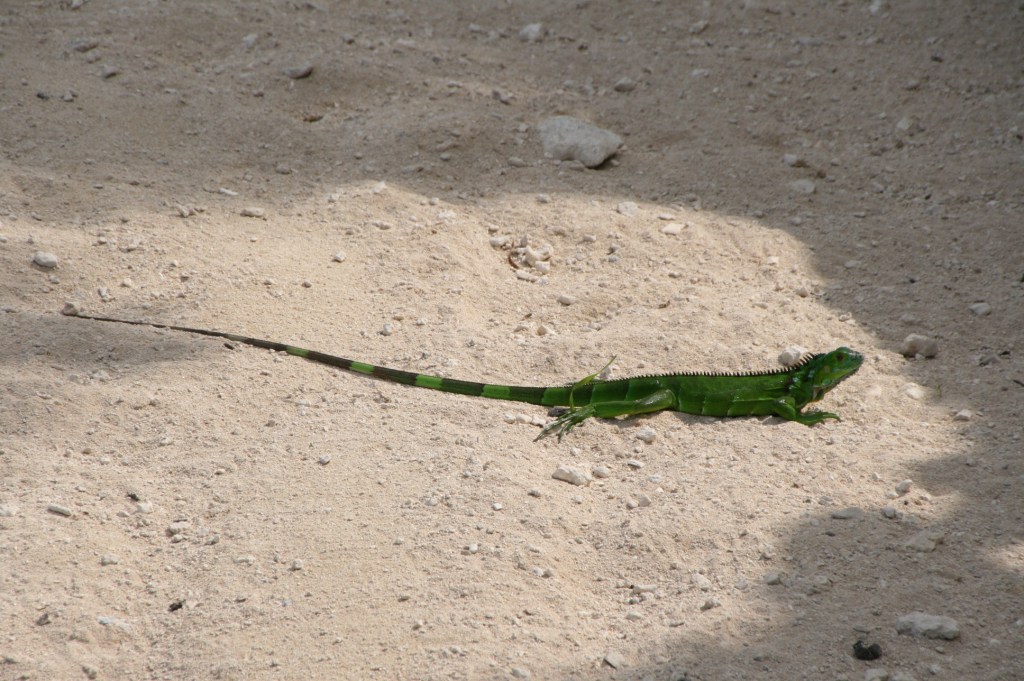
There were also some very photogenic lizards basking in the heat of the sun.
Our tour continued along Seven Mile Beach. The beautiful Seven Mile Beach lies along the Caribbean Sea and has white, soft sand and gentle waves. There are plenty of places to hire a sun-lounger and parasols and indulge in a nice cool drink. 

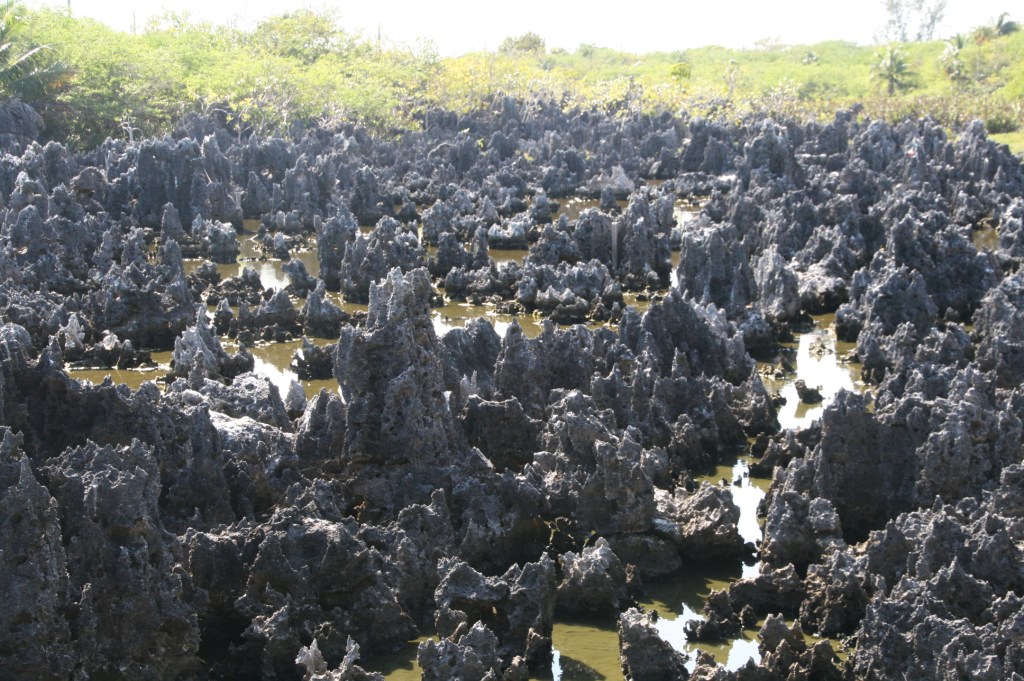
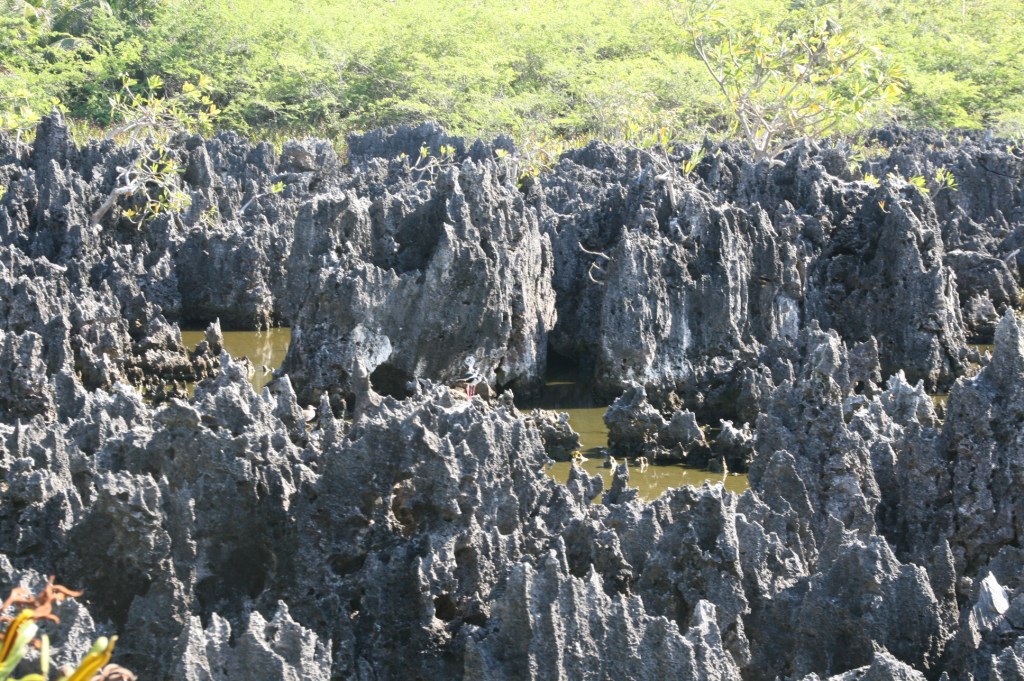
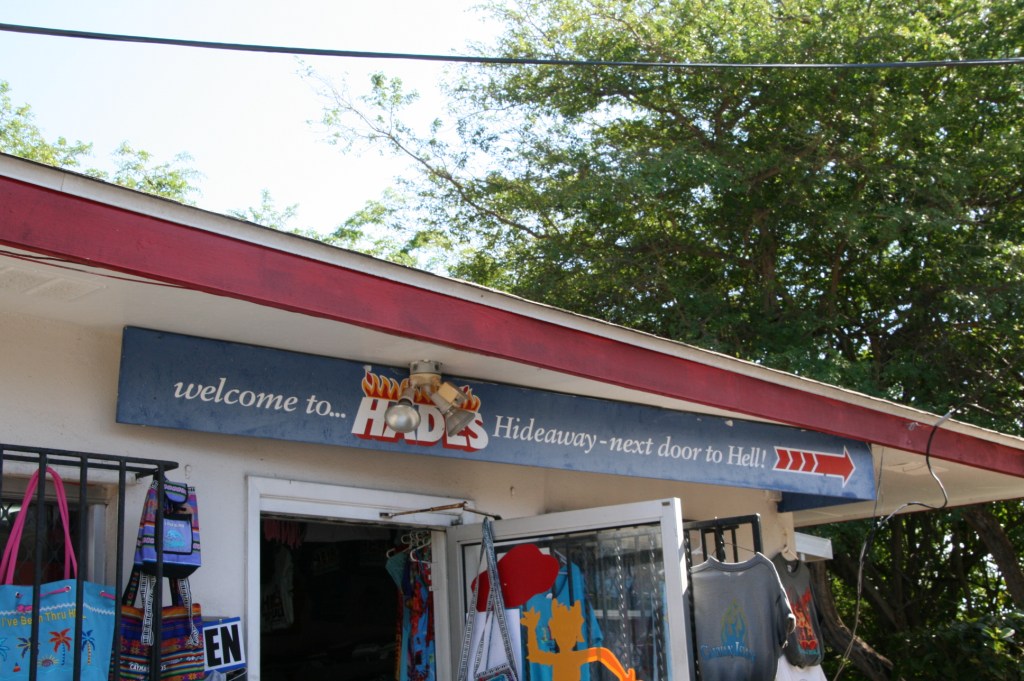
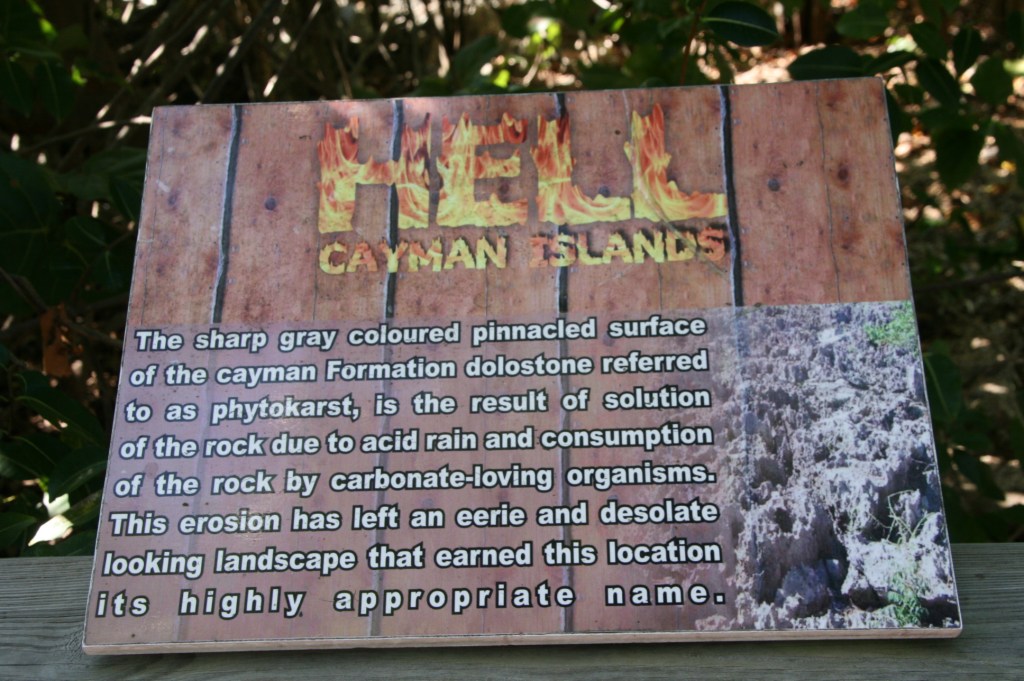
Our next stop was Hell. Hell is at the top of most visitors’ itineraries. Hell is where you can see the beautiful volcanic like spike rock formations.  This is what Hell says about the rock formations …..”The sharp grey coloured pinnacled surface of the Caymen formation dolostone referred to as phytokarst, ………..This erosion has left an eerie and desolate looking landscape that earned this location its highly appropriate name. “
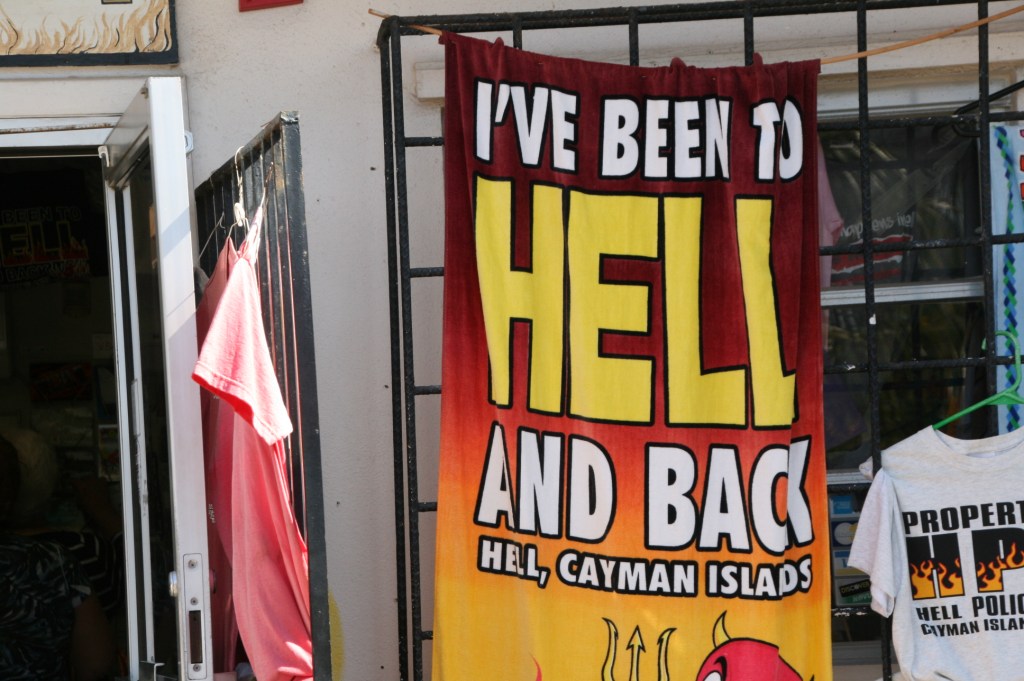
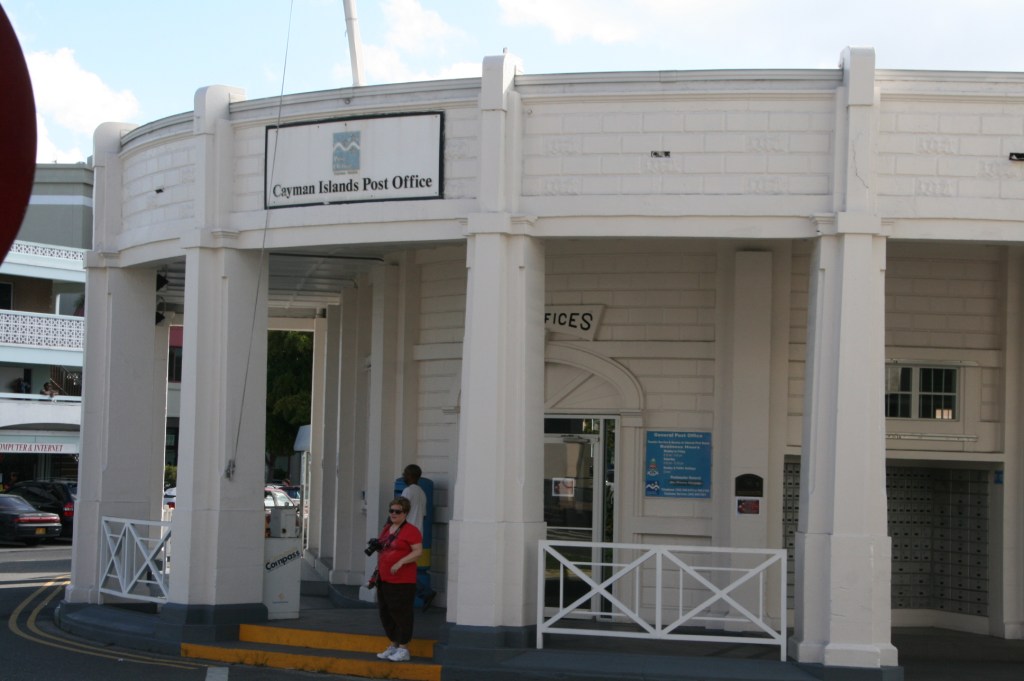
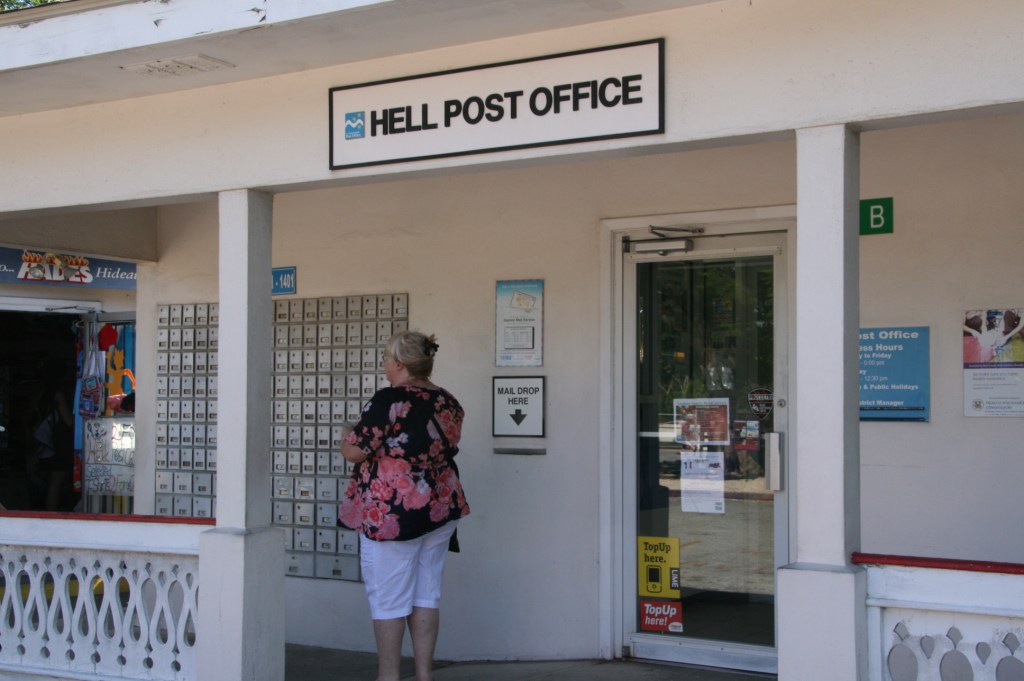
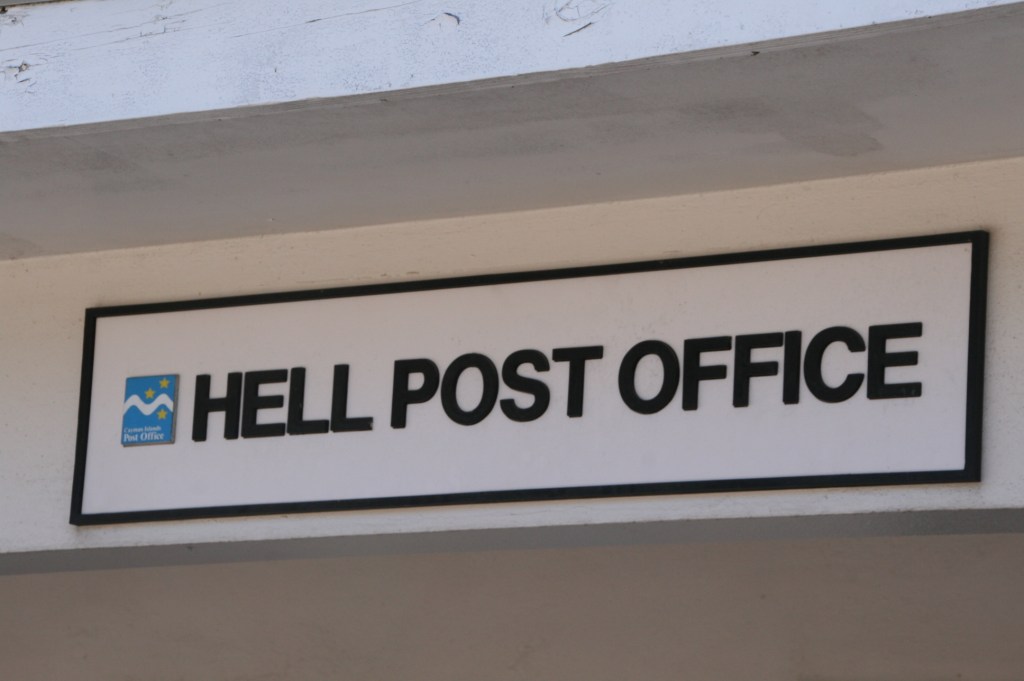
There is also the famous post office from where you can mail a letter back home post marked from Hell…….which of course we did…however only 3 of the 5 we posted arrived in England and we had been home 4 weeks before they turned up !!!!!!

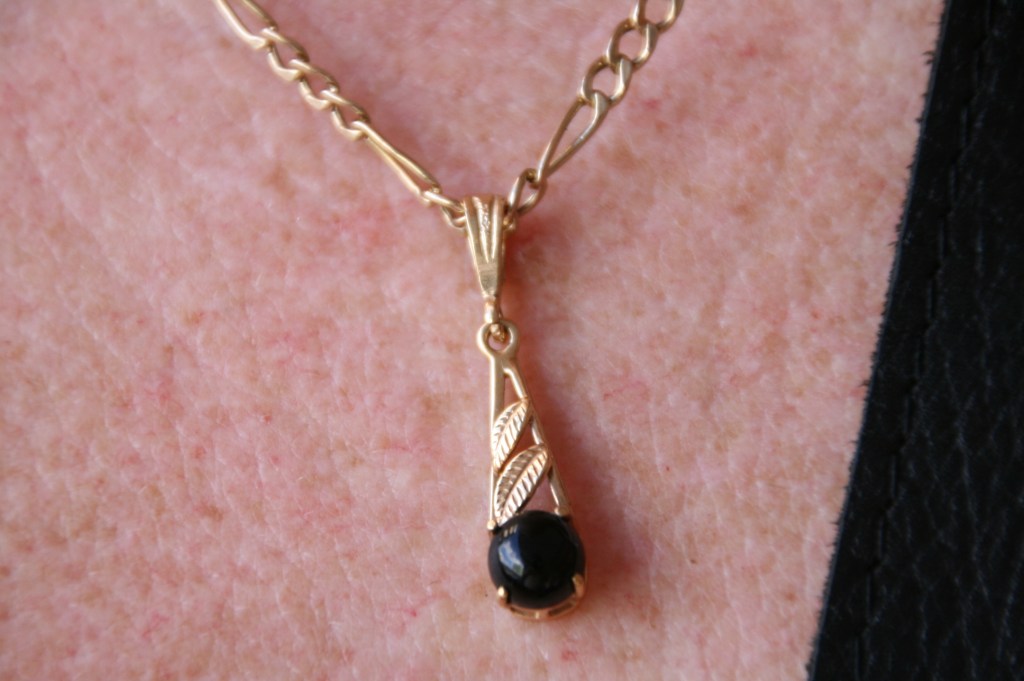
John spoilt me here and bought me a gold pendant with a circular ball of the dolostone in the middle. 
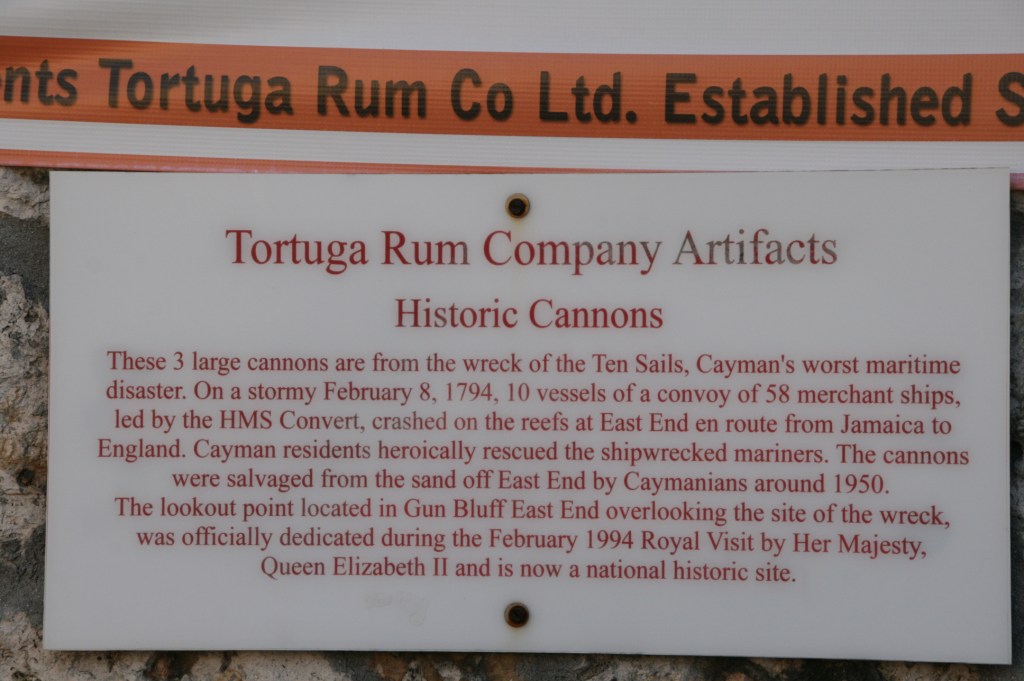
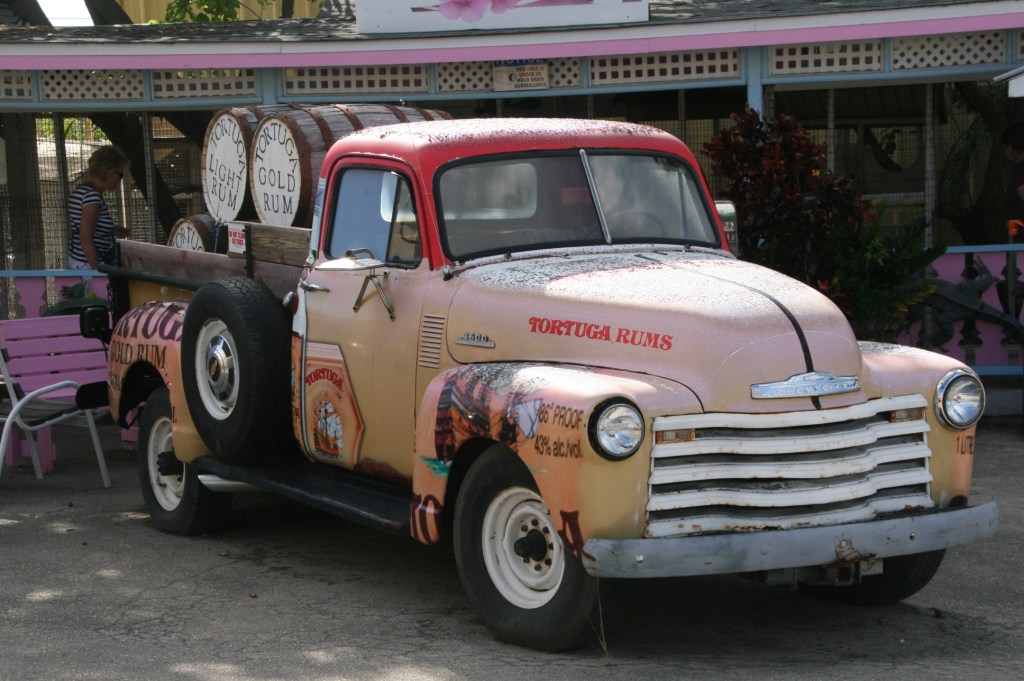
One of the islands delicacies is the famed rum cake, we stopped at the Tortuga Rum Cake Company for a tasty morsel.
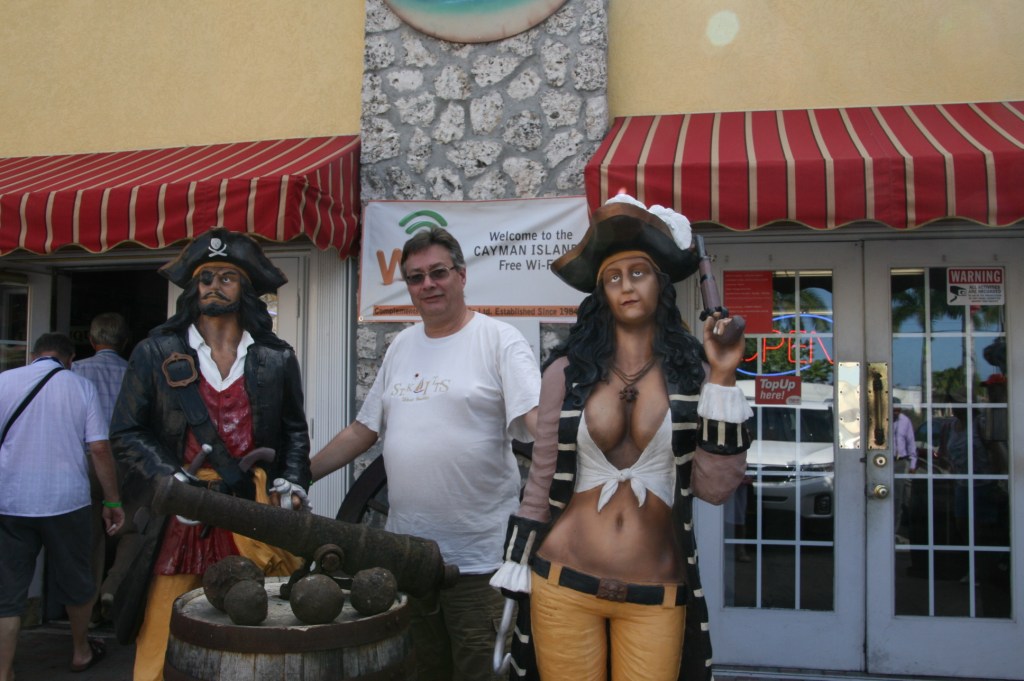
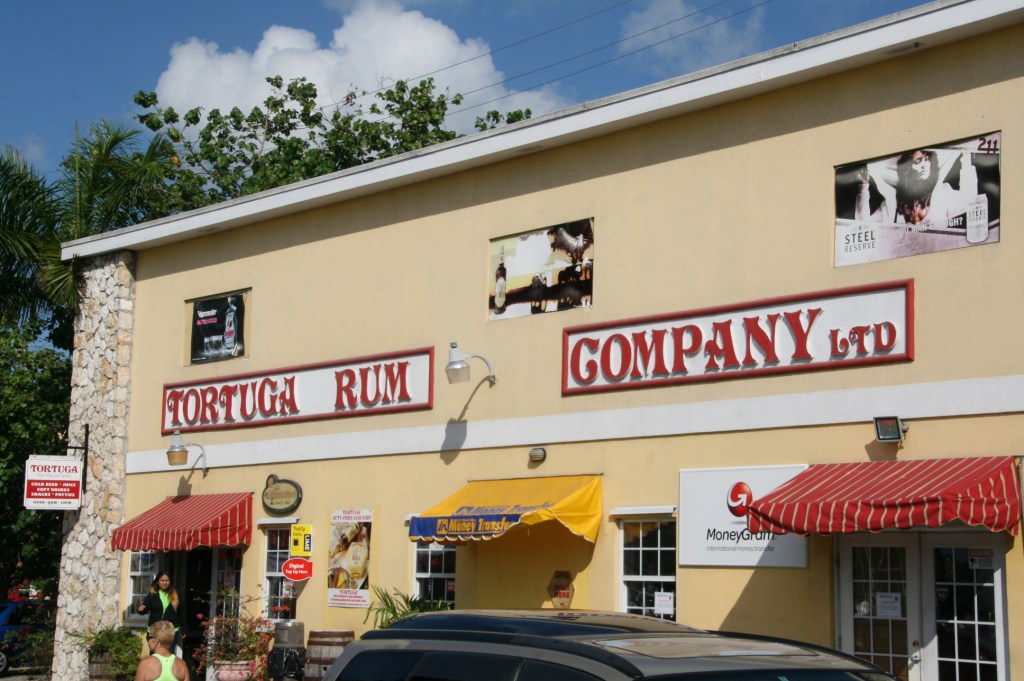
What a wonderful visit to an interesting Island we had, had…

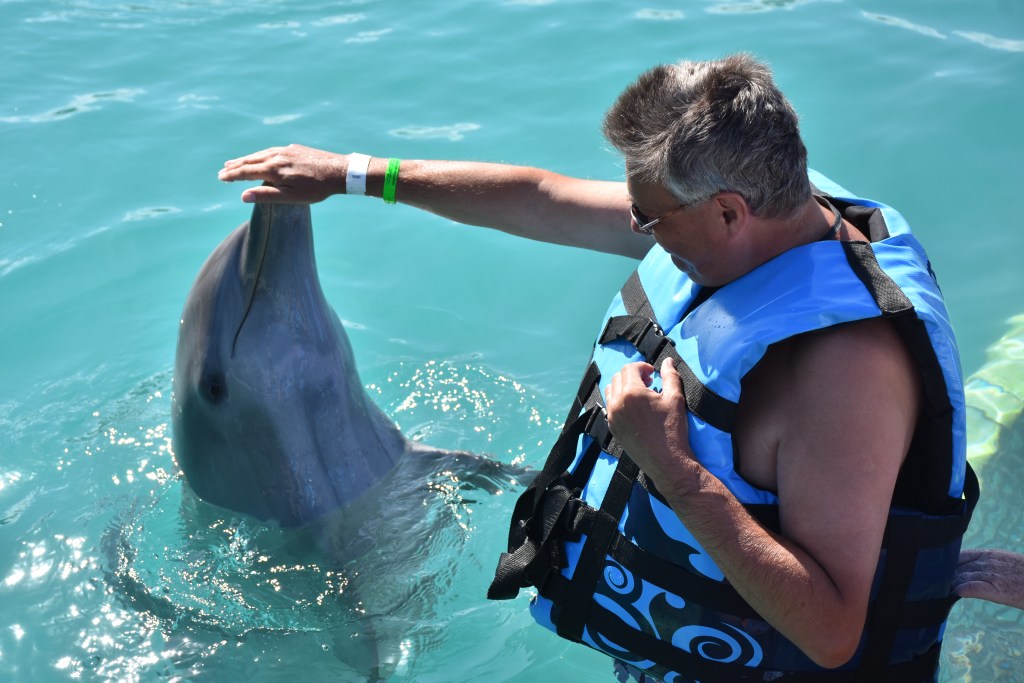
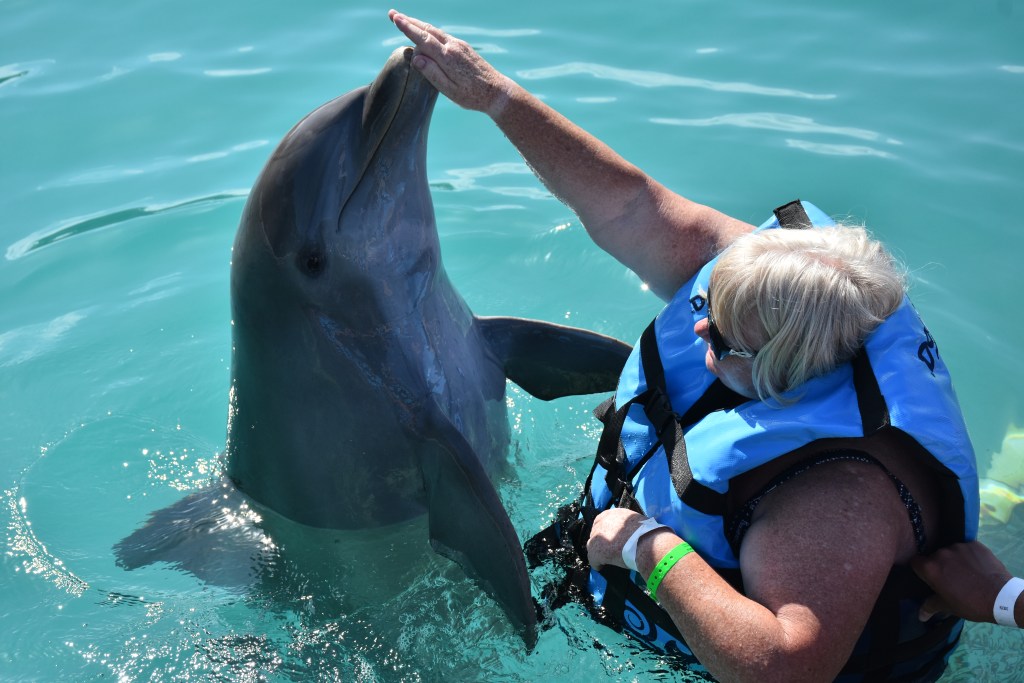
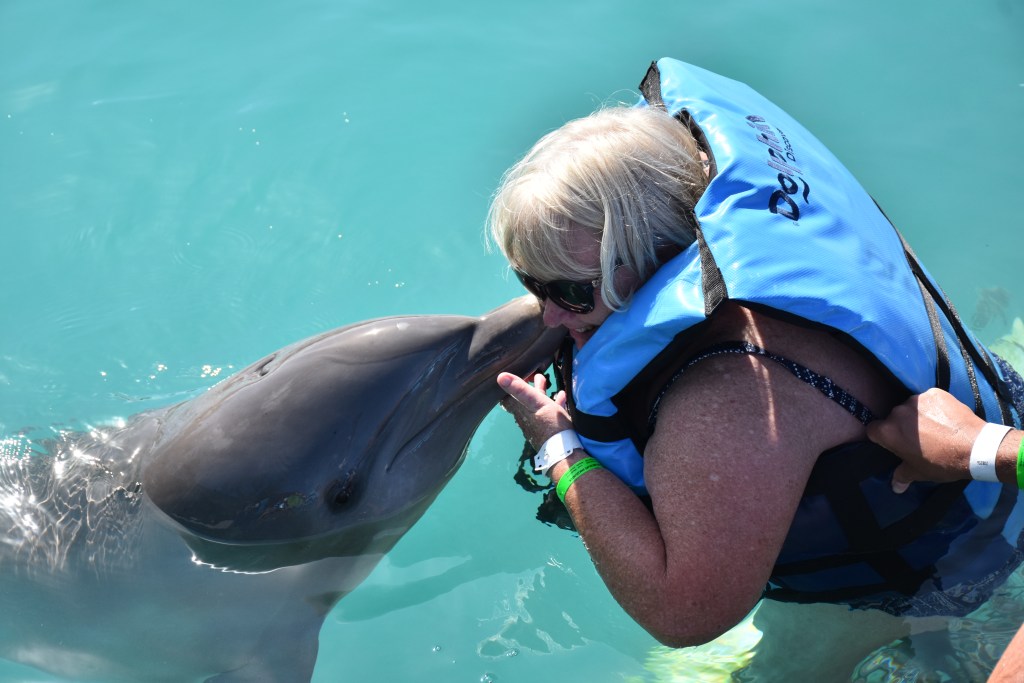
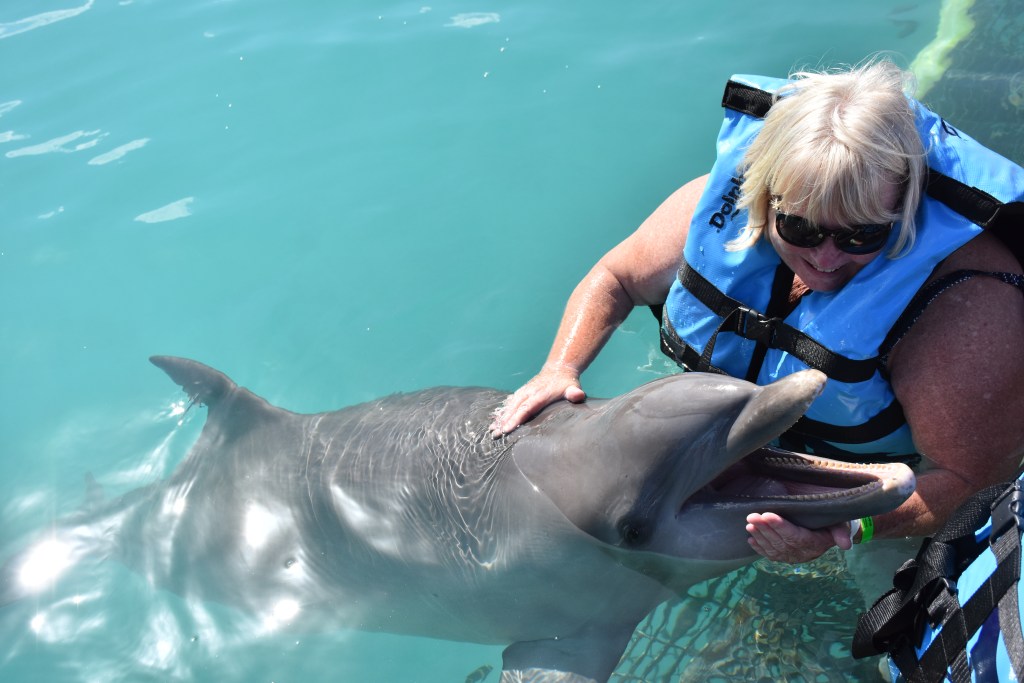
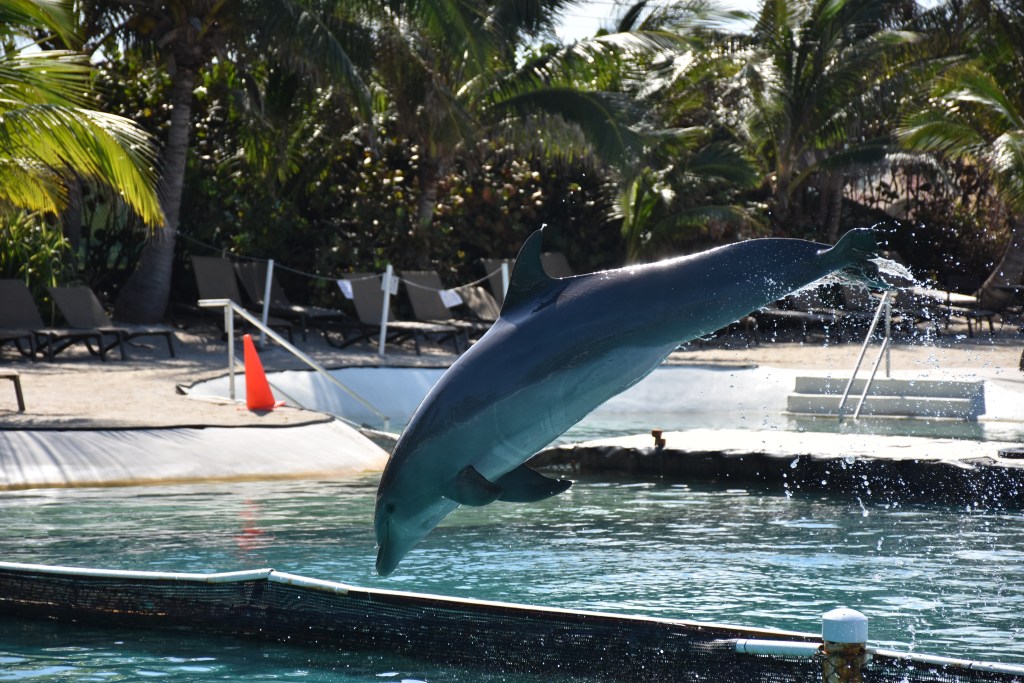
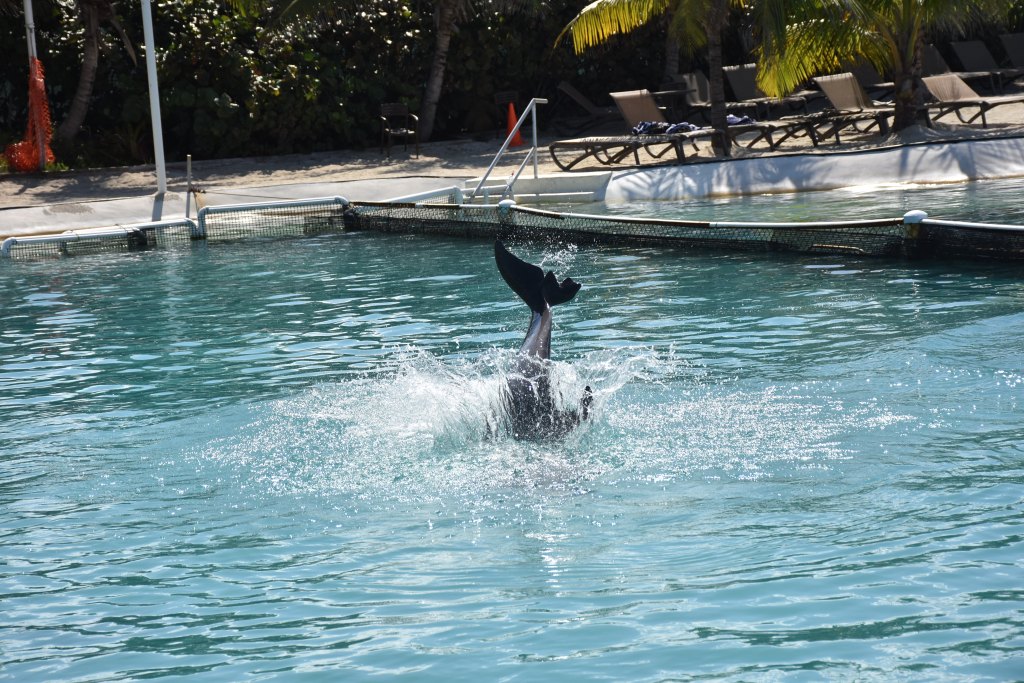
Our next trip to the Caymen Islands we decided to revisit the Turtle Centre and this time we went across the road to the Dolphin Sanctuary. All the dolphins have been  rescued and due to their medical needs they are very used to human interaction.  To fund their keep and further rescues they run Dolphin Experiences…. We were given life jackets and had been told to wear swimming costumes and swim shoes. We stood up to our chests  on a ledge in a very large area of water. There was a mother and calf and the mother came and greeted us all by shaking our hands, rising out of the water to a raised hand, kissing us and rubbing our cheeks. After our individual experience the mother returned to the other end of the area and proceeded to teach her calf how to leap and twist and turn out of the water…it was an amazing sight.

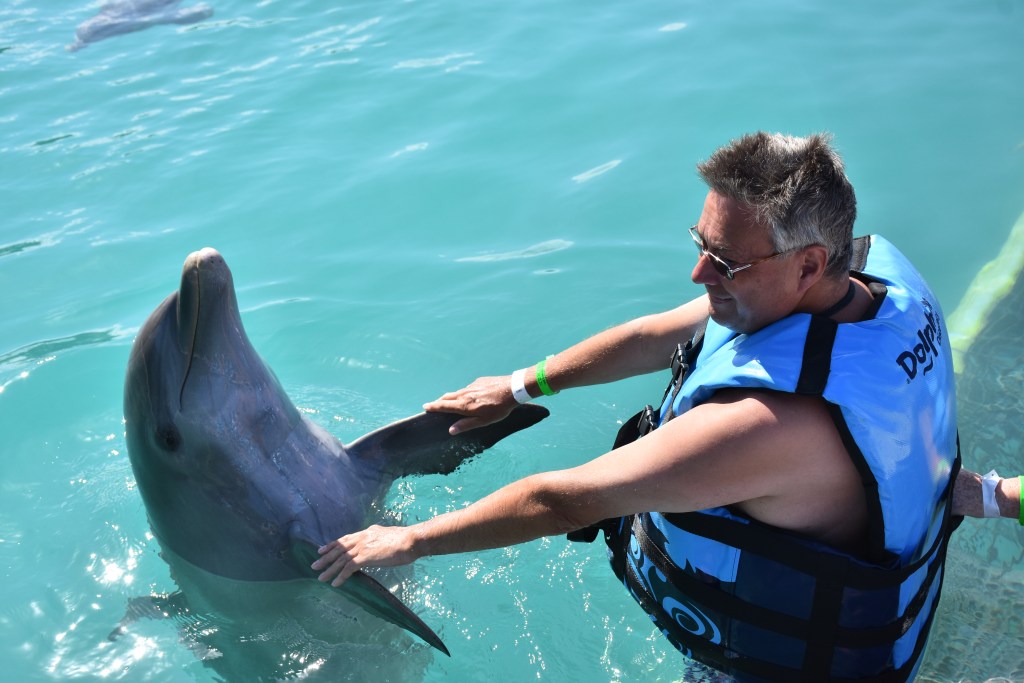
Another wonderful experience on Grand Cayman Island….we were sad to leave but it was only ‘au revoir’…until the next time. 
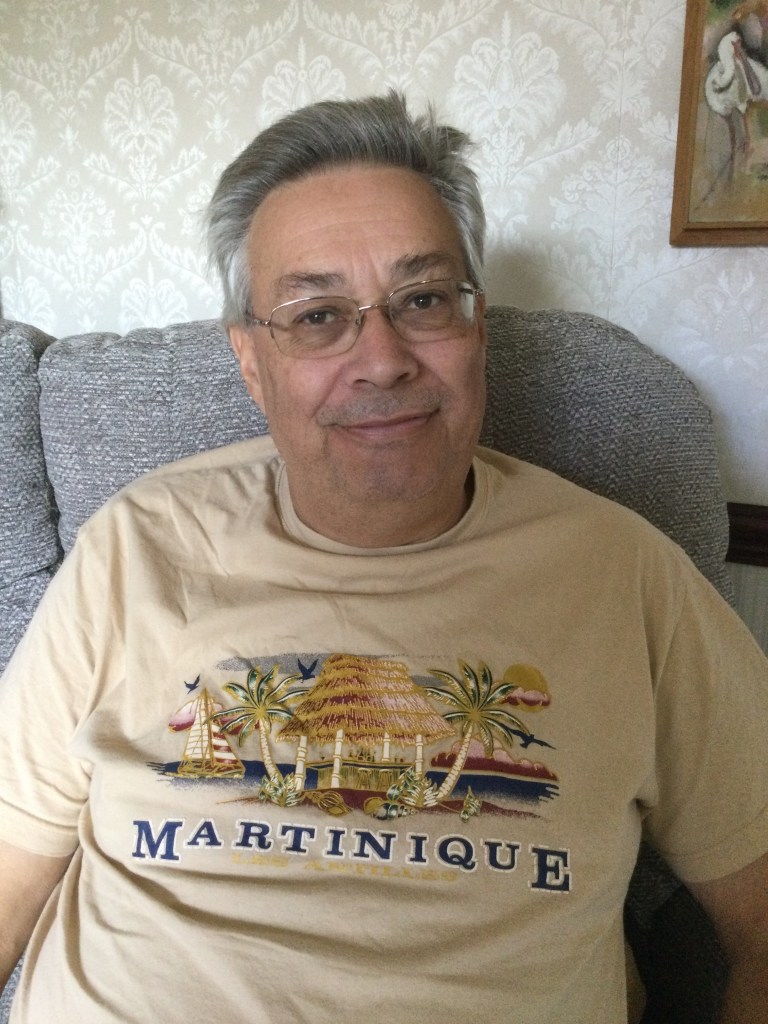
Martinique – French Caribbean Island – BEEN THERE GOT THE T-SHIRT

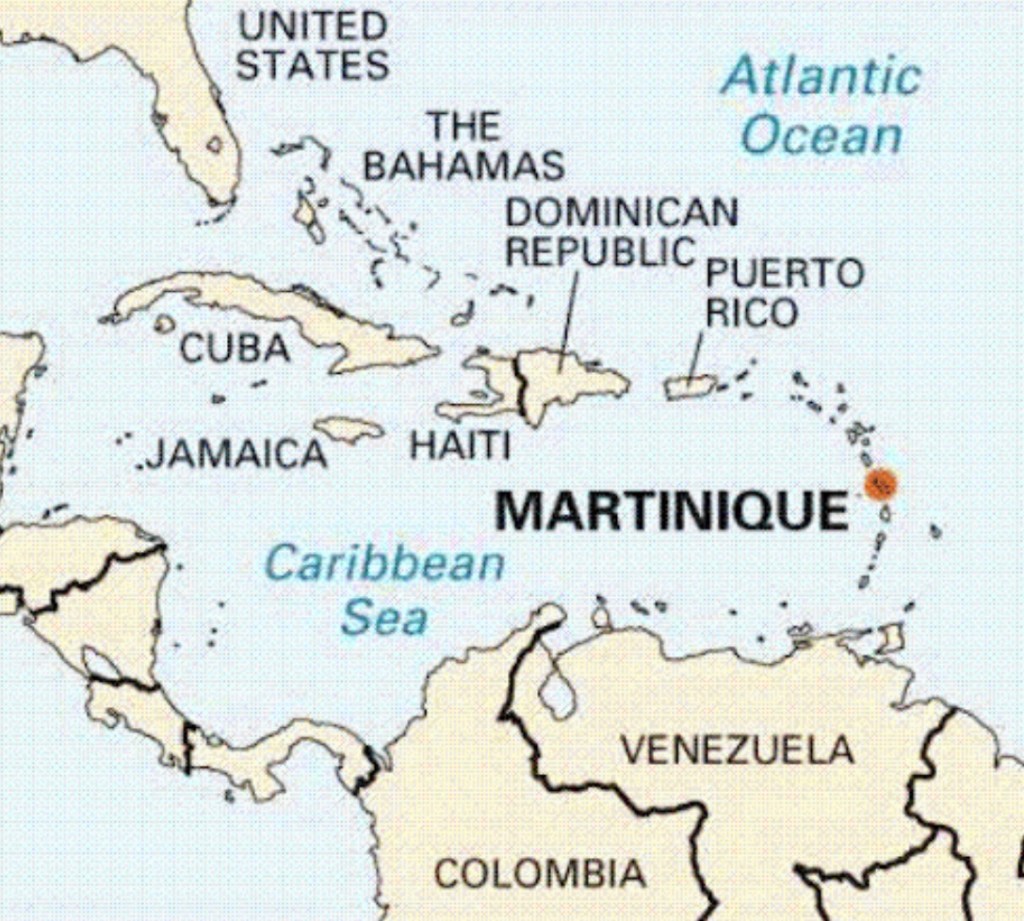
Martinique is an island in the Lesser Antilles which is part of the French West Indies, in the eastern Caribbean Sea. Its nearest neighbours are the island republics of Dominica 22 miles (35 km) to the northwest, and Saint Lucia 16 miles (26 km) to the south. Guadeloupe another part of overseas France, lies about 75 miles (120 km) to the north 

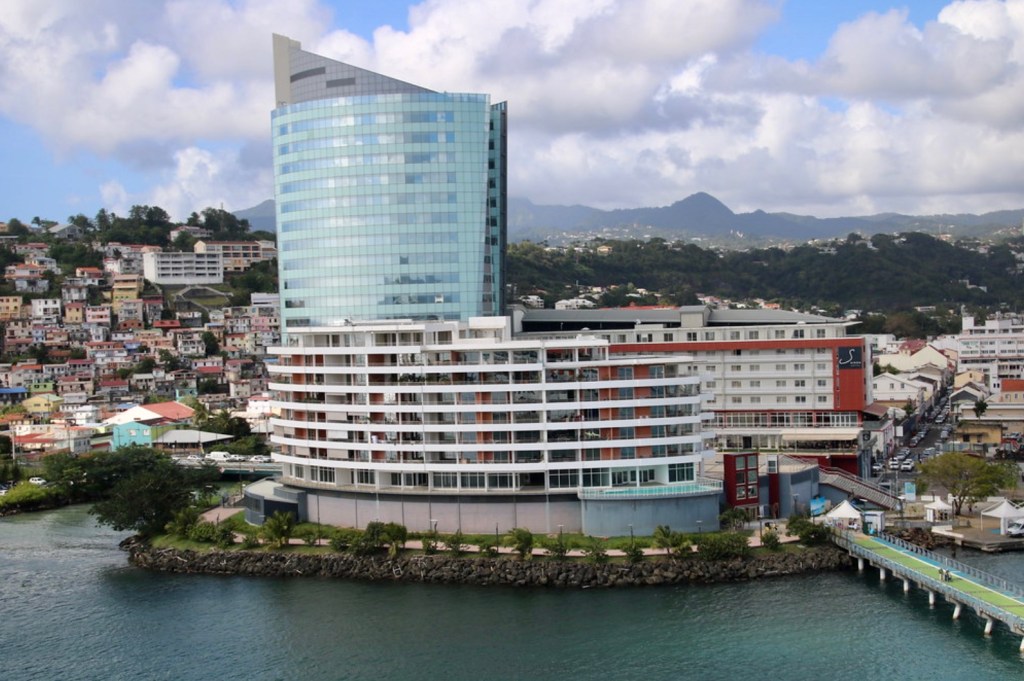
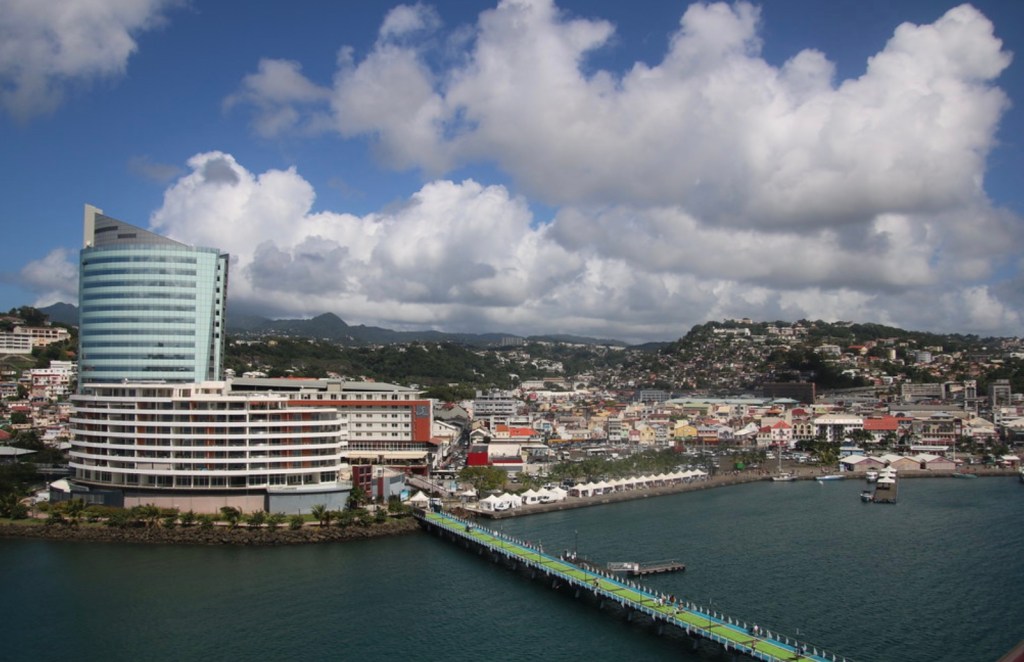
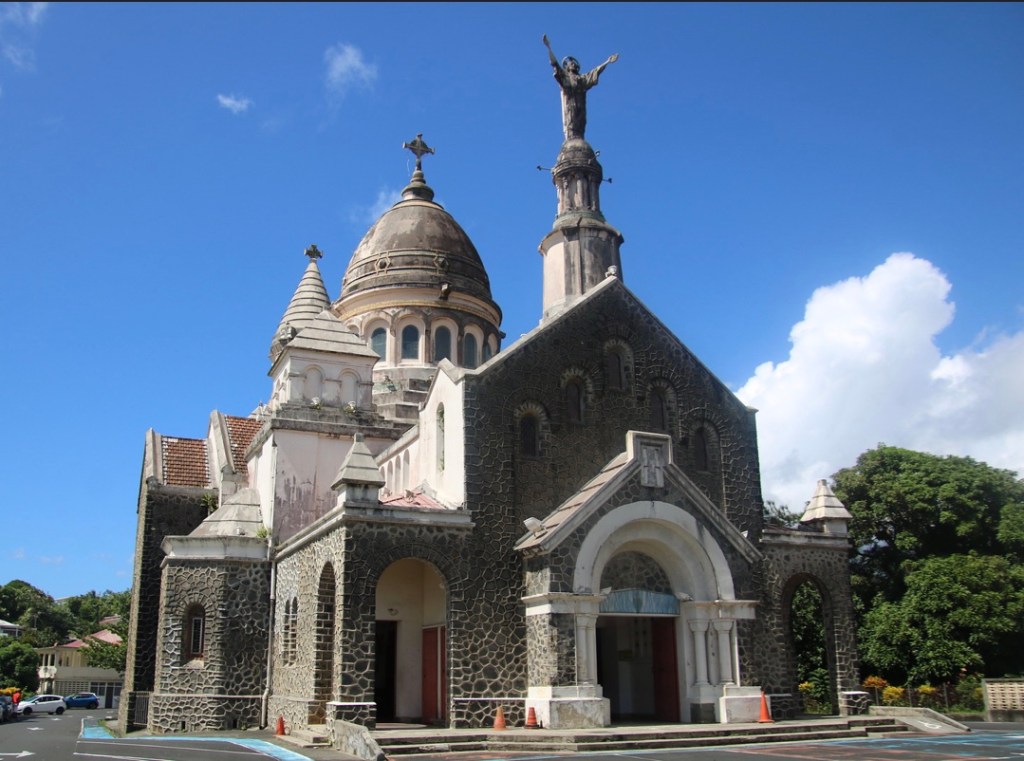
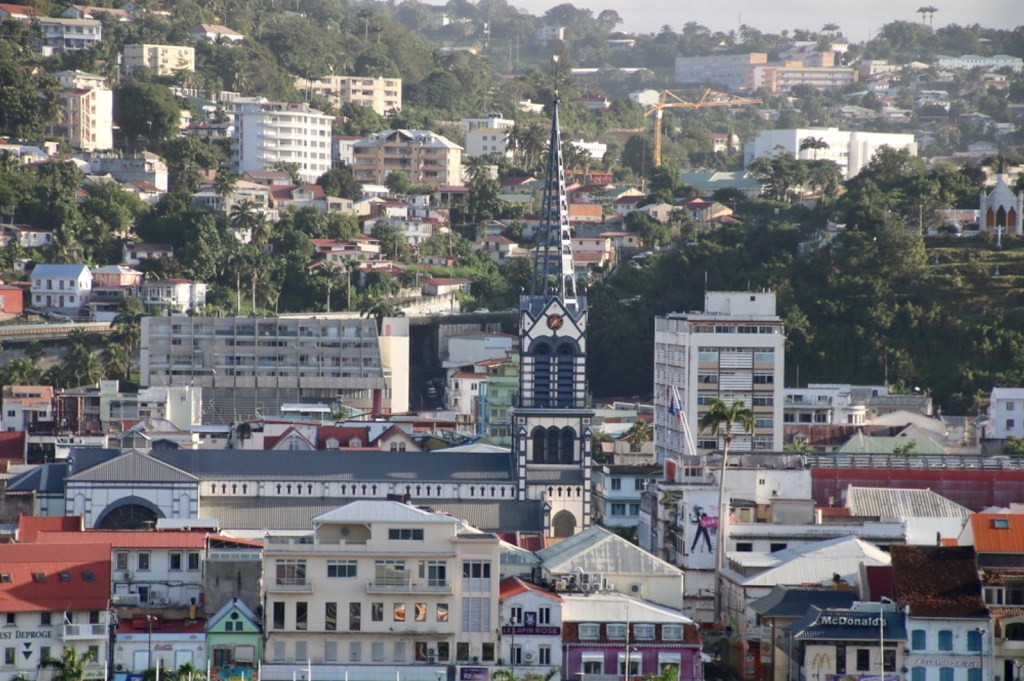
As an overseas region of France, its culture reflects a distinctive blend of French and West Indian influences. Its largest town, Fort-de-France, features steep hills, narrow streets and La Savane, a garden bordered by shops and cafes. In the garden is a statue of island native Joséphine de Beauharnais, first wife of Napoleon Bonaparte.

Martinique is in effect a dependant region of France and therefore enjoys the same European Union benefits as the French Mainland. Unlike a lot of Caribbean islands It has the same modern day infrastructure, education, health and welfare system as France. 

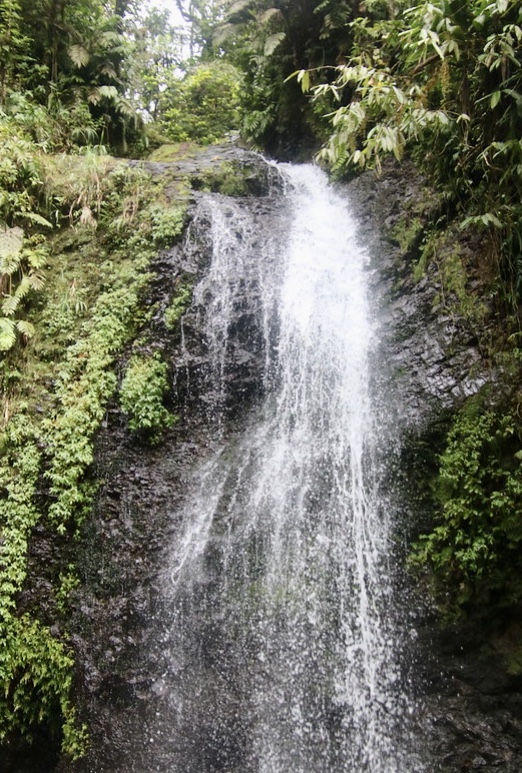
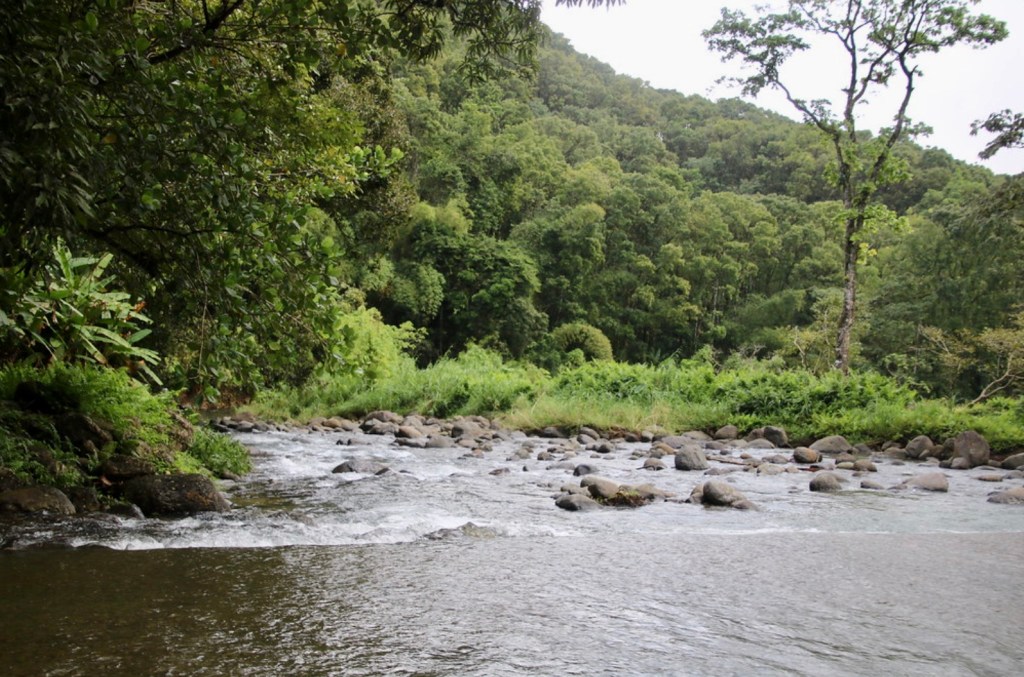
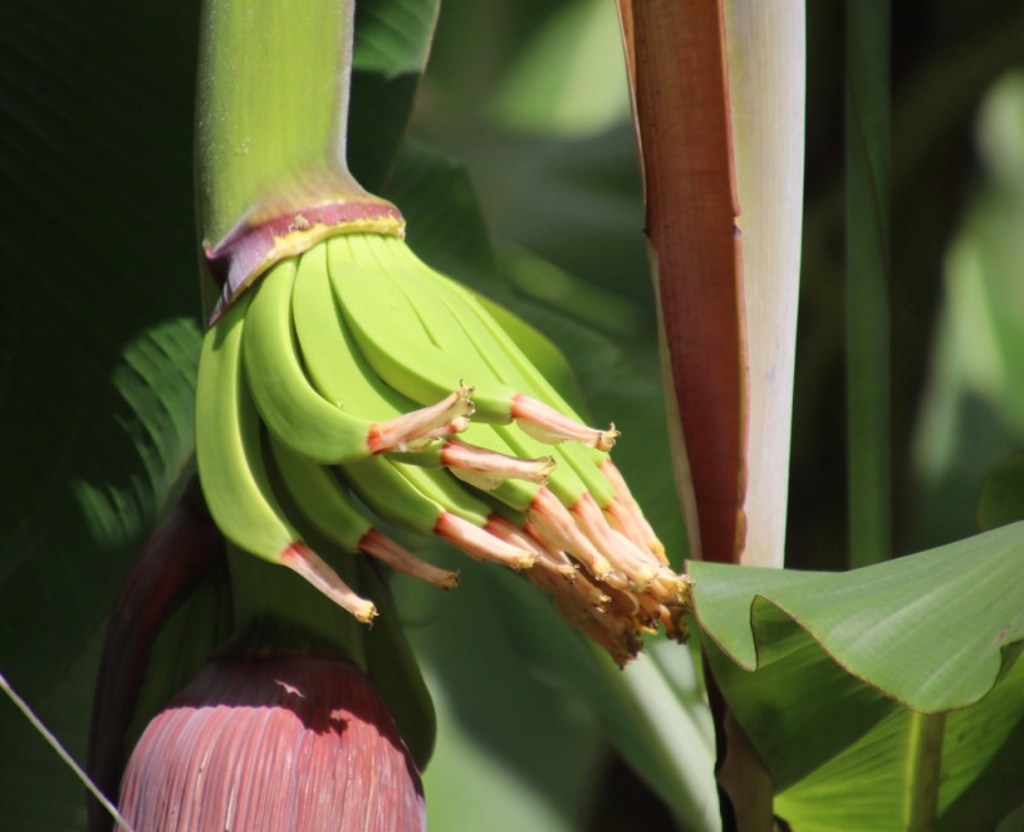
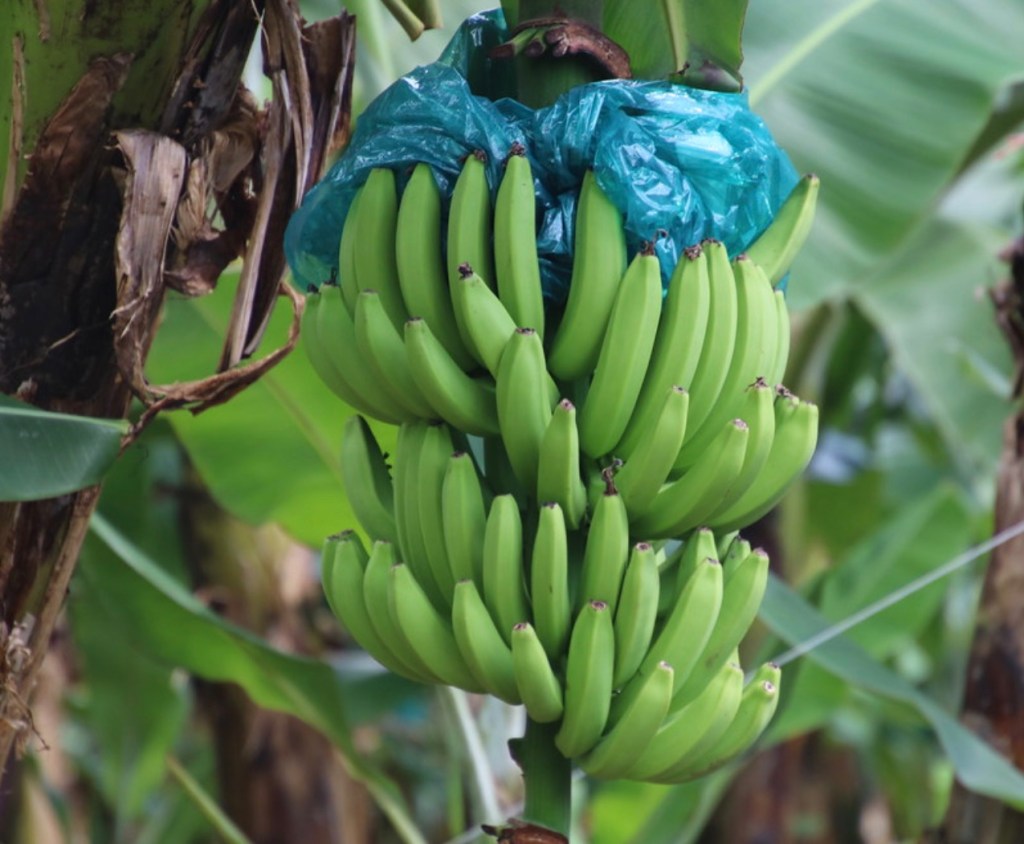
It’s a delightful island to visit. We have been fortunate enough to cruise into port here on several occasions. On one occasion we decided to explore the heart of the island in a 4-wheel-drive vehicle to the interior rainforest and backcountry.  Our tour took us passed banana and sugar cane plantations, fording streams and encountering all variety of vegetation en route to a river deep in the rainforest. Upon arrival, we experienced the peace and tranquility of a remote, hidden spot deep in the inner forest. 

We listened to the sounds of the jungle and observed nature’s beauty all around us.

We sat and relaxed in the inner forest area known as Coeur Bouliki. The rich volcanic soil nourishes banana plantations and pineapple fields as well as mangoes, papayas, lemons, limes, and West Indian cherries and we sat enjoying a fruit drink and eating fresh fruit off banana leaf platters. 

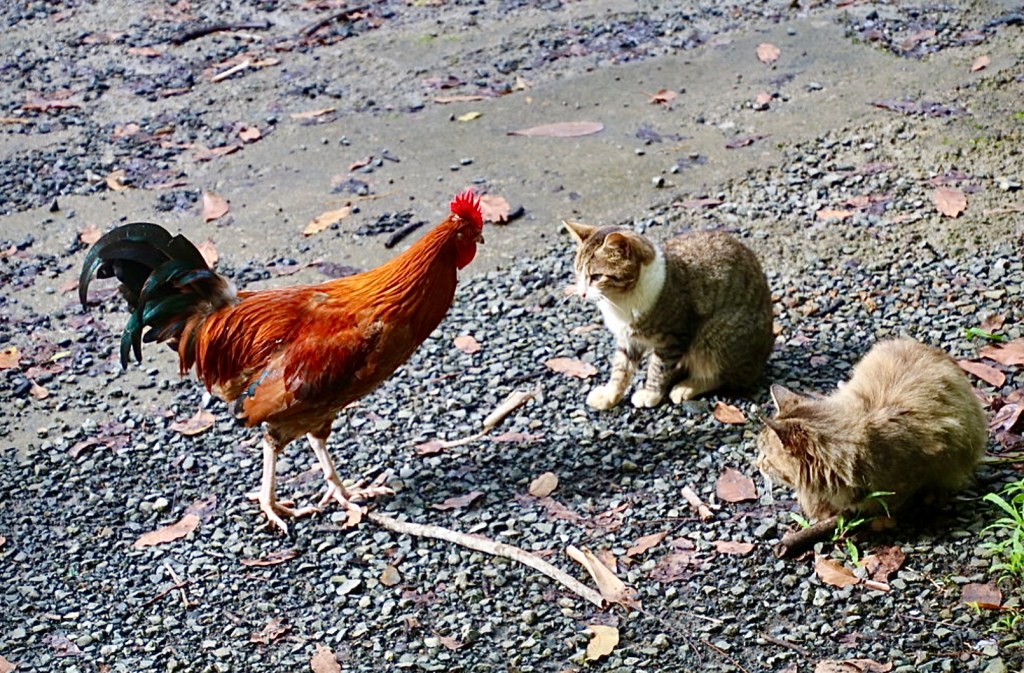
The only thing which impeded the peace and tranquility was a cat having an altercation with a cockerel ….Surprisingly the cockerel came off the best and the cat legged it …

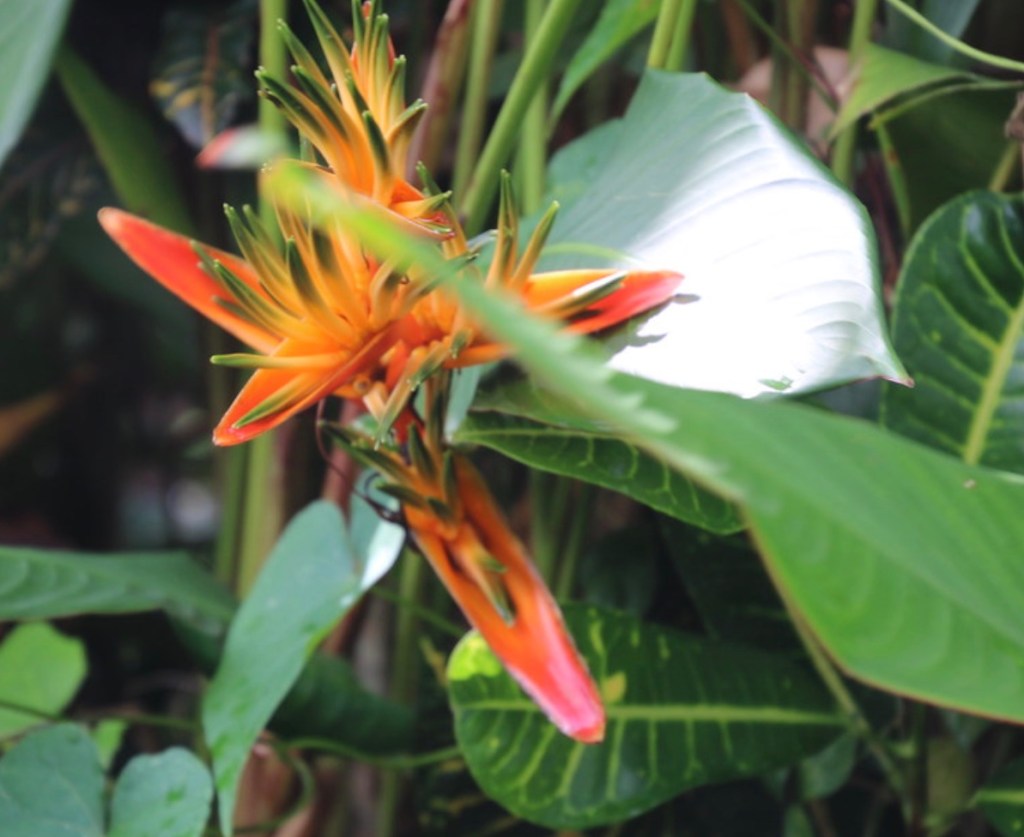
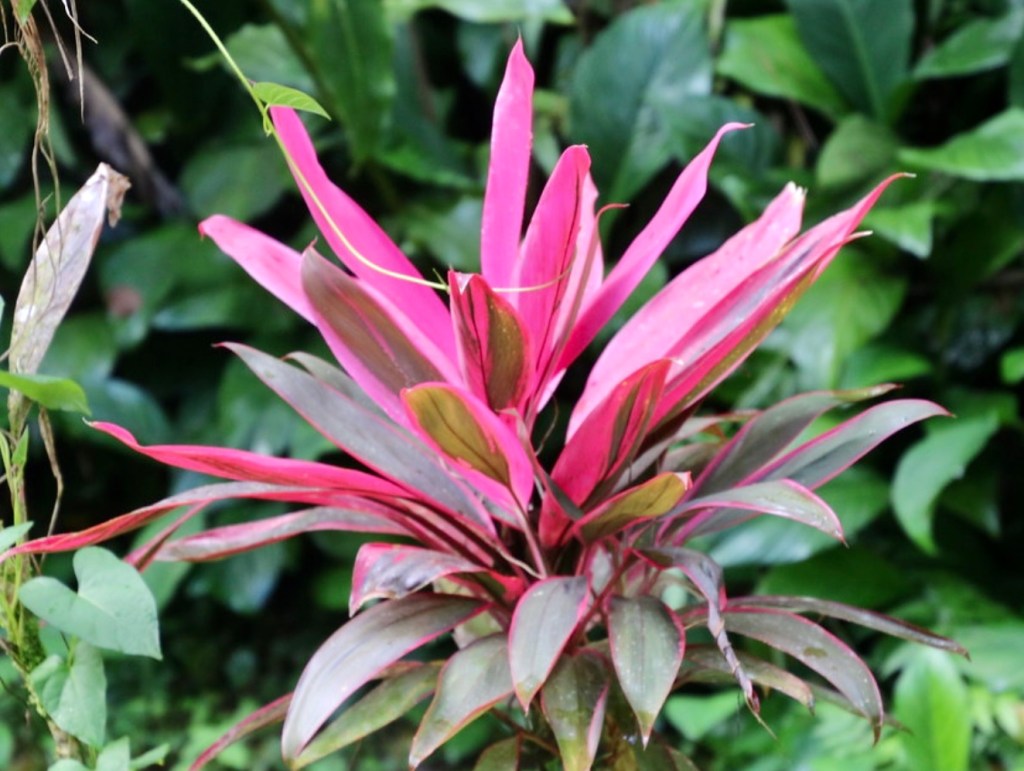
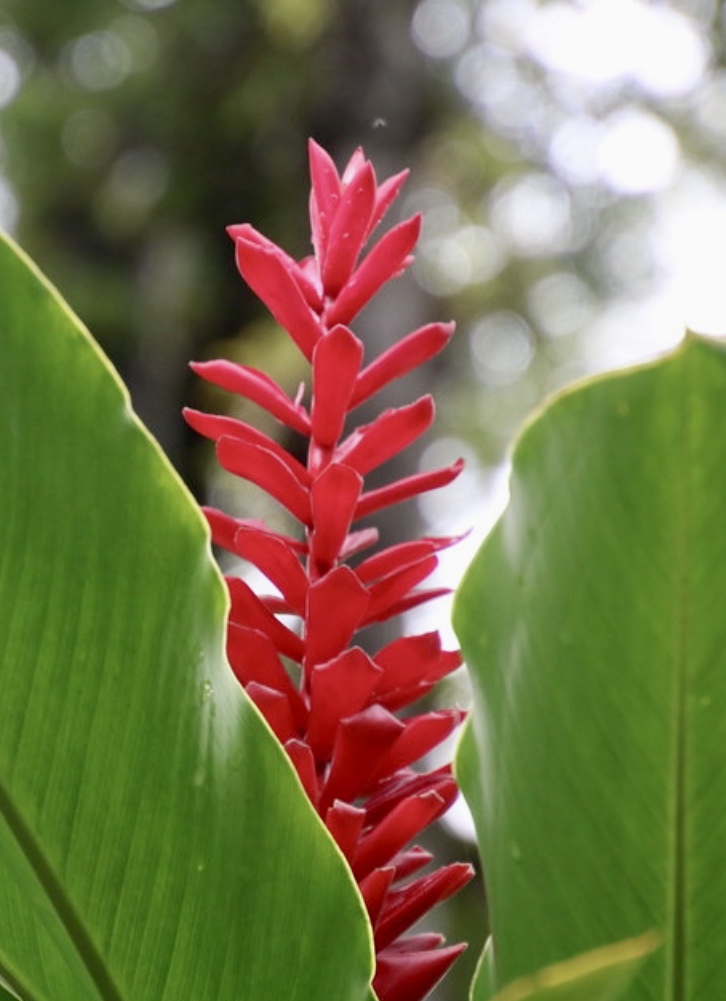
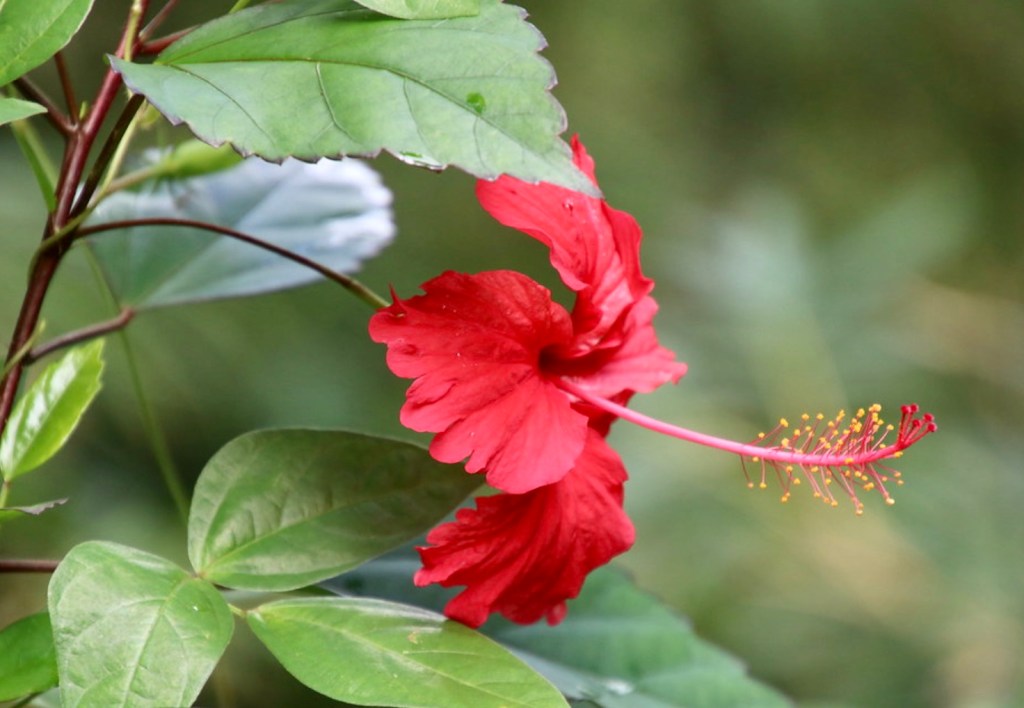
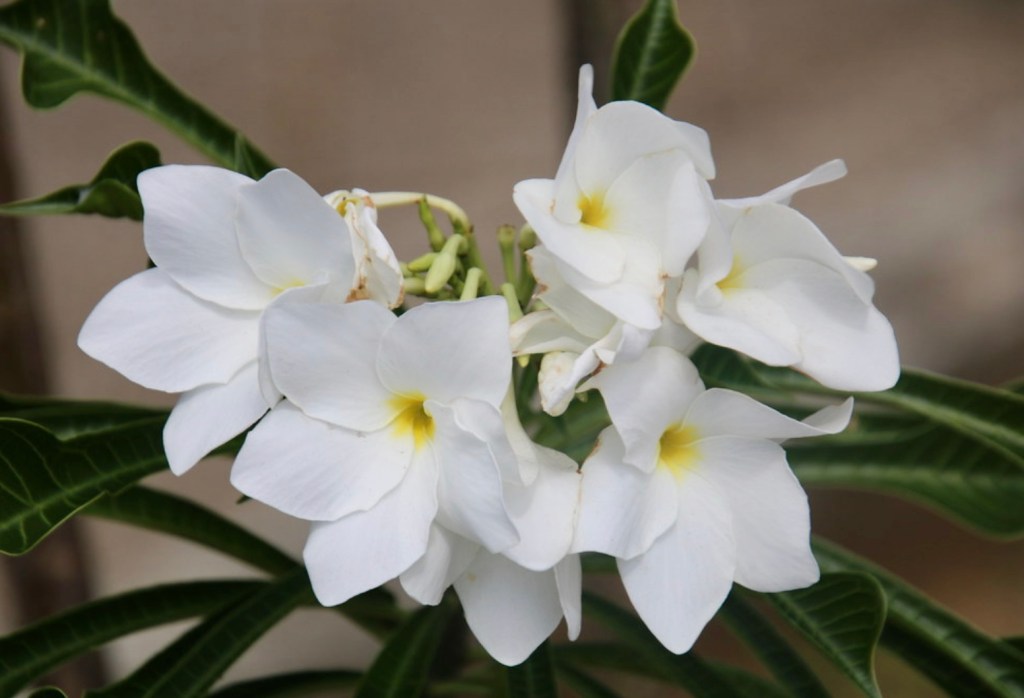
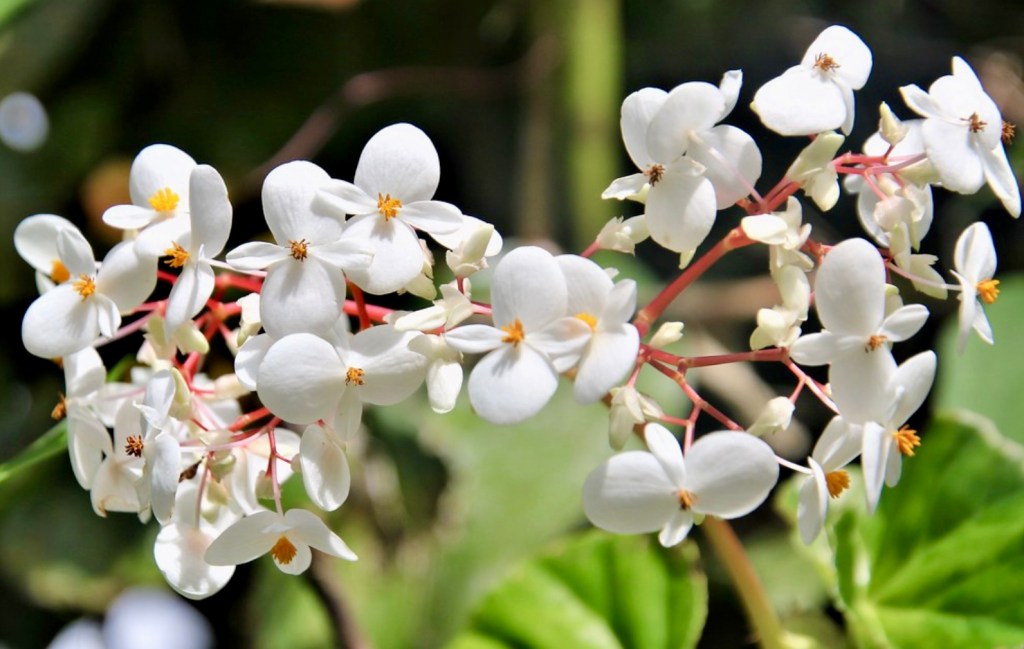
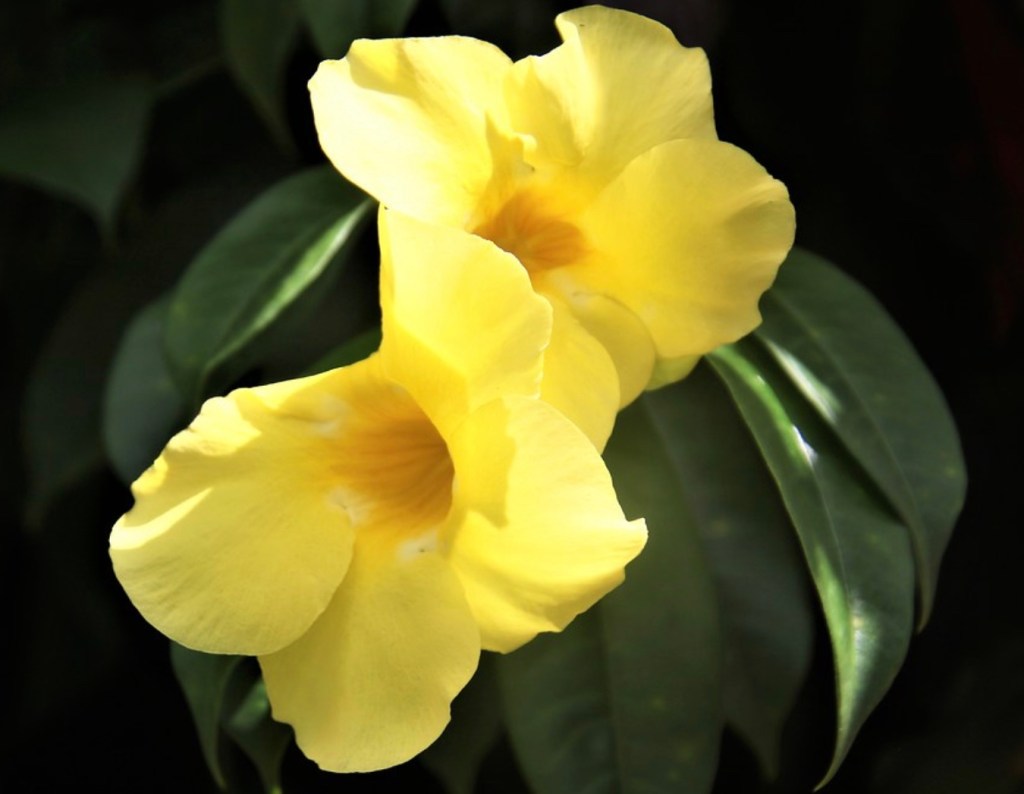
Exploring the area by having a short walk to the river we saw some superb plants and magnificent flowers. We also saw land frogs and lizards

Your return drive took us on another route which took us through banana plantations.

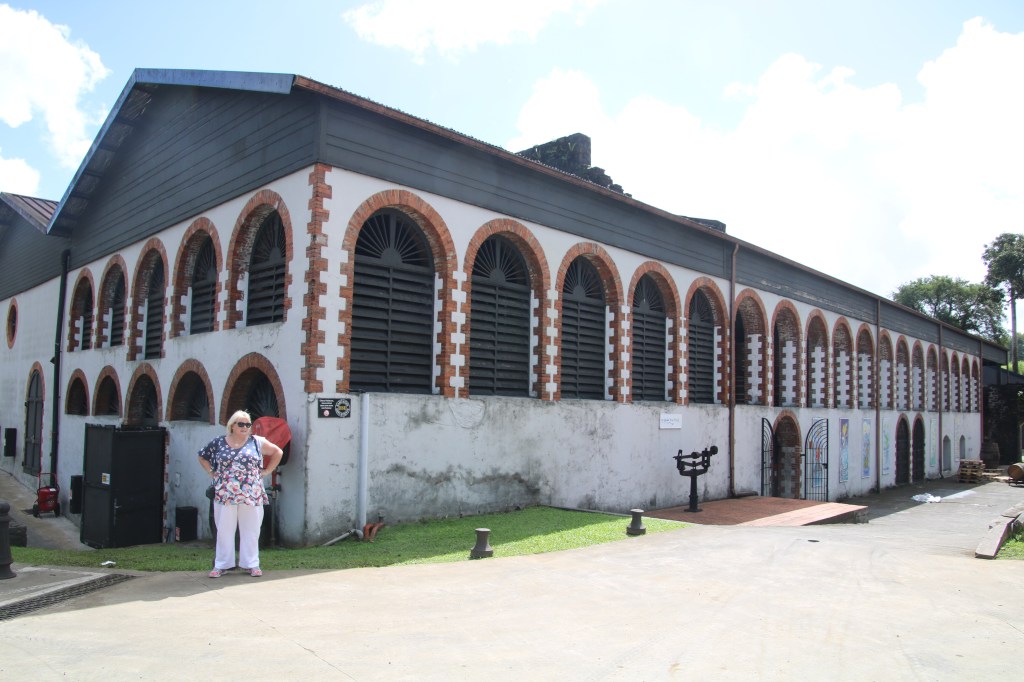
We stopped at a Rum Distillery  and tasted some of the islands rums. They are known as some of the best rums in the world on the island of Martinique. Many have been bestowed with the Appellation d’Origine Contrôlée (AOC) award.

We continued our sightseeing on the way back to the Cruise Ship.

Bonaire, Caribbean- BEEN THERE GOT THE T-SHIRT

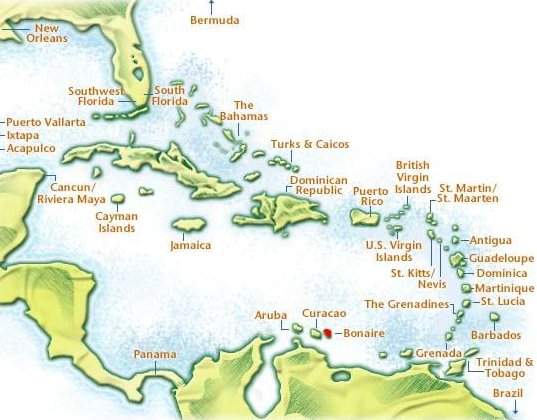
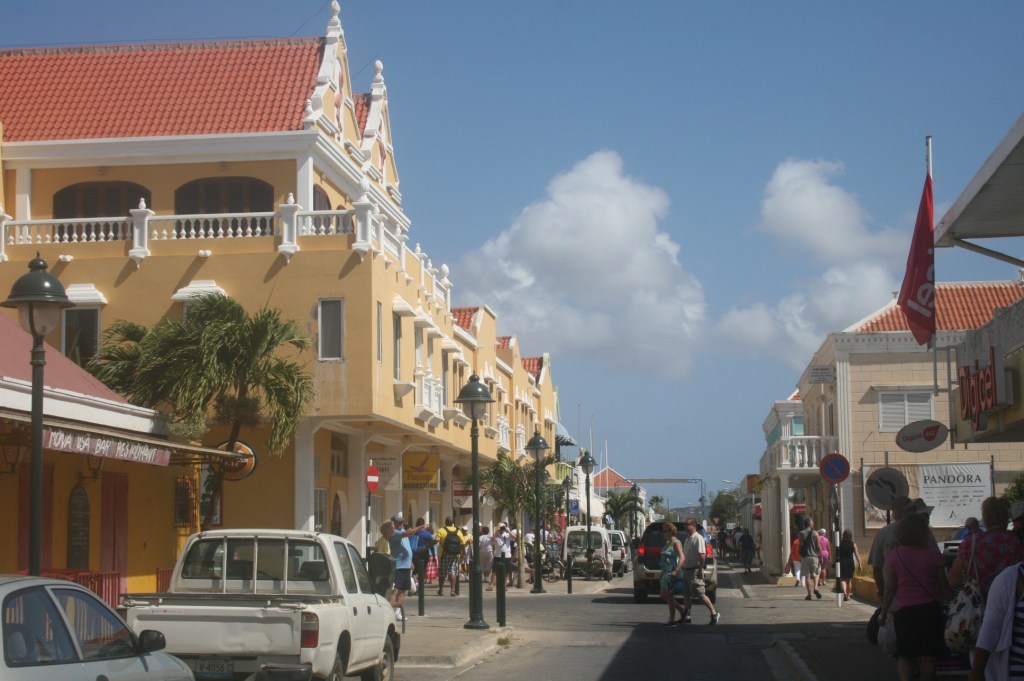
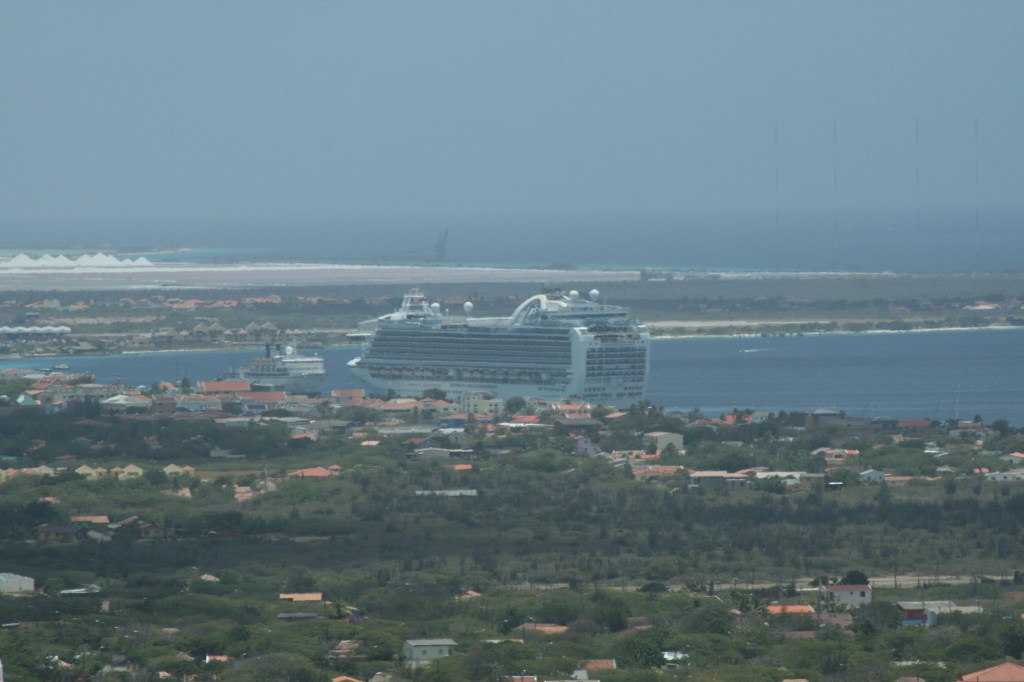
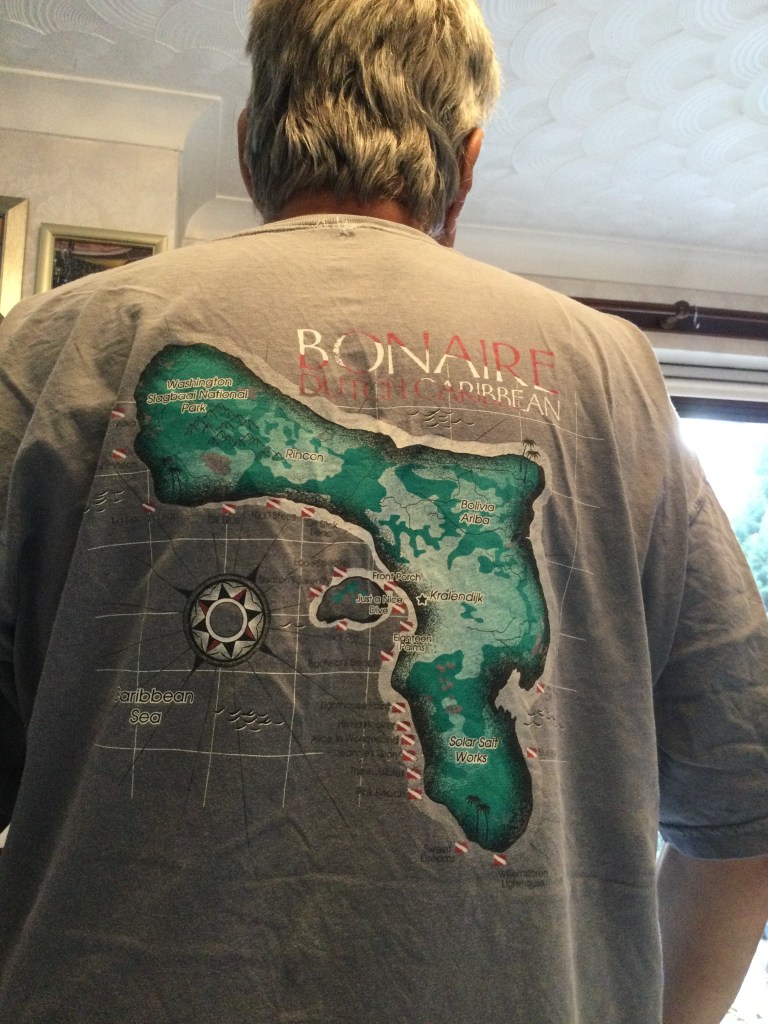
Bonaire is a Caribbean island which forms part of the ABC islands. Aruba, Bonaire and Curaçao are three islands closely located which are all special municipality’s within the Kingdom of the Netherlands in the western most group of the long arc of Islands, known as the  Lesser Antilles in the Caribbean Sea.

Bonaire lies 50 miles (80 km) north of the Venezuelan coast and 20 miles (32 km) east of Curaçao. The capital is Kralendijk.

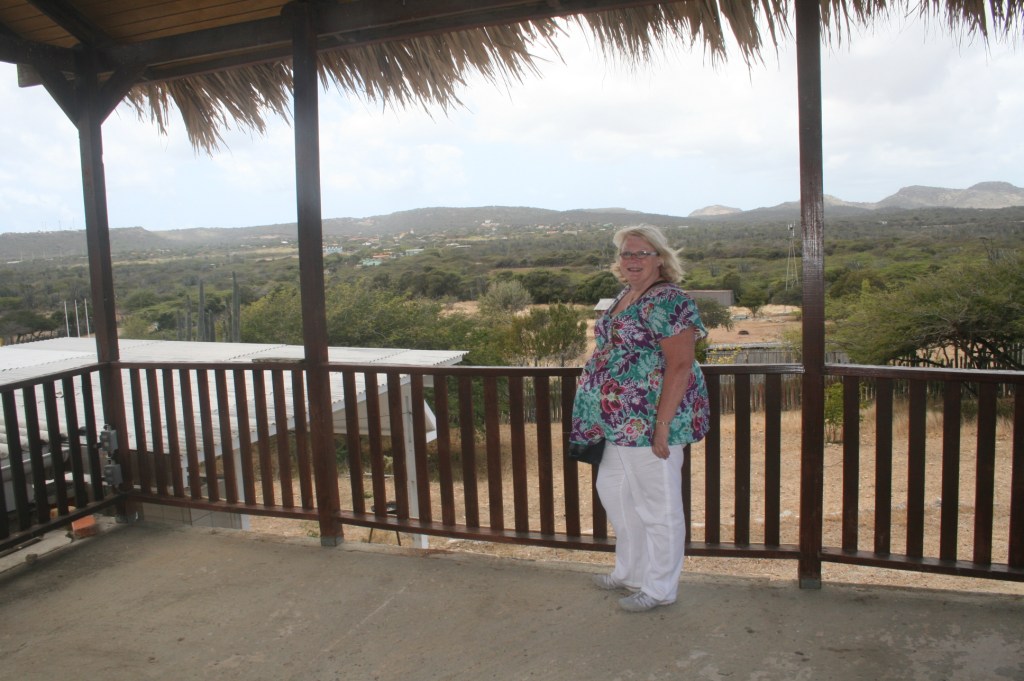
The northern part is hilly, with a peak, Brandaris, 787 feet (240 metres) high, while the southern part is flat, with desert like vegetation.

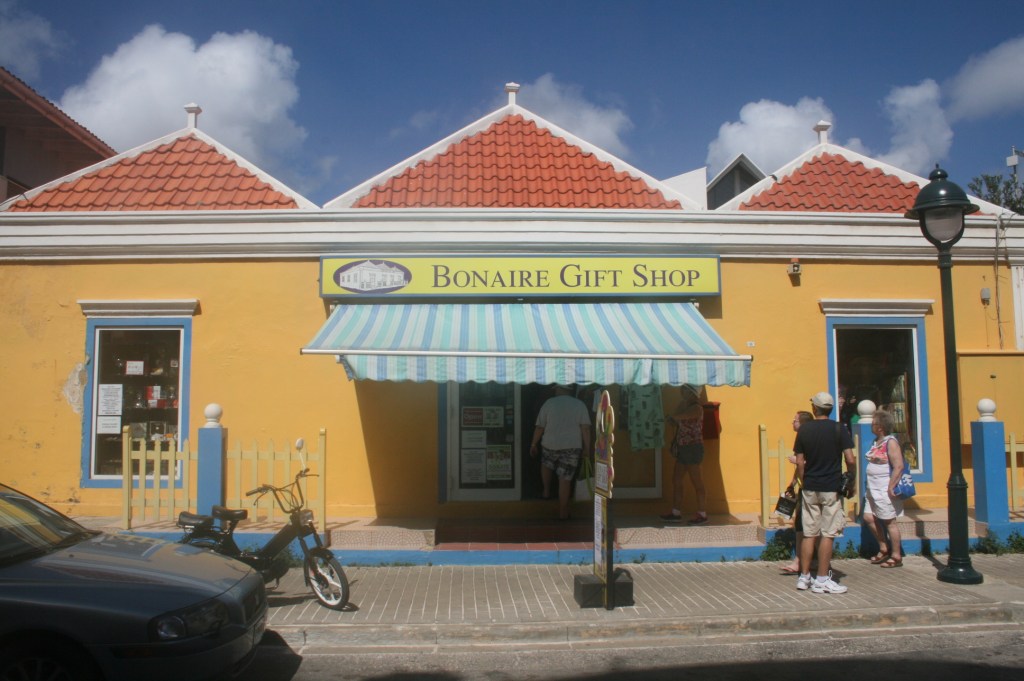
We have cruised into Bonaire on numerous occasions. However they have recently introduced a US$75 per person visitor tax so less cruise ships are stopping at this delightful island. This is perhaps why the tax has been introduced as some Caribbean Islands dislike the influx of thousands of tourists who arrive by cruise ship and spend very little of the much needed foreign exchange, which boosts their economy. They are perhaps trying to encourage the single destination holiday maker who stays in their hotels, eats in their restaurants and gets a greater understanding of the eco-systems they are trying hard to protect.
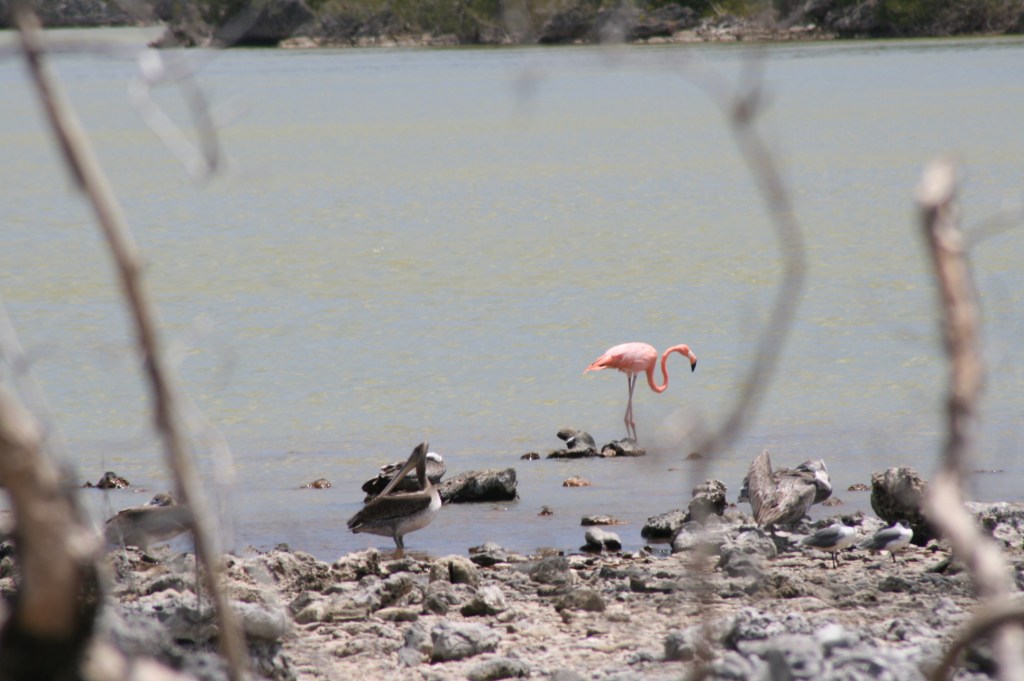
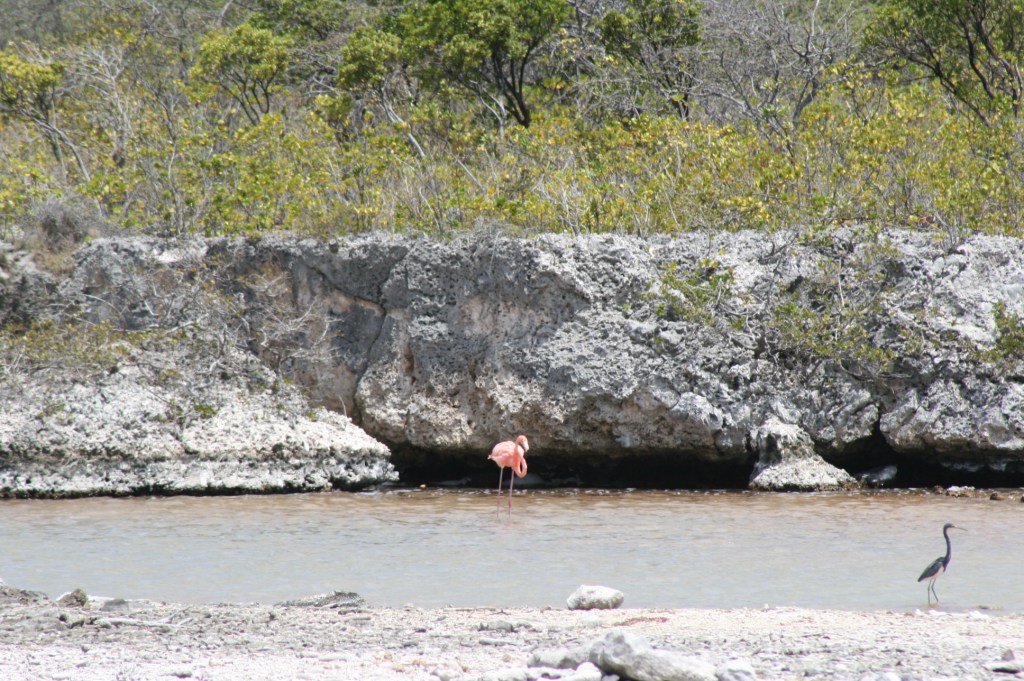
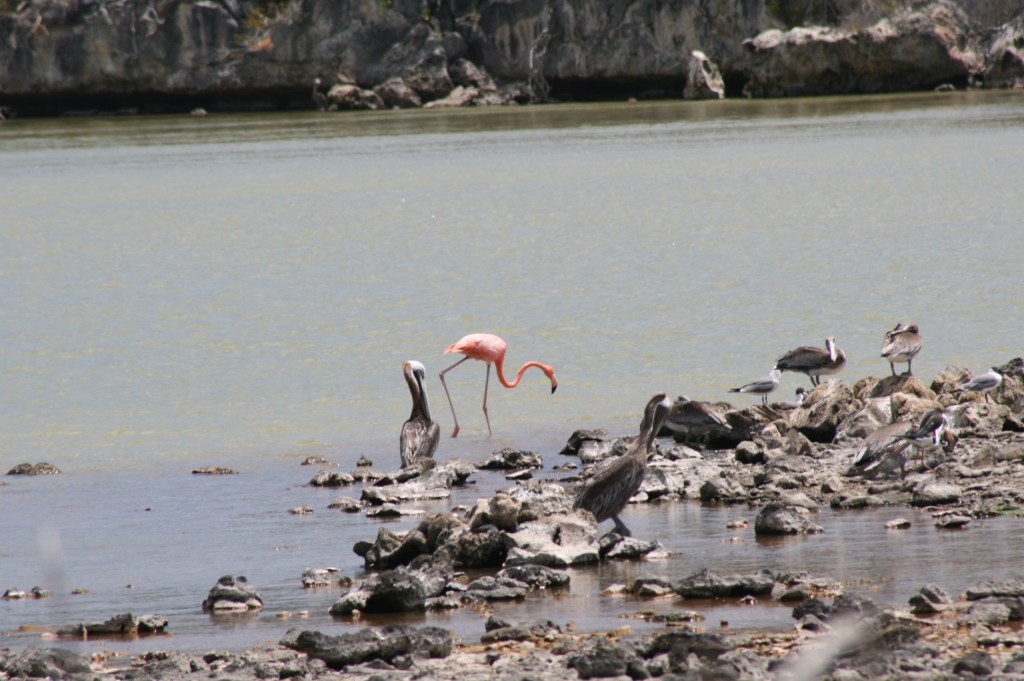
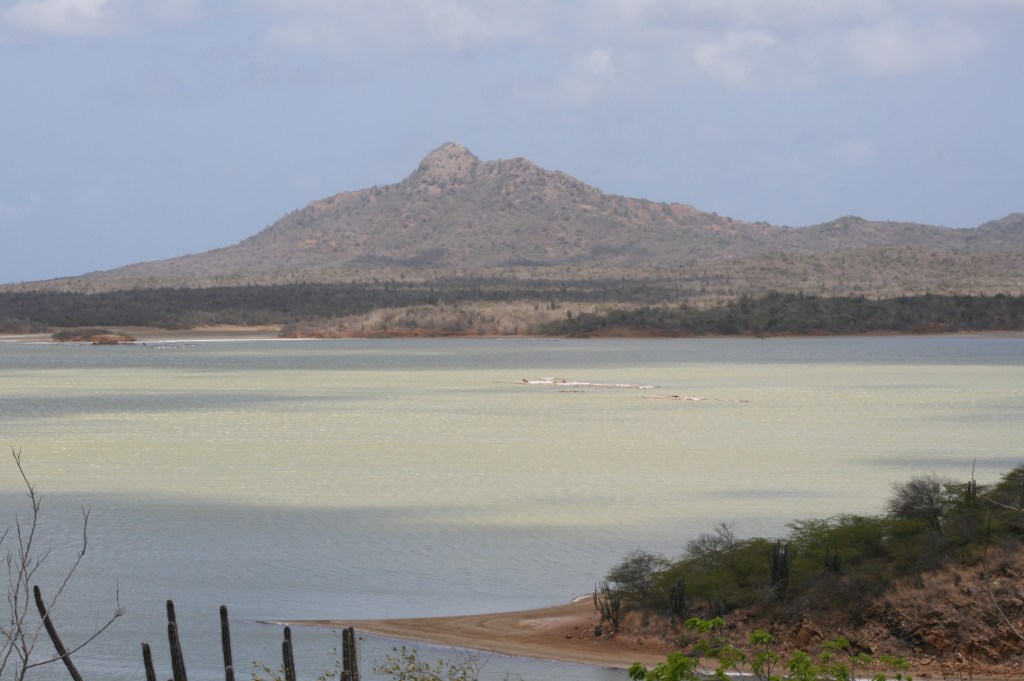
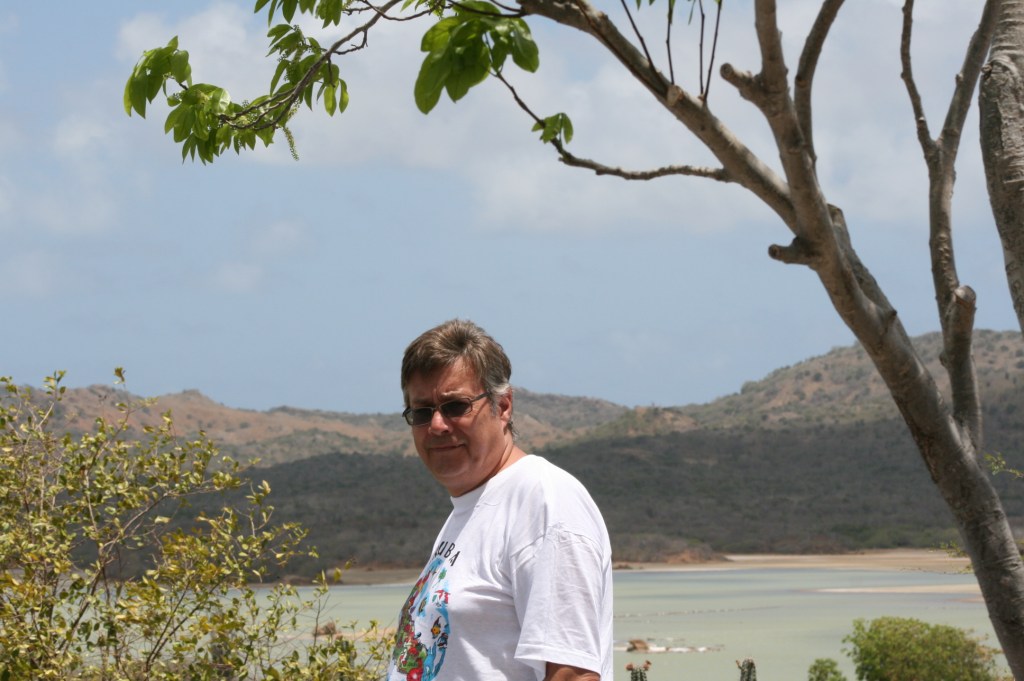
There is lots to do and see on Bonaire and our trips have included visiting Goto Lake. This used to be a well known area for large flamboyances of flamingo. However every time we have visited there have only been a couple and the main Flamboyance have now made Pink Brine Lake their home. Goto lake is still a charming, picturesque place to visit.
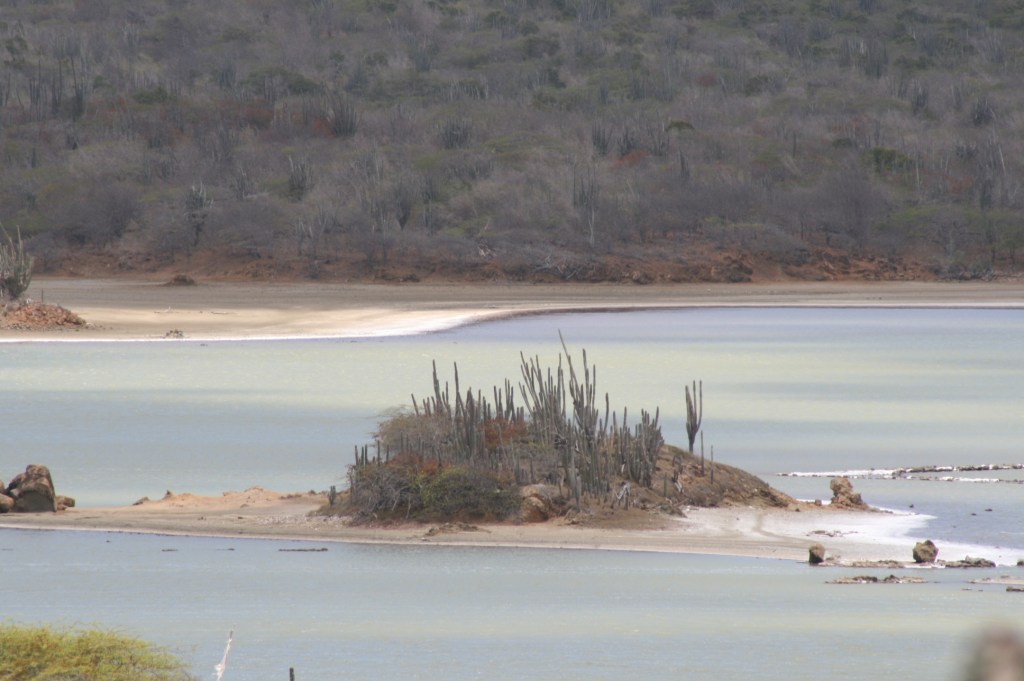
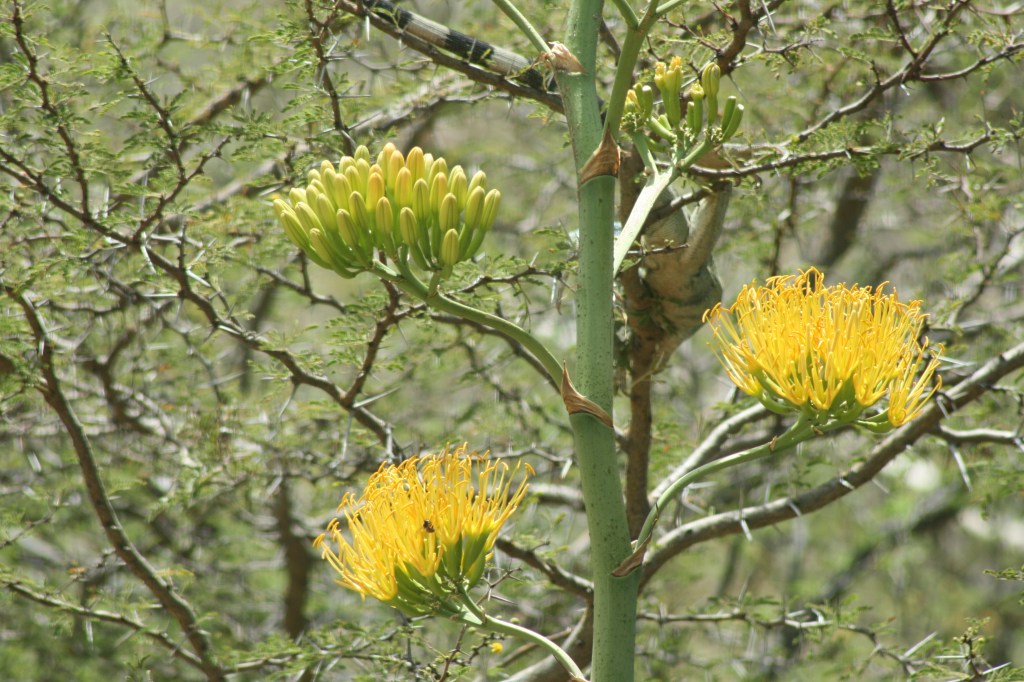
The island grows a lot of cactus. In the centre of Rincon The Cadushy Distillery can be found. It makes a unique Cactus liqueur which has won awards and has created another tourist destination.

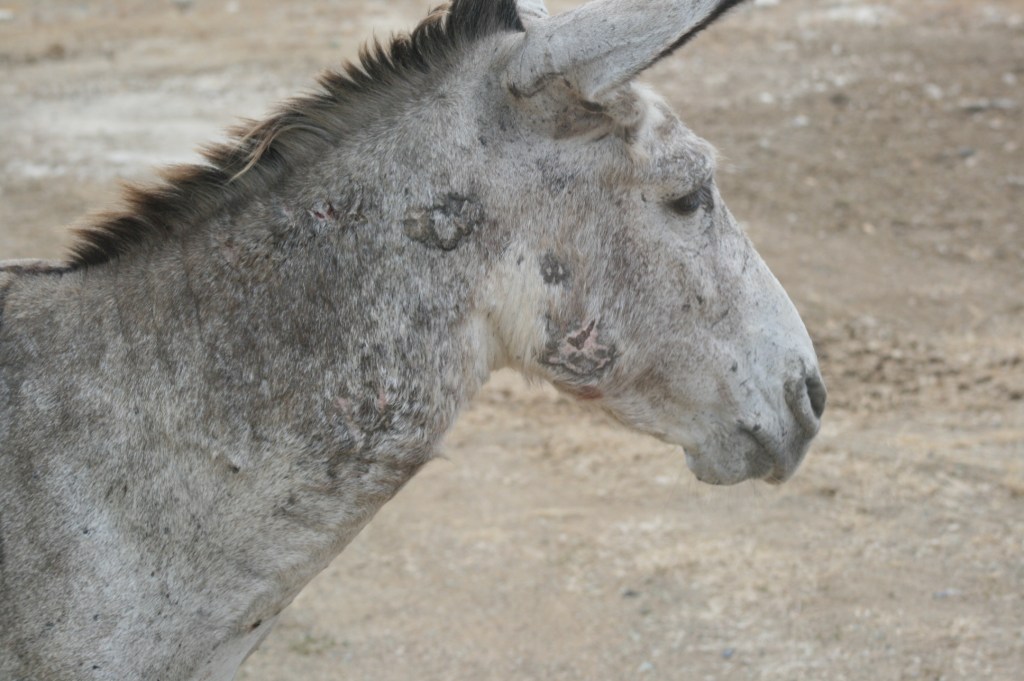
During our tour we saw several wild donkeys. These were originally used for labour by the Spanish, who brought them over with them, in the 17th Century. As modern technology took over these animals were no longer required and left to roam wild. there is a Donkey Sanctuary on Bonaire which also attracts tourists.

We have thoroughly enjoyed touring around Bonaire and seeing its many varied sights.

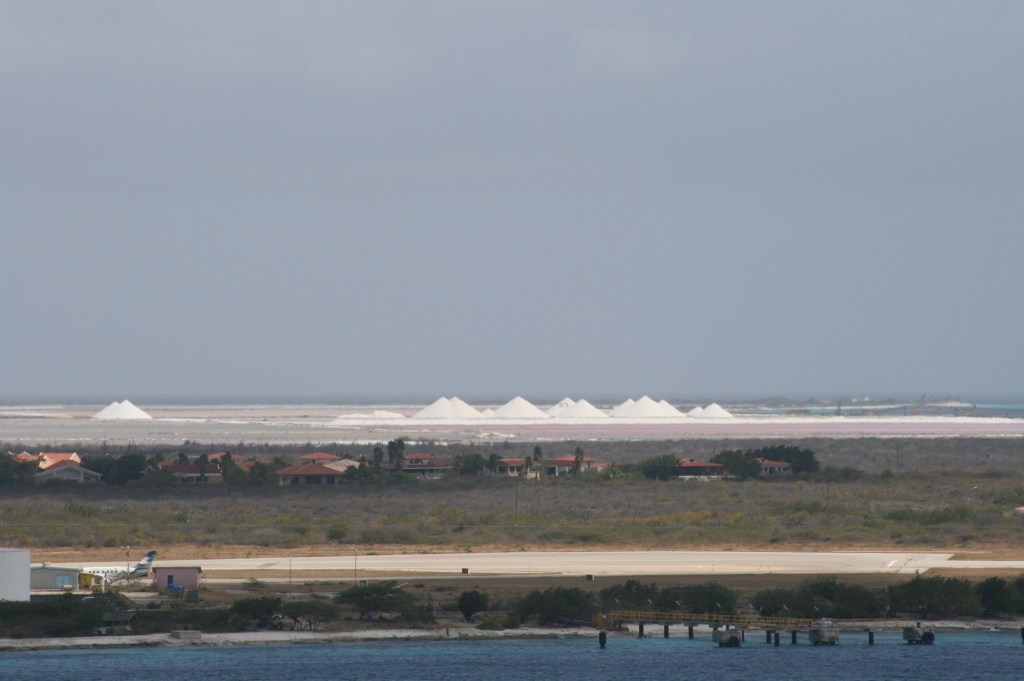
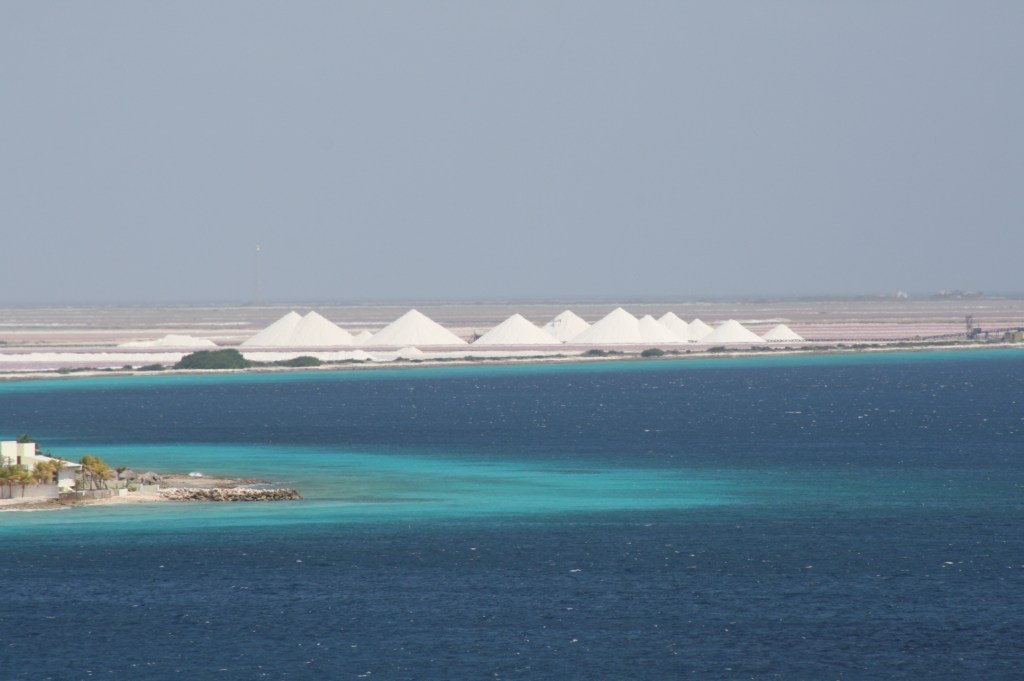
On leaving the Island by Cruise ship you get a great view of the salt pans and the piles of extracted salt. Since the Dutch gained power in the 17th Century, salt has been an important export. The extraction declined at the end of slavery. Today it is once again in full production after the industry was revived by Cargill’s a Canadian company.

Screenshot

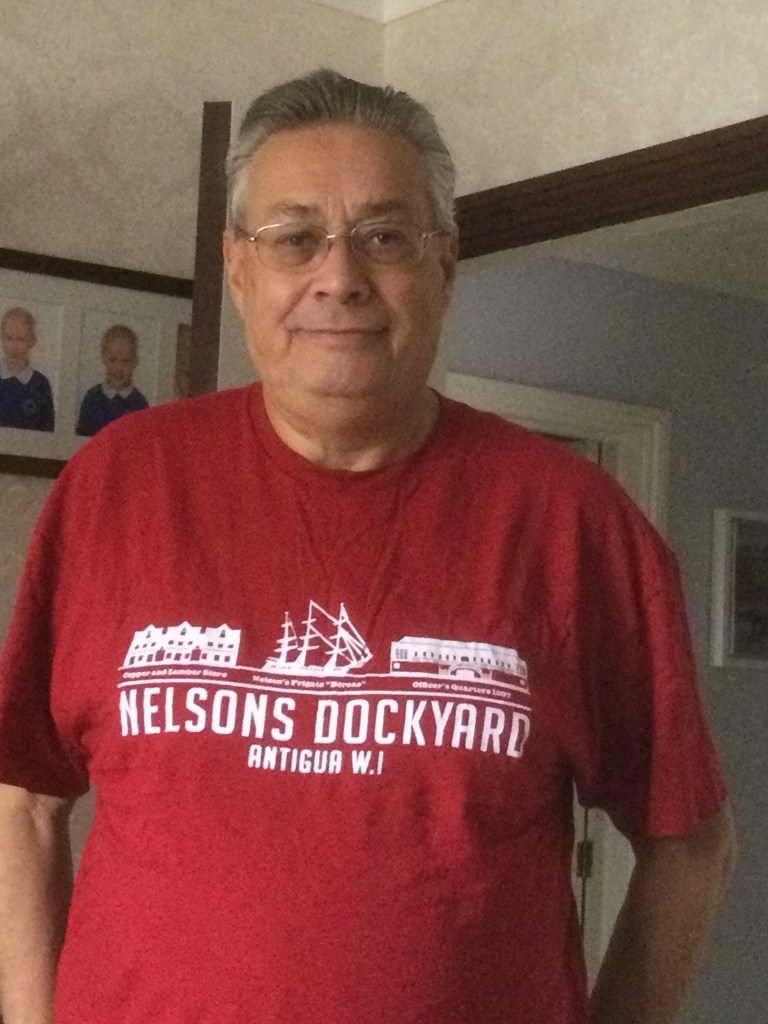
Antigua – BEEN THERE GOT THE T-SHIRT

Antigua

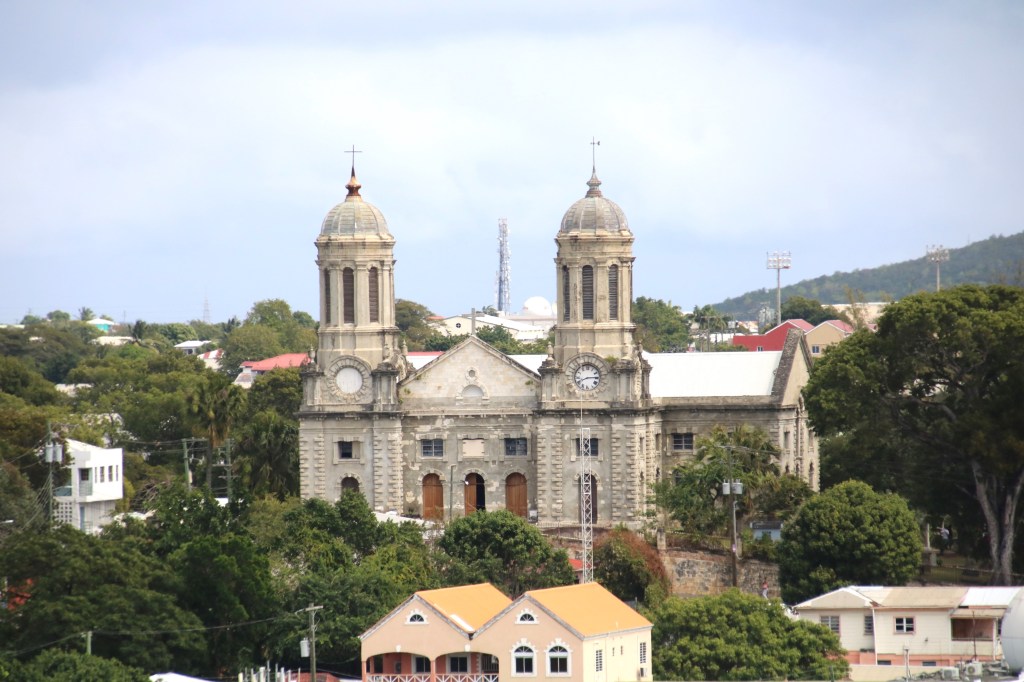
The Caribbean island of Antigua is one of the Leeward Islands and, together with the neighbouring island of Barbuda, is home to around 100,000 people. Its capital, St. John’s, on the northwest corner of the island, has a deep harbour and is a popular calling point for cruise ships. It has wonderful beaches – and there are said to be 365 of them, one for each day of the year, making it one of the area’s most popular tourist destinations in the Caribbean.
Having said that a lot of the American cruise ships don’t go there, it’s quite ‘British’ and the Americans tend to prefer to cruise to their own islands. We visited on a cruise in 2023.

It was Jenny’s first time visiting Antigua, where as I had been several times many, many years ago. Jenny was ultra excited. We’ve cruised the Caribbean many times and this is only the second time Antigua had been on our itinerary. On the previous occasion it was dropped from the itinerary due to the ship having engine trouble, Jenny had been very disappointed. So on this occasion we were fortunate to be able to sightsee the island. Strangely enough it’s on our itinerary again when we visit later this year..a Celebratory Cruise for our 10th Wedding Anniversary.

Since 1981, Antigua and Barbuda has been an independent state, although it remains within the Commonwealth of Nations. 

Not surprisingly, the island has produced many fine cricketers representing the West Indies including Curtly Ambrose, whose mother used to ring a bell at her front door every time her son took a wicket! For me, though, he is eclipsed (just) by one of my alltime boyhood heroes, Sir Vivian Richards.   

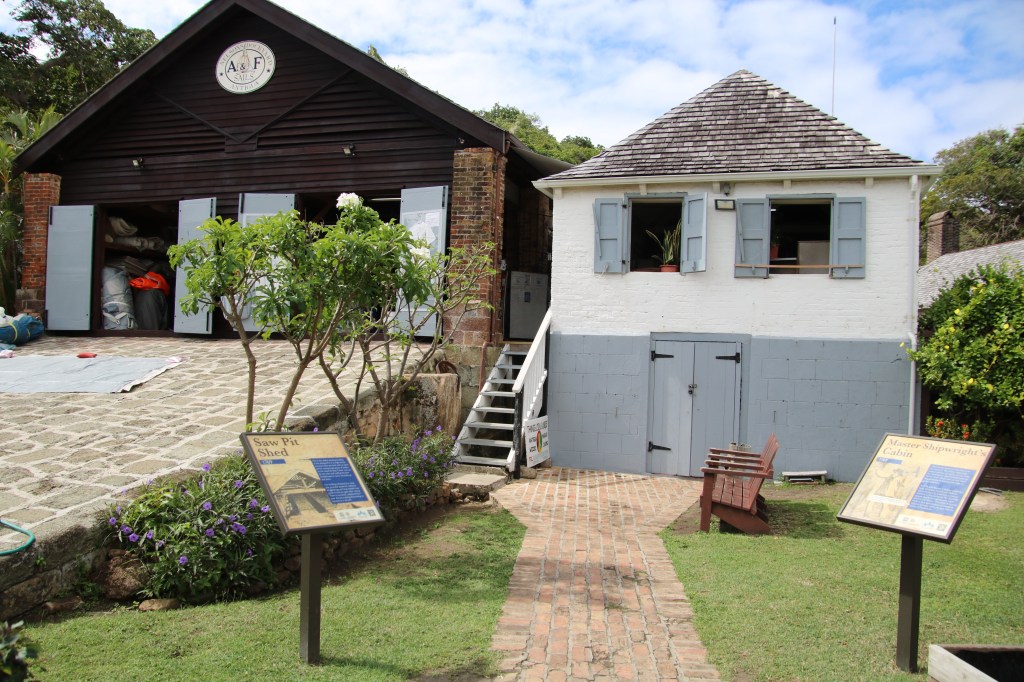
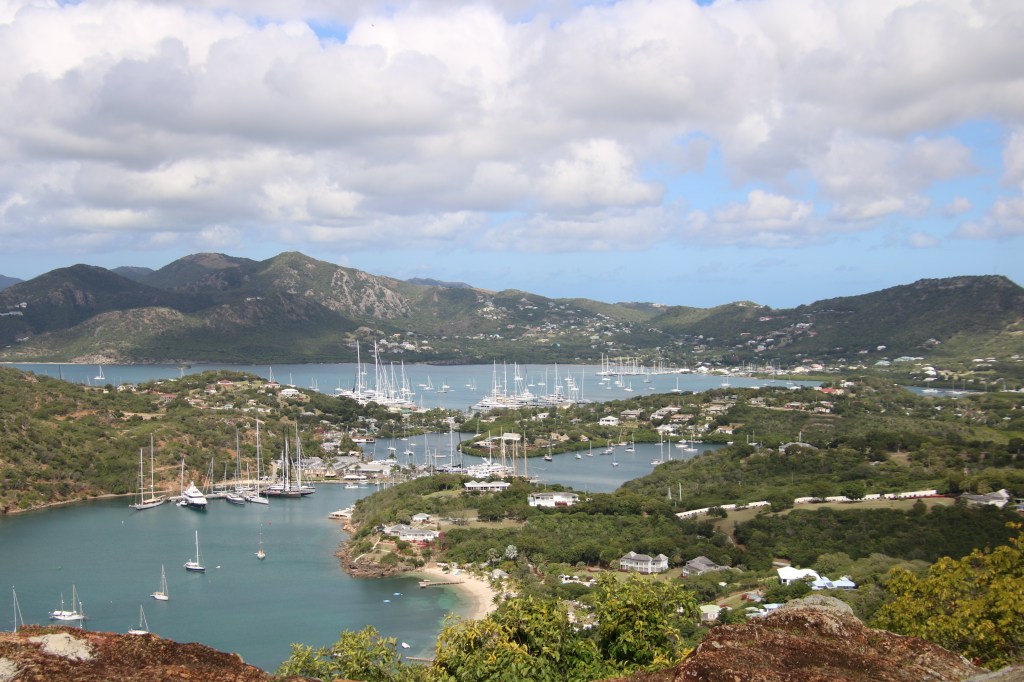
To the southeast of the island is English Harbour, home to the UNESCO site now referred to as Nelson’s Dockyard in recognition of Lord Hortaio Nelson’s time here as Senior Naval Officer of the Leeward Islands.

The dockyard is a popular attraction today, having been carefully restored and preserved reflecting life here 250 years ago. It is one of the deepest, protected harbours in the Eastern Caribbean Sea.

A popular view point is Shirley Heights. From here you get magnificent views of the beautiful surrounding area.