New Forest – Day 3 -September 29th 2024

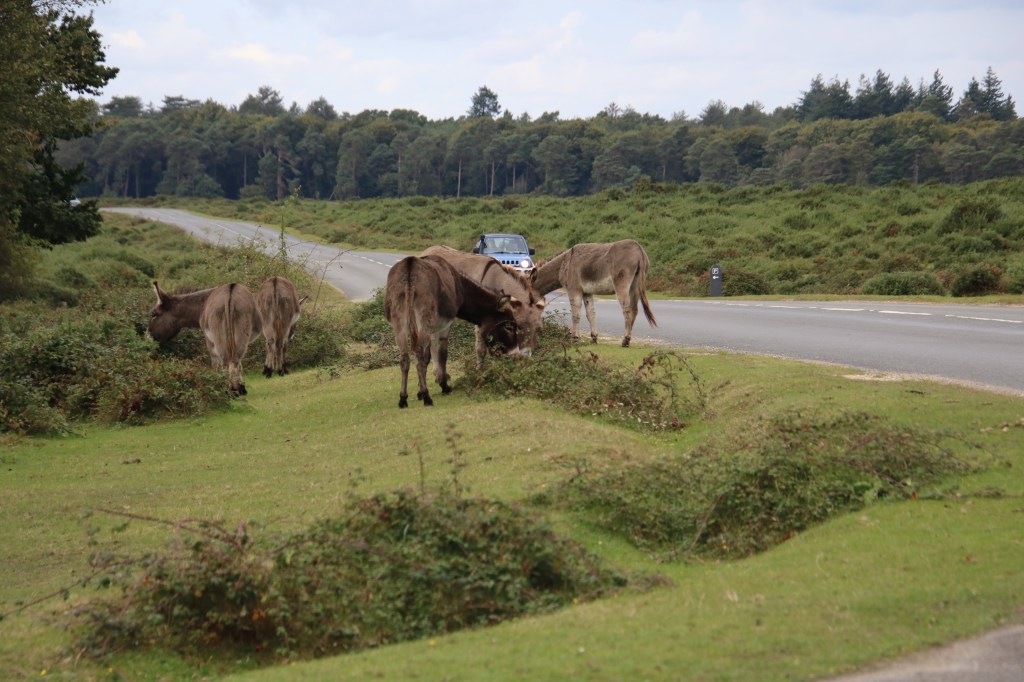
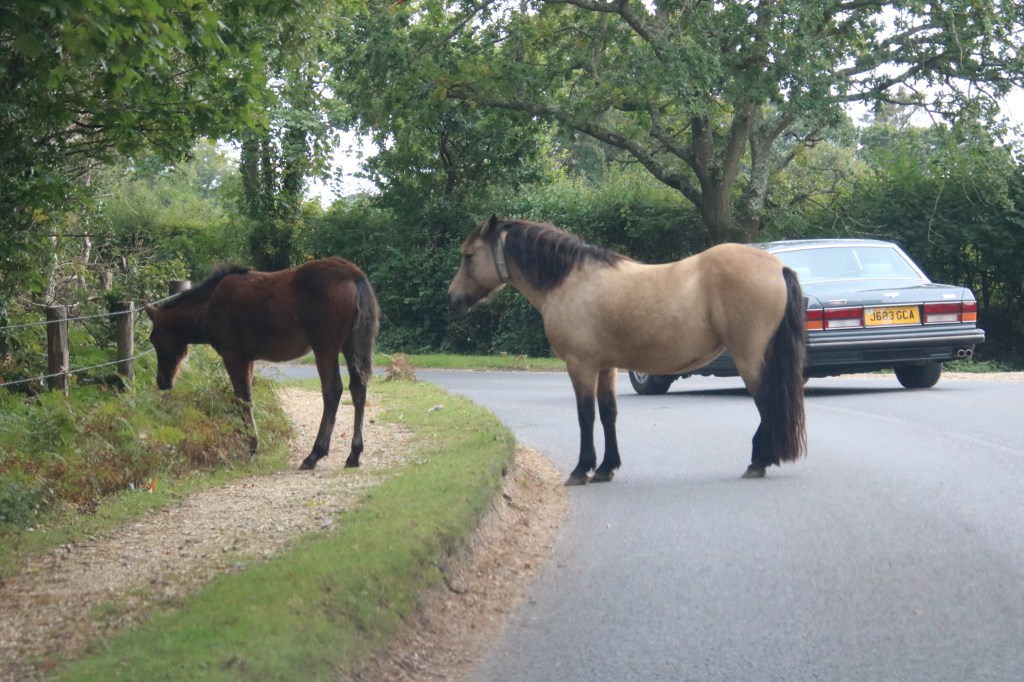
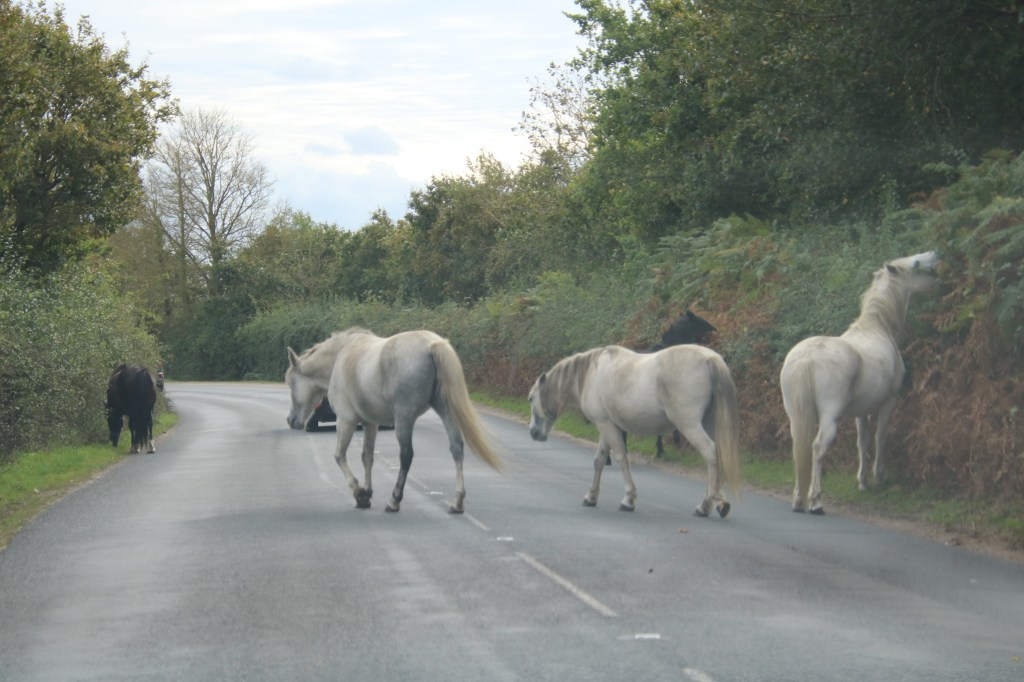
Today the sky was grey and overcast…the sun had a struggle to even occasionally shine, and there wasn’t enough blue to make a pocket handkerchief let alone a sailor’s suit!!! We set off positively and took the New Forest route across the moors. We were surprised to see most of the National Parks car parks closed and large police signs saying ‘Slow, Pony Round-up’. Each year, the ponies are rounded up in what are called drifts. Over thirty of these drifts take place during the summer and autumn each year giving the ponies owners, the commoners, a chance to check the health of their animals and wean and handle the foals. So we preceded slowly with due caution.
We were heading to the coast.

Our first sight of the sea was a. drive by at Lepe Country Park…we had a beautiful clear views across to the Isle of Wight.
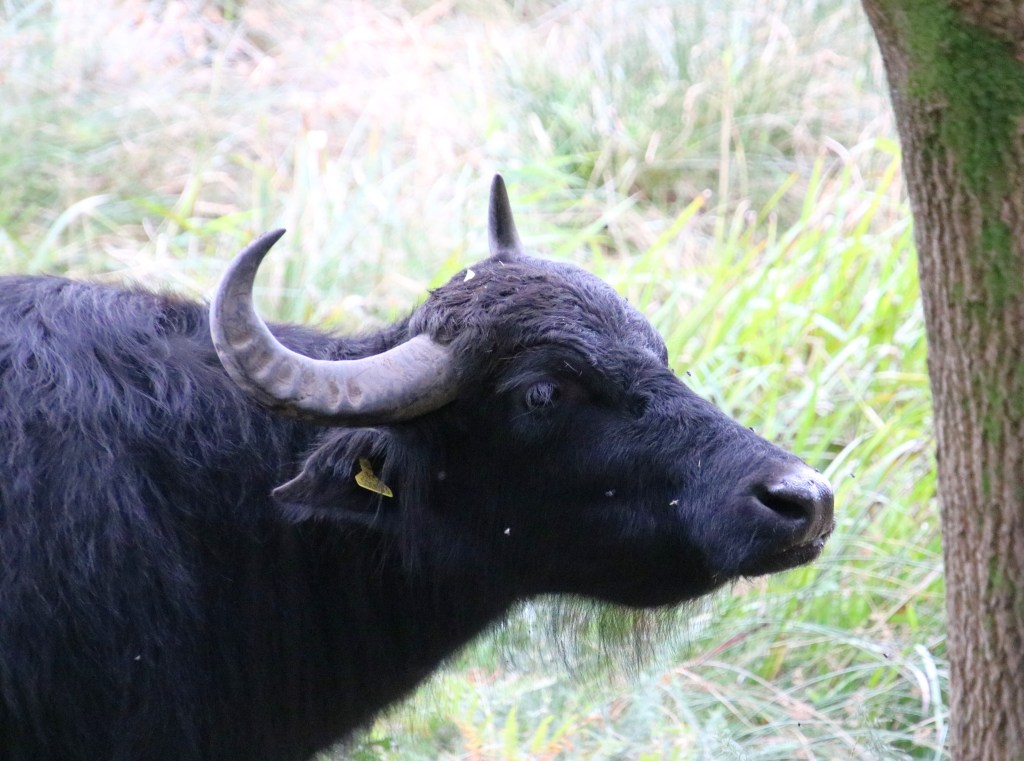
We continued across the back roads along a lane, Stanswood Road, we’ve travelled before. Several years ago we had seen some water buffaloes in the marsh land. But in more recent years we had concluded that they were no longer resident…we were wrong…much to our delight we spied two of them, happily grazing…

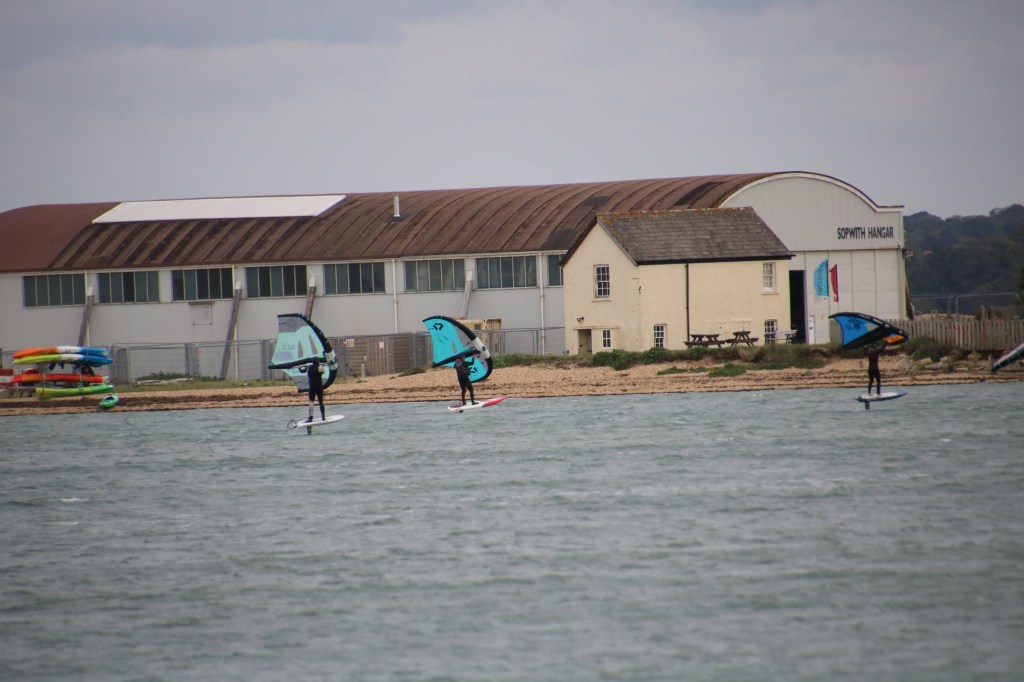
Continuing on we headed to Calshot, which is situated on the spit on the west corner of Southampton Water. We passed the wonderfully colourful backs of the long row of beach huts. The carpark on the right overlooks the main sea, in which ferries, a barge carrying a wind turbine blade, sail boats, yachts were all going about their business. A very busy shipping area always good for whiling away an hour or so. However, today on the other side of the spit, in the slightly shielded inlet there was wind surfing and wing foiling taking place from Calshot Activity centre, which is on the tip of the headland. As windsurfing was a sport I competed in, during my 20’s , I am always fascinated to see others enjoying the adrenaline rush of a fast run. It was here we decided to have our coffee today.
Calshot always brings back very fond memories. As a 17/18 year old I was offered a free place for a week at the activity centre if I stayed an extra week and helped as a carer for a group of disabled children. So it was home for two weeks and I had a fantastic time, learning to sail ( badly), canoeing, rock climbing, dry slope skiing, cycling in the cycle dome and many other great activities. I also thoroughly enjoyed helping children who were quite severely disabled to have fun and learn new activities. Their shear joy when they achieved something new has stayed with me for 45 years.

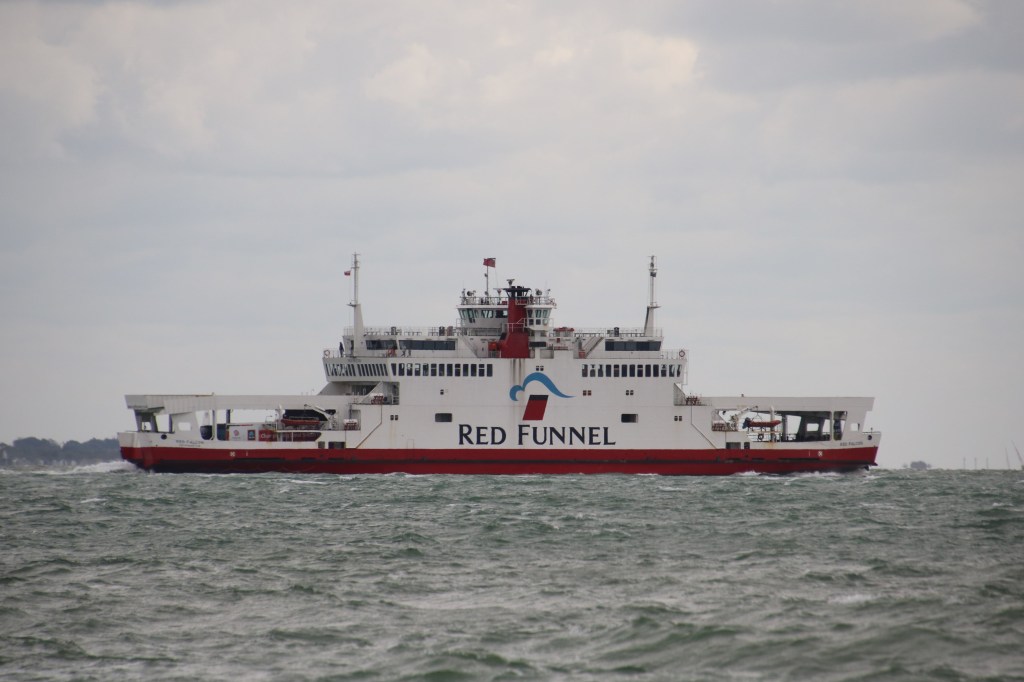
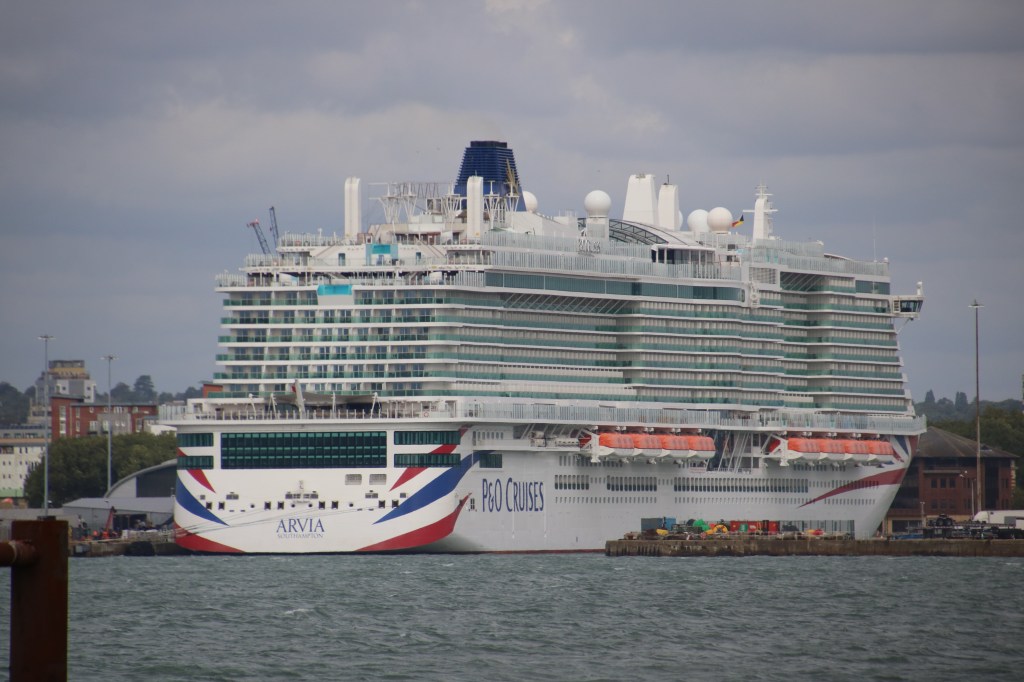
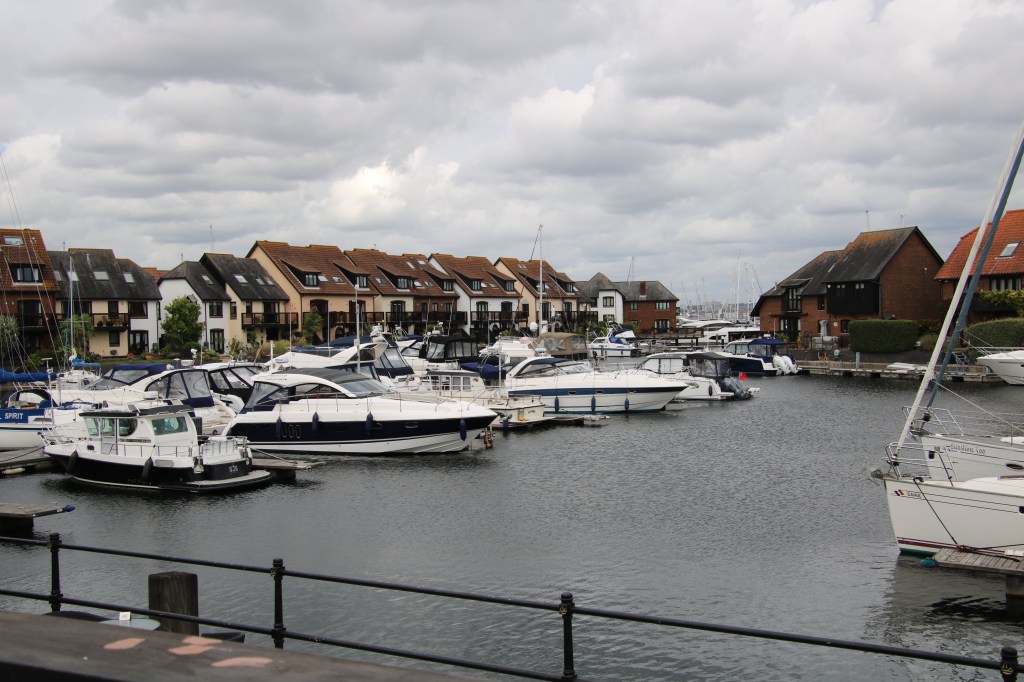
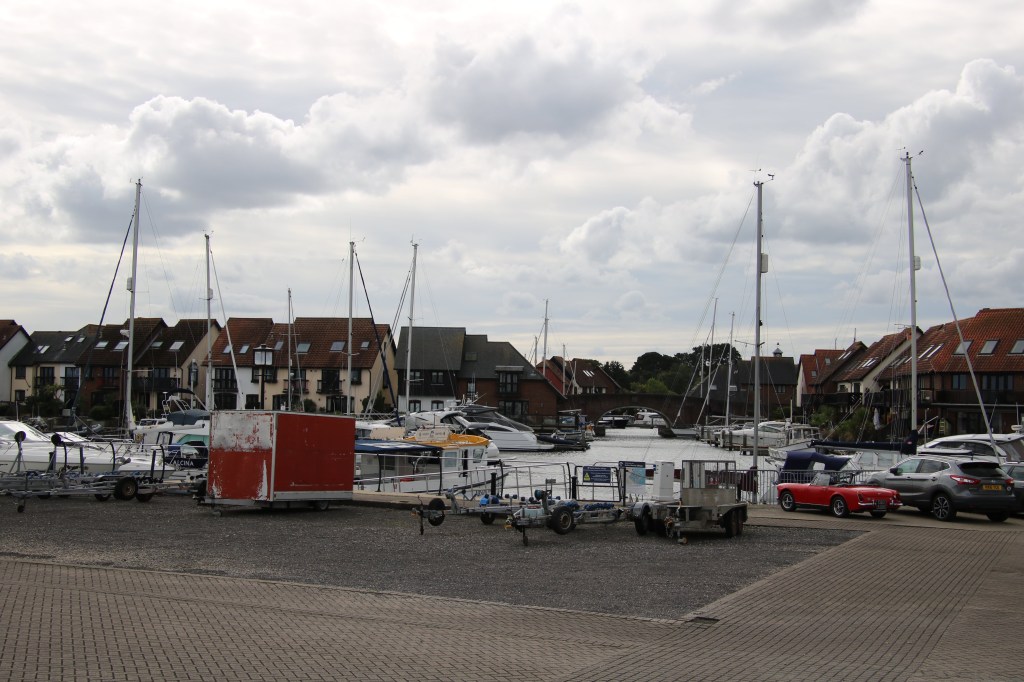
We continued on to Hythe. The marina is a favourite spot of ours. Dad and Mum used to spend hours sat watching the activity of the Southampton Docks, from across the water. We have inherited their love for this spot and we regularly visit it. Today there were 3 cruise ships in the different docks, several ferries came and went, sail boats cruised in and we even watched a ‘Rubber Duck’ leave from the marina and battle it’s way through the very choppy water, across to almost the Southampton side prior to turning around and coming back…. It was a great place to have our picnic lunch…we did take a stroll but the wind was strong and with dad grabbing his cap, John and I pulling our collars over our ears we made a speedy retreat to the car…. brrrrr…better in than out today.

We traversed back across the New Forest, held up again by ‘ponies on the road’ …such a lovely sight… We had only been back at the house a short time when the rain began to come down….so a good dry day for us with lots of lovely sightseeing.
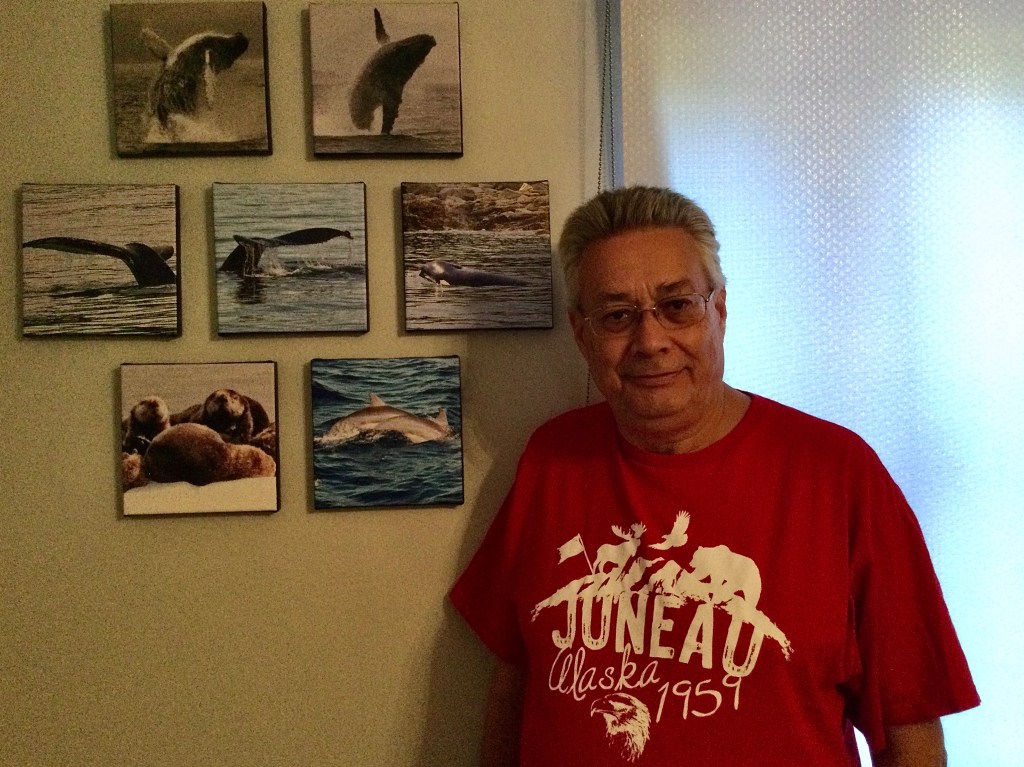
Alaska – Juneau – BEEN THERE GOT THE T-SHIRT

Been there got the t-shirt

The delightful town of Juneau is the official capital of the USA State of Alaska. It is situated on the Gastineau Channel …an area Cruisers call the inside passage. It is both a coastal and a mountain town which is rich in both culture and wildlife.

It was named in 1881, after gold prospector Joe Juneau and it became the designated  capital of Alaska in 1906. It covers an area of 3,255sq miles, of which only 14sq miles are inhabited by approx 32,400 people.

One of Juneaus unique features is that you can not drive to it. The rugged mountain ranges surrounding Juneau make it impossible to access by road. People either fly in, arrive by ferry or like many visitors arrive by cruise ship. 

We have been fortunate to visit Juneau on many different occasions. This has meant we have visited most of its attractions :- 

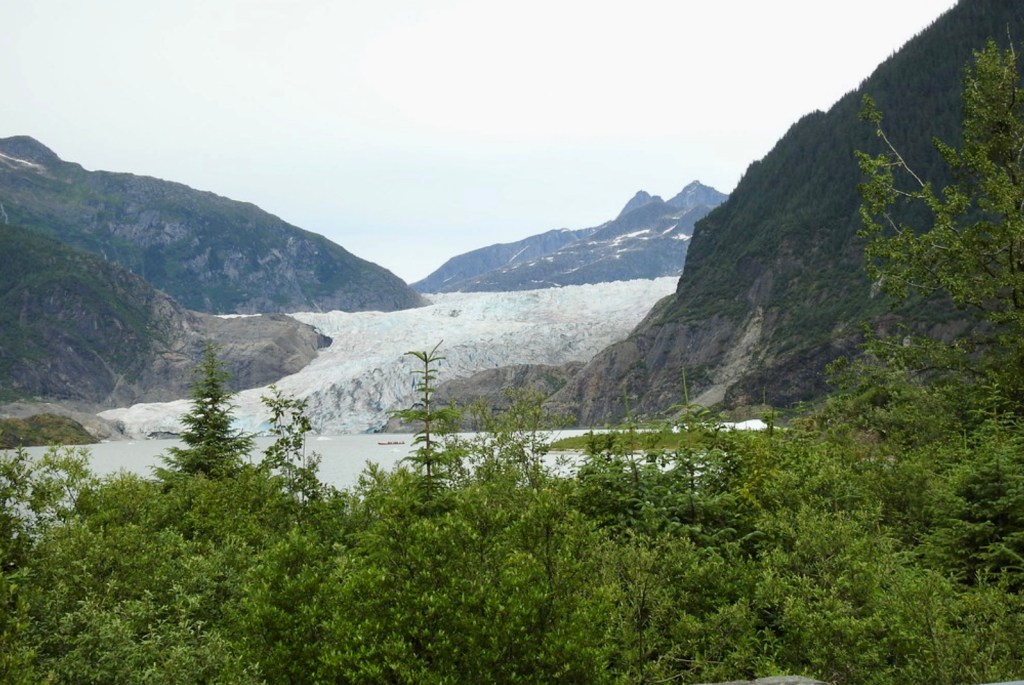
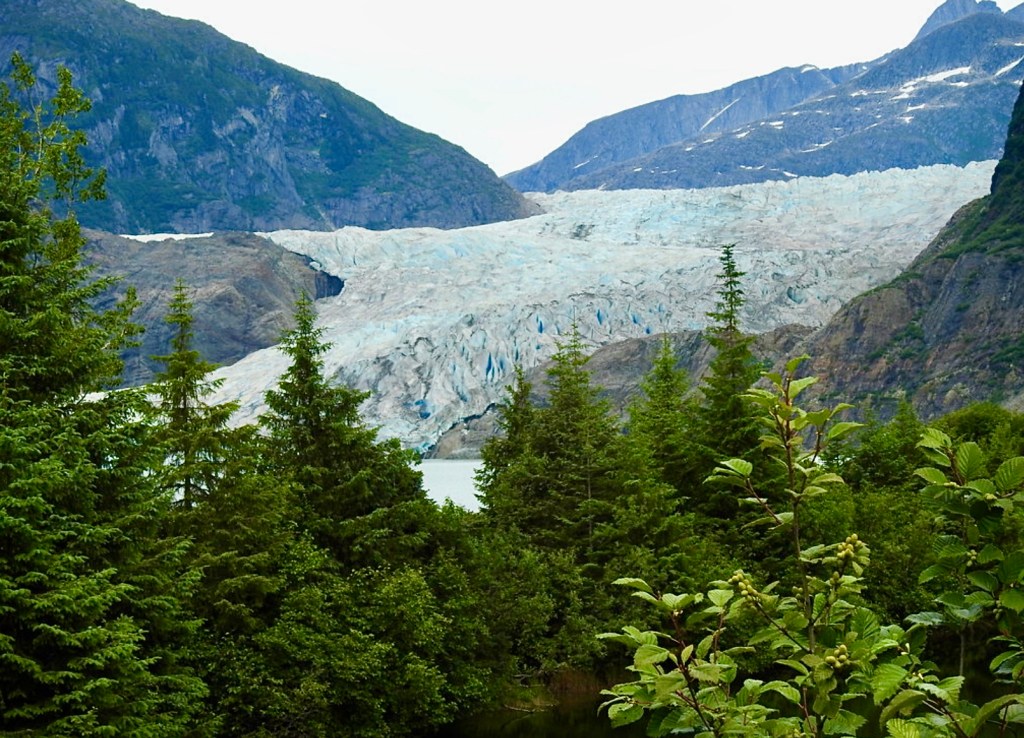
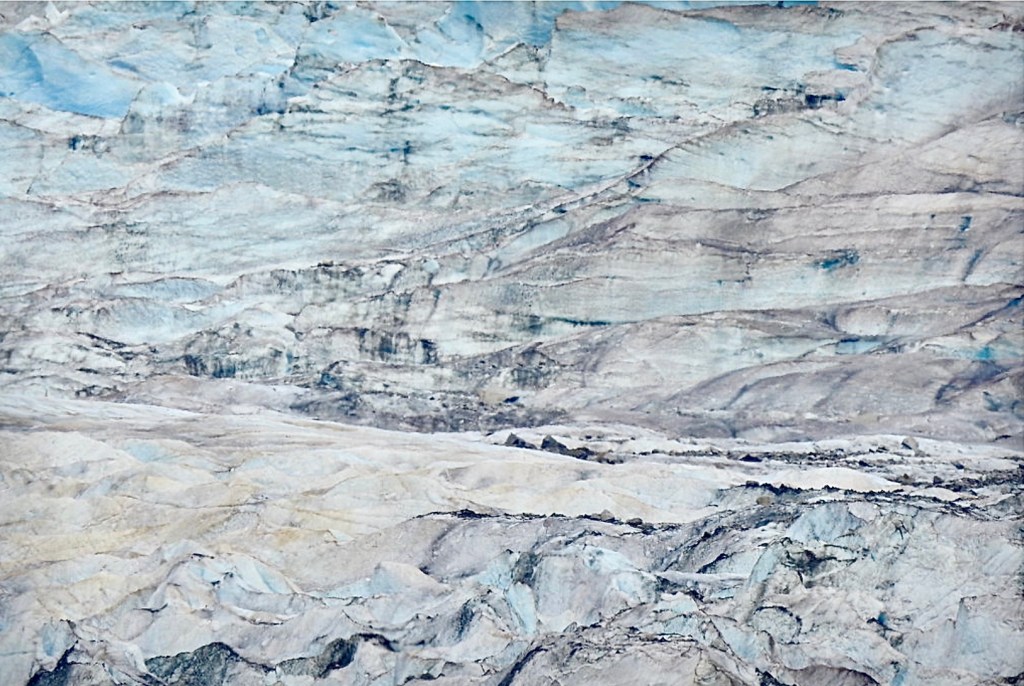
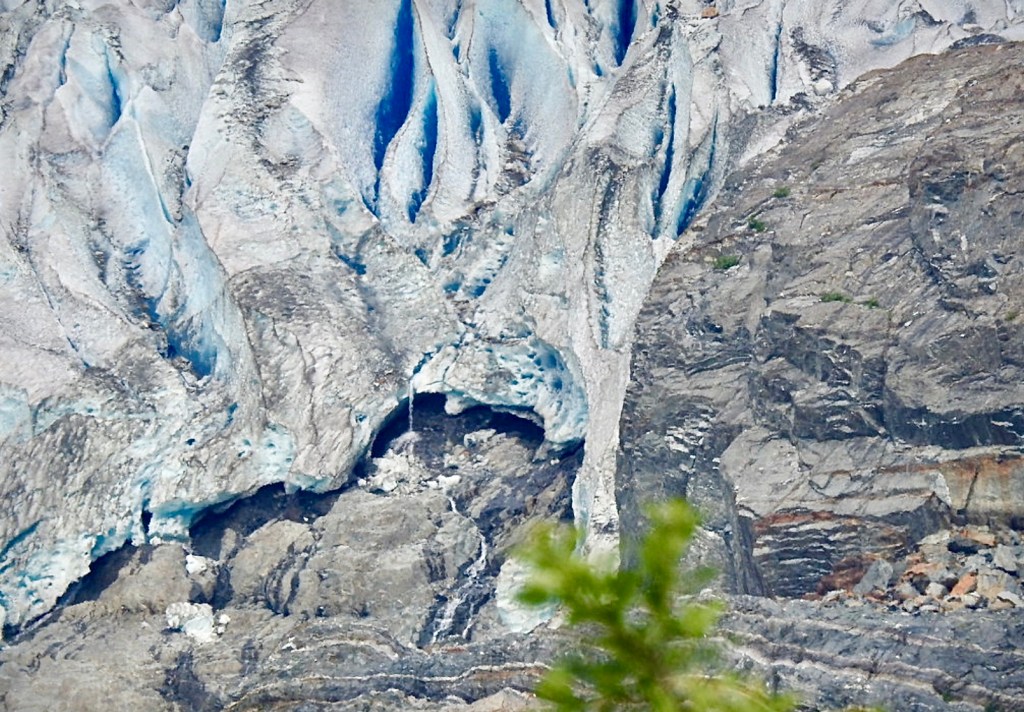
The beautiful Mendenhall Glacier is only 12 miles from the centre of Juneau and is a very popular attraction. Visitors  enjoy a variety of activities here including hiking, wildlife viewing, and exploring the Mendenhall Glacier Visitor Center. On one occasion when we visited the UK BBC had just finished filming bears during the salmon spawning season from the raised wooden walkway along the river at the foot of the glacier. Lots of people choose to glacier walk here. We, however, like walking the wooden platforms looking for bears. We’ve been lucky a couple of times and even luckier to see a porcupine rattle past us. 

The Mount Roberts Tramway is another visitor attraction. Although there is usually a long queue it moves quickly and it never seems crowded at the top . The tramway is a quick and scenic ride to the top of Mount Roberts, from here you can enjoy panoramic views of Juneau and the surrounding area.

The Salmon Hatchery is extremely interesting. You learn all about Alaska’s important salmon industry, the 5 different types of Salmon and you get to see salmon up close.

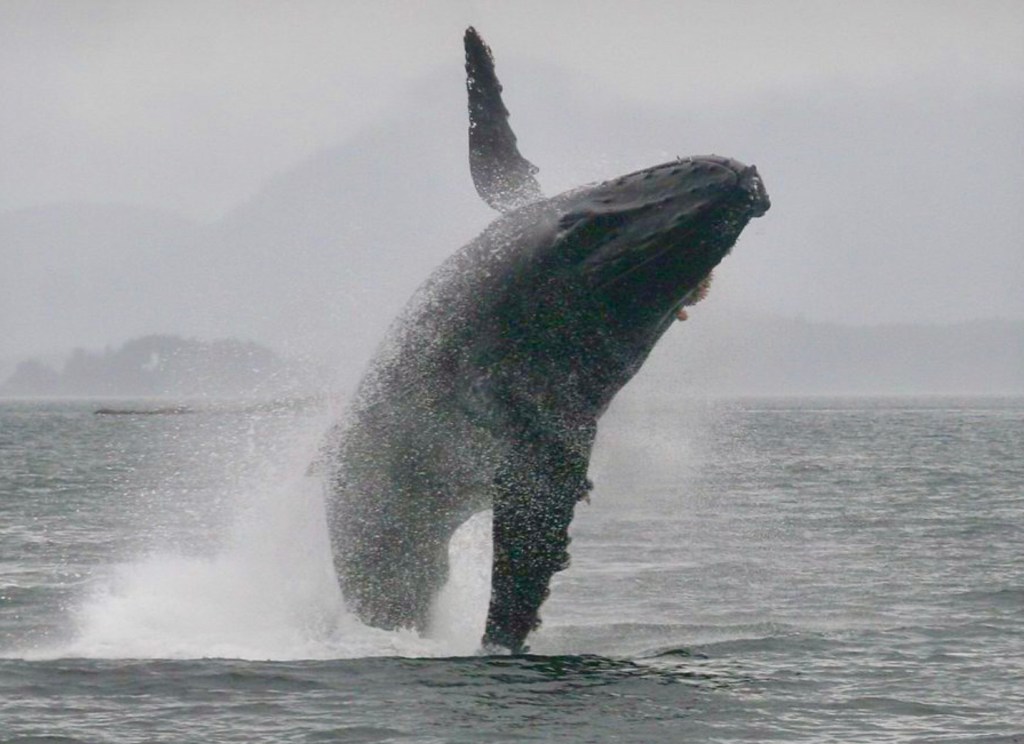
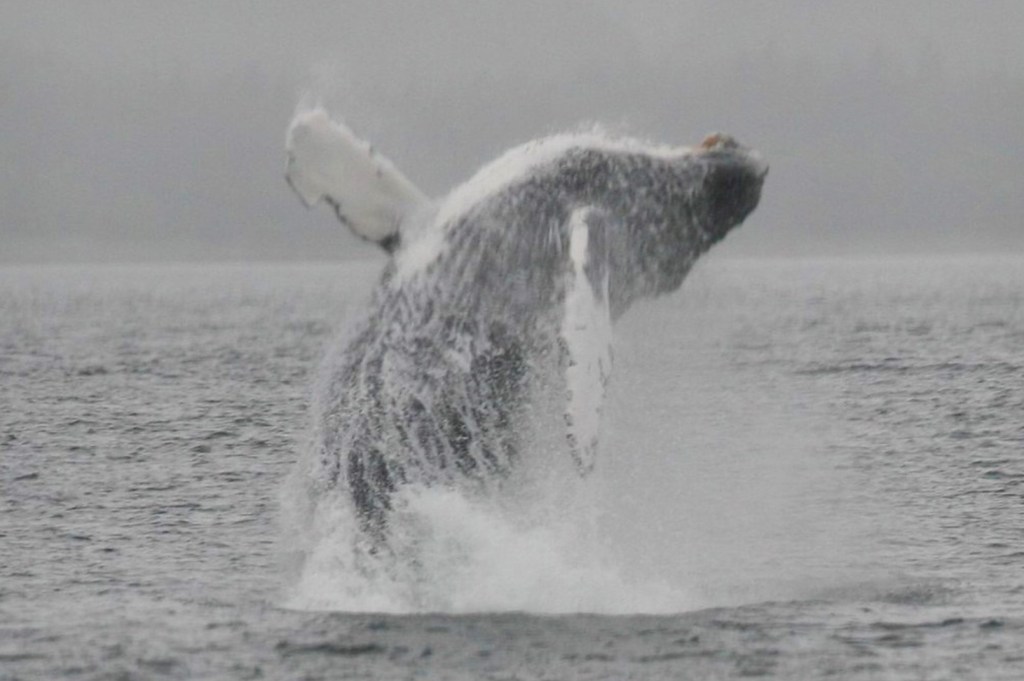
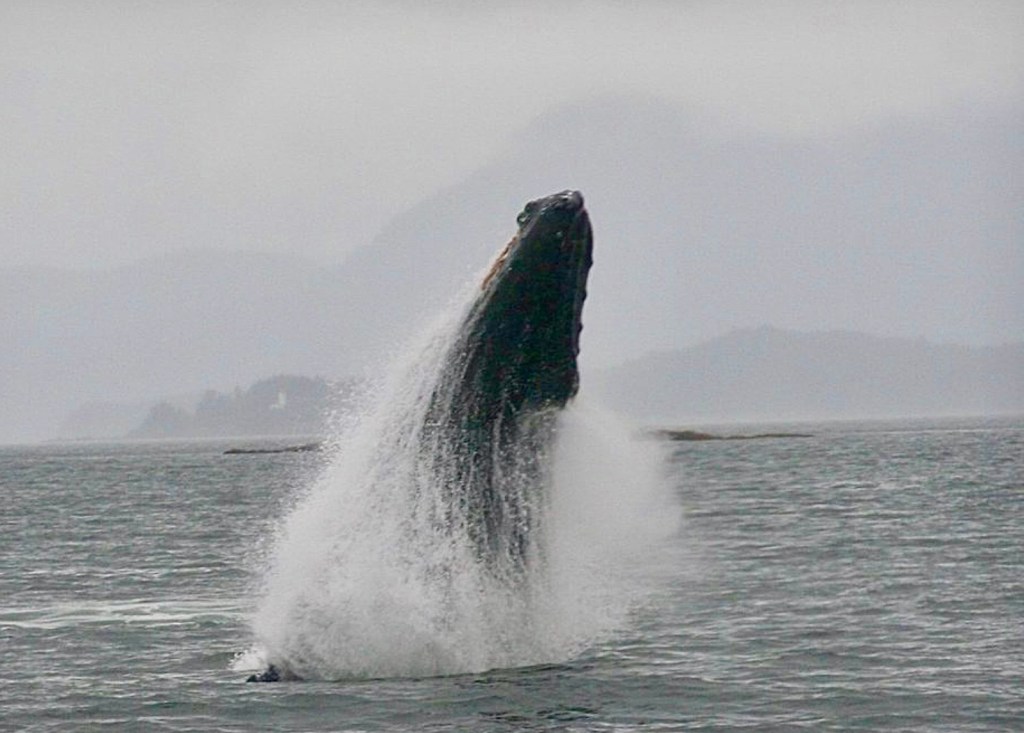
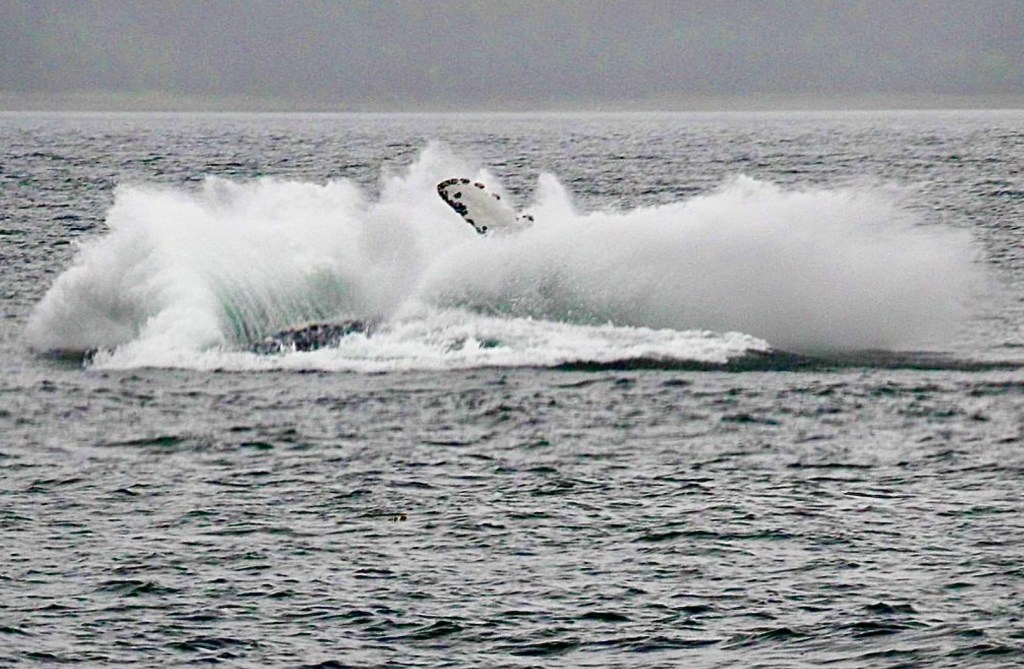
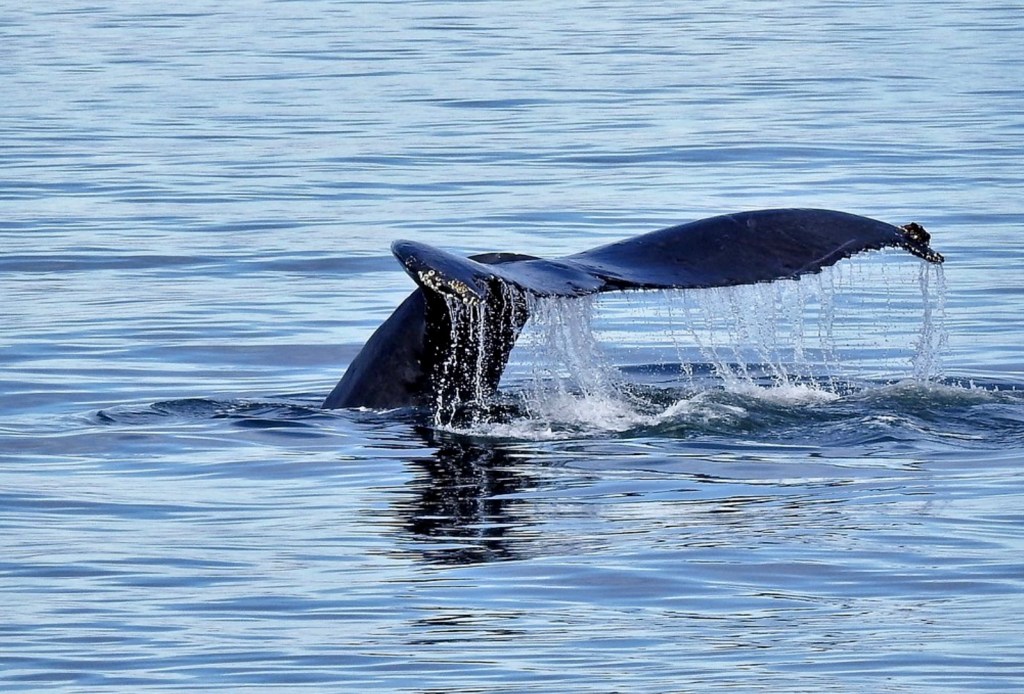
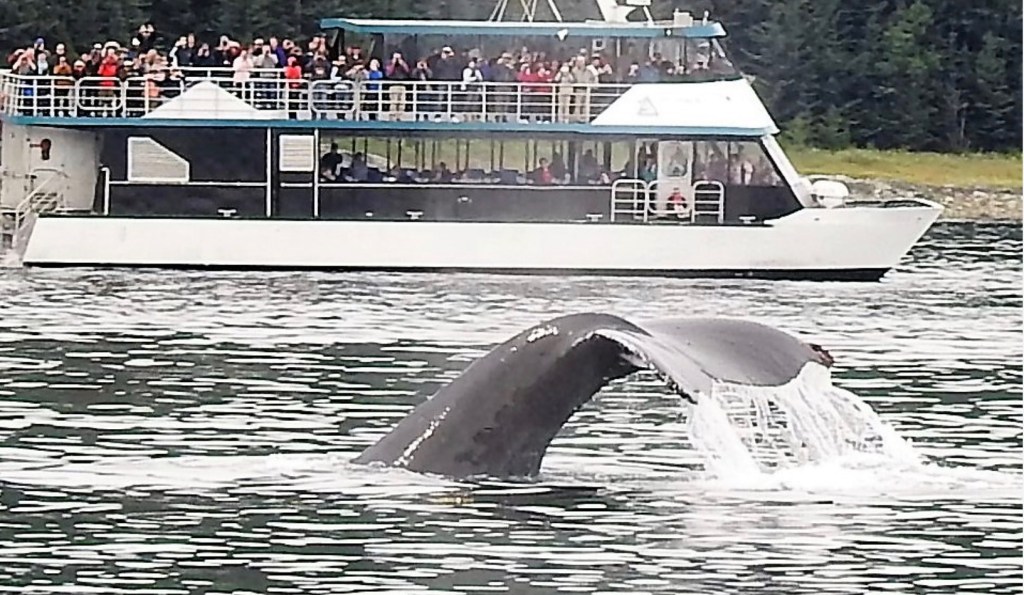
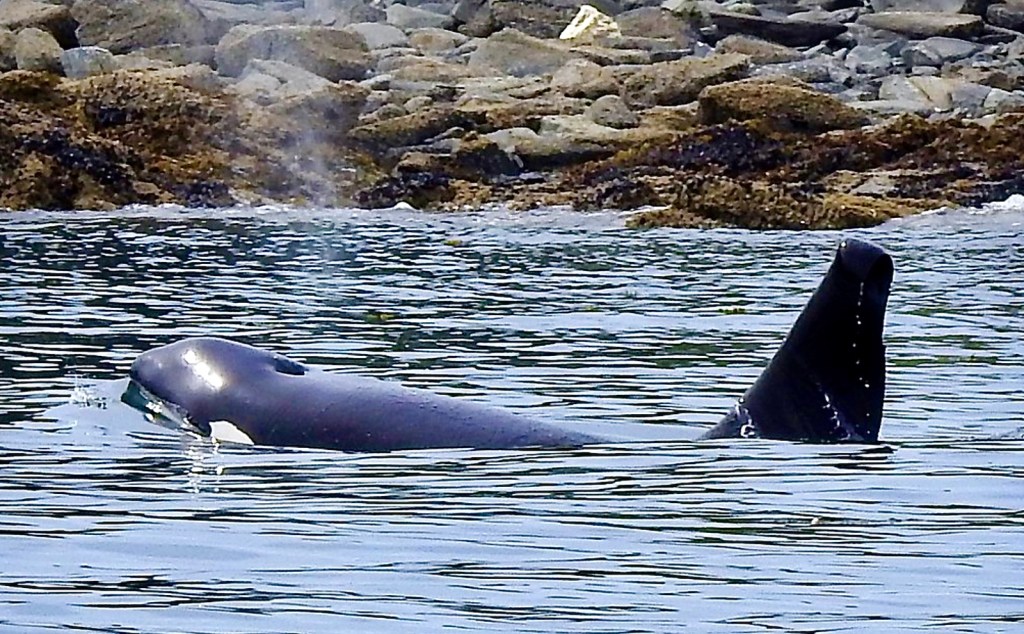
Our favourite activity which we do every time is Juneau is Whale Watching. Juneau is a great place to spot humpback whales and killer whales (orcas), especially between April and November. We take a tour boat out in Auke Bay. The company we always use guarantee that we will see whales or they will give you your money back. We’ve never had to have  a refund because we have always seen whales…..splendid sightings…

Peacocks in Sri Lanka

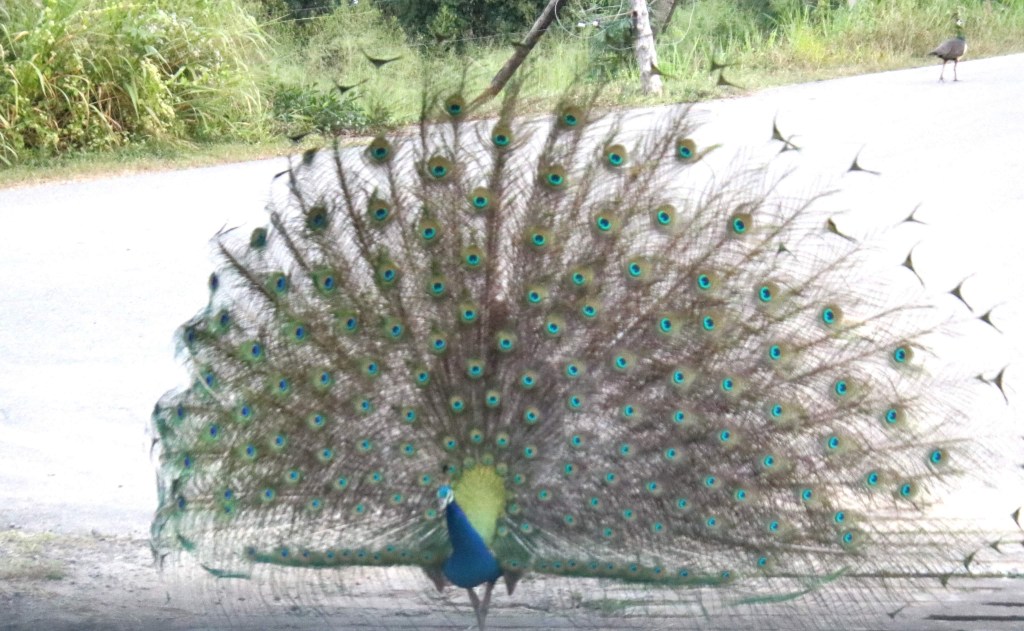
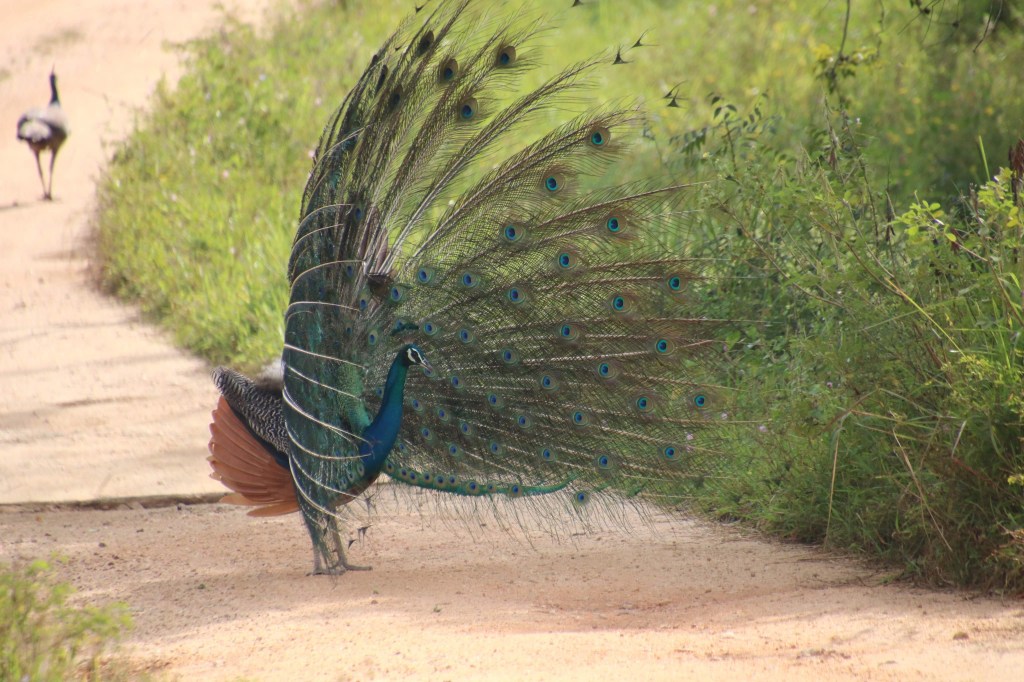
The Peacock is an absolutely stunning bird which is native to the island of Sri Lanka, it’s distinctive call can not only be heard all over the jungles but also in more urban areas. It is the largest of the pheasants and can also be found native to India. The male peacock has an absolutely stunning plumage, where as the female pea hen is a very plain brown bird with none of the lovely bright colours and ornamental feathers. They have an average life span of 20 years in the wild. The male attracts the female by stretching out its lovely feathers into a circular fan framing its neck, head and crown, dancing so that the feathers make a wonderful rattling sound, while shouting loudly. It is a magnificent display of courtship. One which we were privileged to watch on several occasions during our visit to Sri Lanka.

As you can expect a bird with these looks is surrounded in religious symbolism. It means different things in different cultures. It’s uniqueness and magnificent beauty makes it an easy symbol of power, strength, confidence and even divinity.

It is believed that they eat poisonous plants, insects and snakes. The Buddhist belief is that this beautiful bird represents wisdom and the ability to turn poison into beneficial nutrients. They also believe that that Peacocks are related to bodhisattvas, godlike beings, which come to earth to help humans gain enlightenment. This allows them to be like the Peacocks and turn “poisons of ignorance, desire and hatred into fuel for spiritual growth”.

Hindus in Sri Lanka also have a special place for peacocks. The God Kataragama, ‘Skanda’ sits with his wives and peacocks on either side. Lord Vishnu is often depicted with a peacock in the background.
With in the Islamic religion, Muslims interpreted the peacock as a bird of paradise, which is the gate keeper and guide to the people in heaven it is supposed to repel the devil and guide believers. The Peacock’s feathers are supposed to ward off evil spirits, it is seen as a symbol of beauty and elegance.

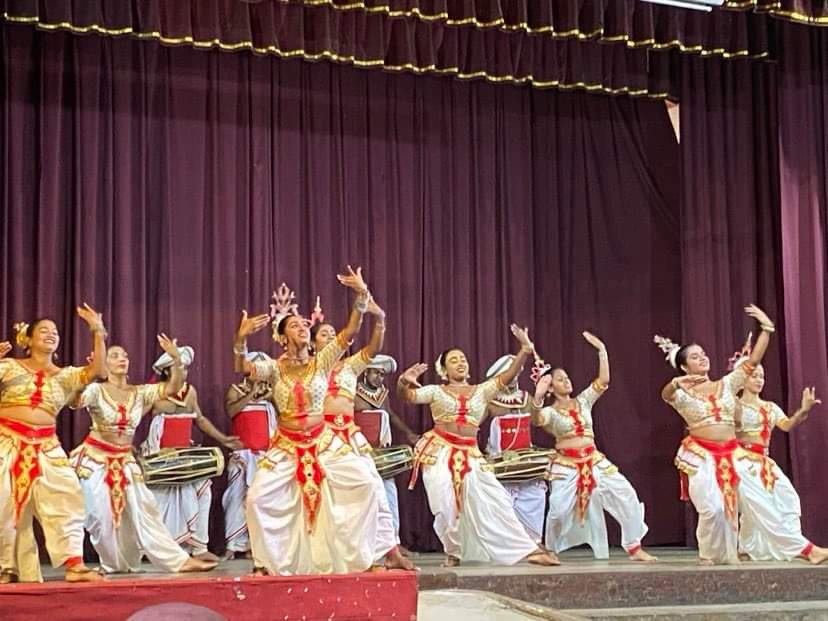
When visiting Kandy we went to see a cultural show. Part of the show was Kandyan dance. The peacocks play a big part in this, with an entire dance depicting the behaviours and looks of the peacock. This part of the dance is known as Mayura Natuma

Seeing these creatures displaying their beauty in the wild can only be described as a privilege.