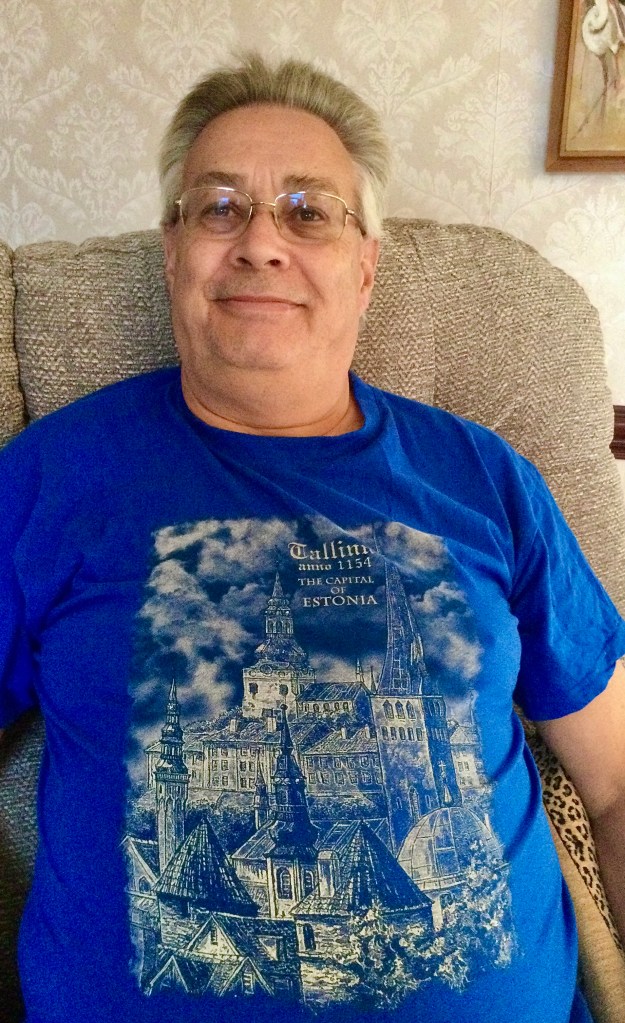
Estonia is a country situated in Northern Europe it has borders on the west with the Baltic Sea, on the north with the Gulf of Finland, on the south with Latvia and on the east with Lake Peipsi and Russia. It was formally part of The Soviet Union. Soviet authorities recognised Estonian independence on 6 September 1991, and on 17 September 1991 Estonia was admitted into the United Nations.

Estonia consists of the mainland and a lot of islands……if you ask one Estonia they’ll tell you 1500 and if you ask another you’ll be told 2300 Islands….so I’ll just say a lot!!! The largest islands are Saaremaa and Hiiumaa. Estonia covers a total of 17,504 square miles(45,335sqkm). It has a very diverse terrain which includes rocky beaches, old forests and many lakes. It’s attractiveness is not just one of scenery but it also in its very aesthetically beautiful castles, churches and hilltop fortresses.
We visited Estonia as part of a Northern Europe, Capital city, cruise with Princess Cruises. We had had it booked before the arrival of the pandemic and it had been moved twice….so we were delighted to finally go even though the itinerary was much changed from our original booking. This had been pre-invasion of Russia into Ukrainian and had included both St Petersburg and Helsinki, both of which were removed from the itinerary, the former because it was a country at war and the later because it was too close to Russia.
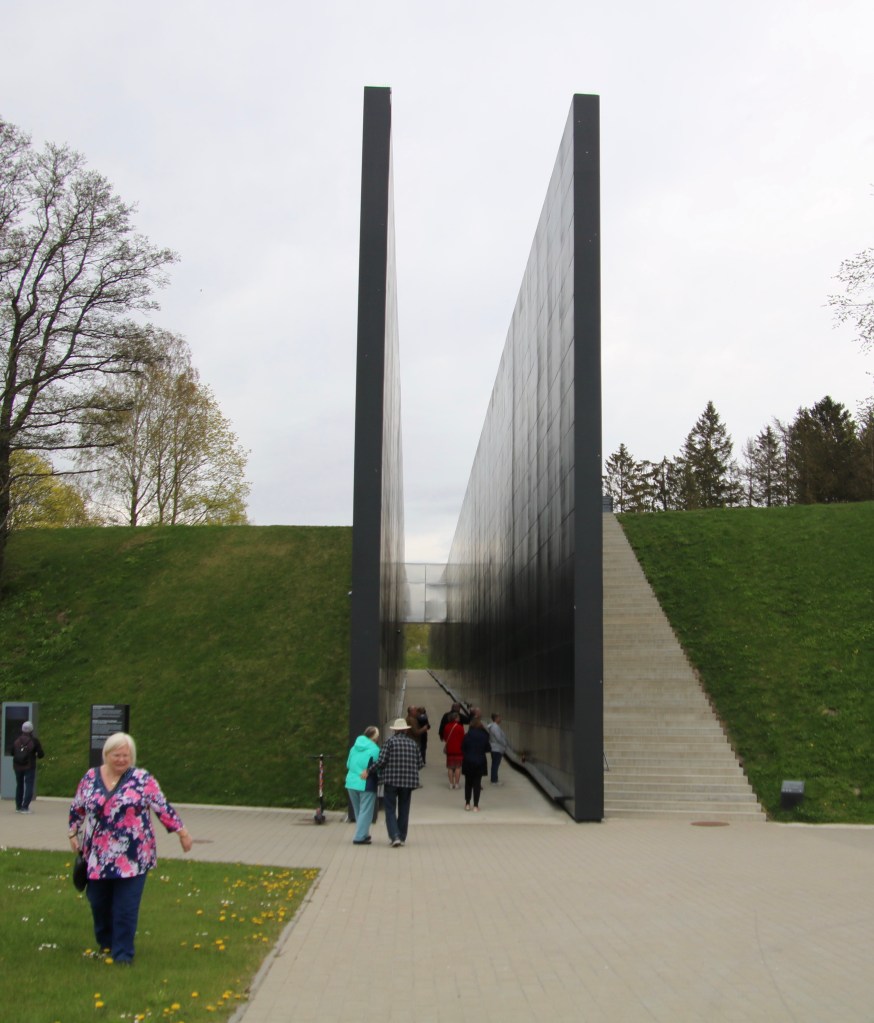
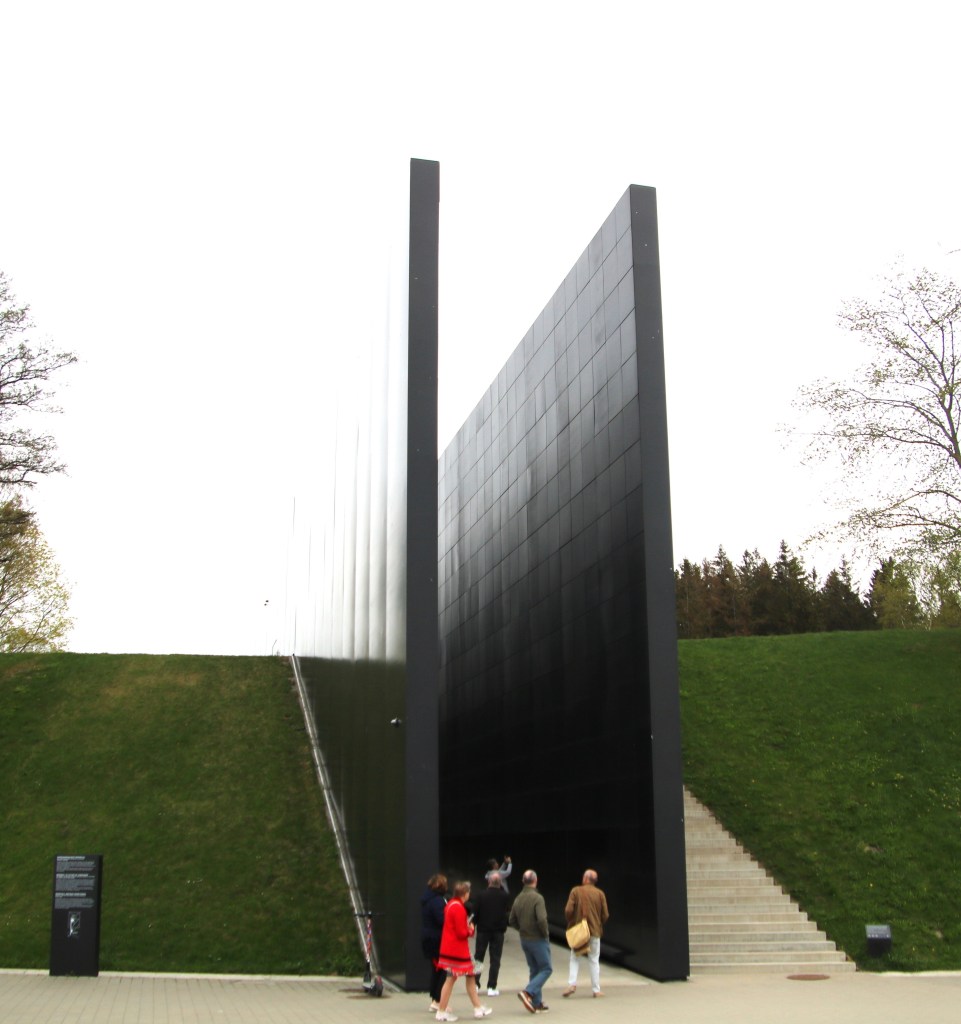
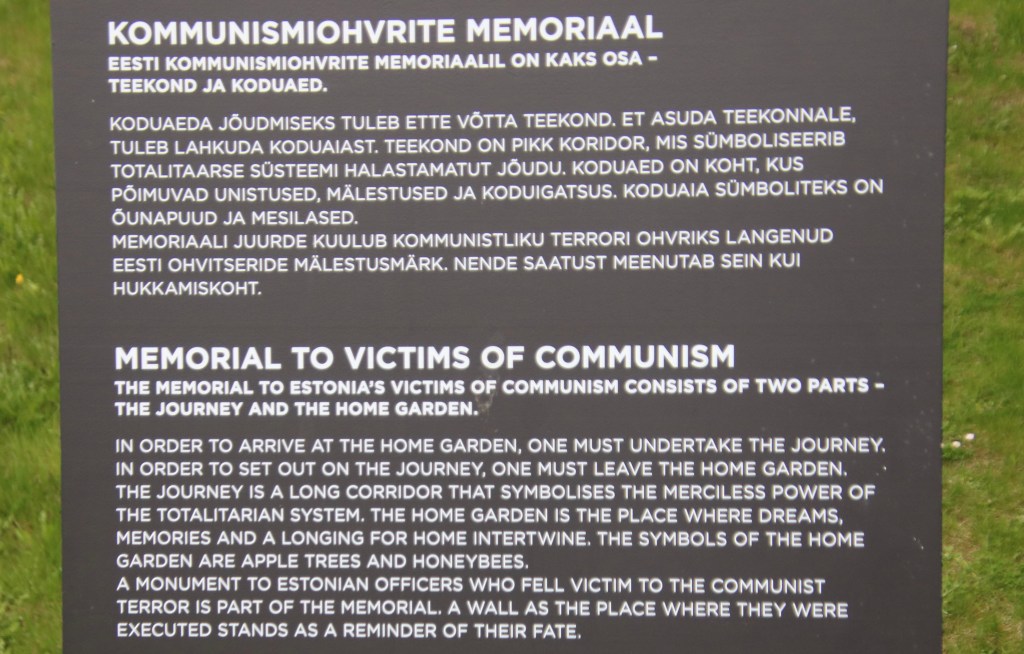
Our trip to Estonia included a day trip to Tallinn, it’s capital city. Tallinn has a population of about 461,000. Tallinn is renowned for its preserved Old Town and museums. Our coach picked us up at the port and took us to the monument complex which commemorates the victims of communism.


Our next stop was the Tallinn Song Festival Grounds it is valued architecturally and is the first post-war building in Tallinn which was completed in 1960. When not being used for The Song Festival the park is open for walking, sports activities and having a picnic. There is a beautiful statue of Gustav Ernesaks who was an Estonia composer who died in 1993. The statue of him sitting overlooking the festival ground was erected in 2004.


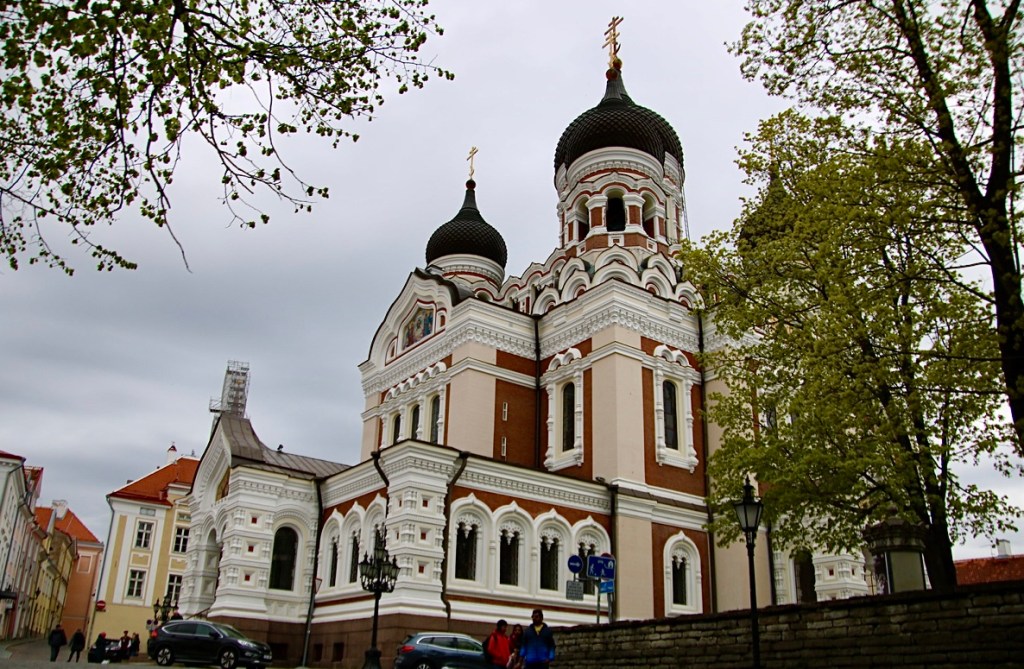
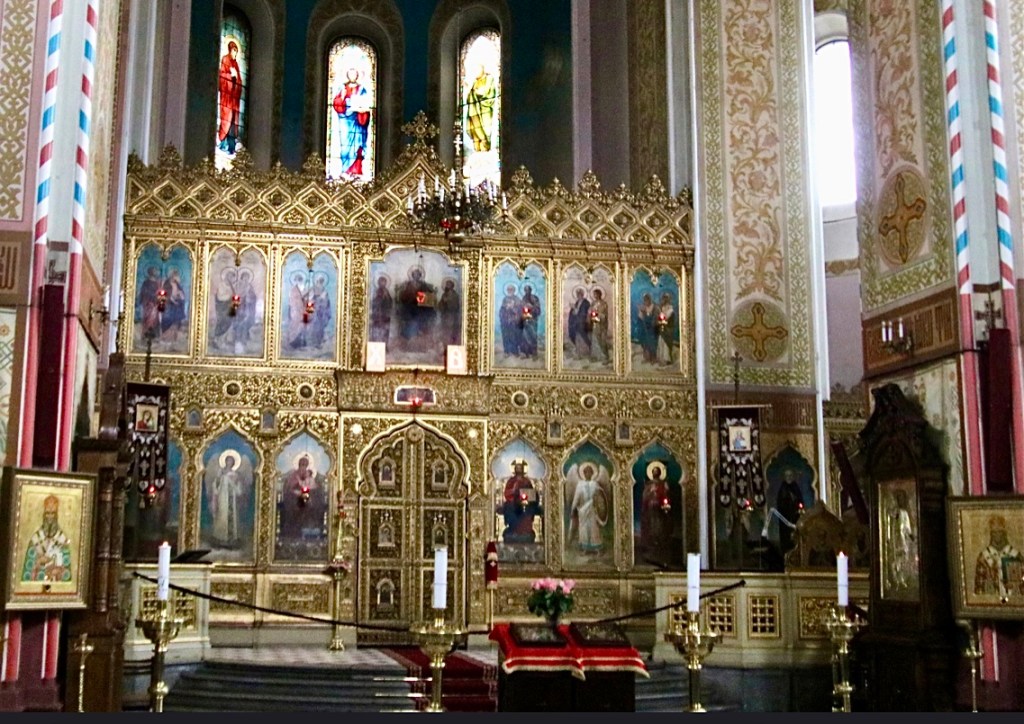
The coach parked up outside the old city walls and we followed our guide to Toompea Hill. Toompea or “Upper Town” is the home of some of Tallinn’s oldest architectural wonders and home to Palace Square. Our first stop was Alexander Nevsky Cathedral . This is a historic Russian Orthodox Cathedral. St. Alexander Nevsky Cathedral serves as the dominating landmark in Palace Square, the cathedral’s cupolas and golden crosses rise high above the rooftops.

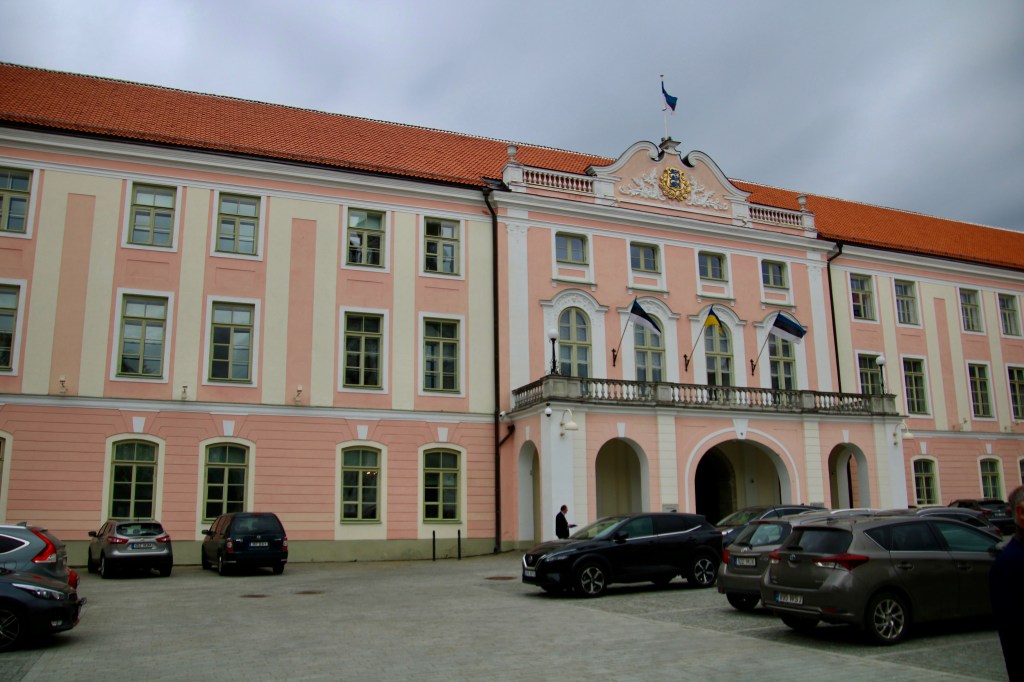
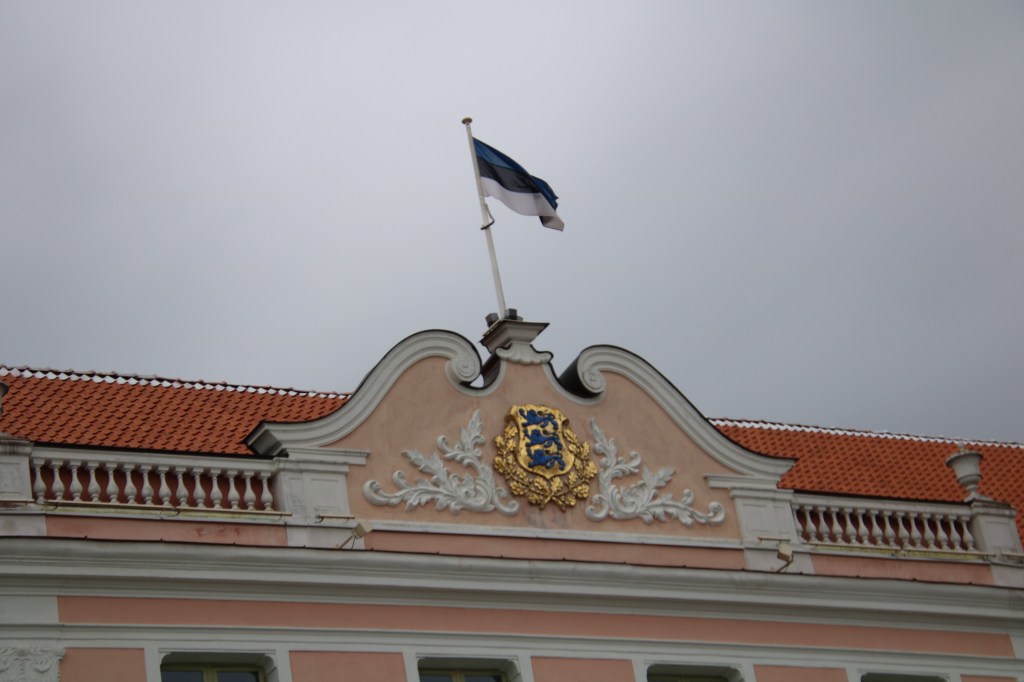
Turn your back on the Cathedral and you come face to face with Toompea Castle. The castle with its late Baroque façade was built between 1767 and 1773 and sits on the site of the foundations of a 13th century fortress. It’s outside wall is pink which was an attractive contrast to the wet dark cobbles of the area on this particular grey rainy day. The castle is now home to the Parliamentary buildings.

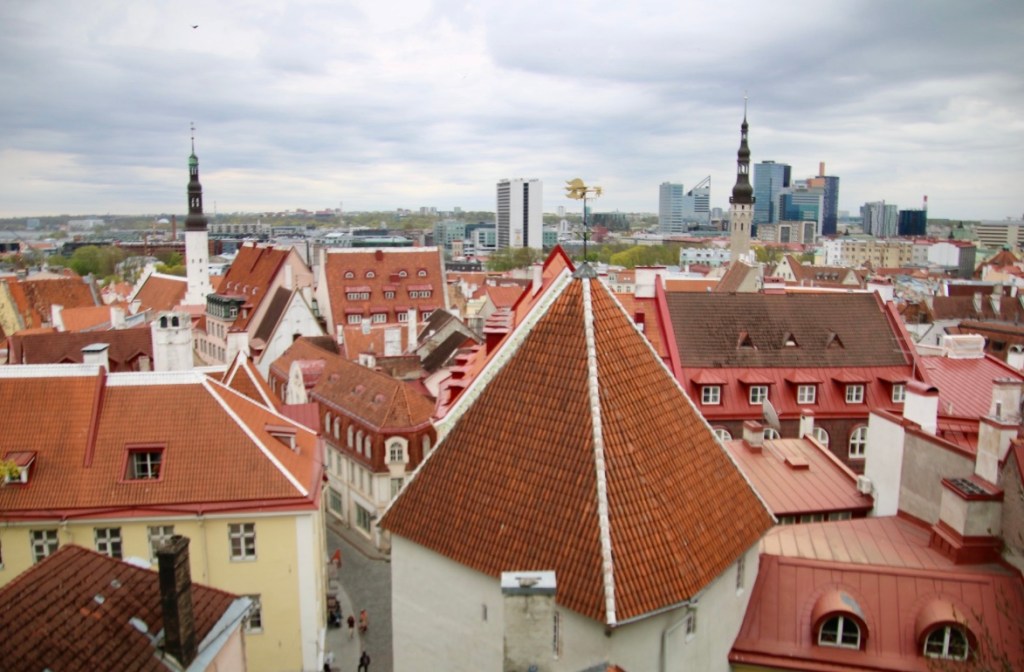
We then slipped and slid our way around the streets, if it hadn’t been for the heavy rain we would have been more enthusiastic about the history and beauty of the quaint streets. Instead of concentrating on what our guide was saying we were more concerned with staying upright and keeping warm. We made our way to Piiskopi Viewing point. It was worth it …the views were terrific. We looked down on Lowe Old Town. Our guide pointed out many buildings but we were ready to scurry into a tourist souvenir shop and get into the warm and out of the rain for a few minutes.

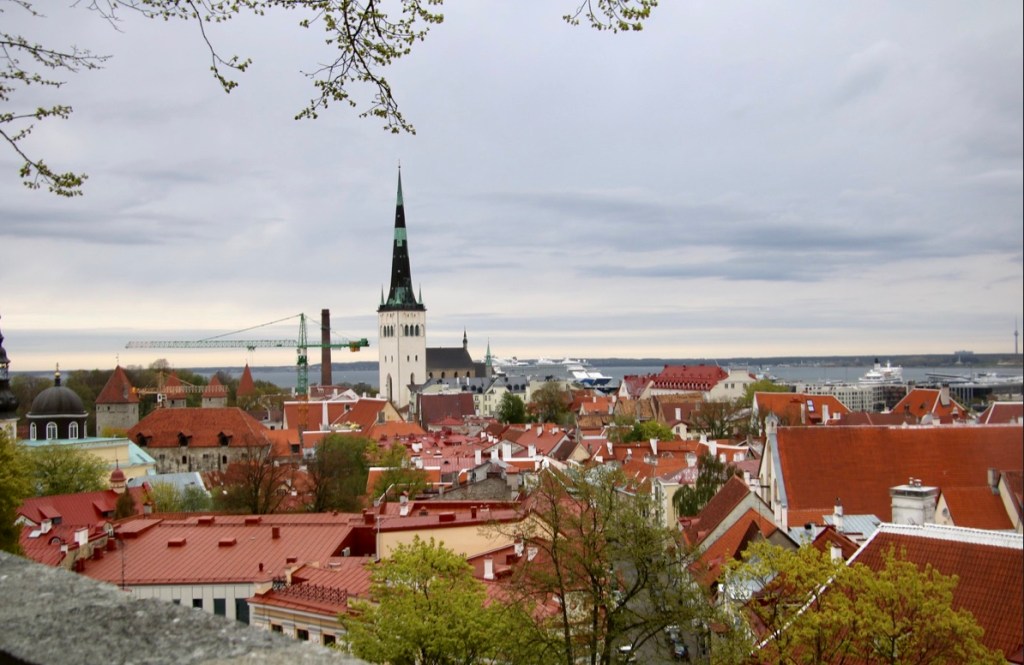
We made our way back to the coach which returned us to the port terminal. The weather really impacted on our tour and we were a bit disappointed that we couldn’t appreciate this obviously beautiful historical capital city….maybe sometime we will get to visit again.
 2 J's World of Adventure