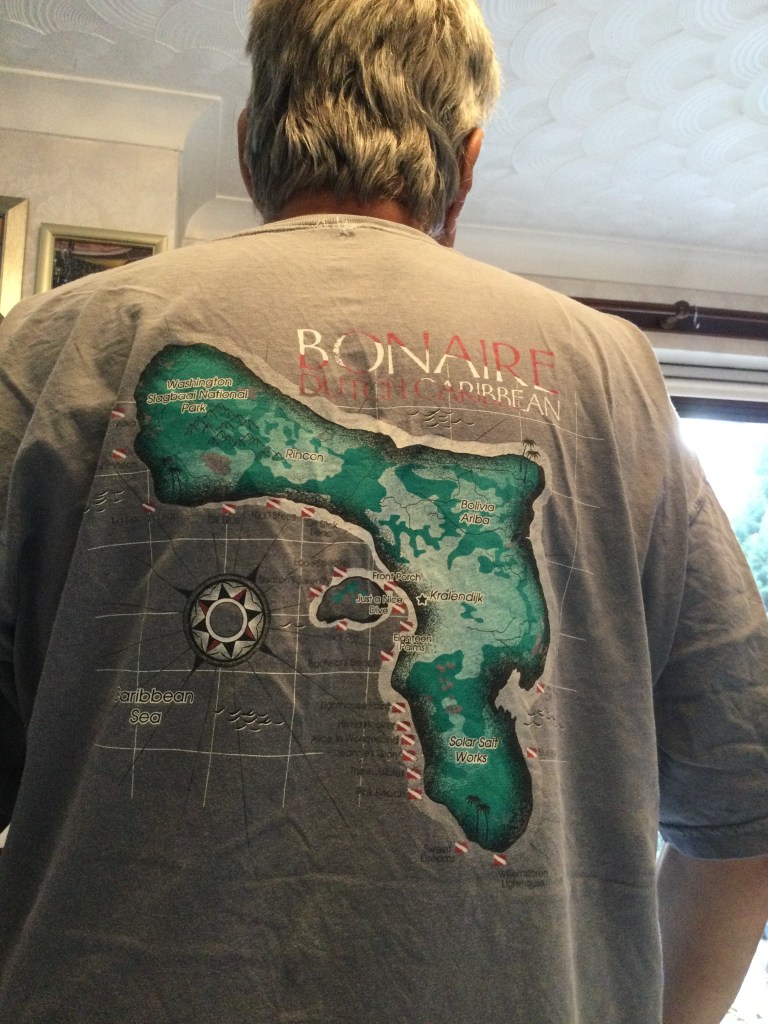
Bonaire is a Caribbean island which forms part of the ABC islands. Aruba, Bonaire and Curaçao are three islands closely located which are all special municipality’s within the Kingdom of the Netherlands in the western most group of the long arc of Islands, known as the Lesser Antilles in the Caribbean Sea.
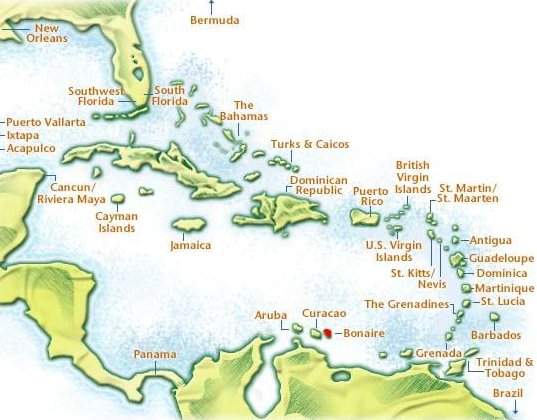
Bonaire lies 50 miles (80 km) north of the Venezuelan coast and 20 miles (32 km) east of Curaçao. The capital is Kralendijk.
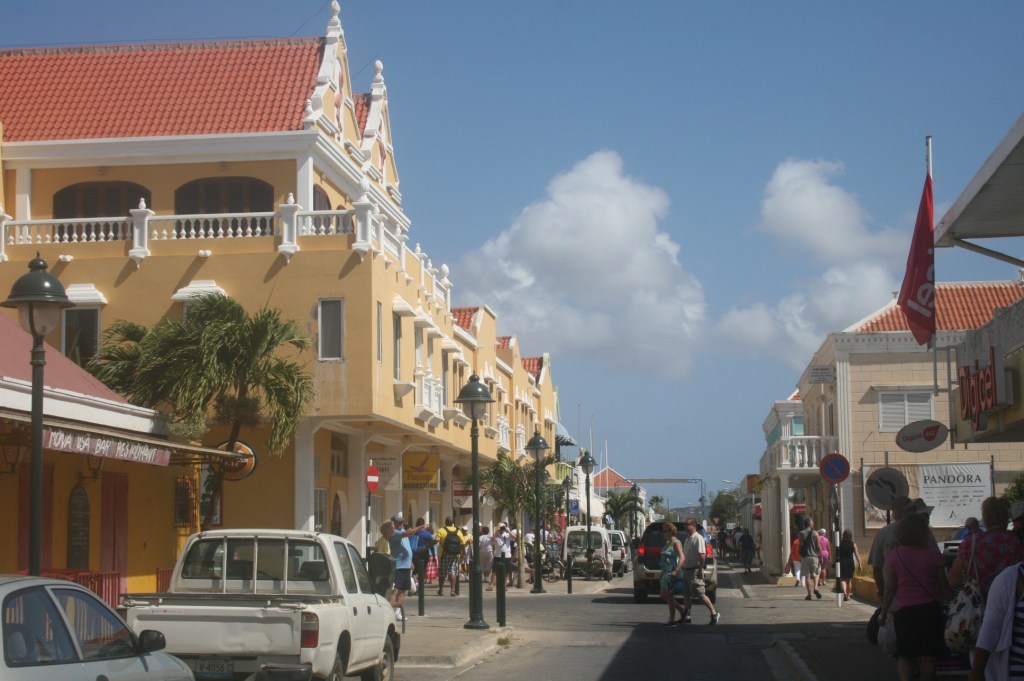
The northern part is hilly, with a peak, Brandaris, 787 feet (240 metres) high, while the southern part is flat, with desert like vegetation.
We have cruised into Bonaire on numerous occasions. However they have recently introduced a US$75 per person visitor tax so less cruise ships are stopping at this delightful island. This is perhaps why the tax has been introduced as some Caribbean Islands dislike the influx of thousands of tourists who arrive by cruise ship and spend very little of the much needed foreign exchange, which boosts their economy. They are perhaps trying to encourage the single destination holiday maker who stays in their hotels, eats in their restaurants and gets a greater understanding of the eco-systems they are trying hard to protect.
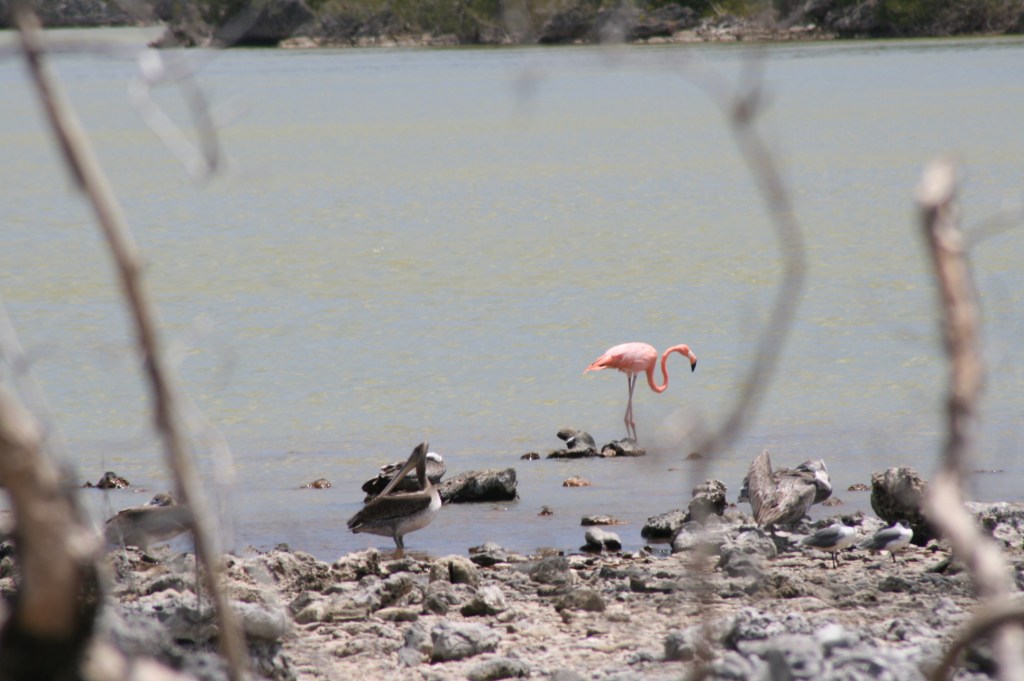
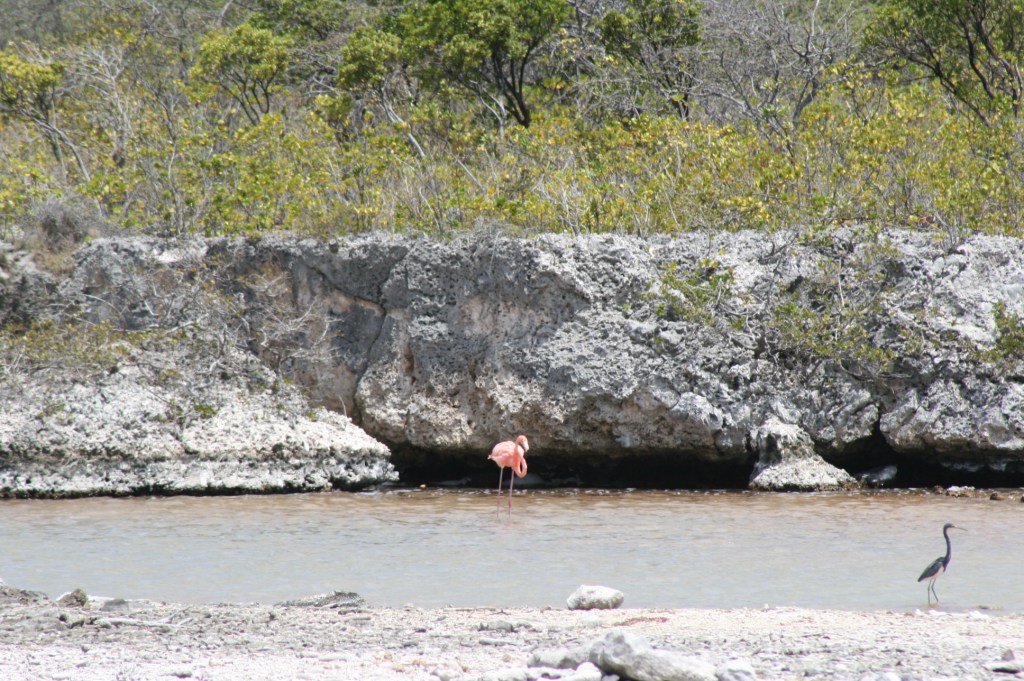
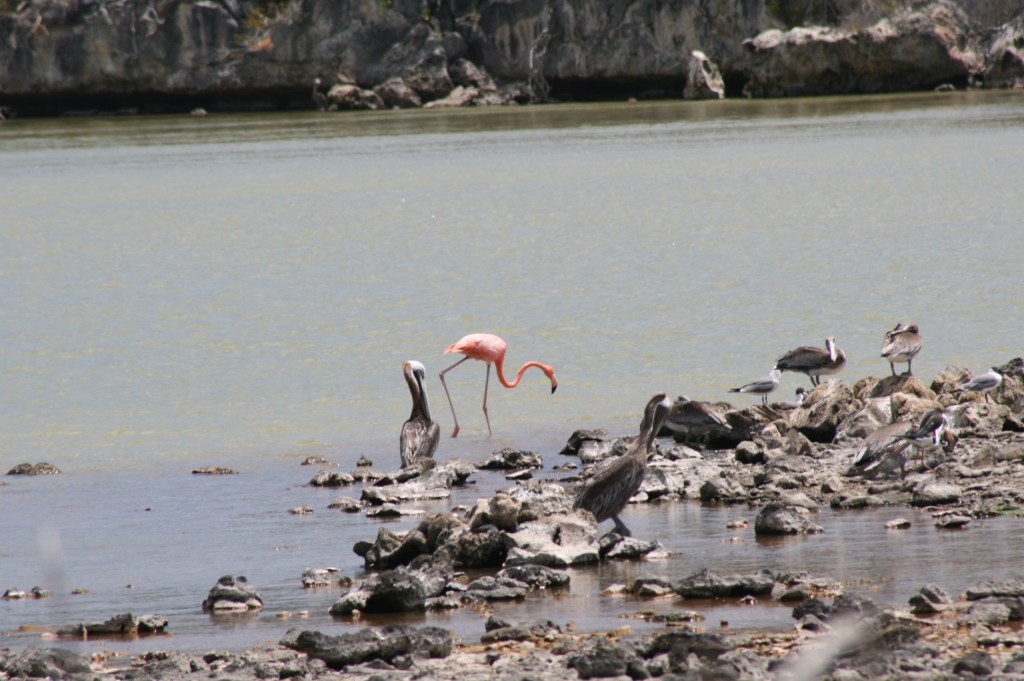
There is lots to do and see on Bonaire and our trips have included visiting Goto Lake. This used to be a well known area for large flamboyances of flamingo. However every time we have visited there have only been a couple and the main Flamboyance have now made Pink Brine Lake their home. Goto lake is still a charming, picturesque place to visit.

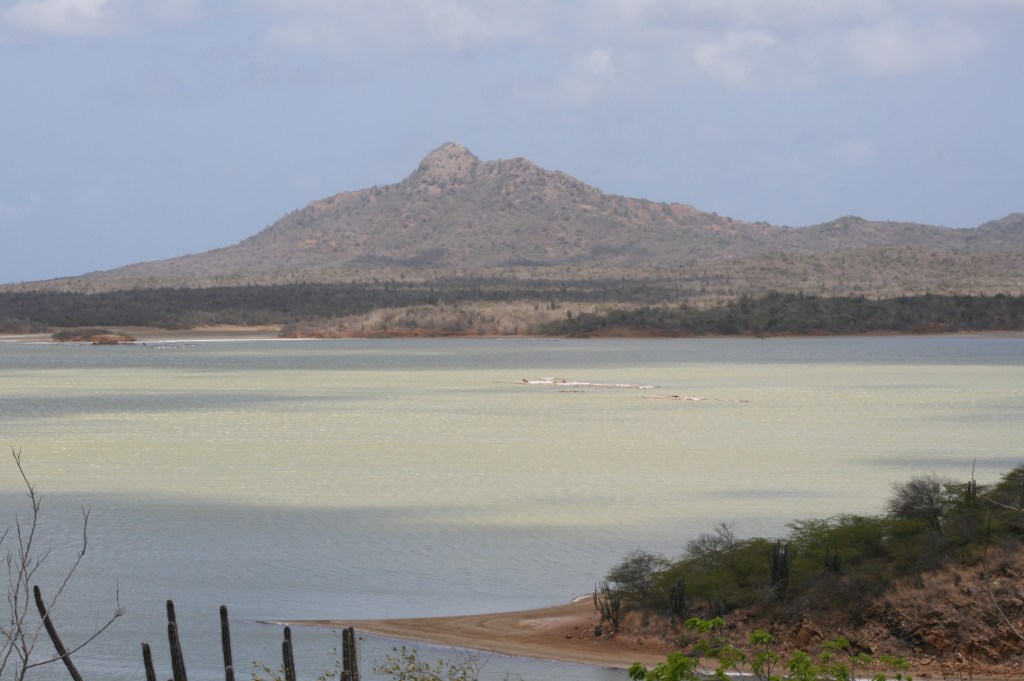
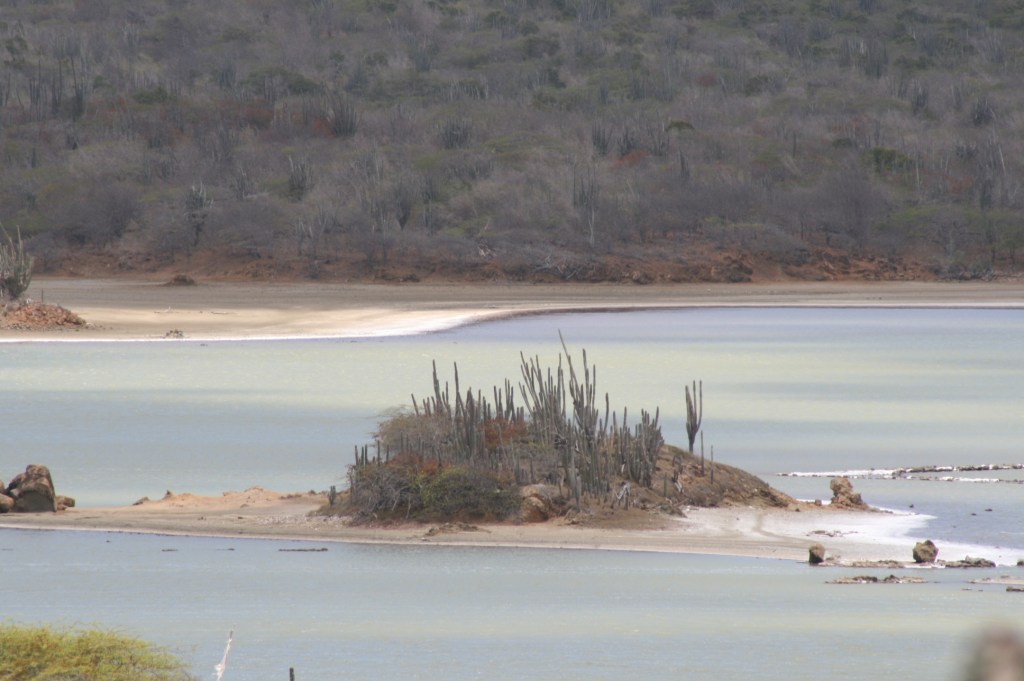
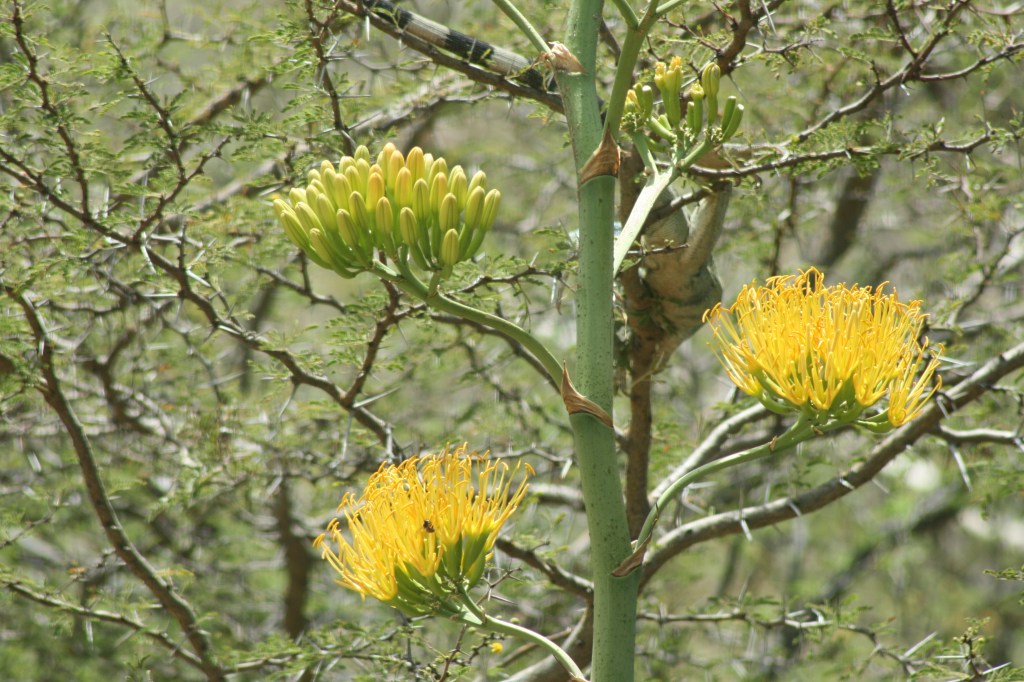
The island grows a lot of cactus. In the centre of Rincon The Cadushy Distillery can be found. It makes a unique Cactus liqueur which has won awards and has created another tourist destination.

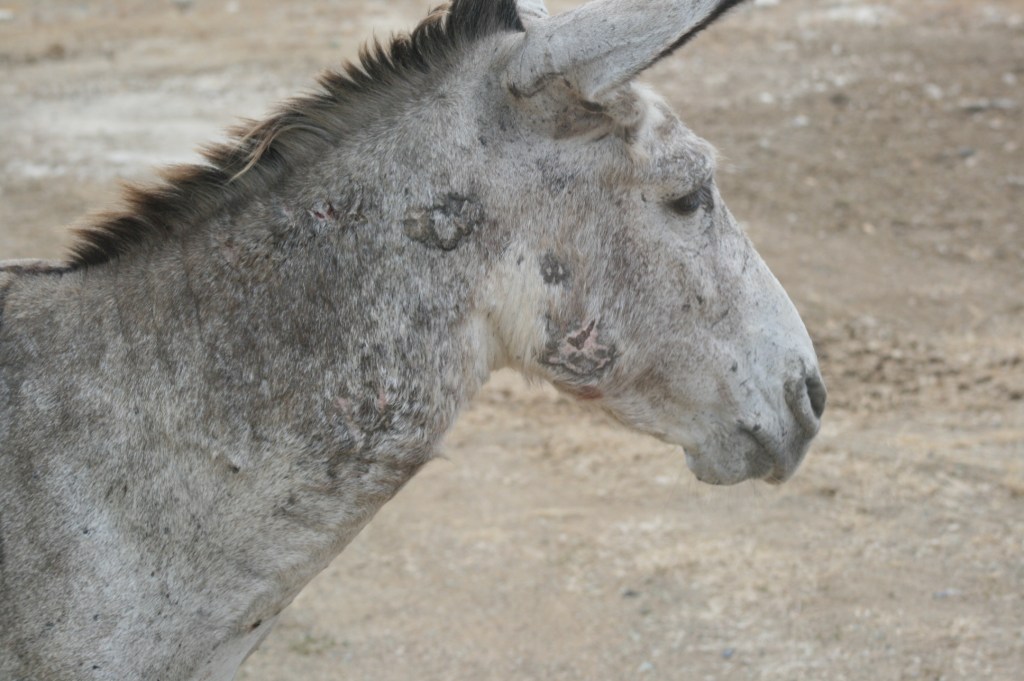
During our tour we saw several wild donkeys. These were originally used for labour by the Spanish, who brought them over with them, in the 17th Century. As modern technology took over these animals were no longer required and left to roam wild. there is a Donkey Sanctuary on Bonaire which also attracts tourists.
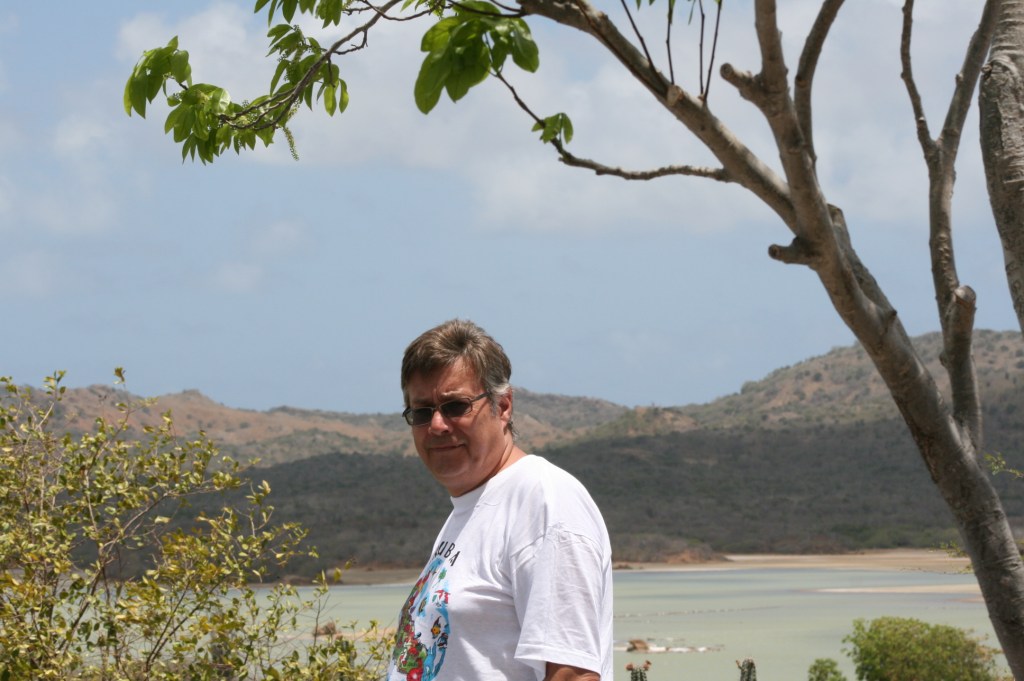
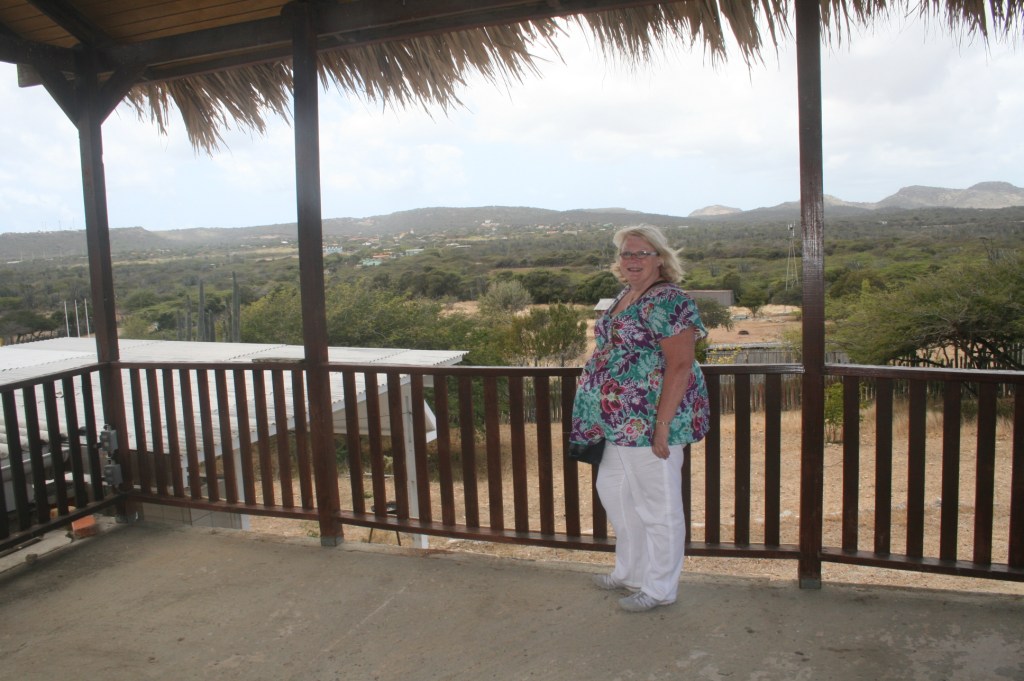
We have thoroughly enjoyed touring around Bonaire and seeing its many varied sights.
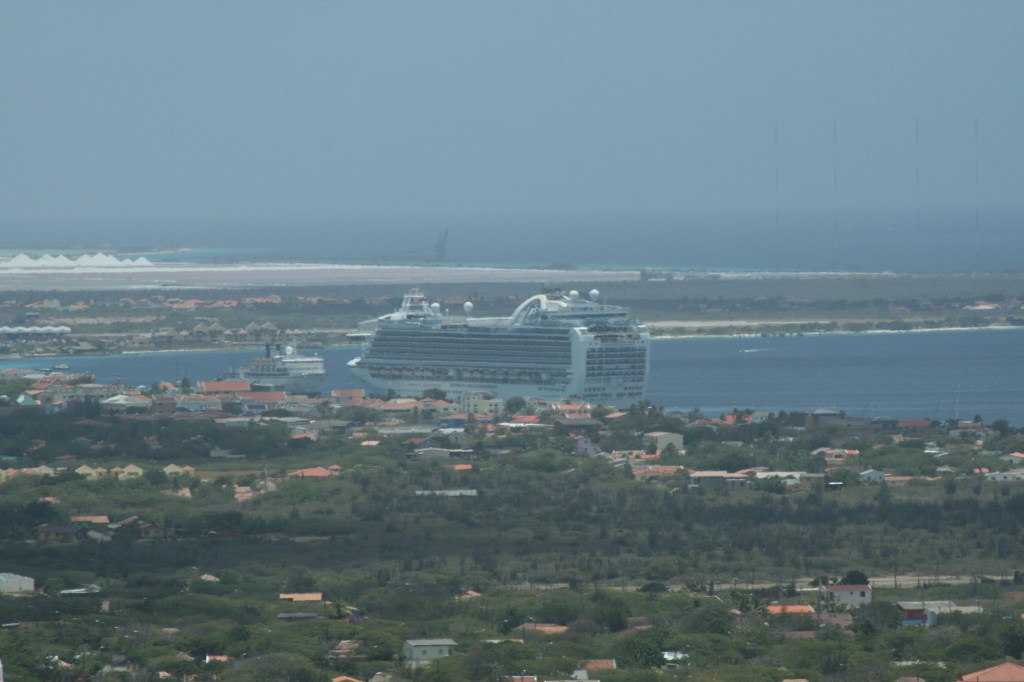


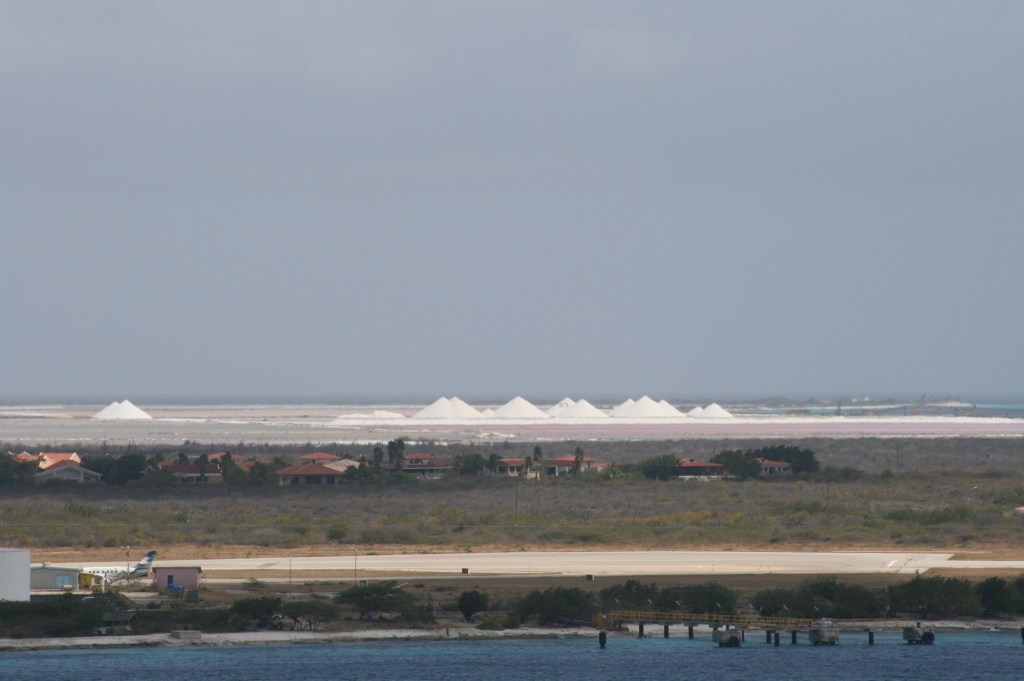
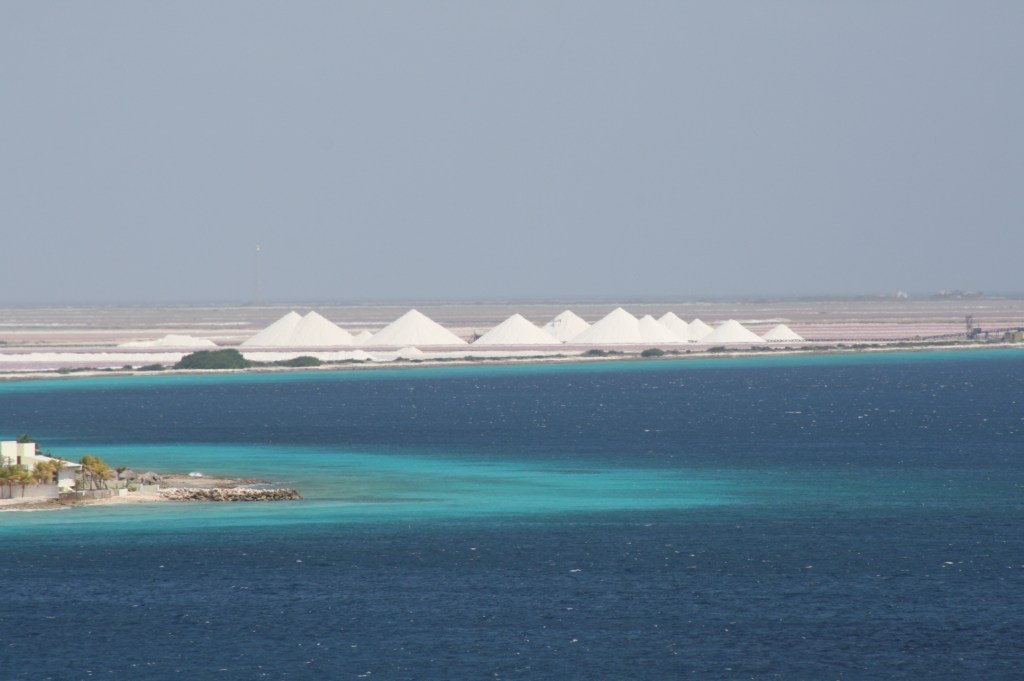
On leaving the Island by Cruise ship you get a great view of the salt pans and the piles of extracted salt. Since the Dutch gained power in the 17th Century, salt has been an important export. The extraction declined at the end of slavery. Today it is once again in full production after the industry was revived by Cargill’s a Canadian company.

 2 J's World of Adventure